The Role of Sleep in Muscle Growth by 2027
23 April 2026
When it comes to building muscle, most people think about hitting the gym, lifting weights, and consuming protein shakes like they’re going out of style. But here’s the kicker: if you’re not clocking in enough quality sleep, all that hard work might go to waste. Yes, you heard that right! Sleep isn’t just for lazy days on the couch; it’s a crucial player in the muscle growth game. So, let’s dive into how sleep plays a pivotal role in muscle growth and what you can do to maximize your gains by 2027.
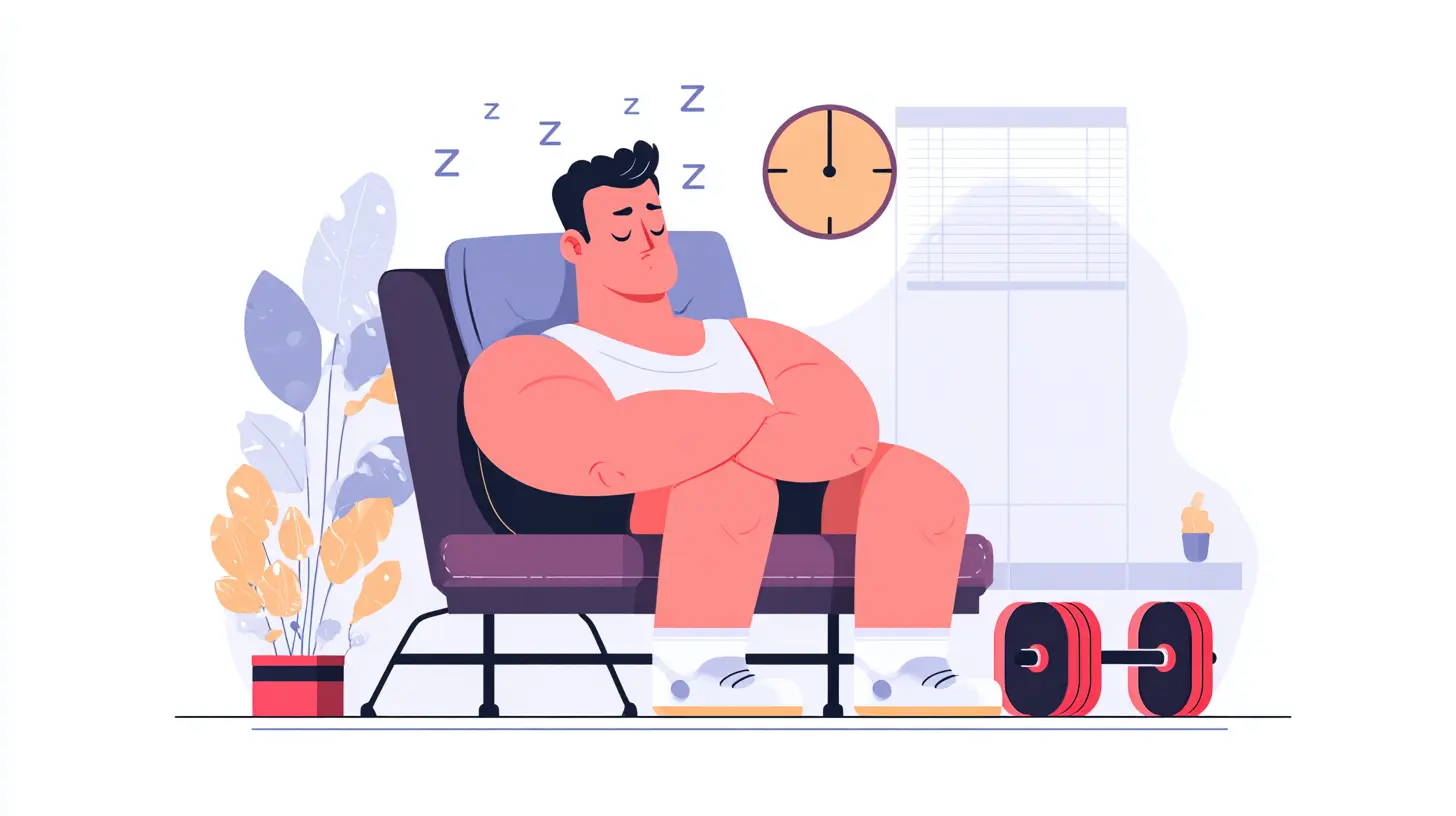
The Science of Sleep and Muscle Recovery
Before we delve into the nitty-gritty, let's get a little nerdy for a moment. Sleep isn’t just a time for your body to shut down; it’s a powerhouse of activity. During sleep, particularly during the deep stages (also known as slow-wave sleep), your body is busy repairing and building muscle tissues. This is when growth hormone levels peak, and your body gets to work on the muscle repair that’s crucial after a tough workout.Why Is Sleep So Important?
Think of sleep as the unsung hero of muscle growth. While you’re dreaming of your next gym session or that juicy protein-packed meal, your body is hard at work doing the following:- Muscle Repair: After an intense workout, your muscles experience tiny tears. Sleep helps repair these tears, allowing your muscles to grow back stronger.
- Hormone Regulation: Sleep influences the release of several hormones, including testosterone and growth hormone, both of which are essential for muscle growth.
- Energy Restoration: A good night’s sleep restores glycogen levels, ensuring your muscles have the energy they need for your next workout.

The Connection Between Sleep and Performance
Have you ever had one of those nights where you barely slept, and the next day, you felt like a zombie? Your performance in the gym takes a hit, and you may even feel more prone to injuries. Lack of sleep can lead to decreased strength, endurance, and overall performance.Sleep Deprivation: The Performance Killer
When you skimp on sleep, it’s not just your mood that suffers; your physical performance takes a nosedive. Research indicates that sleep deprivation can lead to:- Reduced Strength: Just one night of poor sleep can reduce your strength levels significantly. Imagine trying to lift weights while feeling like a wet noodle!
- Decreased Endurance: You know that feeling when you’re running out of steam mid-workout? Lack of sleep can lead to early fatigue and decreased stamina.
- Increased Risk of Injury: Fatigue can impair coordination and reaction times, making you more susceptible to injuries. Nobody wants to spend months on the sidelines!
The Ideal Amount of Sleep for Muscle Growth
So, how much sleep do you really need to maximize your muscle gains? The general consensus is that adults should aim for 7-9 hours of quality sleep each night. Think of it as your personal recovery potion—just the right amount will have you feeling like a superhero.Quality vs. Quantity
It’s not just about the number of hours you log in bed; the quality of your sleep matters too. Here are some tips to enhance your sleep quality:- Create a Sleep Sanctuary: Your bedroom should be a haven for rest. Keep it dark, cool, and quiet.
- Limit Screen Time: Those late-night scrolling sessions? They can mess with your melatonin levels. Try putting away your devices at least an hour before bed.
- Establish a Routine: Going to bed and waking up at the same time every day helps regulate your body’s internal clock, making it easier to fall asleep and wake up refreshed.

Sleep Stages and Muscle Growth
Not all sleep is created equal. There are different stages of sleep, each playing a unique role in muscle recovery and growth. Understanding these stages can help you optimize your sleep for better gains.REM Sleep: The Dream Stage
Rapid Eye Movement (REM) sleep is the stage where most dreaming occurs. It’s essential for cognitive functions and emotional well-being, but it’s not the primary stage for muscle recovery. However, it plays a role in memory consolidation, which can help you remember workout techniques and strategies.Non-REM Sleep: The Repair Stage
Non-REM sleep is where the magic happens for muscle recovery. This stage is divided into three parts:1. Stage 1: Light sleep where you drift in and out of consciousness.
2. Stage 2: A deeper sleep where your heart rate slows, and your body temperature drops. This is where you start to feel more rested.
3. Stage 3: Deep sleep, also known as slow-wave sleep, is where your body does most of its healing and muscle repair. This is the golden stage for muscle growth.
The Impact of Sleep Disorders on Muscle Growth
If you’re struggling with sleep disorders like insomnia or sleep apnea, it could be sabotaging your muscle growth efforts. These conditions disrupt your sleep cycles, preventing you from reaching those deep restorative stages necessary for recovery.Insomnia: The Sleepless Struggle
Insomnia can lead to chronic fatigue, making it difficult to stay motivated for workouts. It can also hinder your body’s ability to repair muscles, leaving you feeling weak and unmotivated.Sleep Apnea: The Hidden Enemy
Sleep apnea is a condition where breathing repeatedly stops and starts during sleep. This not only disrupts your sleep but also lowers your oxygen levels, impacting muscle recovery and performance.
Nutrition, Sleep, and Muscle Growth
You might be wondering how nutrition fits into the sleep-muscle growth equation. The truth is, what you eat plays a significant role in how well you sleep. Eating the right foods can promote better sleep, which in turn supports muscle growth.Foods That Promote Sleep
- Complex Carbohydrates: Foods like whole grains can help increase serotonin levels, which promotes relaxation and sleepiness.- Lean Proteins: Foods rich in tryptophan (like turkey and chicken) can help boost melatonin production.
- Magnesium-Rich Foods: Nuts, seeds, and leafy greens are great sources of magnesium, which can help improve sleep quality.
Foods to Avoid Before Bed
- Caffeine: This one’s a no-brainer. Avoid caffeine in the afternoon and evening, as it can keep you wired when you should be winding down.- Heavy Meals: Eating large meals before bed can lead to discomfort and disrupt your sleep. Aim for lighter snacks if you’re feeling peckish.
The Role of Supplements in Sleep and Muscle Growth
If you’re struggling to get quality sleep, you might consider supplements. However, it’s essential to approach this with caution. Here are some supplements that may help improve sleep quality:Melatonin
Melatonin is a hormone that regulates your sleep-wake cycle. Taking a melatonin supplement may help you fall asleep faster, especially if you have trouble winding down.Magnesium
Magnesium is known for its calming effects. A magnesium supplement might help you relax and improve your overall sleep quality.Herbal Supplements
Herbs like valerian root and chamomile have been used for centuries to promote relaxation and improve sleep quality. They can be a natural way to help you wind down after a long day.
Sleep Hygiene Tips for Muscle Growth
Ready to take your sleep game to the next level? Here are some practical sleep hygiene tips to help you maximize your muscle growth potential:1. Stick to a Schedule: Go to bed and wake up at the same time every day, even on weekends. Consistency is key!
2. Limit Naps: If you must nap, keep it short (20-30 minutes) to avoid disrupting your nighttime sleep.
3. Create a Relaxing Pre-Sleep Routine: Engage in calming activities before bed, like reading or taking a warm bath, to signal to your body that it’s time to wind down.
Conclusion: Sleep Your Way to Gains
In the quest for muscle growth, we often overlook the importance of sleep. It’s not just a luxury; it’s a necessity for anyone looking to build strength and recover effectively. By prioritizing quality sleep, you can enhance your performance in the gym, speed up recovery, and ultimately achieve your muscle growth goals by 2027.So, the next time you think about skipping out on sleep to squeeze in another workout or binge-watch your favorite show, remember that your muscles deserve better. Treat sleep like the essential part of your fitness journey that it is, and watch those gains soar!
all images in this post were generated using AI tools
Category:
Workout RecoveryAuthor:

Sophia Wyatt
Discussion
rate this article
2 comments
Dana Elliott
Great insights on how sleep impacts muscle recovery and growth. It's easy to overlook, but prioritizing quality rest is crucial for progress. A well-rested body is a stronger one. Keep up the good work and prioritize your sleep!
May 2, 2026 at 5:01 PM
Sophia Wyatt
Thanks for the kind words! I completely agree-sleep is key for performance and recovery. Let's keep spreading the word about its importance.
Ariella McCarthy
Quality sleep is essential for optimal muscle recovery and growth.
April 25, 2026 at 4:04 AM
Sophia Wyatt
I completely agree. Quality sleep is crucial for muscle recovery and overall growth. Without it, progress can stall.