A Deep Dive into Leaky Gut: Causes, Symptoms, and Remedies
2 July 2026
Ever Heard of Leaky Gut? Let's Talk About It!
Imagine your gut as a tight-knit security team, carefully selecting what gets into your bloodstream while keeping the bad guys (toxins, harmful bacteria, and undigested food particles) out. Now, what if that security detail started getting lazy, allowing unwanted guests to slip through the cracks? That, my friend, is what you’d call leaky gut syndrome.
It might sound like something out of a sci-fi movie, but it’s a real health concern that many people struggle with—even if they don’t realize it. So, let’s take a deep dive into what leaky gut is, what causes it, the symptoms to watch for, and how you can start healing your gut for good! 
What Is Leaky Gut, Anyway?
Leaky gut syndrome, or increased intestinal permeability, happens when the lining of your intestines becomes damaged, allowing harmful substances to pass through into your bloodstream. Normally, your gut lining is supposed to be like a fine-mesh sieve—letting in nutrients while keeping out bacteria and toxins. However, when it’s compromised, it becomes more like a fishing net with massive holes, letting all sorts of problematic substances slip in.This can trigger inflammation, immune responses, and even chronic health conditions throughout your body. And the worst part? Medical science is still debating the full extent of its impact, making it a tricky condition to diagnose and treat. 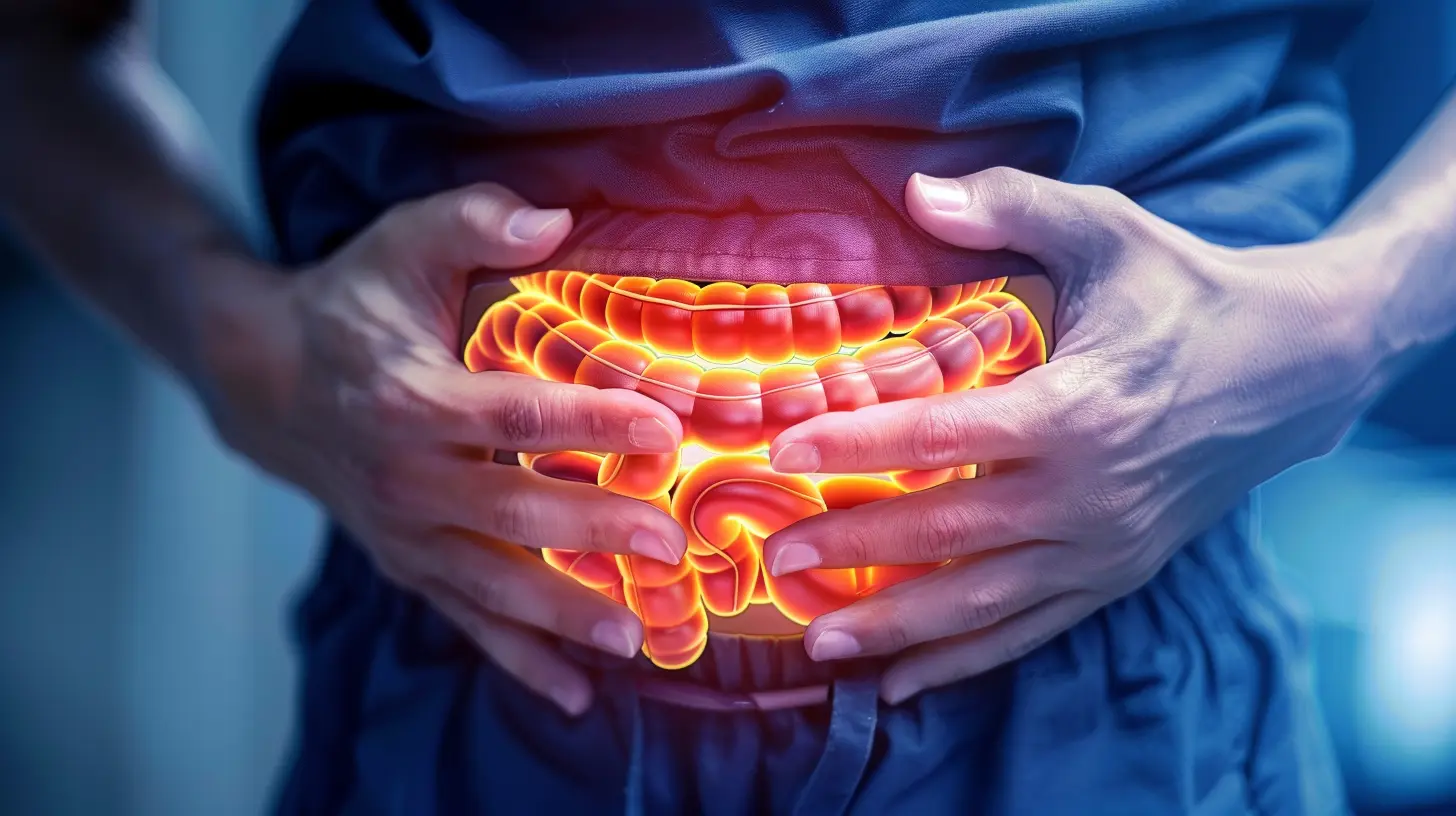
What Causes Leaky Gut? The Culprits Behind the Chaos
So, what exactly causes your gut lining to go rogue? Unfortunately, modern lifestyles aren’t doing us any favors. Here are some of the biggest offenders:1. Poor Diet (Yep, Your Junk Food Is a Problem)
If your diet consists of processed foods, refined sugars, artificial additives, and unhealthy fats, your gut is bound to suffer. These foods cause inflammation and damage the gut lining, making it easier for toxins to pass through.2. Gluten and Other Food Sensitivities
Gluten, dairy, soy, and other common allergens have been linked to increasing gut permeability in some individuals. In particular, gluten triggers the release of zonulin, a protein that controls the tight junctions in your gut lining. Too much zonulin = more leaks!3. Chronic Stress (Because Stress Ruins Everything)
When you’re constantly stressed, your body releases cortisol, which can weaken the gut lining over time. Stress also affects digestion, leading to imbalances in gut bacteria—which brings us to the next point.4. Imbalance in Gut Bacteria (Dysbiosis)
Your gut is home to trillions of bacteria, and when the good guys (probiotics) are outnumbered by the bad guys (harmful bacteria and yeast), it can compromise your gut lining, leading to—you guessed it—leaky gut.5. Toxin Overload (Pollution, Medications, and Alcohol)
Environmental toxins from pesticides, pollution, and even household products can contribute to gut damage. Certain medications, like NSAIDs (ibuprofen, aspirin) and antibiotics, can also harm the gut lining when used excessively.6. Excessive Alcohol and Sugar Consumption
Both alcohol and sugar can inflame the gut, kill off beneficial gut bacteria, and worsen leaky gut syndrome. If your diet is heavy on booze and sweets, your gut will likely pay the price.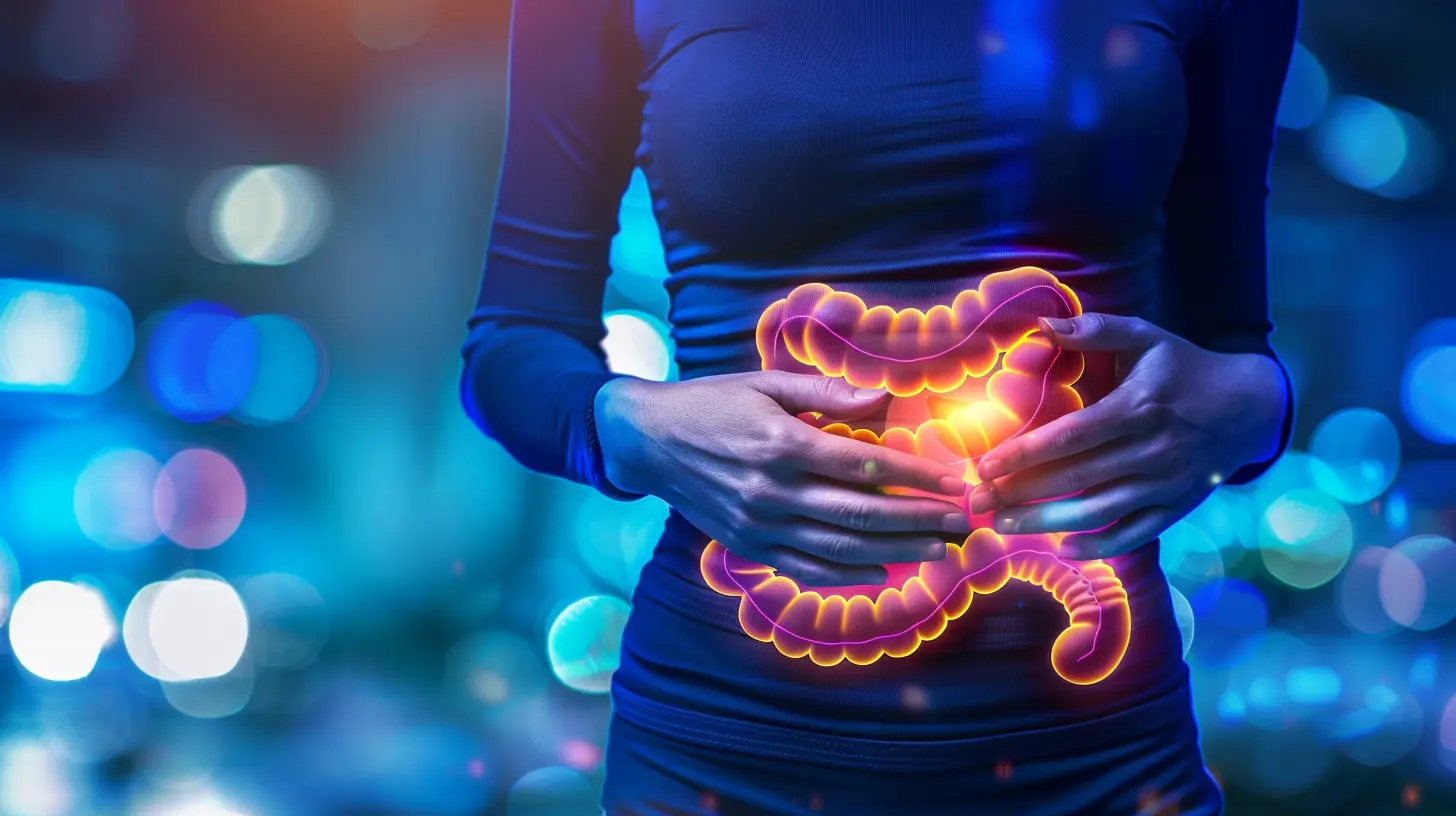
Symptoms of Leaky Gut—Is Your Gut Trying to Tell You Something?
Wondering if you might have leaky gut? Since it’s connected to so many bodily functions, its symptoms can show up in some surprising ways. Here are some red flags to watch for:Digestive Distress
- Chronic bloating- Gas
- Diarrhea or constipation
- Food sensitivities
Skin Issues
- Acne- Eczema
- Psoriasis
- Rosacea
Autoimmune Conditions
Leaky gut has been linked to autoimmune diseases like Hashimoto’s, rheumatoid arthritis, and lupus, where the immune system mistakenly attacks the body’s own tissues.Brain Fog and Fatigue
If you constantly feel mentally sluggish or drained, your gut might be to blame. An unhealthy gut can affect neurotransmitter production, leading to brain fog and mood swings.Joint Pain and Inflammation
Since leaky gut triggers widespread inflammation, it can result in painful joints, stiffness, and even chronic conditions like arthritis.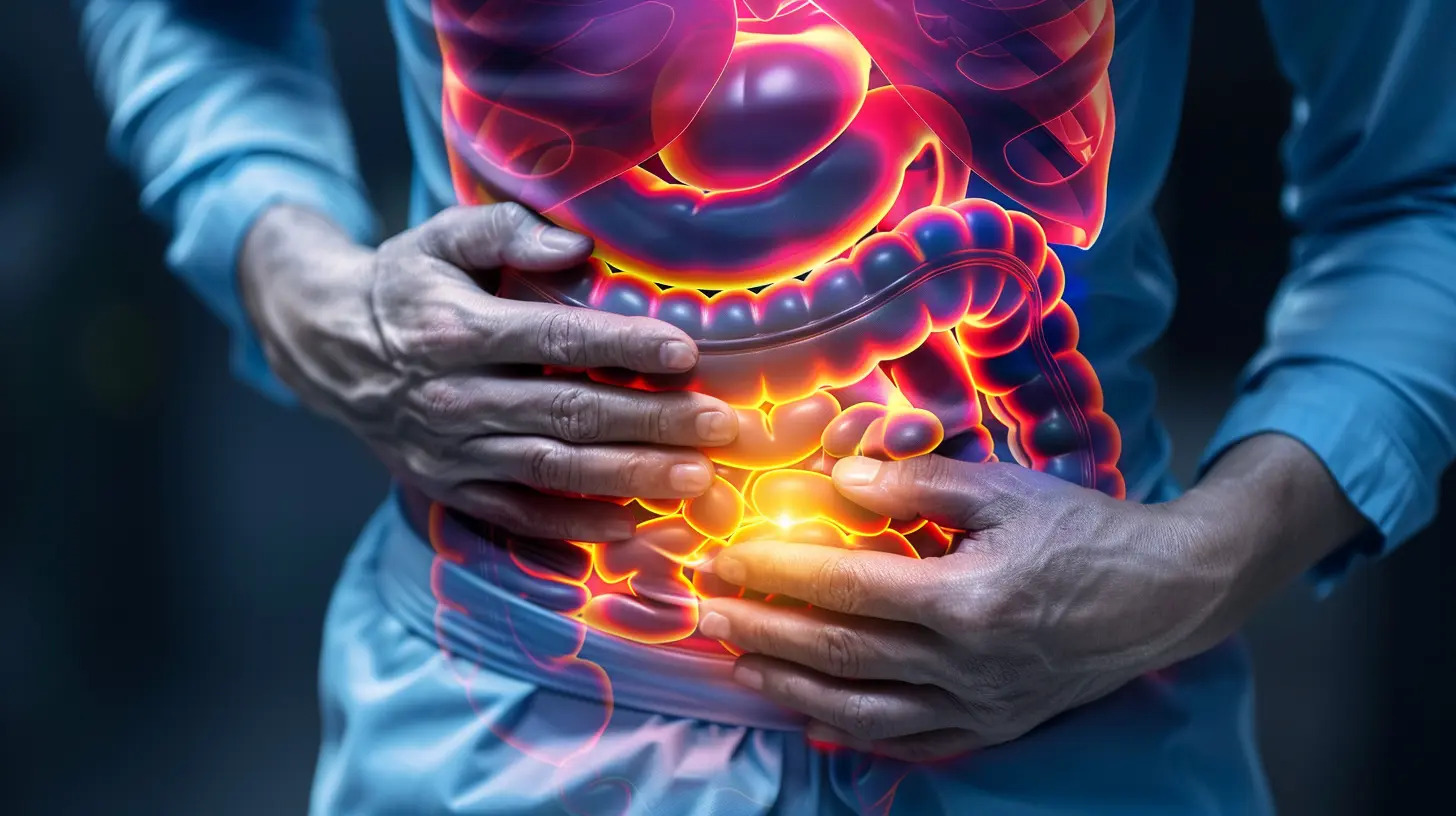
How to Fix Leaky Gut—Your Ultimate Gut-Healing Plan
The good news? Your gut has an incredible ability to heal itself—if you provide it with the right support. Here’s a step-by-step game plan to repair your gut lining and feel better than ever.1. Clean Up Your Diet (It's Time to Say Goodbye to Junk Food!)
First things first—kick inflammatory foods to the curb. That means processed foods, refined sugars, artificial additives, gluten, and excessive dairy should be minimized. Instead, focus on whole, nutrient-dense foods that nourish your gut.2. Eat Gut-Healing Foods
Load up on foods that soothe and strengthen your gut lining:- Bone broth (rich in collagen and amino acids)
- Fermented foods (like sauerkraut, kimchi, and kefir for probiotics)
- Healthy fats (avocados, olive oil, coconut oil)
- Leafy greens and fiber-rich veggies
- Wild-caught salmon and grass-fed beef (for omega-3s)
3. Take Probiotics and Prebiotics
Probiotics replenish the good bacteria in your gut, while prebiotics (found in foods like garlic, onions, and bananas) feed those friendly microbes. Together, they help restore balance in your gut microbiome.4. Reduce Stress (Easier Said Than Done, Right?)
Stress management is KEY to gut health. Try incorporating:- Meditation or deep breathing
- Light exercise like yoga or walking
- More sleep (at least 7-9 hours per night)
- Laughing and socializing with loved ones
5. Support Your Gut With Supplements
- L-Glutamine (helps repair the gut lining)- Zinc (boosts immune function and gut healing)
- Digestive enzymes (aid digestion and reduce bloating)
- Collagen peptides (supports gut integrity)
6. Stay Hydrated and Avoid NSAIDs
Drinking plenty of water flushes out toxins, while avoiding excessive use of NSAIDs and alcohol protects your gut barrier.Wrapping It Up—Your Gut Deserves Some TLC!
Your gut health is the foundation of your overall well-being, and a leaky gut can wreak havoc on your body in ways you may not even realize. The key is to listen to what your body is telling you and take proactive steps to heal and protect your gut lining.By eating the right foods, managing stress, and incorporating gut-supportive habits, you’ll be well on your way to a healthier gut—and a happier you! Remember, fixing your gut isn't an overnight miracle, but with consistency, you CAN repair the damage and thrive.
So, are you ready to give your gut the love it deserves?
all images in this post were generated using AI tools
Category:
Bowel HealthAuthor:

Sophia Wyatt
Discussion
rate this article
1 comments
Jacqueline McKeehan
Informative article, helpful insights on leaky gut.
July 5, 2026 at 4:48 AM
Sophia Wyatt
Thank you! I'm glad you found the insights helpful.