Portion Control Habits That Will Dominate Healthy Living in 2027
16 April 2026
Remember when we all thought the future of food was just meal-replacement shakes and nutrient pills? Yeah, me too. Thankfully, 2027 is shaping up to be far more delicious—and sensible. The buzzword isn’t deprivation; it’s intelligent indulgence. We’re moving past the era of sad, tiny plates and entering a golden age of portion control that’s less about rigid rules and more about seamless, smart habits woven into the fabric of our lives. It’s not a diet; it’s an operating system for your appetite. So, buckle up, fork-friend. Let’s dive into the quirky, tech-savvy, and surprisingly intuitive portion control habits that are about to make counting calories feel as archaic as a flip phone.
The Mindful Munch: Why Your Brain is the Ultimate Portion Tool
Before we get to the cool gadgets and hacks (and trust me, we will), we need to talk about the supercomputer between your ears. In 2027, the most powerful portion control device won’t be in your kitchen drawer; it’ll be your mindset. We’re finally understanding that the how and why we eat are just as critical as the what.The 20-Minute Meal Rule & The Satiety Symphony
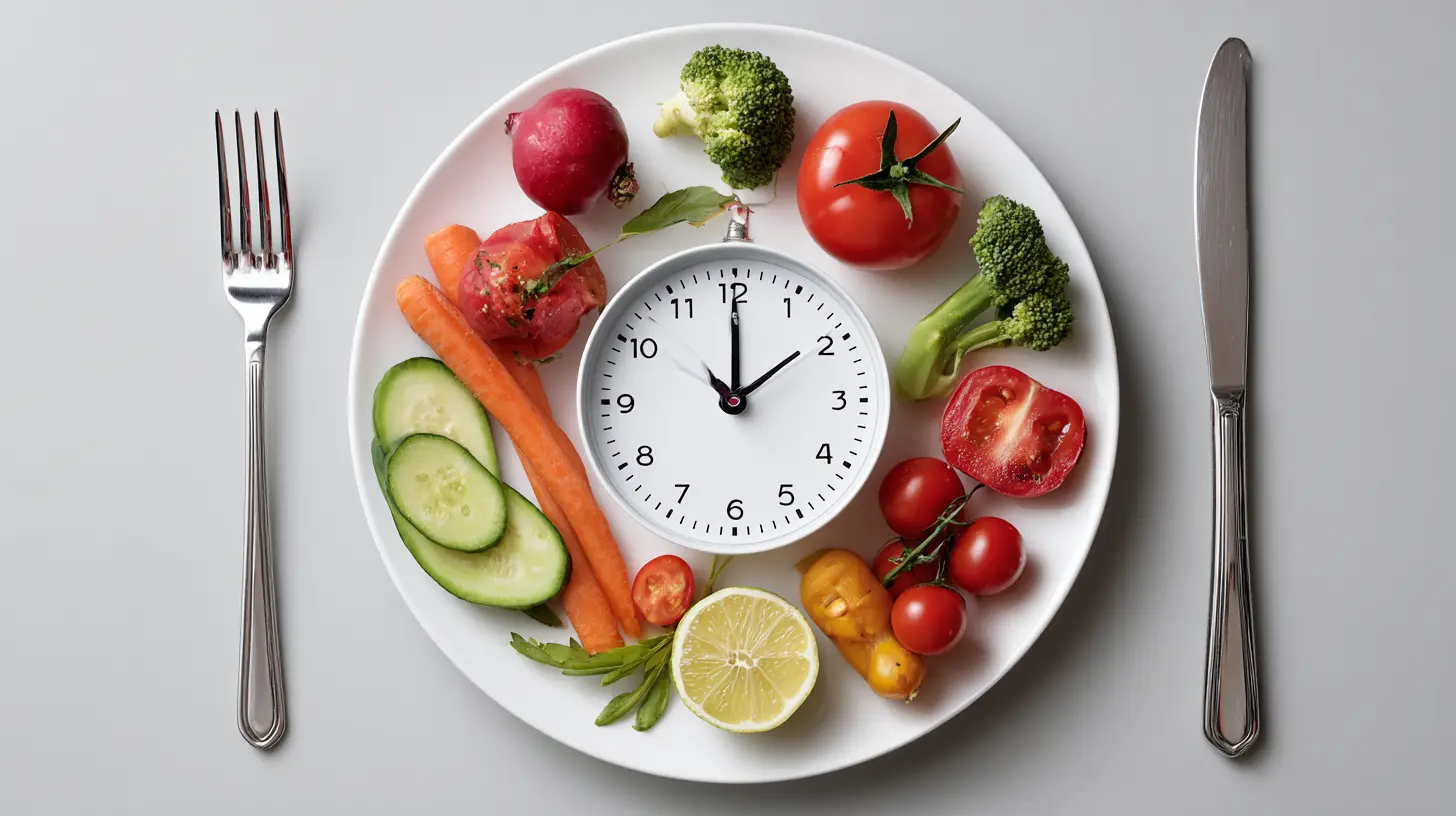
Here’s a fun, slightly weird fact: your stomach is a terrible communicator. It takes about 20 minutes for the “I’m full!” signal (thanks to hormones like leptin and peptide YY) to travel from your gut to your brain. In our current world of speedy lunches, we’ve been finishing our food long before the memo arrives, leading to that all-too-familiar “Why did I eat that whole thing?” regret.The 2027 habit? Treating a meal like a leisurely concert, not a speed race. Put your fork down between bites. Actually taste the food. Have a sip of water. Engage in conversation. This isn’t just polite etiquette; it’s biological hacking. You’re giving your internal satiety symphony time to play its full song, so you naturally stop when you’re satisfied, not stuffed. Think of it as buffering a video—let it load before you hit play on the second helping.
The "Hunger Scale" Reboot: Tuning Into Your Body’s Dial
Forget “eat three square meals a day.” The future is fluid. The dominant habit will be checking in with your personal hunger scale—a 1 to 10 system where 1 is “ravenous, could eat a cardboard box” and 10 is “Thanksgiving-dinner miserable.” The goal in 2027? To start eating at a gentle 3 or 4 and aim to finish at a comfortable 6 or 7.This requires a bit of internal tuning, like adjusting the dial on an old radio to get a clear signal. Before you open the fridge, ask yourself: “Am I actually hungry, or am I bored/stressed/thirsty?” This simple pause, this moment of mindfulness, becomes the most fundamental portion control filter. It stops mindless eating before it starts.
Tech on Your Table: The Silent, Smart Assistants
Okay, now for the fun stuff. Technology in 2027 won’t yell at you for taking an extra chip. It will gently, quietly guide you with a nudge, not a shove.AI-Powered Plateware: The Bowl That Gently Says "Whoa"
Imagine your favorite bowl or plate subtly changing color. Not a dramatic flash, but a soft, ambient glow that shifts from blue to a gentle orange as you reach a pre-set, personalized portion limit. This is not science fiction; it’s the logical next step from smart scales. These connected dishware items sync with an app that learns your nutritional goals, meal timing, and even your activity level that day. It’s a visual, non-confrontational cue—a friendly tap on the shoulder from your future kitchen. It turns portion control from a mental math problem into an intuitive, visual art.The "Fridge-Cam" & Inventory Autopilot
Food waste and over-shopping are portion control’s sneaky enemies. In 2027, smart fridge cameras with AI recognition will do more than just show you an expired milk carton. They’ll become your kitchen’s chief logistics officer. They’ll track what you actually eat, learn your patterns, and even suggest recipes based on what needs to be used up, automatically creating perfectly portioned shopping lists.The habit here is reactive cooking instead of prescriptive cooking. You’re not forcing a recipe; you’re responding to what you have, which naturally leads to more balanced, controlled meals and less impulse “let’s just order a pizza” because you think there’s nothing to eat. Your fridge becomes a strategic partner in healthy living.
The Renaissance of the "Food as Fuel" Philosophy (But Way Cooler)
The sterile idea of “food as fuel” is getting a much-needed, vibrant makeover. In 2027, we’ll understand that high-quality fuel requires precise portions for optimal performance.Macro-Based Modular Meals
Gone are the days of guessing what a “palm-sized” portion of protein looks like. The habit will be building meals like a Lego set, based on your unique macronutrient (protein, carbs, fats) targets. Meal prep services and even grocery store fresh sections will offer pre-portioned “modules”—a perfectly measured cup of roasted sweet potato cubes, a 4-oz grilled chicken block, a 2-tablespoon pouch of lemon-tahini dressing.You grab a protein, a complex carb, a healthy fat, and a veggie module. Assemble. Enjoy. It takes the guesswork out and makes hitting your nutritional and portion goals as easy as, well, playing with Legos. This modularity empowers flexibility without sacrificing control.
The Snackification of Everything (The Right Way)
Three big meals? That’s so 2023. The future is leaning into intentional grazing—having 4-6 smaller, perfectly portioned “mini-meals” or snacks throughout the day. This isn’t mindless munching; it’s a strategic habit to keep blood sugar stable, energy high, and hunger hormones from throwing a tantrum.The key will be the intentional part. In 2027, your snack drawer at work or home won’t be a free-for-all. It’ll be stocked with pre-portioned containers of almonds, individual hummus cups with veggie sticks, or single-serving packets of nut butter. The habit is planning your snacks with the same respect as your meals, making the healthy, portion-controlled choice the easy, default choice.
The Social & Environmental Shift: Portion Control Gets a Community
Habits don’t exist in a vacuum. The world around us in 2027 will make portion control the path of least resistance.The Downsize Movement in Dining
Restaurant menus in 2027 will likely feature a “Small Plate Symphony” section just as prominently as the mains. The social norm will shift from “getting the biggest bang for your buck” to “experiencing the perfect taste.” Sharing multiple smaller dishes will be the default for group dining. Even takeout containers will be designed for proper single portions, with clever compartments that visually guide balance. The environmental push against waste will dovetail perfectly with this—why pay for and waste food you don’t need?The "Half-Plate Hero" Becomes Mainstream Culture
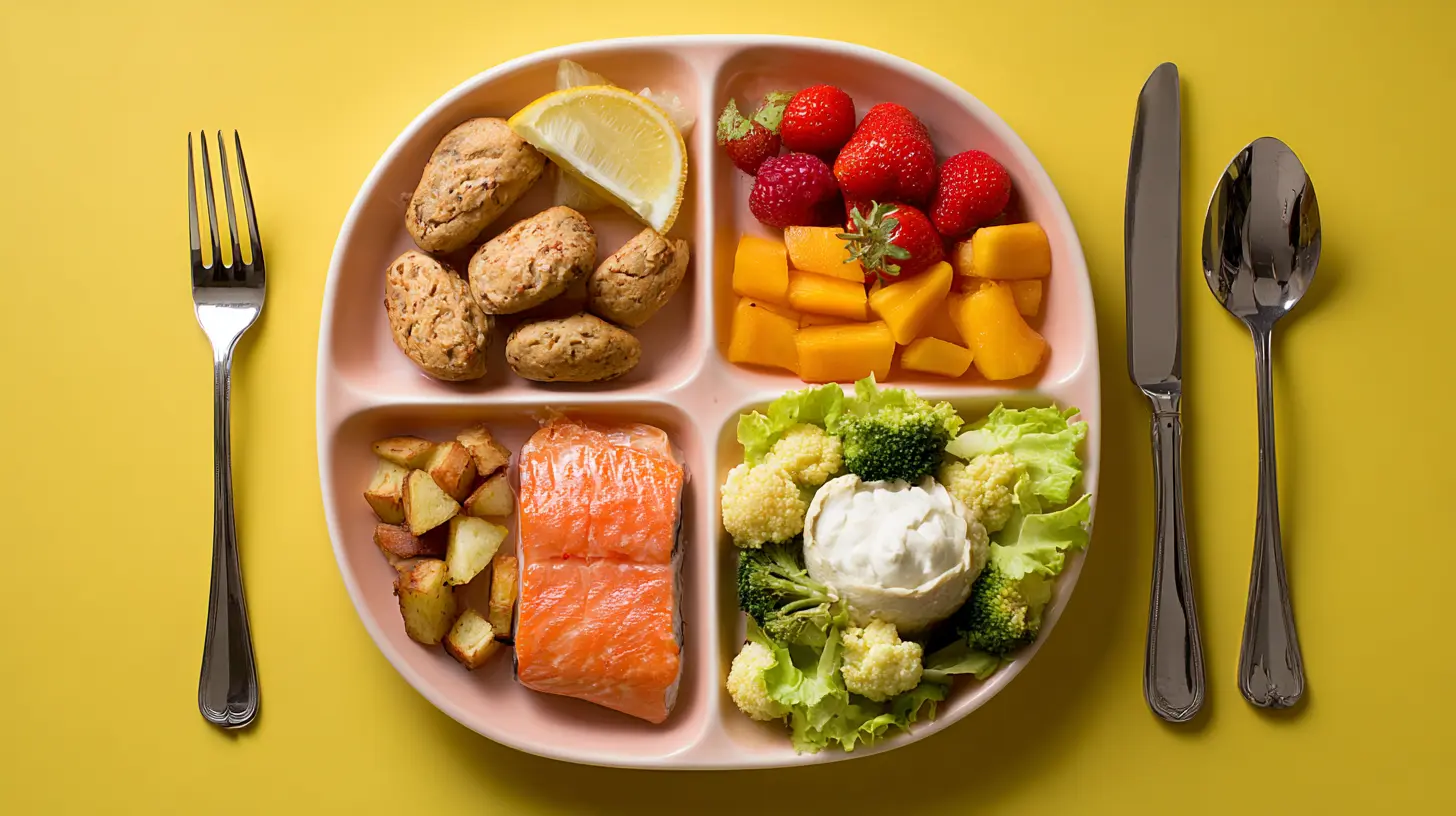
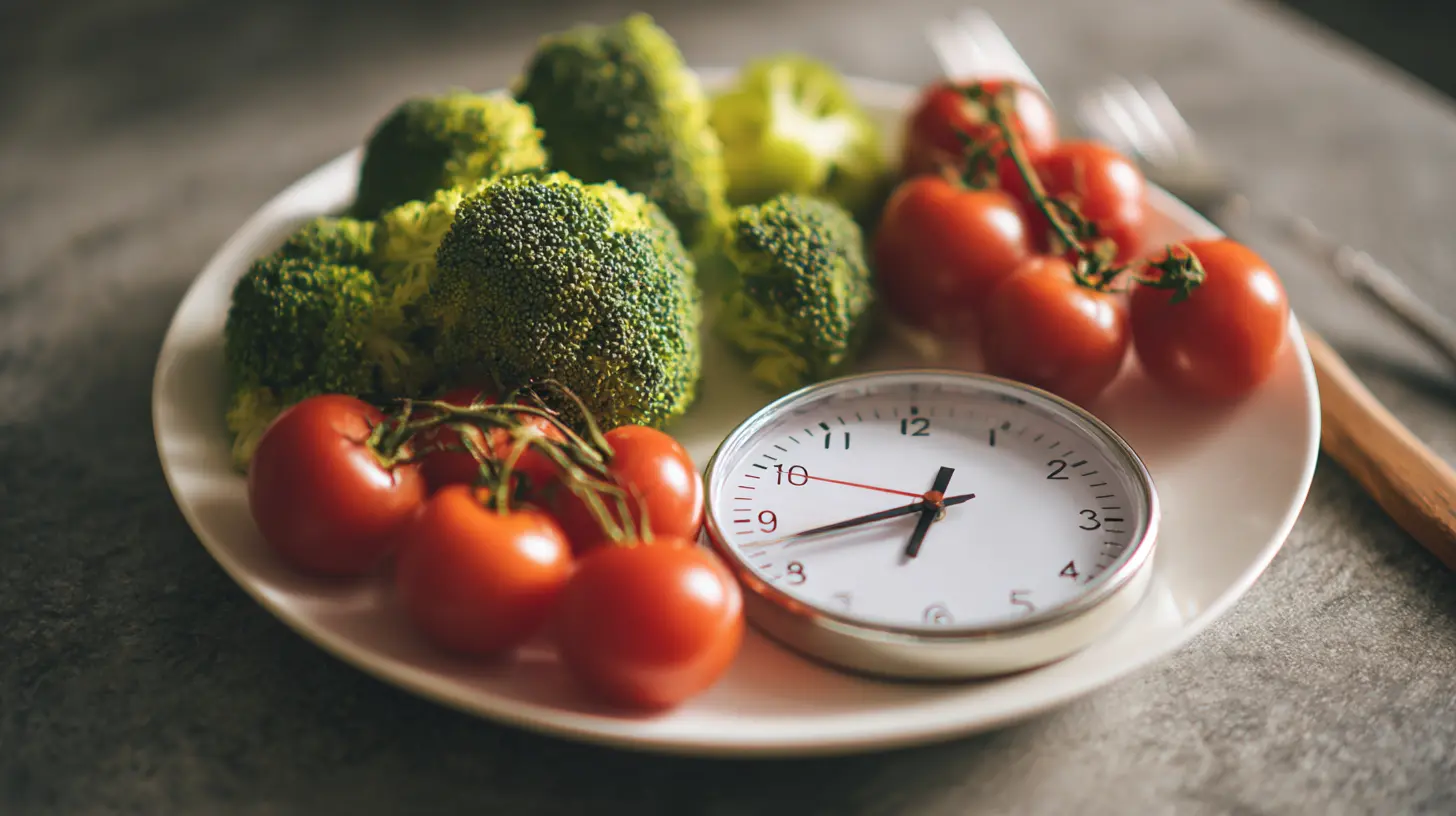
The simple, powerful visual of making half your plate non-starchy vegetables will evolve from a dietitian’s tip to a cultural meme. Social media (#HalfPlateHero, anyone?), cooking shows, and food packaging will all reinforce this effortless framework. It’s a habit that requires no measuring cups, no apps—just your eyes. When half your real estate is dedicated to low-calorie, high-volume, nutrient-dense veggies, the portions of everything else naturally find their balance. It’s portion control through elegant plate geography.Your Kitchen’s New Best Friends: Low-Tech Hacks That Never Die
Amidst all the AI and smart tech, some timeless, low-fi habits will remain absolutely dominant because they just work.The Power of the Pre-Plate
This is the golden rule. Never, ever eat straight from the bag, box, or serving dish. The 2027 habit is to always pre-portion your food onto a plate or into a bowl before you start eating. This single action creates a psychological finish line. You see the entirety of what you’re going to eat, your brain registers it as a “meal,” and you’re far less likely to go back for unconscious seconds. Eating chips? Pour a handful into a small bowl, put the bag away, and then start. It’s a tiny ceremony that builds massive awareness.The Illusion of the "Big Small"
We eat with our eyes first. Using smaller plates (9-10 inches instead of 12-13 inches) and tall, slender glasses creates a powerful visual illusion. A full small plate looks like a lot of food, satisfying our brain’s desire for abundance. A large plate makes the same amount of food look skimpy, triggering a feeling of deprivation. In 2027, the standard dinner plate in a health-conscious home will be smaller. It’s a simple, cheap, and profoundly effective hack that works on autopilot.The Leftover Lottery: Cook Once, Eat Twice (Correctly)
Batch cooking will still be huge, but with a twist: immediate portioning. The habit isn’t just to cook a big pot of chili; it’s to immediately portion it into single-serving containers before you even sit down for your first bowl. This does two things: it locks in perfect portions for future “you,” and it prevents present “you” from having that giant pot on the stove, inviting unlimited refills. It’s like paying your future self a delicious, nutritious dividend.
Conclusion: The 2027 Portion Philosophy
So, what’s the overarching theme for the portion control habits dominating 2027? Effortless Intention. It’s the marriage of smart technology that handles the math, with a mindful mindset that handles the meaning. It’s about creating an environment—both in your kitchen and in your head—where the healthy, portion-aware choice is the easiest, most satisfying choice.We’re moving away from willpower and towards wisdom-power. It’s not about fighting your cravings; it’s about outsmarting the situations that create them. By 2027, portion control won’t feel like a chore on the path to healthy living. It will simply be the way we live—savvy, satisfied, and sustainably nourished, one perfectly sized, delicious bite at a time.
all images in this post were generated using AI tools
Category:
Portion ControlAuthor:

Sophia Wyatt
Discussion
rate this article
2 comments
Craig Turner
Embracing portion control is essential for sustainable healthy living. In 2027, focus on mindful eating, using smaller plates, and understanding serving sizes. These habits not only aid weight management but also enhance your relationship with food, fostering a balanced lifestyle for the future.
April 18, 2026 at 4:13 PM
Sophia Wyatt
I completely agree. Mindful eating and portion control are game changers for a healthier relationship with food. Excited to see these habits take center stage in 2027!
Azurael Morales
Implementing effective portion control is essential for sustainable healthy living. As we look towards 2027, adopting mindful eating habits and utilizing visual cues can significantly enhance our ability to maintain a balanced diet and overall wellness.
April 16, 2026 at 4:40 AM
Sophia Wyatt
Thank you for your insight! Mindful eating and visual cues are indeed key strategies for achieving sustainable healthy living.