Why Portion Control Is More Important Than Ever in a Digital Food Era
23 September 2026
Food has never been more available, more photographed, more advertised, or more engineered for craving than it is today. At the same time, the cues that once told us when to stop eating have quietly weakened. Portion control, which used to happen almost automatically through the size of a bowl, the cost of a second helping, or the simple fact that the kitchen closed at night, now requires conscious effort. That shift is the reason this topic deserves fresh attention rather than the tired "eat less, move more" framing it usually gets.
This article looks at why portion control matters more in a digital food environment, how modern food cues distort intake, and how to build a practical system that survives real life. It also covers where portion control works well, where it fails, and how to combine it with other approaches so you are not fighting your own biology with willpower alone.
What Portion Control Actually Means
Portion control is not starvation, and it is not the same as a diet. It is the practice of deciding how much you eat at a given sitting, ideally before you start eating, rather than letting the environment decide for you.It helps to separate three related ideas that people often blur together:
- Serving size: A standardized amount used on nutrition labels. It is a reference number, not a recommendation for you personally.
- Portion size: The amount you actually put on your plate or eat in one sitting.
- Portion control: The deliberate management of that portion size over time.
A common misconception is that portion control means measuring everything forever. In practice, experienced practitioners use measurement as a training tool, then shift to visual and habitual cues once their internal calibration improves. The goal is not precision for its own sake. The goal is to make the right amount feel normal.
Why the Digital Food Era Changed the Rules
The phrase "digital food era" refers to the way food now reaches us through screens before it reaches us through our hands. That includes delivery apps, short-form cooking videos, influencer mukbangs, restaurant photography, targeted advertising, and algorithmic feeds that learn what makes you hungry.Several forces converge here, and each one erodes portion control in a different way.
Food is visible constantly, and visibility drives desire
Appetite is partly a response to cues, not just to energy needs. Seeing food, smelling it, or even reading about it can trigger wanting before hunger is present. In the past, those cues were mostly limited to the kitchen, the market, or a restaurant. Now they arrive in your pocket dozens of times a day. Each exposure is small, but the cumulative effect is a background hum of food thoughts that makes spontaneous eating more likely.Delivery apps removed the friction that used to regulate intake
Ordering takeout once required leaving the house, waiting, paying in person, and often sharing. Delivery apps compress that entire sequence into a few taps. Friction is not inherently good, but it did function as a natural brake. When the brake disappears, the decision to eat becomes easier to make impulsively, and the portion that arrives is usually set by the restaurant, not by you.Restaurant and delivery portions have grown independently of need
Many restaurant meals are built for perceived value, not for physiological appropriateness. A single delivery order often contains enough food for two or three eating occasions. If you treat the container as one serving, you are implicitly accepting a portion decision made by a business whose incentives are not aligned with your appetite.Video and social media normalize large quantities
Cooking videos, eating challenges, and "what I eat in a day" content can recalibrate what feels like a normal amount. This is not about blaming creators. It is about the basic fact that repeated exposure to large portions shifts your reference point. If everyone around you is eating a certain volume, that volume starts to feel standard, even when it is far above what your body needs.Personalization makes advertising harder to ignore
Recommendation systems learn your preferences and weaknesses. They do not show you random food. They show you the food you are most likely to respond to, at the times you are most likely to respond. That is a fundamentally different environment from a billboard, which is easy to ignore because it is not tailored to you.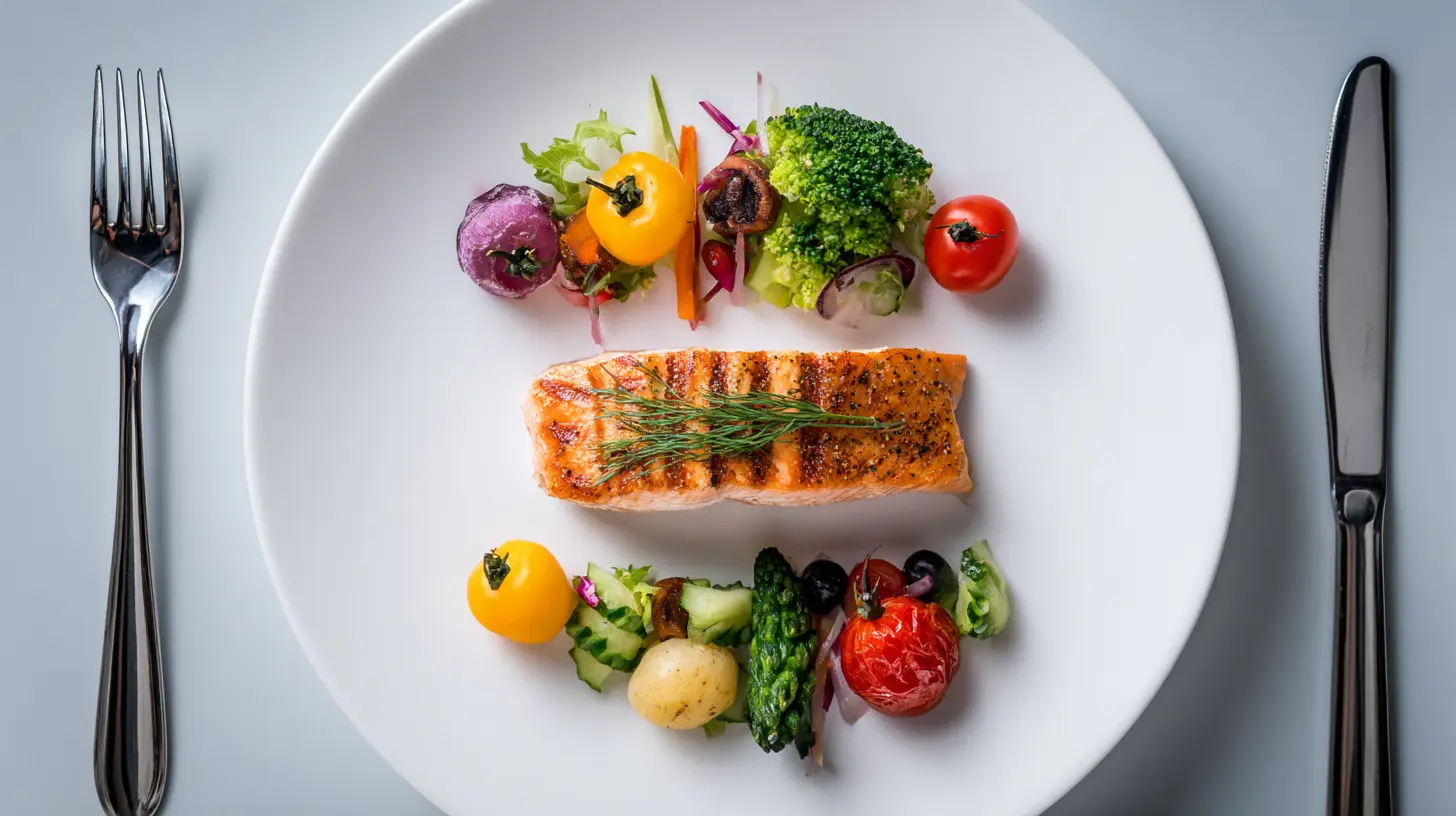
The Physiology Behind Portion Size
Portion control is not just psychology. It interacts with real biological systems, and understanding those systems explains why some strategies work and others backfire.Stretch receptors and gastric emptying
Your stomach has stretch receptors that signal fullness as it expands. Larger portions stretch the stomach more, which can increase satiety in the short term. However, chronic overeating can blunt these signals over time, meaning you need more volume to feel the same fullness. This is one reason portion sizes tend to creep upward rather than reset on their own.Hormonal satiety signals lag behind eating speed
Hormones such as GLP-1 and peptide YY contribute to fullness, but they rise gradually during a meal. If you eat quickly, you can consume a large portion before these signals catch up. This is why eating speed matters as much as portion size. A moderate portion eaten slowly often produces more satisfaction than a large portion eaten in a hurry.Palatability overrides fullness
Highly palatable foods, especially those combining fat, sugar, and salt, can override normal satiety cues. This is sometimes called hedonic eating. You can feel full and still want more because the reward system is responding to flavor, not to energy need. In a digital food environment, highly palatable food is precisely what gets promoted most aggressively.Calorie density versus volume
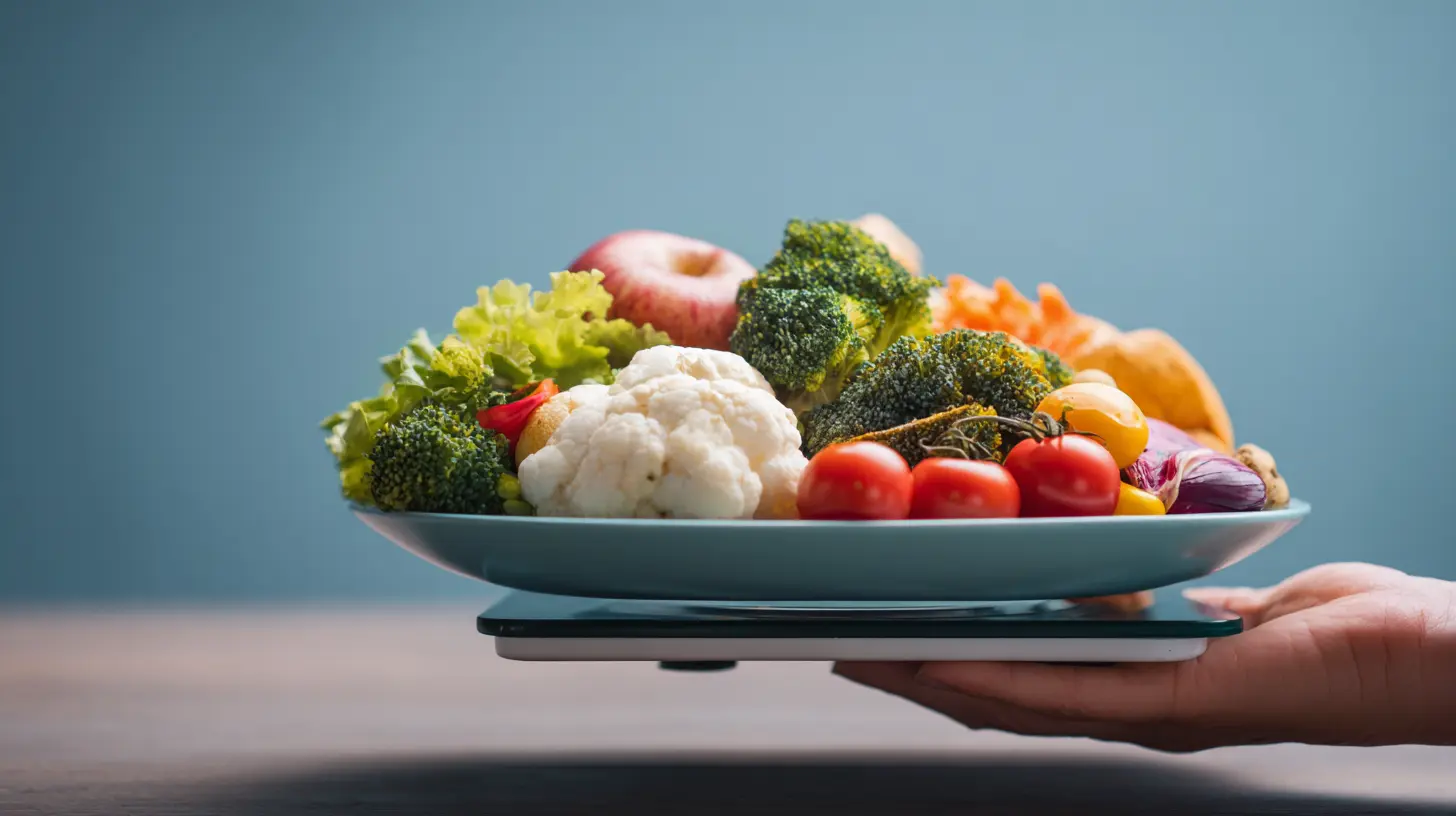
Two meals can contain the same calories but very different volumes. A small pastry and a large salad might be roughly equivalent in energy, but the salad fills your stomach more. Portion control that ignores calorie density can leave you either overfed or unnecessarily hungry. The practical takeaway is to consider both the size and the composition of the portion.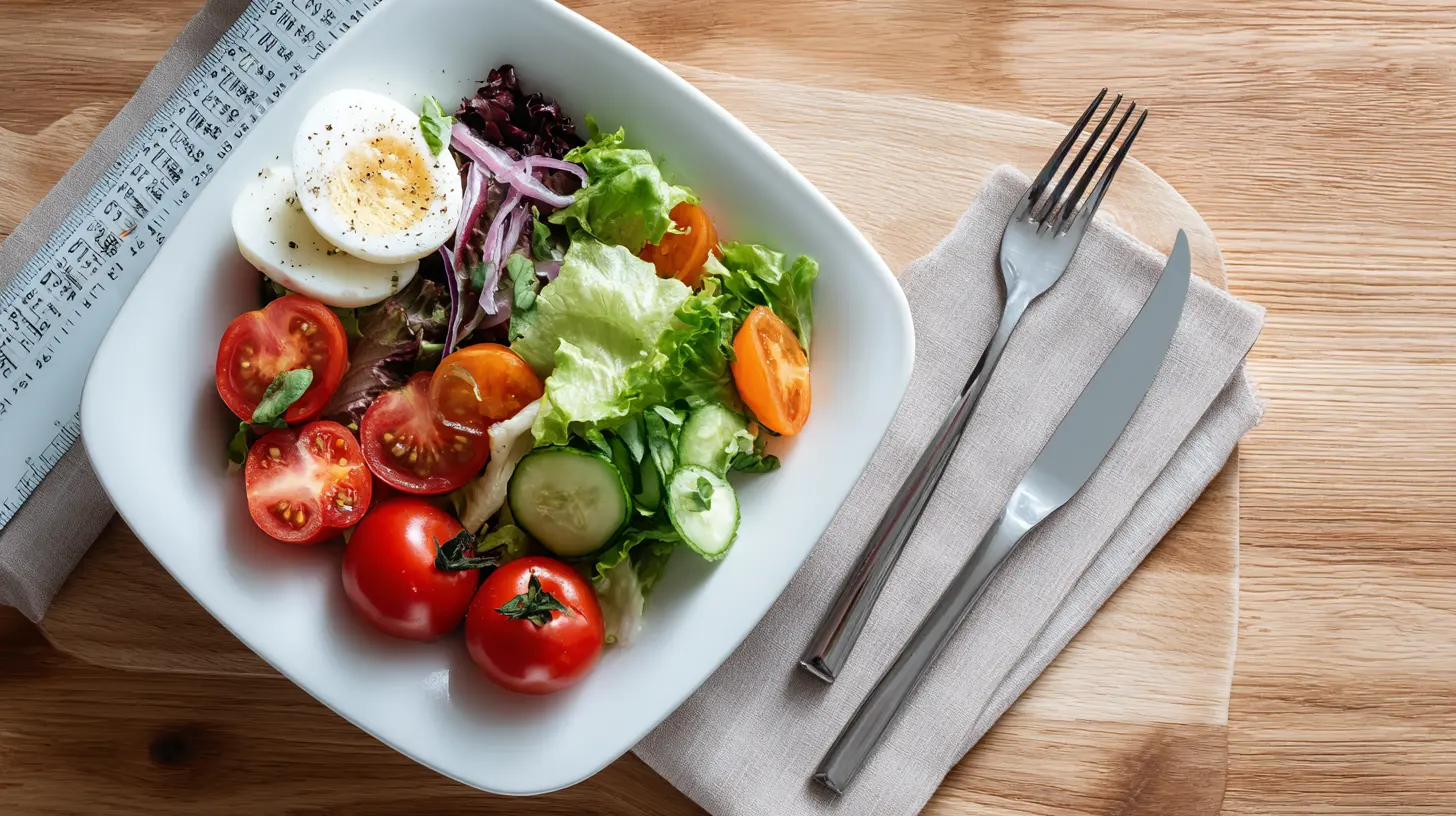
Why Portion Control Matters More Now Than in the Past
It is fair to ask whether portion control is genuinely more important today or whether this is nostalgia for a simpler time. Several structural changes suggest the concern is legitimate.The default portion is no longer set by you
When you cook at home, you decide how much goes on the plate. When you order delivery, the restaurant decides. When you buy a packaged snack, the manufacturer decides. Over time, more of your eating occasions have shifted toward portions designed by someone else, and those portions are usually larger than what you would serve yourself.Snacking has expanded into a fourth meal
Food is now marketed for nearly every hour of the day. The line between a snack and a meal has blurred, which means many people eat four or five substantial eating occasions instead of three. Portion control is the only realistic way to manage total intake when the number of eating occasions rises.Liquid calories are easy to overlook
Coffee drinks, smoothies, juices, and sodas can carry significant energy without producing much fullness. Because they do not require chewing and pass through the stomach quickly, they are a classic blind spot. Portion control applies to drinks as much as to food.Home environments contain more food than ever
Pantry stocking, bulk buying, and online grocery delivery mean many homes hold more food than at any point in history. Abundance is generally positive, but it changes the effort required to eat. When food is always within reach, portion decisions happen more often, and each one is an opportunity to overeat.Portion Control Versus Other Approaches
Portion control is one tool among several. It is worth comparing it honestly with alternatives so you can choose based on your situation rather than ideology.Portion control versus calorie counting
Calorie counting gives you precise data and works well for people who enjoy numbers and tracking. Its weakness is sustainability. It demands ongoing attention and can become obsessive. Portion control is less precise but easier to maintain because it relies on habits and visual cues. Many people do best by using calorie tracking briefly to calibrate, then transitioning to portion-based habits.Portion control versus intermittent fasting
Fasting reduces the number of eating windows, which can naturally reduce total intake. However, it does not guarantee portion control within those windows. Someone who fasts all day and then eats a very large evening meal may end up with the same intake as before. The two approaches combine well: fasting sets when you eat, portion control sets how much.Portion control versus intuitive eating
Intuitive eating aims to restore trust in internal hunger and fullness cues. It is valuable, especially for people recovering from restrictive dieting. Its limitation is that those cues are often distorted in a food environment engineered to override them. Portion control can act as a temporary scaffold while internal signals recalibrate. The two are not enemies. They operate on different timelines.Portion control versus macro tracking
Macro tracking is useful for athletes and people with specific body composition goals. It is detailed and effective but demanding. Portion control is a simpler layer that can sit underneath macro tracking or replace it entirely for general health.
Practical Strategies That Actually Work
The strategies below are ordered roughly from easiest to most involved. You do not need all of them. Pick two or three, apply them consistently, and adjust based on results.Use smaller plates and bowls
This is one of the most reliable environmental changes. A given amount of food looks larger on a smaller plate, which influences perceived fullness. The effect is modest but consistent, and it costs nothing. Be aware that this works best when you are serving yourself. It does little if the portion is pre-set by a restaurant.Pre-portion snacks instead of eating from the package
Eating directly from a bag or box removes visual feedback about how much you have consumed. Pouring a portion into a bowl creates a natural endpoint. This is not about restriction. It is about making the amount visible.Serve from the kitchen, not the table
Family-style serving at the table makes second and third helpings effortless. Plating food in the kitchen and bringing only the plate to the table adds a small amount of friction to refills. That friction is often enough to interrupt automatic eating.Slow down the first five minutes
Satiety signals need time. Putting your fork down between bites, drinking water, or pausing midway through the meal can allow fullness to register before you decide whether you want more. This is not a trick. It is working with your physiology instead of against it.Build meals around volume and protein
High-volume foods like vegetables and high-protein foods like lean meat, fish, eggs, legumes, and dairy tend to increase satiety per calorie. A meal built this way lets you eat a satisfying portion without a large energy load. This is one of the most durable strategies because it improves satisfaction rather than reducing it.Pre-portion delivery and takeout immediately
When a delivery order arrives, divide it before you start eating. Put the excess on a plate and refrigerate it. This converts a restaurant portion into two or three reasonable portions. It also reduces the likelihood of grazing from the container later.Be deliberate about drinks
Decide in advance whether a drink is a treat or a thirst quencher. If it is a treat, portion it accordingly and enjoy it. If it is for hydration, choose something without significant energy content. The distinction prevents liquid calories from accumulating unnoticed.Use the plate method as a default
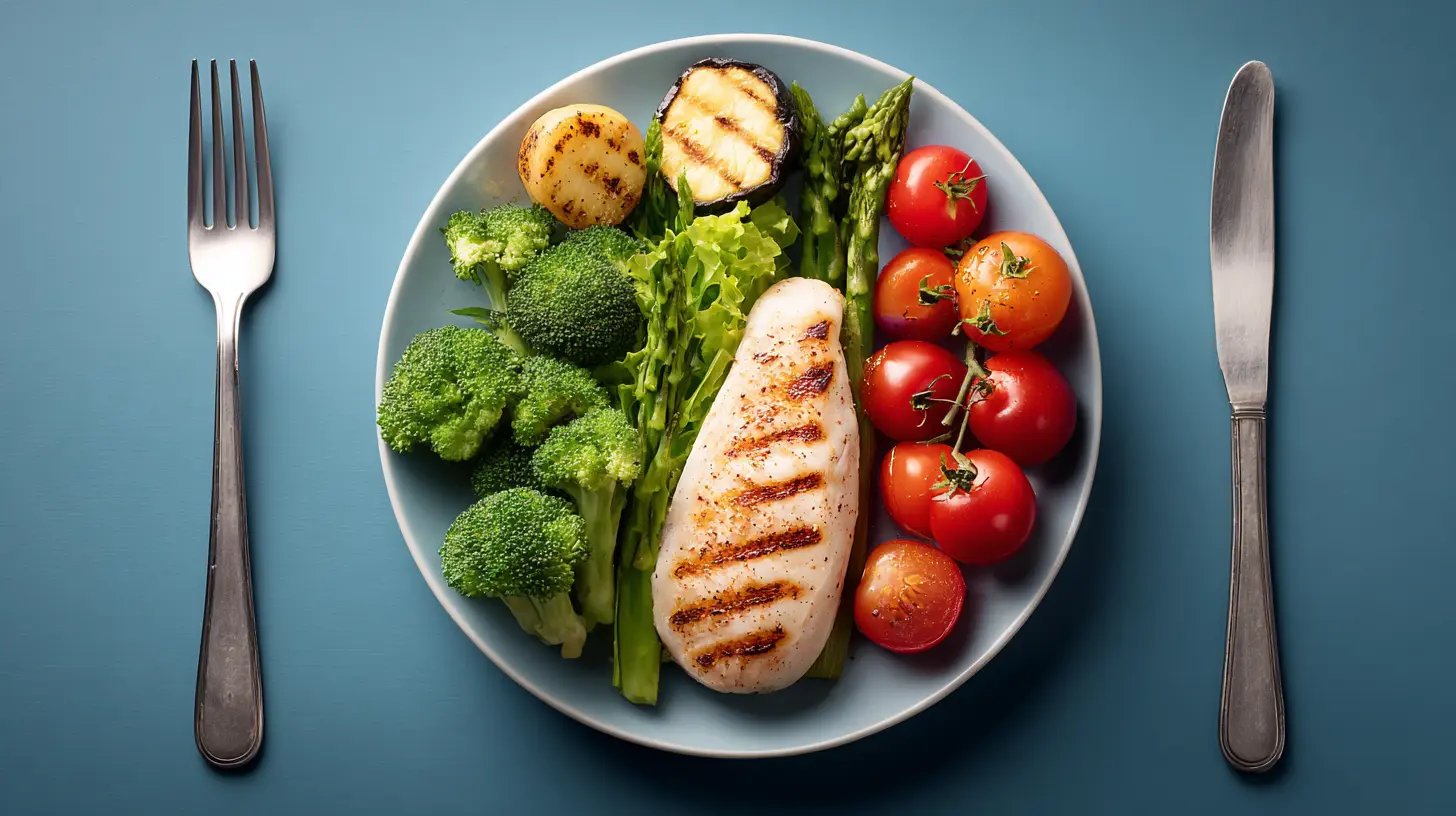
A simple visual framework: fill half the plate with vegetables, a quarter with protein, and a quarter with a starch or grain. This is not a rigid rule, but it provides a fast way to build a balanced portion without measuring. It works well in restaurants and at home.Track occasionally, not forever
Periodic tracking, even for a few days, can reveal where portions have drifted. Most people are surprised by how much oil, dressing, or snacking has crept in. Use tracking as a diagnostic tool, then return to habits.Common Mistakes and Misconceptions
Portion control is simple in concept and easy to get wrong in practice. These are the errors that show up most often.Mistaking portion control for restriction
Eating too little at meals leads to hunger, which leads to snacking, which often leads to overeating later. The goal is a portion that satisfies you until the next meal, not the smallest possible amount.Ignoring calorie density
A small portion of a calorie-dense food can contain more energy than a large portion of a low-density food. Portion size alone is not enough information. Consider what the portion is made of.Applying the same portion to everyone
Portion needs vary with body size, activity level, age, and health status. A portion that works for a sedentary office worker may be inadequate for someone training for a marathon. Treat general guidelines as starting points, not prescriptions.Relying on willpower instead of environment
Willpower is a limited resource that fluctuates with stress, sleep, and mood. Environmental design is more reliable. If the cookies are on the counter, you will eventually eat them. If they are on a high shelf, you will eat them less often.Measuring forever
Precision has a cost. If every meal requires a scale and an app, the system becomes fragile. Use measurement to learn, then trust your calibration.Forgetting about weekends and social eating
Many people control portions during the week and abandon the effort on weekends. Over time, that pattern can offset weekday progress. This does not mean you cannot enjoy social meals. It means being intentional about them rather than treating them as free.Overcorrecting after a large meal
One large meal does not require compensation. Skipping the next meal or punishing yourself with extra exercise tends to create a restrict-binge cycle. Return to normal portions at the next meal and move on.
Special Situations Worth Considering
Portion control looks different depending on your circumstances. A few examples illustrate the range.Athletes and highly active people
Athletes often need larger portions to support training and recovery. For them, portion control is about timing and distribution rather than reduction. Spreading intake across the day and around training sessions matters more than shrinking meals.People with diabetes or metabolic conditions
Portion size interacts directly with blood glucose. For these individuals, portion control is often a clinical tool used alongside carbohydrate awareness. Working with a healthcare provider or registered dietitian is important because general advice may not fit.Children and adolescents
Children have different energy needs and are still developing their relationship with food. Rigid portion rules can backfire. A better approach is to offer structured meals and snacks, provide a variety of foods, and let children decide how much they eat from what is offered.Older adults
Appetite often declines with age, and some older adults are at risk of undereating rather than overeating. Portion control in this context may mean ensuring adequate protein and energy, not reducing them.People recovering from disordered eating
For anyone with a history of disordered eating, portion control can be a trigger. In these cases, working with a qualified professional is not optional. The goal shifts toward rebuilding trust with food rather than managing it externally.How to Make Portion Control Stick
Knowledge is not the bottleneck for most people. Consistency is. These principles improve the odds that a portion control habit survives contact with real life.Start with one meal
Changing every meal at once is overwhelming. Pick the meal where overeating is most likely, often dinner or evening snacking, and focus there first. Once that feels automatic, expand.Anchor new habits to existing routines
Attach a new behavior to something you already do. If you always make coffee in the morning, use that moment to plan the day's meals. If you always unpack groceries, use that moment to pre-portion snacks. Anchoring reduces the need for reminders.Expect drift and plan for it
Portions creep back up during stressful periods, holidays, and travel. This is normal. The skill is noticing the drift and returning to basics without drama. A brief return to measuring or the plate method is usually enough to reset.Judge by outcomes, not by perfection
The relevant question is whether your approach is moving you toward your goals over weeks and months. A single off day is noise. A consistent pattern is signal. Track something simple, such as energy levels, hunger between meals, or how clothes fit, rather than obsessing over daily numbers.Prioritize sleep and stress management
Poor sleep and high stress increase appetite and preference for calorie-dense food. Portion control is much harder when these foundations are weak. Addressing them is not a distraction from portion control. It is part of it.
A Balanced View
Portion control is not a cure-all, and it is not the only thing that matters. Food quality, meal timing, sleep, stress, activity, and social context all influence health. Someone who eats mostly whole foods with reasonable portions will generally do better than someone who eats processed food in small portions, and vice versa in some cases.The case for emphasizing portion control now is not that it replaces other principles. It is that the modern food environment has made portion decisions harder to make well, and that gap has real consequences. Restoring conscious control over how much you eat is one of the highest-leverage changes available, because it works with almost any dietary pattern and requires no special products or programs.
The most sustainable approach is usually a hybrid: use portion control to manage the amount, use food quality to manage satiety and nutrition, use sleep and stress management to manage appetite, and use flexibility to manage real life. None of these needs to be perfect. They need to be consistent enough to compound over time.
all images in this post were generated using AI tools
Category:
Portion ControlAuthor:

Sophia Wyatt