Understanding Portion Control for Weight Loss Success
16 May 2026
When it comes to losing weight, most people focus on what they eat. But here's the thing—how much you eat is just as important. Portion control is an essential skill that can help you manage calories, prevent overeating, and build healthier eating habits without feeling deprived.
If you’ve ever found yourself wondering why you’re not losing weight despite eating healthy foods, portion sizes might be the missing puzzle piece. Let’s dive deep into portion control, why it matters, and how you can use it to achieve weight loss success.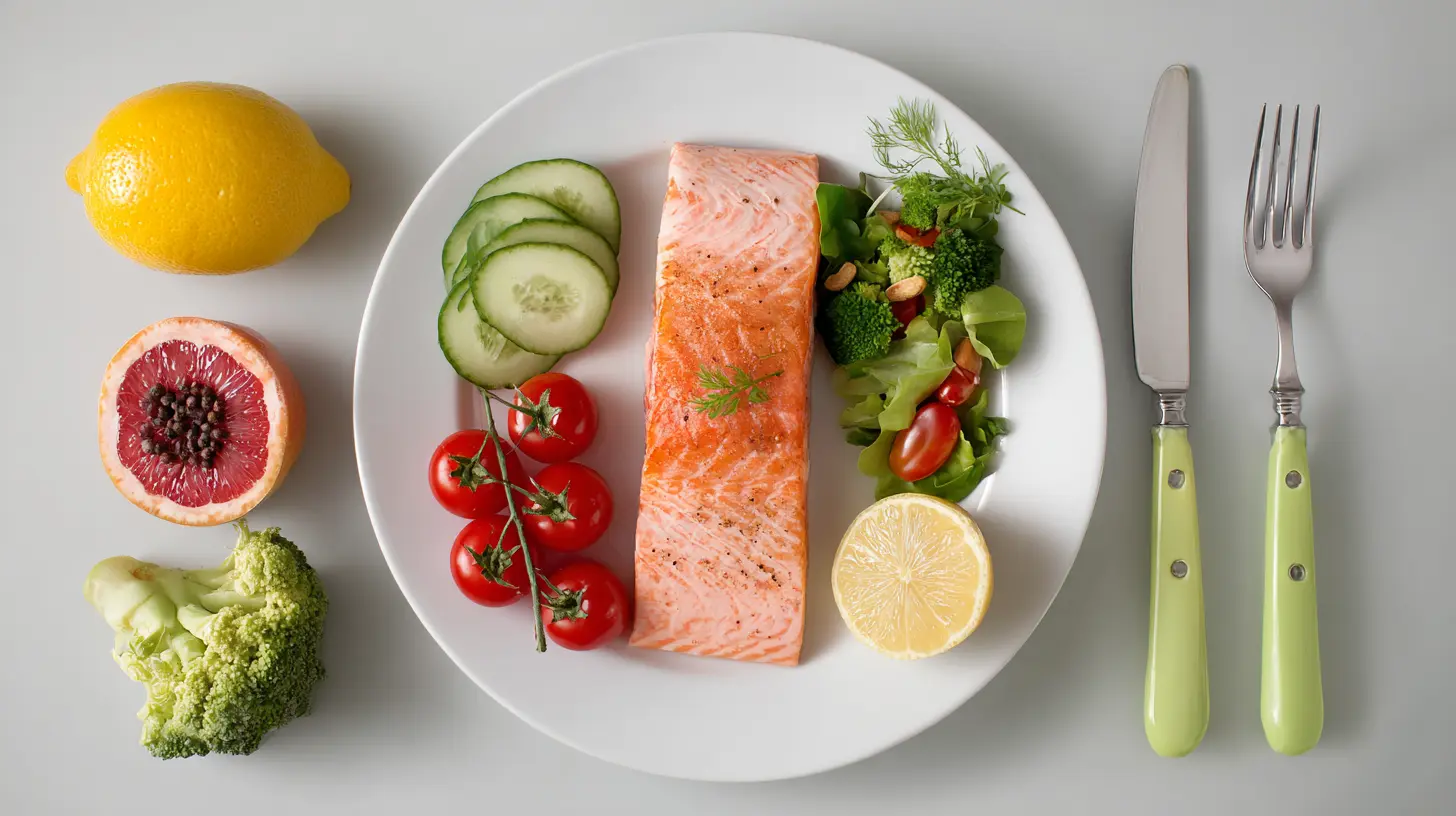
What is Portion Control?
At its core, portion control is about eating the right amount of food—not too much, not too little. It helps ensure you're consuming the right balance of calories that your body needs without overindulging.Portion vs. Serving Size—What's the Difference?
Many people confuse portion size with serving size, but they are different:- Serving Size is the standardized amount of food listed on nutritional labels (e.g., one cup of rice or eight ounces of milk).
- Portion Size is the actual amount of food you choose to eat in one sitting—which can be more or less than the serving size.
For instance, if you pour yourself a big bowl of cereal in the morning, chances are, it's more than the recommended serving size. This is where portion control comes in—to help you eat mindfully rather than mindlessly.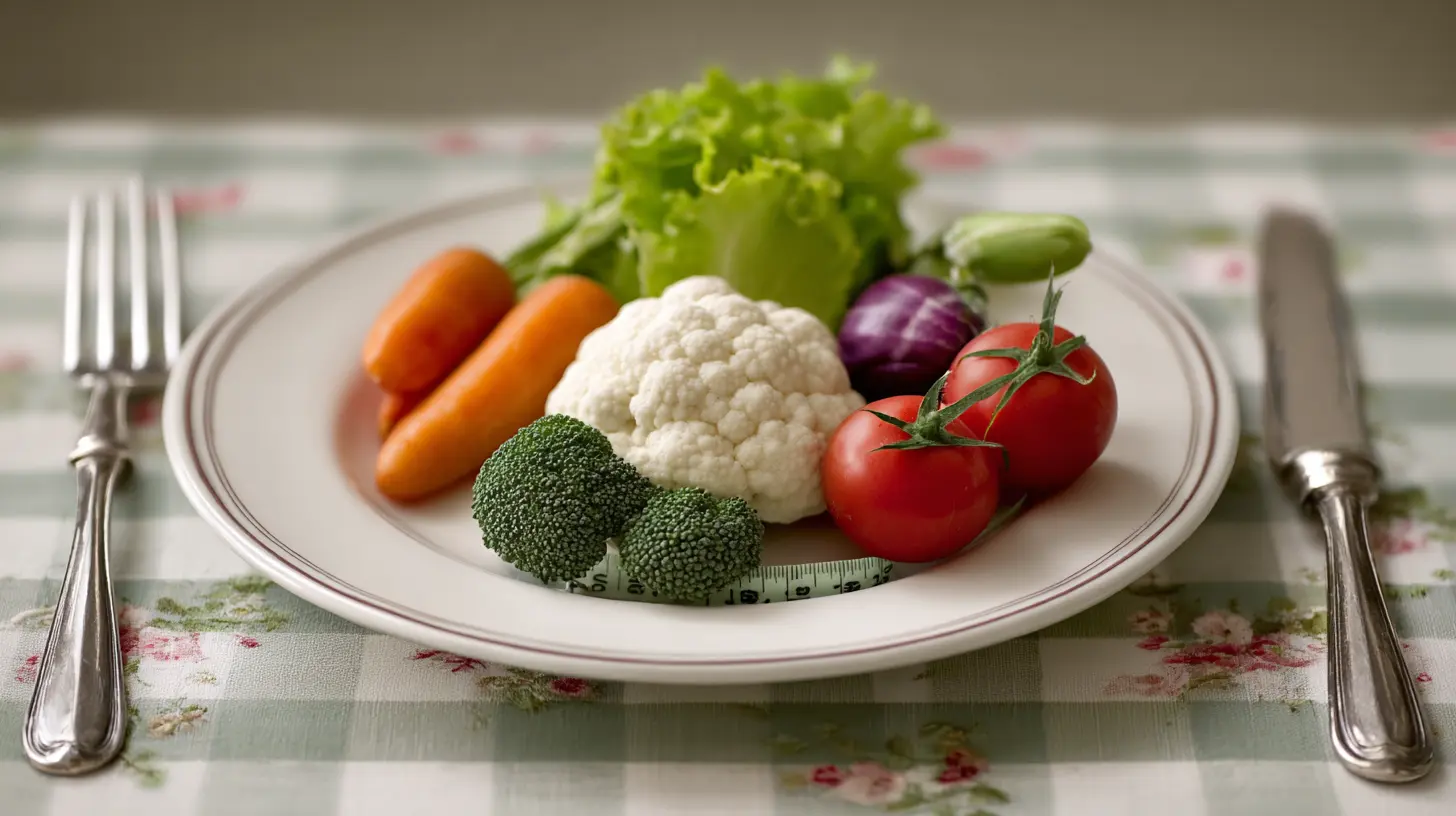
Why Portion Control is Crucial for Weight Loss
1. Helps Manage Calorie Intake
Weight loss boils down to one simple concept—calories in vs. calories out. Eating oversized portions can easily lead to consuming more calories than your body needs, even if you're eating healthy foods.By controlling portion sizes, you naturally reduce calorie intake without having to count every single calorie.
2. Prevents Overeating
Ever sat down with a bag of chips, only to realize later that you’ve eaten half the bag? It happens to the best of us.Portion control encourages mindful eating, which means you stop eating when you're satisfied rather than stuffed.
3. Encourages a Balanced Diet
When you control portions, there's room for everything in moderation. Whether it's protein, carbs, fats, or fiber, portion control helps you balance your meals and get the nutrients you need without going overboard.4. Supports Digestion and Metabolism
Eating too much at once can overwhelm your digestive system. Smaller, more balanced portions are easier to digest and help maintain steady energy levels throughout the day.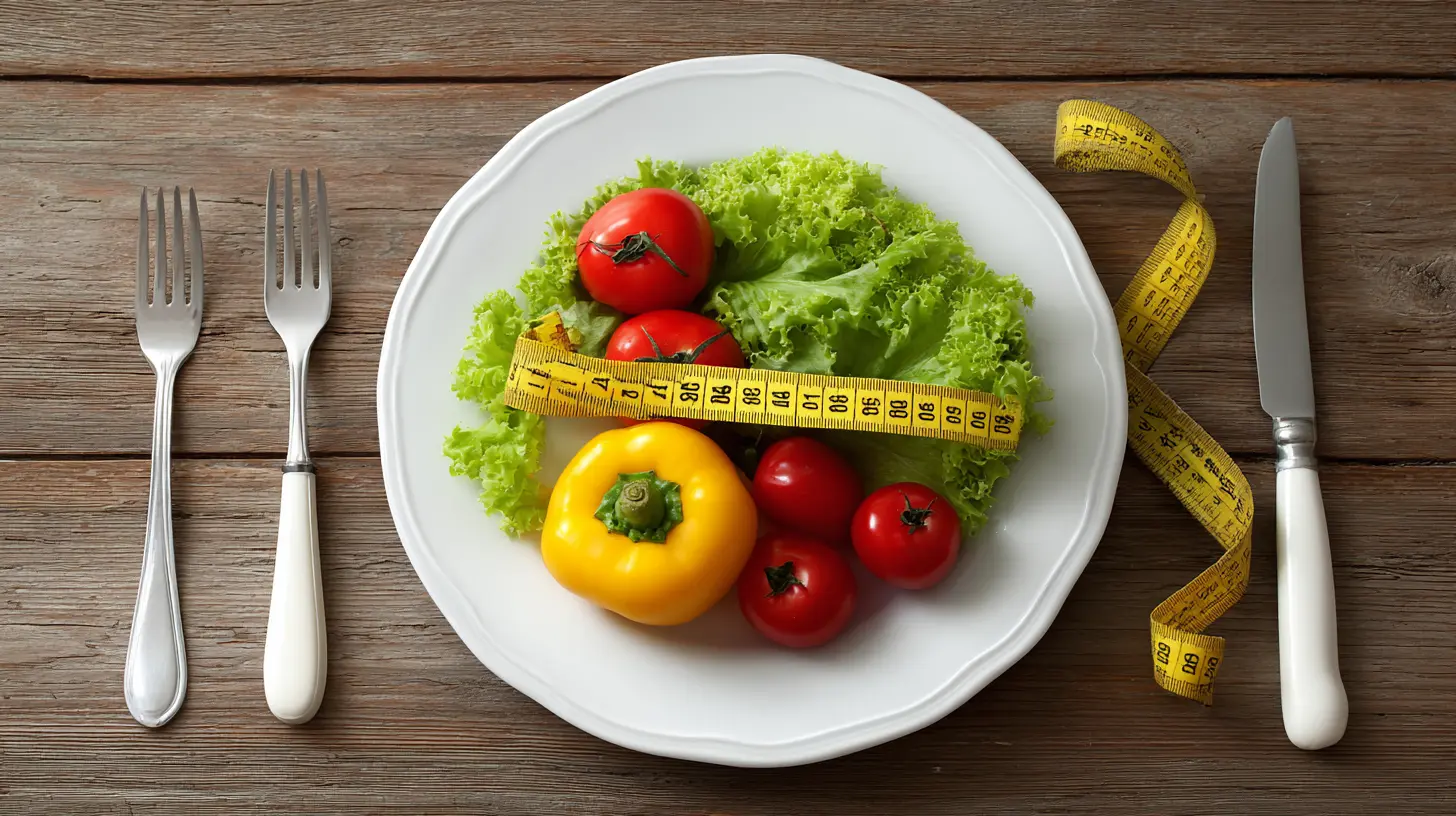
Common Portion Distortions to Watch Out For
We live in a world where "bigger is better", especially when it comes to food. Many restaurant portions today are two to three times larger than what they were 20 years ago!Here are some common portion distortions to be mindful of:
- Restaurants: A single serving of pasta could be enough for two or even three meals.
- Packaged Snacks: A small bag of chips may contain two or more servings, but it's easy to eat the whole bag in one go.
- Home Cooking: We tend to serve bigger portions at home without realizing it.
Understanding these distortions is the first step toward making smarter portion choices.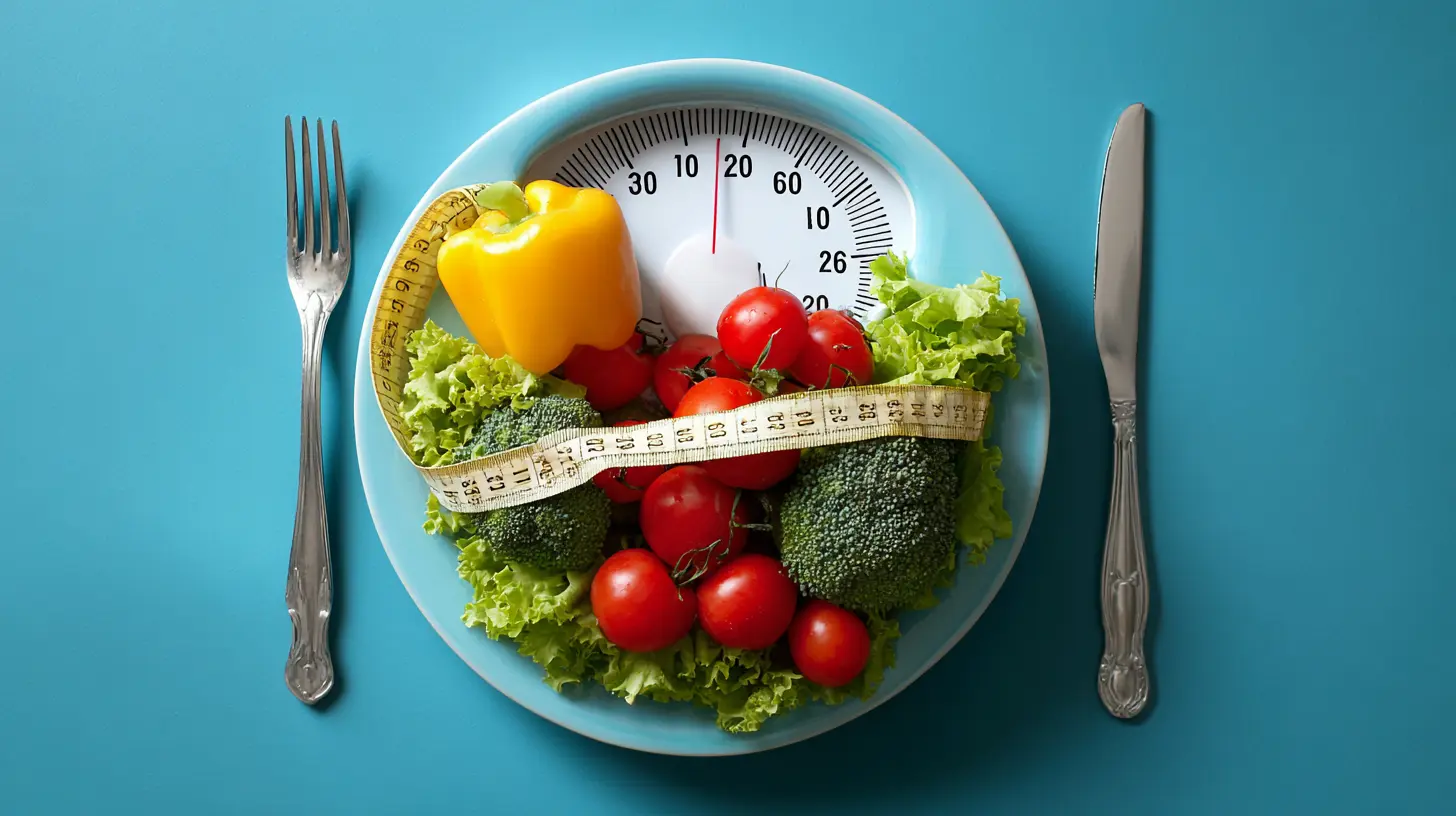
Practical Strategies for Mastering Portion Control
Now that you know why portion control is important, let's talk about how to make it work for you.1. Use Smaller Plates and Bowls
Believe it or not, the size of your plate can influence how much you eat. Studies show that smaller plates trick your brain into thinking you're eating more, leading to reduced portion sizes.Try this: Serve your meals on a smaller plate and see if you feel just as satisfied as you would with a larger one.
2. Follow the "Half-Plate Rule"
When plating your food, use this simple guideline:- Half of your plate should be vegetables.
- One-quarter should be lean protein (chicken, fish, tofu).
- One-quarter can be whole grains or starchy vegetables (brown rice, sweet potatoes).
This method ensures you’re eating nutrient-dense foods without going overboard.
3. Measure Your Portions
Most of us aren’t great at eyeballing portion sizes, so use measuring cups, a food scale, or your hand as a guide:- Palm size = A portion of protein (chicken, fish, tofu, etc.).
- Fist size = One serving of vegetables.
- Cupped hand = A serving of carbohydrates (rice, pasta).
- Thumb size = The right portion of fats (butter, peanut butter, cheese).
4. Pre-Portion Your Snacks
Eating straight from the bag? That’s a recipe for overindulging! Instead, divide snacks into small portions in advance.For example:
- Instead of eating trail mix straight from the bag, portion it into small containers.
- Use zip-lock bags to store single servings of chips or nuts.
5. Eat Slowly and Listen to Your Body
Did you know it takes about 20 minutes for your brain to recognize that you're full? If you eat too fast, it's easy to overeat before your body even knows it's had enough.To avoid this, try:
- Chewing slowly and savoring each bite.
- Putting your fork down between bites.
- Pausing for a few minutes before deciding if you really need more food.
6. Watch Out for Liquid Calories
Drinks can be sneaky calorie bombs. While soda is an obvious culprit, even healthy drinks like smoothies, fruit juices, and fancy coffee drinks can pack hundreds of extra calories.Instead:
- Drink water or herbal teas.
- If craving a sweet beverage, go for unsweetened versions.
- Be mindful of alcoholic drinks, as they can increase appetite and lower self-control.
How to Practice Portion Control When Eating Out
Eating at restaurants can be tricky, but these simple hacks can help:- Order from the kids’ menu or ask for a half-portion.
- Share a meal with a friend.
- Ask for a to-go box and pack half your meal before you start eating.
- Avoid all-you-can-eat buffets, as they promote overeating.
These strategies allow you to enjoy your meal without overdoing it.
Final Thoughts
Portion control isn’t about starving yourself or counting every calorie—it’s about eating mindfully and making better choices. By using smaller plates, pre-portioning snacks, eating slowly, and being aware of portion distortions, you can gradually train yourself to eat the right amounts without feeling deprived.Weight loss success isn’t just about cutting out certain foods—it’s about finding balance. Mastering portion control is an effective, sustainable way to shed pounds, stay healthy, and feel satisfied in the long run.
So, next time you sit down for a meal, ask yourself: "Am I eating because I’m hungry or just because it’s in front of me?" Making small adjustments today can lead to big results tomorrow!
all images in this post were generated using AI tools
Category:
Weight LossAuthor:

Sophia Wyatt
Discussion
rate this article
2 comments
Ford McCoy
Mastering portion control is essential. Small changes lead to big results in your weight loss journey.
August 10, 2026 at 2:32 AM
Sophia Wyatt
Absolutely! Small adjustments can make a significant difference over time. Portion control is key to sustainable weight loss.
Stephanie Nelson
This article on portion control is a game changer for anyone looking to lose weight. It breaks down practical tips that are easy to follow, making it simpler to manage intake without feeling deprived. A must-read for effective weight loss strategies!
May 17, 2026 at 4:27 AM
Sophia Wyatt
Thanks for your feedback! I'm glad you found the tips helpful. Portion control can really make a difference.