Uncovering the Link Between Hormones and Bone Density
9 May 2026
When you think about bones, what comes to mind? Maybe you picture a skeleton, a sturdy framework holding everything together. But did you know your bones are alive? Yep, they’re not just static, rock-hard structures. They’re dynamic, constantly growing, breaking down, and rebuilding. And guess what? Your hormones are the behind-the-scenes masterminds pulling many of the strings. That’s right—hormones and bone density are intricately connected. But how does it all work, and why should you care? Let’s dive right in.
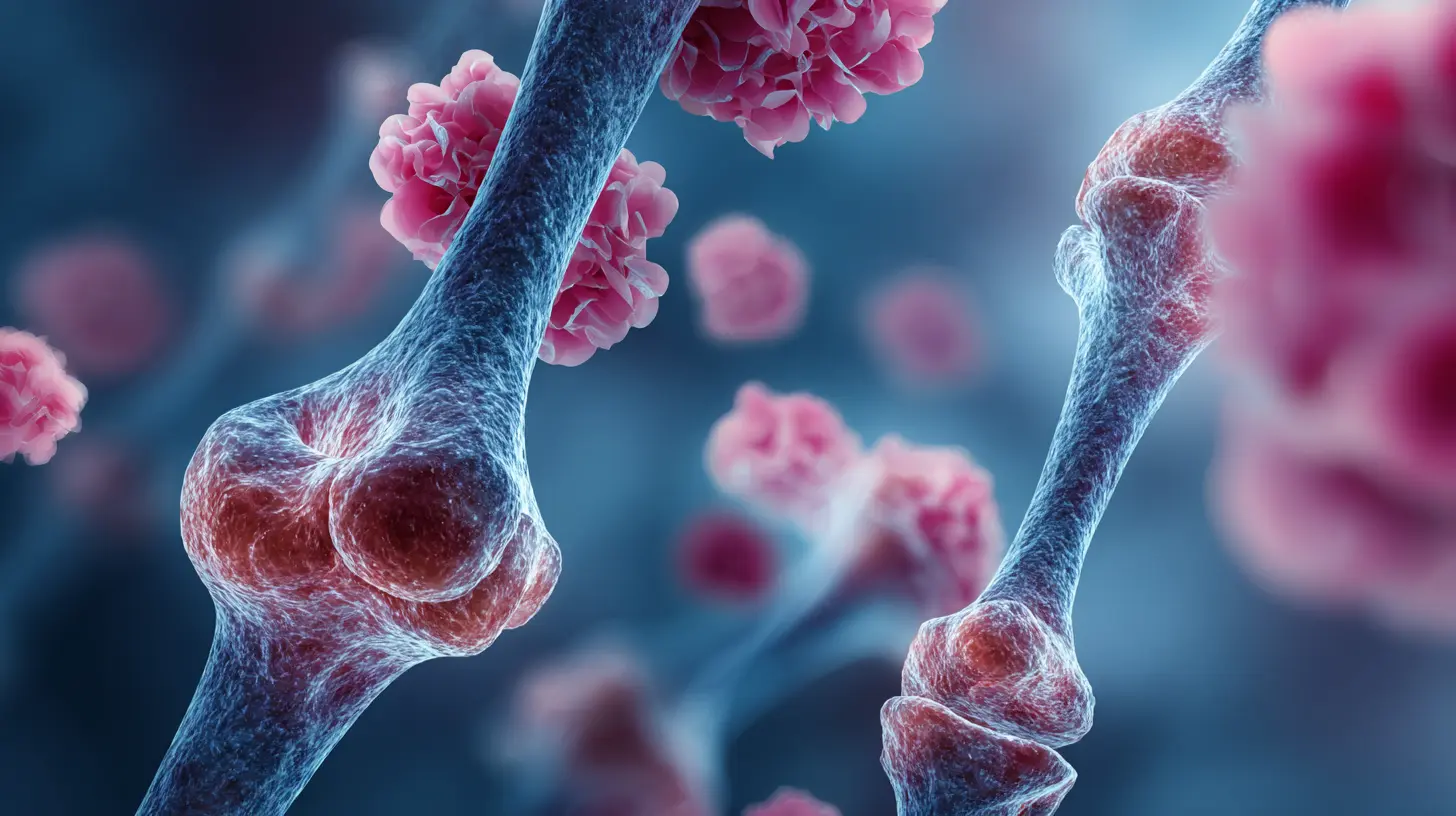
What Is Bone Density, and Why Does It Matter?
So, what exactly is bone density? Think of it this way—imagine your bones as a honeycomb. The denser the honeycomb, the stronger and healthier it is. Bone density refers to how much mineral content, mostly calcium, is packed into your bones. It determines how strong and resilient they are.Why does this matter? Well, low bone density puts you at risk for fractures and conditions like osteoporosis. Imagine your bones as household plumbing pipes—when the metal is weak (low density), the pipes are more prone to breaking. Strong bones are crucial for overall mobility and quality of life, especially as you age.
A Quick Overview of Hormones
Now, let’s talk hormones. These tiny chemical messengers are like text messages sent throughout your body. They tell your organs and tissues what to do—and when to do it. In terms of bone health, some key players include:- Estrogen
- Testosterone
- Parathyroid Hormone (PTH)
- Calcitonin
- Vitamin D (technically a prohormone)
- Cortisol
- Growth Hormone and IGF-1
Each of these hormones contributes to either building bone (think: construction workers) or breaking it down (like a demolition crew). The balance between building and breaking is what keeps your bones healthy. Sounds complicated? Let me break it down further. 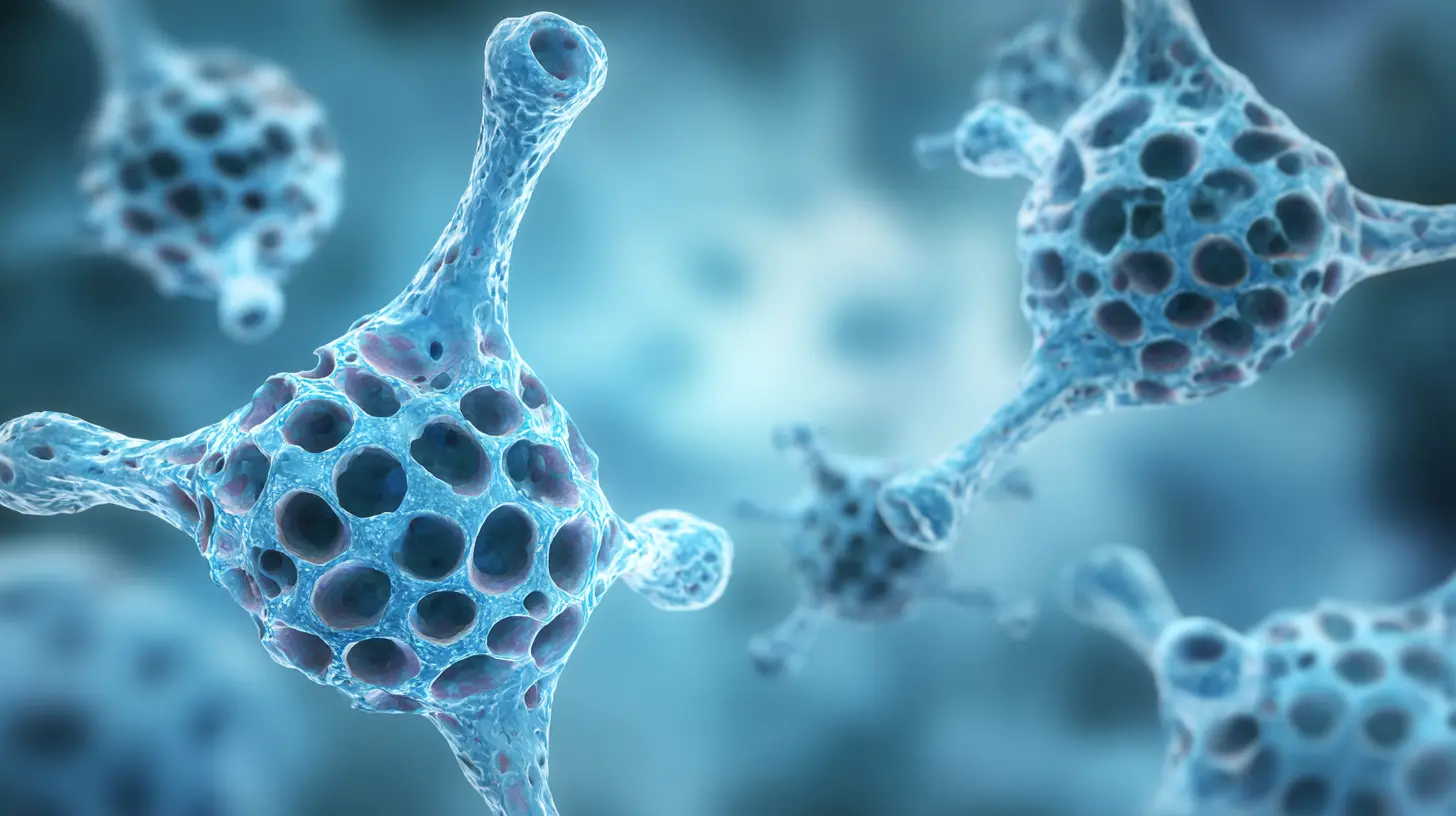
How Hormones Influence Bone Density
Alright, let’s connect the dots. Hormones regulate bone density through a process called bone remodeling. Your bones are in a constant state of renewal, thanks to two types of specialized cells:- Osteoclasts: These cells break down old bone tissue.
- Osteoblasts: These guys build new bone tissue.
Hormones dictate how active these cells are. Too much or too little of certain hormones can throw the entire process out of whack, leading to changes in bone density.
1. Estrogen: The Bone Protector
Estrogen is your bone’s best friend—and not just for women! While it’s predominantly linked to females, men also produce small amounts. Estrogen helps suppress osteoclast activity (remember the demolition crew?). This keeps bone breakdown in check.When estrogen levels dip—like during menopause in women—bone loss speeds up. This is why postmenopausal women are at a higher risk for osteoporosis. Think of estrogen as your bone’s security guard; when it’s gone, the osteoclasts run wild.
2. Testosterone’s Role in Bone Health
Testosterone isn’t just about muscle building and macho vibes. In men, it converts to estrogen, which helps maintain bone density. Yep, even testosterone gets a little estrogen boost to keep those bones strong.Low testosterone levels, often associated with aging in men, can lead to weaker bones. So guys, your bones need testosterone just as much as your biceps do.
3. Parathyroid Hormone (PTH): The Balancer
PTH is like a thermostat for your blood calcium levels. When calcium levels are low, PTH signals your bones to release calcium into the bloodstream. While this is great for your immediate survival, too much PTH can lead to excessive bone breakdown over time.Conditions like hyperparathyroidism (overactive parathyroid glands) can wreak havoc on your bone density. It’s like constantly withdrawing from a savings account without depositing anything back in.
4. Calcitonin: The Opposite of PTH
Think of calcitonin as the yin to PTH’s yang. This hormone helps lower blood calcium levels by signaling your bones to store calcium. While its role isn’t as prominent as PTH’s, every little bit helps in maintaining the balance.5. Vitamin D: The Unsung Hero
Okay, technically vitamin D isn’t a hormone—it’s a prohormone, which means it’s a precursor to active hormones. But let’s not split hairs. Vitamin D is essential for calcium absorption. Without it, even the best calcium-rich diet won’t do much for your bones.Low vitamin D levels are like trying to fill up a swimming pool with a clogged hose—you’re not going to get very far.
6. Cortisol: The Stress Hormone That’s Not Helping
We all know stress is bad—but did you know it’s bad for your bones, too? Chronic stress leads to high cortisol levels, which can interfere with bone-building cells (osteoblasts). Over time, this can lead to reduced bone density.Managing stress isn’t just good for your mental health; it’s a win for your skeleton too.
7. Growth Hormone and IGF-1: The Builders
During childhood and adolescence, growth hormone is the star of the show. It stimulates bone growth and increases bone density. As we age, our growth hormone levels naturally decline, which can contribute to bone loss.IGF-1 (Insulin-like Growth Factor 1) works alongside growth hormone to promote bone formation. Together, they’re like the dynamic duo of bone construction. 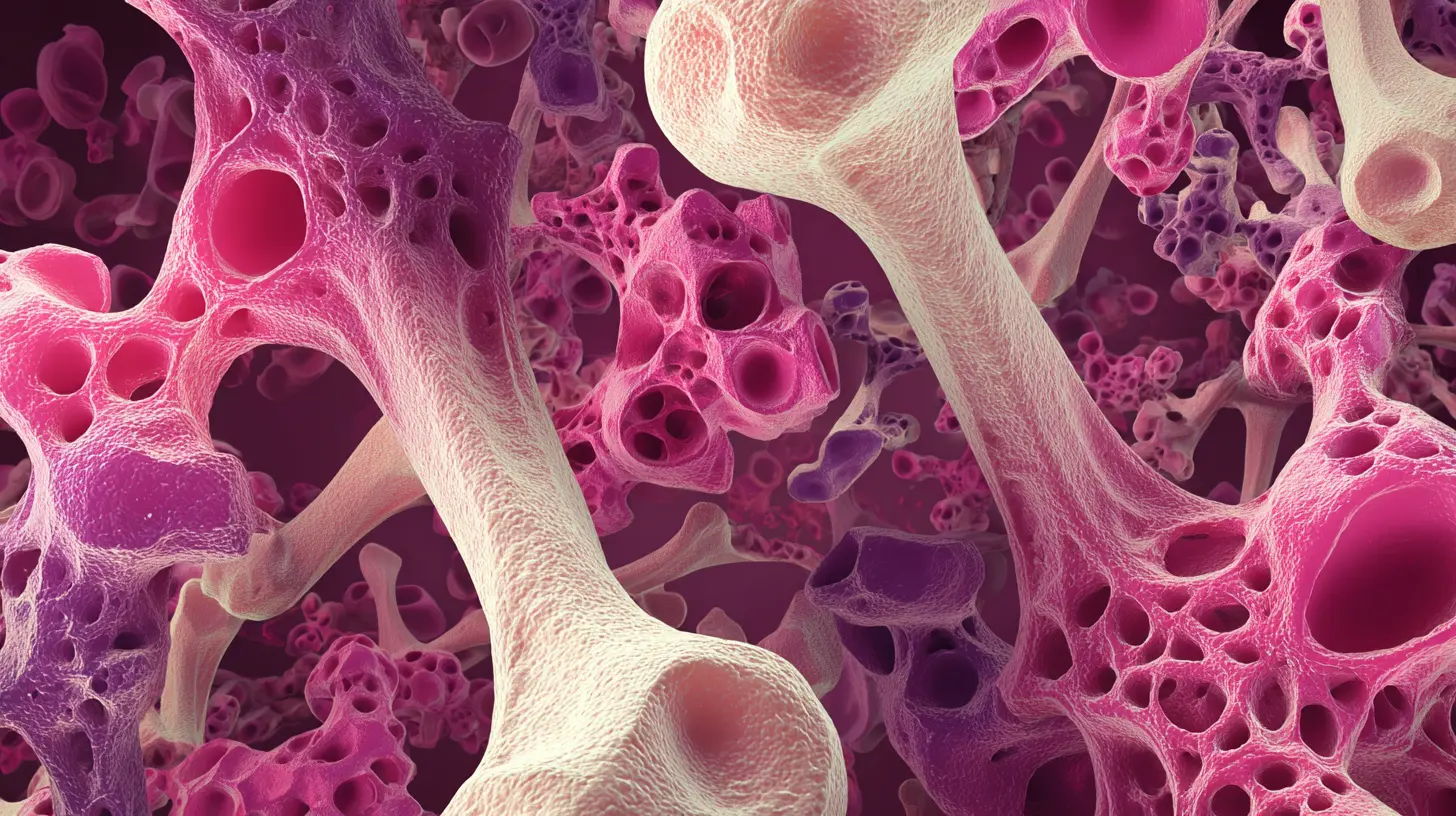
Hormonal Imbalances and Their Impact on Bones
When your hormones are out of balance, your bones can feel the ripple effect. Here are some common hormonal conditions that can impact your bone density:1. Menopause
As mentioned earlier, the drop in estrogen levels during menopause can lead to rapid bone loss. Women can lose up to 20% of their bone density in the first 5-7 years after menopause.2. Hypogonadism
This condition, characterized by low levels of sex hormones (estrogen or testosterone), can lead to weaker bones in both men and women.3. Thyroid Disorders
An overactive thyroid (hyperthyroidism) can speed up bone loss. On the flip side, an underactive thyroid (hypothyroidism) can also affect bone strength indirectly by slowing down your metabolism.4. Cushing’s Syndrome
High cortisol levels from conditions like Cushing’s Syndrome can compromise bone strength.5. Vitamin D Deficiency
This is an all-too-common issue, especially in regions with limited sunlight. Without enough vitamin D, your bones can’t absorb the calcium they need to stay strong.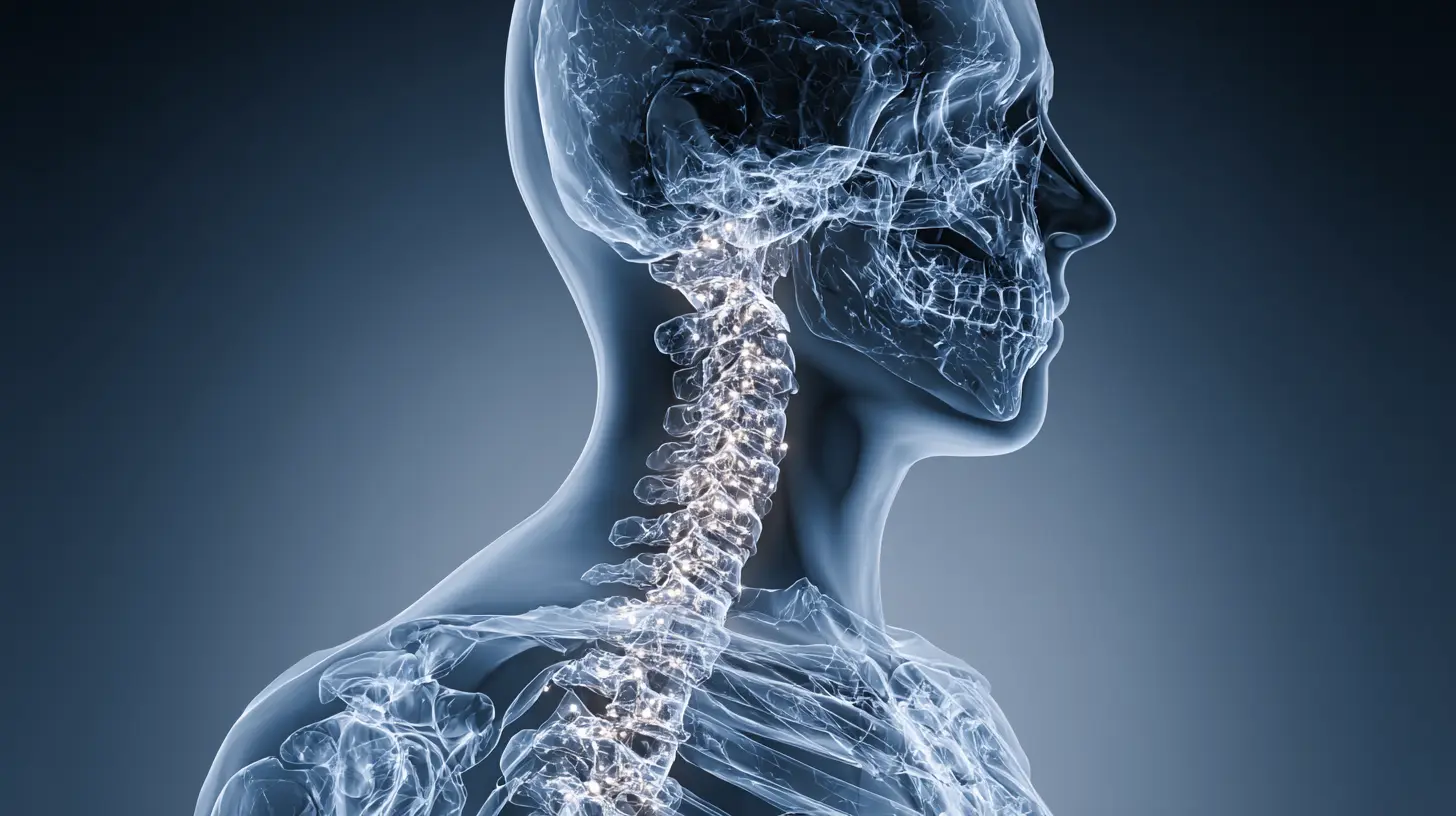
How to Support Hormonal and Bone Health
Alright, now that we know how hormones and bone density are linked, what can you do to keep both in check? Here are some actionable tips:1. Prioritize Calcium and Vitamin D
Make sure your diet includes bone-friendly foods like dairy products, leafy greens, nuts, and fortified cereals. Don’t skimp on vitamin D—get some sunlight or consider supplements if needed.2. Exercise Regularly
Weight-bearing exercises (like walking, jogging, or dancing) and resistance training can help maintain bone density. Exercise is like hitting the gym for your skeleton—it keeps everything strong and functional.3. Manage Stress
Chronic stress raises cortisol levels, which isn’t great for your bones. Practice stress-relief techniques like yoga, meditation, or simply taking time to chill.4. Avoid Smoking and Limit Alcohol
Both smoking and excessive alcohol consumption are bad news for your bones. Cutting back can do wonders for your overall health, including your bone density.5. Get Regular Check-Ups
Keep tabs on your hormone levels, especially as you age. Early detection of imbalances can prevent long-term damage to your bones.Wrapping It Up
Your bones are more than just a structural support system—they’re living, breathing parts of your body that depend on a delicate hormonal balance to thrive. From estrogen and testosterone to cortisol and vitamin D, these chemical messengers play a huge role in determining your bone density.The good news? There are practical steps you can take to support both your hormone levels and your bones. Eat well, stay active, manage stress, and always keep an eye on your health. After all, strong bones mean a strong foundation for living your best life.
all images in this post were generated using AI tools
Category:
Bone HealthAuthor:

Sophia Wyatt
Discussion
rate this article
2 comments
Maddison Palmer
Understanding how hormones impact bone density is crucial for prevention. This article highlights important connections that everyone should be aware of...
May 15, 2026 at 3:59 AM
Sophia Wyatt
Thank you for your comment! It's essential to recognize the role hormones play in bone health, and I'm glad the article sheds light on this important topic.
Lyra McDonald
Understanding the connection between hormones and bone density is crucial for preventing osteoporosis. Hormonal balance can significantly impact bone health, highlighting the importance of regular check-ups and a proactive approach to maintaining overall well-being.
May 10, 2026 at 2:56 AM
Sophia Wyatt
You're right, hormonal balance plays a key role in bone health. Regular check-ups can make a big difference in osteoporosis prevention. Thanks for your insight!