Tips to Transition to a Low-Maintenance Hair Care Routine
28 March 2026
Let’s be honest—if your hair care routine feels more like a full-time job than a self-care ritual, it might be time for a change. Whether you’re constantly battling frizz, spending hours with a flat iron, or have a cabinet full of half-used products, you’re not alone. But what if I told you it’s totally possible to have healthy, great-looking hair without spending half your paycheck—or your weekend—on it?
Yep, you heard that right. Welcome to the wonderful, stress-free world of low-maintenance hair care. Ready to simplify your routine and still feel fabulous? Grab your favorite cup of tea, kick back, and let’s dive into some super practical tips to help you transition to a low-maintenance hair care routine.
Why Go Low-Maintenance?
Before we jump into the how, let’s talk about the why. Transitioning to a low-maintenance hair care routine isn’t just about saving time (although that’s a huge bonus). It’s about embracing your hair’s natural texture, reducing damage, cutting down on product clutter, and just making life a little easier.Plus, let’s not forget the mental load that comes with hair upkeep. Simplifying things can give you more freedom—no more panicking over bad hair days or running late because your curls “weren’t cooperating.”
1. Get to Know Your Hair Type
This is Hair 101. One of the biggest mistakes people make is using products and techniques that aren’t ideal for their hair type. Straight, wavy, curly, coily—each type (and even subtypes!) behaves differently and needs different care.Take a little time to observe your hair:
- Is it oily at the roots but dry at the ends?
- Do you have tight coils, loose waves, or somewhere in between?
- Does it feel thick and coarse or thin and fine?
Once you know what you’re working with, tailoring your routine becomes 10x easier.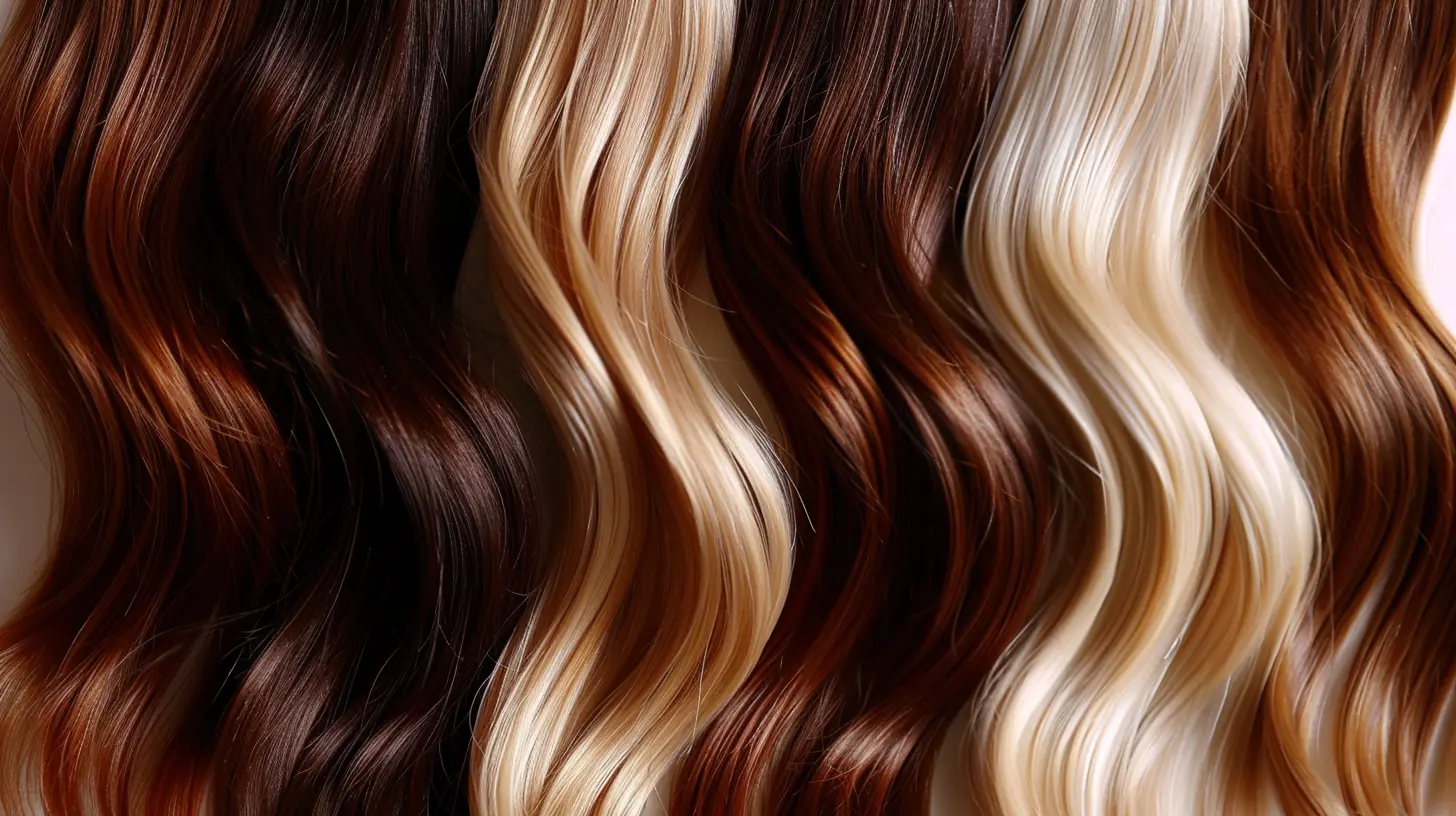
2. Embrace Your Natural Texture
This might be the most freeing tip of all—accept and love your hair as it is. Stop fighting your curls with a straightener or blowing out your waves every other day. Your natural texture is beautiful, and the more you work with it instead of against it, the more low-maintenance your routine will become.Think about this: detangling, styling, and maintaining natural hair is not only easier, but healthier for your strands too.
Quick Tip
Ditch heat tools (as much as you can) and let your hair air dry. Want more bounce or definition? Try scrunching, twist-outs, or a bit of curl cream to enhance what’s already there.
3. Simplify Your Product Line-up
Ever stand in the shampoo aisle and feel completely overwhelmed? I feel you. Marketing has convinced many of us we need 12 different products for every possible hair drama. But here’s the truth: less is more.Start with these basics:
- A quality shampoo (preferably sulfate-free)- A conditioner that suits your hair type
- A leave-in conditioner or light styling cream
- A nourishing oil or serum (especially for dry ends)
That’s it. You don’t need 50 different things. Stick with a few multitasking products that actually work for you.
4. Wash Less Often (And Smarter)
If you're used to washing your hair daily, hear me out. Overwashing can strip your scalp of natural oils, leaving your hair dry, brittle, and in constant need of repair.Let your scalp reset. Gradually reduce wash days to 2–3 times a week. You might feel greasy at first, but your scalp will adjust, promise. And dry shampoos? Total lifesavers during the transition.
Pro Tip
Use lukewarm, not hot, water when washing your hair. And rinse with cool water to help seal the cuticle and add some shine.5. Invest in a Low-Maintenance Haircut
The right haircut can make or break your new routine. Choose a cut that suits your natural texture and grows out well. Layers, blunt cuts, or long bobs (aka “lobs”) are great low-effort options.Bonus points if your haircut lets you air-dry your hair and still look perfectly put-together.
Talk to your stylist about your low-maintenance goals—they can recommend a shape and style that cuts down on your daily effort without cutting out the glam.
6. Sleep on Satin (or Silk)
This might sound bougie, but it’s a game-changer. Swapping your pillowcase for a satin or silk one can help reduce frizz, prevent breakage, and keep your hair smoother overnight.Cotton absorbs moisture and causes friction, which means more tangles and rough ends. Satin? It’s like a slip-n-slide for your strands—zero resistance, all love.
Bonus Suggestion
Invest in a satin scrunchie or scarf. Tie your hair up in a loose bun or braid before bed to keep it neat and tangle-free.7. Detangle Like a Pro
Knots and tangles = unnecessary stress. Instead of yanking a brush through your hair and crying (we’ve all been there), try detangling in the shower when your hair is wet and coated with conditioner.Use a wide-tooth comb or your fingers, and always start from the ends, working your way up. It’s faster, gentler, and way more effective.
8. Go for Protective or Low-Styling Hairstyles
This tip is especially helpful if your hair is prone to damage, breakage, or dryness. Hairstyles like braids, buns, twists, and ponytails help shield your strands from constant exposure and manipulation.They also look effortlessly stylish and keep your hair in check for days—not just hours.
Just One Rule
Don’t pull your hair too tight. A protective style shouldn't feel like a facelift—comfort is key!9. Deep Condition Once a Week
I know what you're thinking—"Isn’t this an extra step?" Technically yes, but hear me out. Deep conditioning once a week can actually save you time down the road by preventing dryness, frizz, tangling, and split ends.It’s like giving your hair a recharge session so that it behaves better the rest of the week. Trust me, it's a small investment with major returns.
10. Trim Regularly to Prevent Bigger Hair Issues
You don’t need to go in for dramatic salon chops every month, but regular trims (think every 8–12 weeks) help keep your ends healthy. Split ends and breakage make your hair harder to manage and style—adding to your daily effort.Think of trims as pruning a plant—it keeps things fresh, healthy, and looking their best.
11. Let Go of Perfection
This might be the hardest tip of all…but also the most important. Low-maintenance hair care is as much a mindset as it is a method. Let go of the idea that your hair has to be flawless every single day.There are going to be flyaways. Some days your waves won’t wing out just right. And that’s okay.
Your hair tells your story—it doesn’t need to be perfect, just authentic.
Final Thoughts: Low-Maintenance Doesn’t Mean No Care
Choosing a low-maintenance hair care routine doesn’t mean you’re neglecting your locks. It means you’re being smart with your time and intentional with your choices. The goal is to create a routine that supports your lifestyle—not the other way around.When you spend less time fighting with your hair, you gain more time to do the things that really matter. And isn’t that the ultimate glow-up?
So go ahead—simplify your shelf, love your natural texture, and step into a routine that truly works for you. Your hair, your rules!
all images in this post were generated using AI tools
Category:
Healthy HairAuthor:

Sophia Wyatt
Discussion
rate this article
2 comments
Abram Good
Why not let your hair live its best life with minimal fuss? Embrace its natural wildness like a lion in a field of daisies! Remember, less is more—your locks might just thank you with a spontaneous dance party. 🕺🌼
April 10, 2026 at 2:45 PM
Sophia Wyatt
Absolutely! Embracing your hair's natural texture can lead to a carefree routine and vibrant results. Let's celebrate that wild beauty! 🌼🦁
Abram Mitchell
Great tips! Simplifying hair care is essential.
April 5, 2026 at 3:54 AM
Sophia Wyatt
Thanks! I'm glad you found the tips helpful. Simplifying really can make a big difference.