The Role of Vitamin D in Bone Strength and Density
26 April 2026
When it comes to maintaining strong and healthy bones, calcium often steals the spotlight. But did you know that without vitamin D, your body struggles to absorb calcium efficiently? That’s right! Vitamin D plays a crucial role in bone strength and density, making it just as important as calcium for maintaining skeletal health.
In this article, we'll take a deep dive into why vitamin D is essential for your bones, what happens when you don’t get enough of it, and how you can ensure you’re getting the right amount. Let’s get started!
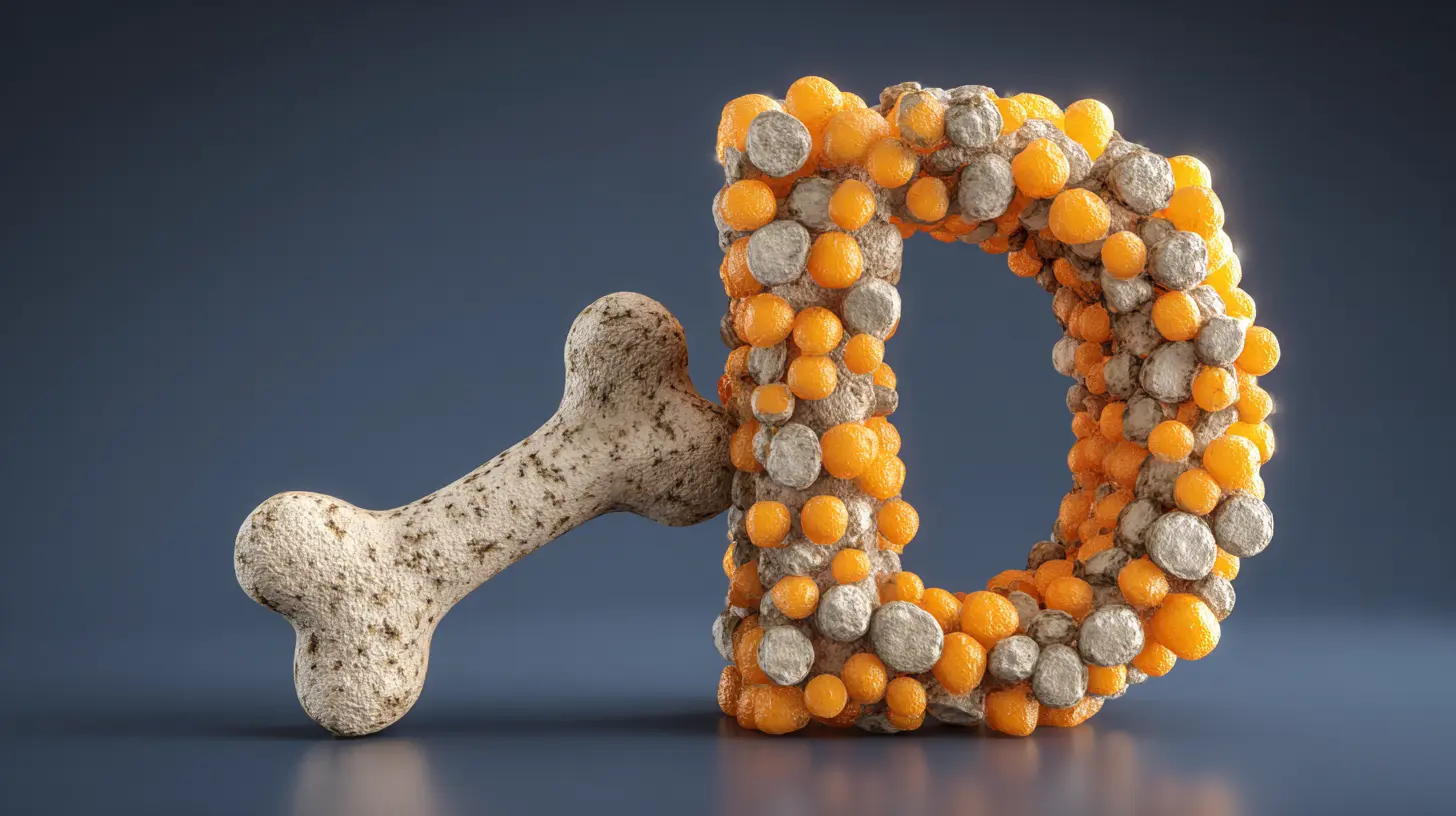
What Is Vitamin D and Why Does It Matter?
Vitamin D is a fat-soluble vitamin that helps regulate calcium and phosphate levels in the body. These minerals are vital for maintaining strong bones, teeth, and muscles. Unlike most vitamins, vitamin D functions more like a hormone—it’s produced by your body when your skin is exposed to sunlight.But here’s the catch: If you don’t get enough sun exposure or consume enough vitamin D-rich foods, your bones could suffer. And unfortunately, vitamin D deficiency is more common than you might think.

How Does Vitamin D Help with Bone Strength?
Vitamin D’s primary job is to help your body absorb calcium from the food you eat. Without enough vitamin D, calcium can’t do its job properly, leading to weak and brittle bones. Here’s how vitamin D plays a critical role in bone health:1. Enhances Calcium Absorption
Think of calcium as the bricks that build your bone structure. Now, imagine trying to construct a house without cement—everything would fall apart, right? Vitamin D serves as the cement, allowing calcium to be absorbed in the intestines and utilized by the bones. Without it, calcium intake is pretty much useless.2. Maintains Bone Mineral Density
As we age, our bones naturally lose density due to wear and tear. This process, known as bone resorption, happens when old bone tissue is broken down faster than new bone is formed. Vitamin D helps slow down this process, ensuring that bones stay dense and strong for as long as possible.3. Prevents Bone Disorders Like Osteoporosis
A long-term deficiency of vitamin D can lead to serious bone conditions, including osteoporosis—a condition that weakens bones and increases the risk of fractures. Studies have shown that people with low vitamin D levels are more likely to experience hip fractures and other bone-related injuries, especially as they get older.
Signs of Vitamin D Deficiency
Wondering if you might be lacking in vitamin D? Here are some warning signs to watch out for:- Frequent bone pain or muscle weakness
- Increased risk of fractures
- Fatigue and general tiredness
- Depression or mood swings
- Slow wound healing
If any of these symptoms sound familiar, you might want to check your vitamin D levels with a blood test.

How Much Vitamin D Do You Need?
The recommended daily intake of vitamin D varies based on age, lifestyle, and overall health. Here’s a general guideline:- Infants (0-12 months): 400 IU (International Units)
- Children & Teens (1-18 years): 600 IU
- Adults (19-70 years): 600 IU
- Seniors (71+ years): 800 IU
However, some experts suggest that people who get little to no sun exposure may need even higher amounts.
Best Sources of Vitamin D
Now that you know why vitamin D is essential, let’s talk about how you can get enough of it.1. Sunlight: The Natural Source
Your body produces vitamin D naturally when exposed to sunlight. Spending about 15-30 minutes in direct sunlight (without sunscreen) a few times a week can help maintain healthy vitamin D levels. However, factors like skin tone, geographic location, and season can affect your body’s ability to make vitamin D.2. Vitamin D-Rich Foods
If sunlight isn’t always an option, you can also get vitamin D from food. Some good sources include:- Fatty fish (salmon, mackerel, sardines, tuna)
- Egg yolks
- Fortified dairy products (milk, cheese, yogurt)
- Fortified plant-based alternatives (soy, almond, and oat milk)
- Mushrooms (especially those exposed to sunlight)
3. Supplements: The Last Resort
If you’re not getting enough vitamin D from sunlight or food, supplements can help fill in the gaps. Vitamin D3 (cholecalciferol) is the preferred form since it’s more effective at raising blood levels of vitamin D. However, always consult with a doctor before starting any supplements.
Who Is at Risk for Vitamin D Deficiency?
While anyone can become deficient in vitamin D, certain groups are more vulnerable:- People who spend most of their time indoors
- Older adults (since aging reduces the skin’s ability to produce vitamin D)
- People with darker skin (higher melanin content reduces vitamin D production)
- Individuals with digestive disorders (like Crohn’s disease or celiac disease)
- Obese individuals (fat cells store vitamin D, making less available for the body to use)
If you fall into any of these categories, paying extra attention to your vitamin D intake is crucial.
Can You Get Too Much Vitamin D?
Yes—but it’s rare. Since vitamin D is fat-soluble, excessive amounts can build up in the body and cause toxicity. The symptoms of vitamin D overdose include:- Nausea and vomiting
- Kidney damage
- High levels of calcium in the blood (hypercalcemia)
- Weakness and confusion
However, toxicity typically occurs only when taking very high doses of supplements (above 4,000 IU per day) over an extended period. It’s almost impossible to get too much vitamin D from food or sunlight alone.
Final Thoughts
Vitamin D is an unsung hero when it comes to bone health. Without it, your body can't properly utilize calcium, leading to weak bones and an increased risk of fractures. The good news? It’s easy to maintain healthy vitamin D levels through sunlight, diet, and supplements if necessary.If you’re experiencing signs of vitamin D deficiency, don’t ignore them. Taking small, proactive steps today can make a huge difference in your bone strength and overall well-being in the future. So go ahead—soak up some sun, eat vitamin D-rich foods, and keep those bones strong and healthy!
all images in this post were generated using AI tools
Category:
Bone HealthAuthor:

Sophia Wyatt
Discussion
rate this article
2 comments
Carly Cain
This article highlights the crucial role of Vitamin D in maintaining bone strength and density. Understanding its impact on calcium absorption can help prevent osteoporosis and other bone-related issues, making it essential for overall bone health.
May 10, 2026 at 3:54 PM
Sophia Wyatt
Thanks for your insights! Vitamin D is indeed vital for bone health and understanding its role in calcium absorption is key to prevention.
Jessica Spencer
Vitamin D is essential for calcium absorption, directly influencing bone strength and density. Prioritizing adequate sun exposure and dietary sources is crucial.
April 26, 2026 at 3:13 AM
Sophia Wyatt
Absolutely, vitamin D plays a key role in calcium absorption, making it vital for maintaining strong bones. Thank you for highlighting its importance!