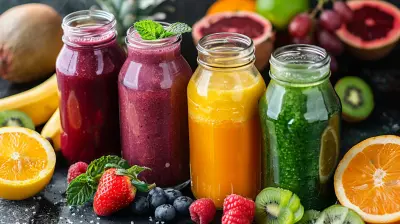
The Role of Hydration in Supporting Healthy Aging
16 December 2025
Let’s talk about something we often overlook but absolutely can’t live without—water. Yep, good ol’ H2O. We know it's essential for life, but did you know it becomes even more important as we age? Staying hydrated isn't just about quenching your thirst; it plays a vital role in how well we age, both inside and out.
From keeping your joints moving smoothly to maintaining brain function, hydration is the unsung hero of healthy aging. And yet, most of us—especially as we get older—are simply not drinking enough. So, let’s break down how water supports healthy aging and what you can do to stay topped up.
Why Hydration Matters More as You Age
As we age, a few things sneak up on us that can mess with our hydration levels. First off, our body’s water content naturally declines. Secondly, our sense of thirst weakens. That means older adults may not even feel thirsty when their body desperately needs fluids. It’s like your internal water alarm starts to glitch.And to make matters worse, many older individuals take medications like diuretics or blood pressure pills that can make dehydration happen faster. That combination—lower water levels, a quiet thirst signal, and meds that drain you—can be a recipe for trouble if you’re not careful.
The Domino Effect of Dehydration
Imagine a stack of dominos. Remove water from the equation, and they start tumbling.- Cognitive decline? Dehydration can lead to confusion, memory problems, and even mimic symptoms of dementia.
- Constipation? Without enough fluids, your digestive system slows down.
- Kidney issues? Your kidneys need water to flush out toxins.
- Joint pain? Cartilage is mostly water—less water, more friction.
- Dry skin? Hello wrinkles and flaky patches.
So yeah, not getting enough water is kind of a big deal.
Hydration and Cognitive Health
Let’s be real—no one likes the idea of losing their memory or mental sharpness. And while there’s no magic potion to stop aging (still waiting on that one), staying hydrated comes pretty close.Water is essential for optimal brain function. Even mild dehydration—just 1-2% of your body weight—can impair energy levels, mood, and memory. Think about that: being just a little low on water can make your brain act foggy. No wonder you're struggling to find your car keys or why you walked into a room and forgot why.
The Brain is Basically a Sponge
Imagine your brain as a sponge. When it’s well-hydrated, it's springy, full, and sharp. Dehydrated? It's a dried-out mess—less efficient, more prone to errors. Drinking enough water helps maintain the balance of neurotransmitters and hormones, which are critical to mood and cognition.
Water Keeps Your Body Moving Smoothly
Aging joints can be stiff and creaky, but staying hydrated helps keep them lubricated. Cartilage—the flexible tissue cushioning your joints—is made up of about 80% water. Without enough hydration, this cushioning wears down, increasing the risk of joint pain and even arthritis.Your Body’s Natural Oil
Think of water as your body’s WD-40. It keeps things sliding and gliding instead of grinding and crashing. If you want to keep dancing at weddings well into your 80s, staying hydrated is key.
Digestive Health: No One Wants to Talk About It, But We’ve Got To
Let’s face it—digestive issues like constipation become more common with age. And while fiber deserves its credit, water plays a starring role. Without enough fluid, your body can’t move waste through your system efficiently.The Plumbing Analogy
Picture your digestive system like indoor plumbing. Fiber is the garbage disposal, but water is the liquid that flushes it all through. No water, no flush—and suddenly, you’ve got a backup.Hydration and Skin Health
Everyone wants to age gracefully, right? While no moisturizer can totally erase the signs of aging, hydration from the inside goes a long way.Hydrated Skin is Happy Skin
Water plumps up your skin, helps maintain elasticity, and supports the healing process. Dehydrated skin looks dull, dry, and more wrinkled. It’s like comparing a fresh grape to a raisin—you get the picture.Heart Health and Circulation
Your heart works 24/7 pumping blood throughout your body. Blood is mostly water, and staying properly hydrated helps your heart function more efficiently. Dehydration can actually make your blood thicker, which puts more strain on your heart and increases the risk of high blood pressure.Think of Your Heart as a Pump
Imagine trying to suck a thick milkshake through a straw—tough, right? That’s what your heart goes through when you’re dehydrated. Thinner, well-hydrated blood flows easier, reducing stress on your heart and keeping your circulatory system in check.How Much Water Do You Really Need?
Now you're probably wondering: “Okay, so how much do I actually need?”There’s no one-size-fits-all answer, but a general rule of thumb for older adults is:
- Men: About 13 cups (3 liters) of fluids a day
- Women: About 9 cups (2.2 liters) of fluids a day
Important note: Not all of that has to come from plain water. Herbal teas, fruits, soups, and veggies like cucumbers and watermelon contribute to your fluid intake too. Just keep in mind that coffee and alcohol can dehydrate you, so they don’t really count toward the goal.
Signs You're Not Drinking Enough Water
Sometimes it's not super obvious when you're getting dehydrated. Here are some sneaky signs to watch out for:- Dry mouth or bad breath
- Dark yellow urine
- Fatigue or low energy
- Headaches
- Dizziness or confusion
- Muscle cramps
If you’re noticing any of these, don’t just brush it off. Your body is telling you something important.
Tips to Stay Hydrated as You Age
Let’s be honest, sometimes we just forget to drink water, especially if we’re not feeling thirsty. Here are some easy tricks to help make hydration part of your daily routine.1. Make It a Habit
Start your morning with a glass of water. Link it to something you already do—like brushing your teeth or making coffee.2. Carry a Reusable Water Bottle
Having water within arm’s reach makes it more likely you’ll sip throughout the day. Choose one you love—it’s like your hydration sidekick.3. Flavor It Naturally
If plain water feels boring, jazz it up with lemon, cucumber slices, or mint. Sparkling water is another good option if you like some fizz.4. Eat Your Water
Load up on water-rich foods like cucumbers, oranges, celery, lettuce, and watermelon. They hydrate and give you a little nutrition boost too.5. Set Reminders
Use your phone or smartwatch to remind you to drink water every hour. There are even hydration tracking apps that turn it into a fun challenge.Special Considerations for Seniors
Older adults face unique challenges, so hydration needs to be top of mind.- Mobility issues: If getting up to get a drink feels difficult, keep water nearby.
- Memory issues: Set up hydration routines or ask caregivers to help track intake.
- Medical conditions: Talk with your doctor, especially if you’re on medications that impact fluid balance.
Being pro-active about hydration can prevent hospitalizations from urinary tract infections, kidney stones, and even falls caused by dizziness.
Final Thoughts: Drink Up for a Healthier Future
Hydration isn't just something you worry about on a hot day or after a workout. It’s a daily, year-round necessity—especially as we age. Drinking enough water might seem like a small act, but it can have a big impact on how gracefully and healthily you age.So next time you reach for that glass of water, don’t think of it as just a drink. Think of it as a long-term investment in your brain, your skin, your heart—and let’s be real, even your bathroom habits.
Because aging well doesn’t always require fancy supplements or expensive routines. Sometimes, it starts with a simple sip.
all images in this post were generated using AI tools
Category:
Healthy AgingAuthor:

Sophia Wyatt
Discussion
rate this article
2 comments
Ardent Lozano
Water you waiting for? Hydration isn’t just for plants; it’s the secret elixir for aging gracefully! Sip on that H2O like it’s your fountain of youth, and let those wrinkles do the wave goodbye!
January 13, 2026 at 3:54 PM
Sophia Wyatt
Great reminder! Staying hydrated is indeed crucial for healthy aging—cheers to that fountain of youth!
Rosalind Hodge
Staying well-hydrated is essential for healthy aging. Proper hydration supports cognitive function, maintains skin elasticity, and aids in digestion, helping to enhance overall vitality and well-being as we age.
December 16, 2025 at 3:55 AM
Sophia Wyatt
Thank you for your insightful comment! I completely agree—hydration plays a crucial role in maintaining our health and vitality as we age.