The Role of Enzymes in Digestive and Bowel Health
10 February 2026
Let’s face it — digestive issues suck. Whether it’s constant bloating, gas that sneaks up out of nowhere, or a sudden dash to the bathroom, gut problems can throw your entire day off balance. But have you ever wondered what’s really going on behind the scenes in your gut?
One word: Enzymes.
These tiny, powerful proteins are the unsung heroes of digestion and play a massive role in keeping your digestive system and bowels in check. In this article, we’re going to break down (pun intended) exactly how enzymes support digestive and bowel health, why they matter more than you think, what messes with them, and how you can give them a boost.
What Are Digestive Enzymes Anyway?
Think of enzymes like your gut’s kitchen staff. Every time you eat, they show up — ready to chop, stir, mix, and break down your food into the nutrients your body actually uses.They're specialized proteins produced primarily by your salivary glands, stomach, pancreas, and small intestine. Each one has a unique job:
- Amylase: Breaks down carbs
- Protease: Digests proteins
- Lipase: Tackles fats
- Lactase: Converts lactose (yep, the milk sugar)
- Maltase and Sucrase: Help with sugars
Without these enzymes, eating a simple sandwich would be like shoving a whole log into a fireplace and expecting it to turn into heat right away. Your body needs to process food — and that’s where enzymes come in.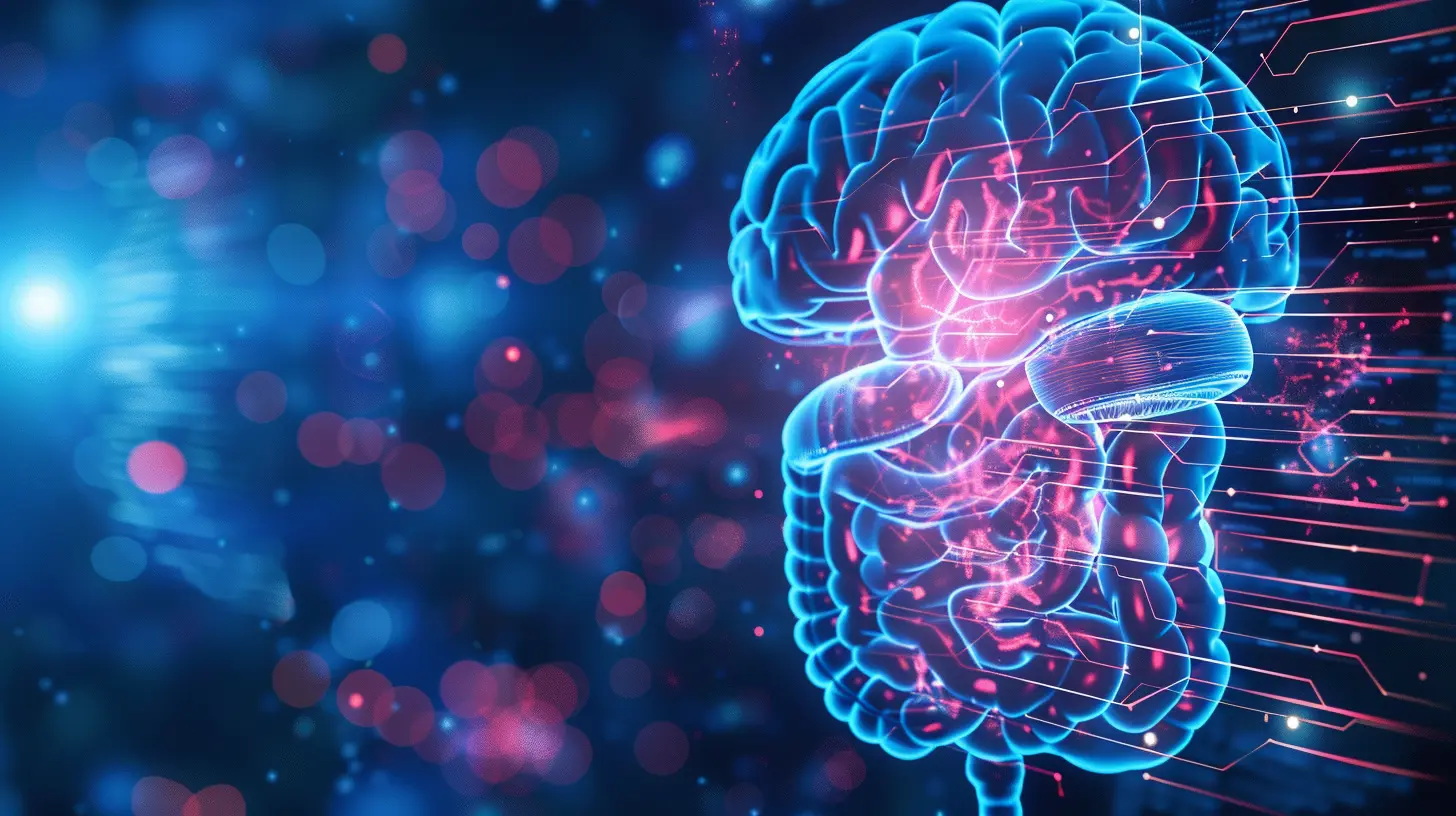
Why Digestive Enzymes Are Crucial for Gut Health
So here’s the deal: when your enzymes aren’t pulling their weight, your digestive tract turns into a battleground.1. Nutrient Absorption Goes Down the Drain
You could be eating all the right superfoods — kale, quinoa, wild salmon — and still feel sluggish if your body isn’t absorbing the nutrients properly. And that absorption only happens when food is broken down efficiently. Enzymes make that smooth and seamless.2. They Reduce Bloating, Gas, and Indigestion
When food sits in your gut just... fermenting, it creates gas, bloating, and discomfort. That’s what happens when enzymes are missing or overwhelmed. Proper enzymatic digestion means less undigested food left to rot, which means fewer awkward tummy troubles.3. They Support a Healthy Microbiome
A well-digested meal supports the good bacteria in your gut and starves the bad ones. Enzymes help produce clean, easy-to-metabolize nutrients that feed beneficial microbes and keep your gut flora balanced.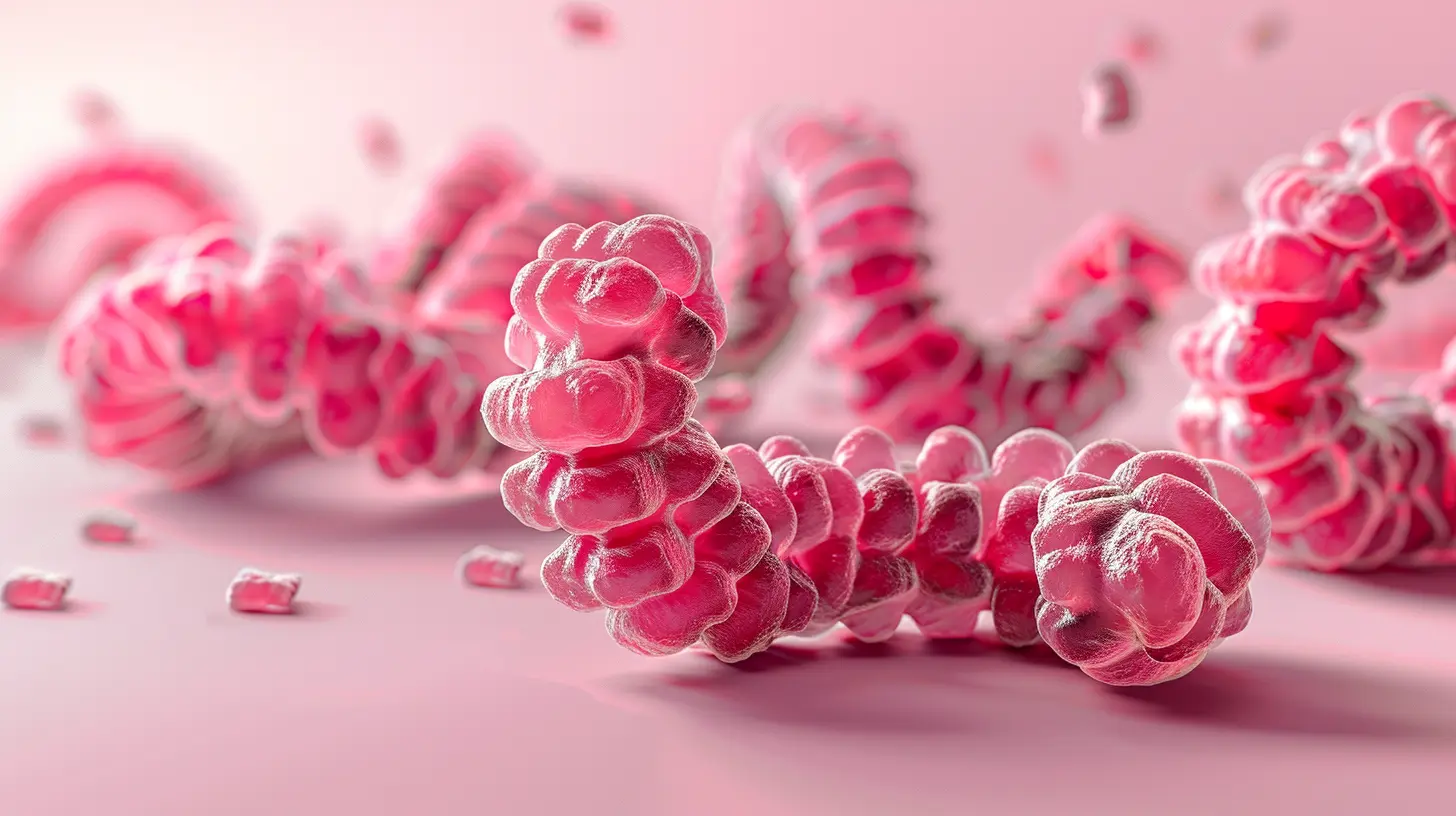
The Connection Between Enzymes and Bowel Health
Now, this is where it gets real. Your bowel movements are basically a daily report card of how well your digestive system is functioning.1. Regularity Depends on Proper Breakdown
Enzymes help make sure your food turns into a soft, passable consistency. Without them, stools can become too hard (hello constipation) or too loose (say hi to diarrhea). Enzymes, especially lipase and bile-compatible ones, make fat digestion smoother and help things move along in the colon.2. Enzymes Prevent Undigested Food From Reaching the Colon
Ever notice bits of undigested food in your stool? That’s a big red flag your enzymes aren't doing their job. When food isn’t fully broken down, it ends up irritating your bowel lining, causing inflammation and even contributing to IBS flare-ups.3. They Assist in Detoxification
Your gut is a front-line soldier in detoxing your body. By breaking food into usable and waste components, enzymes help your bowels efficiently eliminate toxins. Think of enzymes as the sorting crew — keeping the good, tossing the bad.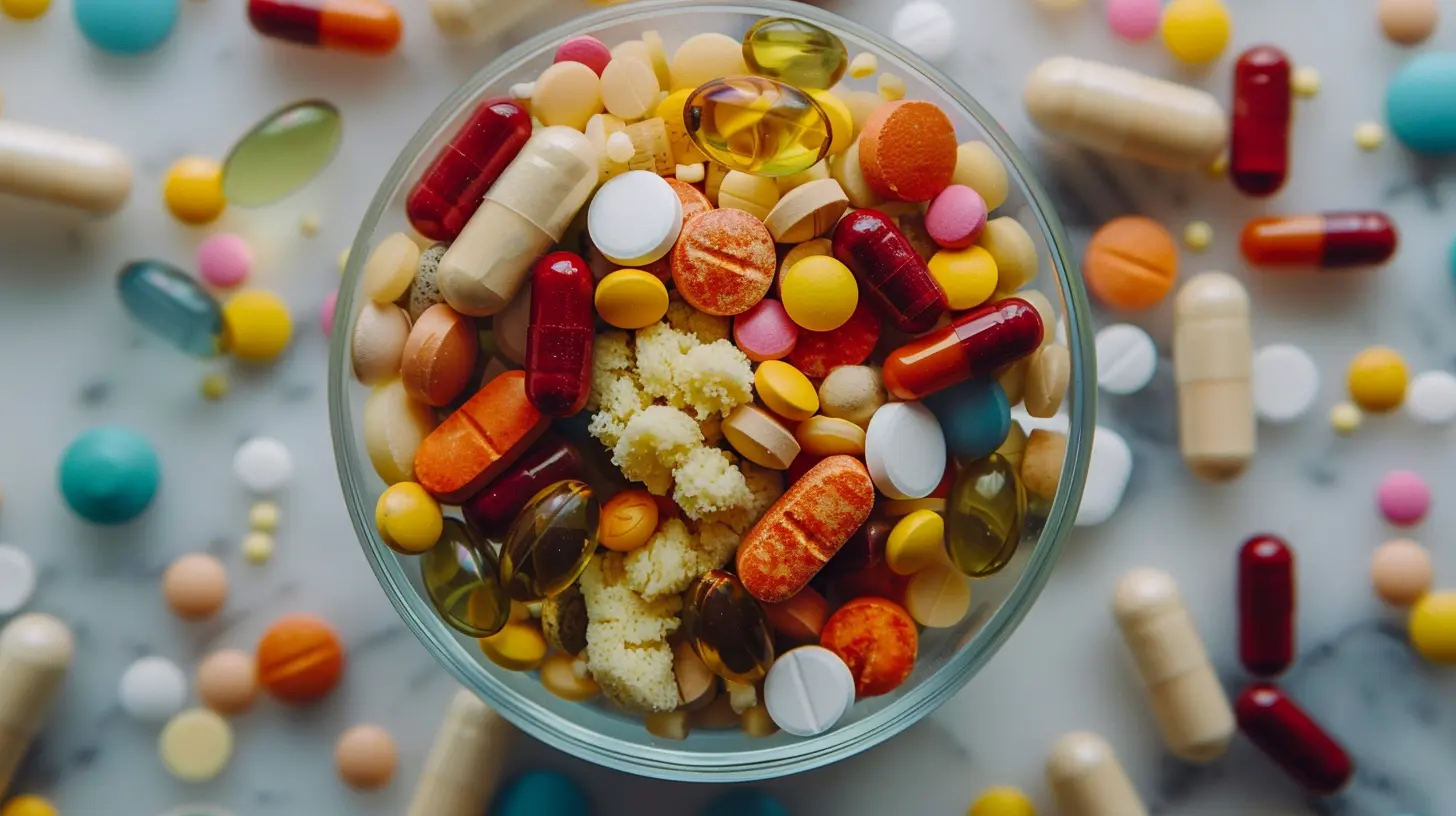
Signs You Might Be Lacking Digestive Enzymes
Here’s where you should perk up. If you’re routinely dealing with digestive drama, your enzymes might be crying for help. Watch out for:- Feeling full after only a few bites
- Floating, oily stools (yes, gross but important)
- Undigested food in your stool
- Frequent gas or burping
- Bloating that lasts hours after eating
- Chronic fatigue (from poor nutrient absorption)
- Unexplained weight loss
If any of these sound familiar, poor enzyme function could be the silent culprit.
Why Your Enzymes Might Be Slacking Off
Let’s not be too hard on your gut. Sometimes, enzymes just need a little support. But what causes them to take the day off?1. Aging
As we age, enzyme production naturally slows down. That’s why older adults often experience more digestive complaints.2. Poor Diet
Processed foods, sugar, artificial additives — they don't just lack enzymes themselves, they also wreck your ability to make your own. A diet low in raw fruits and vegetables can deprive you of naturally occurring enzymes.3. Chronic Stress
Stress is a real enzyme killer. When your body is in “fight-or-flight,” digestion takes a backseat. That means less stomach acid, fewer enzymes, and more digestive issues.4. Medical Conditions
Conditions like pancreatitis, celiac disease, lactose intolerance, and cystic fibrosis can all impair enzyme production. Even something common — like taking antacids regularly — can mess with stomach acid and, in turn, enzyme activity.How to Support and Boost Your Enzyme Levels
Alright, so now you know enzymes are major players. But how can you make sure they're showing up and doing their jobs?1. Eat Enzyme-Rich Foods
Mother Nature’s got your back. Some foods come packed with their own digestive enzymes:- Pineapple (contains bromelain, great for protein digestion)
- Papaya (papain — another protein buster)
- Kiwi (acts as a mild laxative and helps break down proteins)
- Fermented foods like sauerkraut, kimchi, and kefir
- Raw honey
- Bananas and avocados
Eat these regularly, especially before or with meals, to give your digestion a natural leg-up.
2. Chew Your Food Thoroughly
Seriously, don’t underestimate chewing. Saliva is loaded with amylase — that first enzyme your body uses to break down carbs. Chewing also signals your stomach and pancreas to get ready with their enzyme toolkit.3. Supplement with Digestive Enzymes
If your body isn’t producing enough on its own (or you need the extra help), supplements can be a game-changer. Look for a broad-spectrum enzyme supplement that includes:- Amylase
- Protease
- Lipase
- Lactase (especially if dairy gives you trouble)
- Cellulase (helps with plant fiber digestion)
Pro tip: Take one right before meals with a glass of water, not after you’ve already eaten half your steak.
4. Lower Your Stress
Meditation, breathing exercises, journaling, walking — whatever calms your nervous system will help your gut. Less stress = better enzyme function = smoother digestion.The Enzyme-Gut-Immune System Triangle
You might not know this, but about 70% of your immune system lives in your gut. And you guessed it — digestive enzymes play a role here too.Poor digestion leads to a "leaky gut," where particles like undigested food, bacteria, and toxins escape into the bloodstream. This triggers inflammation and an immune response. Over time, that can snowball into autoimmune issues, skin problems, and food sensitivities.
By ensuring proper enzymatic digestion, you fortify that gut barrier and give your immune system a big boost.
Enzymes and IBS: What’s the Link?
If you’re dealing with Irritable Bowel Syndrome (IBS), you’ve probably heard a lot about low FODMAP diets, probiotics, and fiber. But enzymes are just as essential — and often overlooked.Many people with IBS have low levels of certain enzymes, especially lactase, sucrase, or pancreatic enzymes. Supplementing with the right combinations can reduce bloating, ease abdominal pain, and make digestion more predictable.
Plus, by breaking food down more efficiently, enzymes can prevent it from fermenting in the gut — a major IBS trigger.
Final Thoughts: Enzymes Deserve More Credit
We often blame food choices or stress for our gut struggles — and yeah, those matter. But enzymes are the quiet MVPs that don’t get nearly enough love.Supporting your body’s enzyme production (whether through lifestyle, diet, or supplements) can drastically improve how you digest food, how your bowels behave, and honestly, how you feel every day.
So next time you’re wondering why your stomach feels off, don’t just reach for the antacids. Consider those hard-working enzymes — and maybe treat them to a piece of pineapple.
all images in this post were generated using AI tools
Category:
Bowel HealthAuthor:

Sophia Wyatt
Discussion
rate this article
2 comments
Weston McHugh
Fascinating insights on enzymes! I'm eager to learn more about their impact on digestive health and overall wellness.
March 7, 2026 at 4:18 AM
Sophia Wyatt
Thank you! I'm glad you found it interesting. Enzymes play a crucial role in breaking down food and enhancing nutrient absorption, so their impact on digestive health is significant. Stay tuned for more insights!
Dulce McGinnis
Enzymes are the unsung heroes of digestion, breaking down our food and enhancing nutrient absorption. Without them, gut health falters, leading to discomfort and diseases. If you’re serious about your digestive wellness, don’t overlook these powerful catalysts—your body will thank you for it!
February 11, 2026 at 4:54 PM
Sophia Wyatt
Absolutely! Enzymes play a crucial role in digestion and gut health, ensuring efficient nutrient absorption and preventing discomfort. Prioritizing enzyme support is key to maintaining digestive wellness. Thank you for highlighting their importance!