The Link Between Bowel Health and Immune Function
28 May 2026
When was the last time you thought about your gut health? Probably not recently, right? Most of us don't give much thought to our digestive system—until something goes wrong. But here’s the thing: your gut does way more than just digest food. It plays a massive role in your immune system as well.
Yep, you read that right! A healthy gut means a stronger immune system, and an unhealthy gut? Well, let’s just say it can throw your whole body out of whack. So, let's dive into the fascinating relationship between bowel health and immune function—because trust me, it's a game-changer.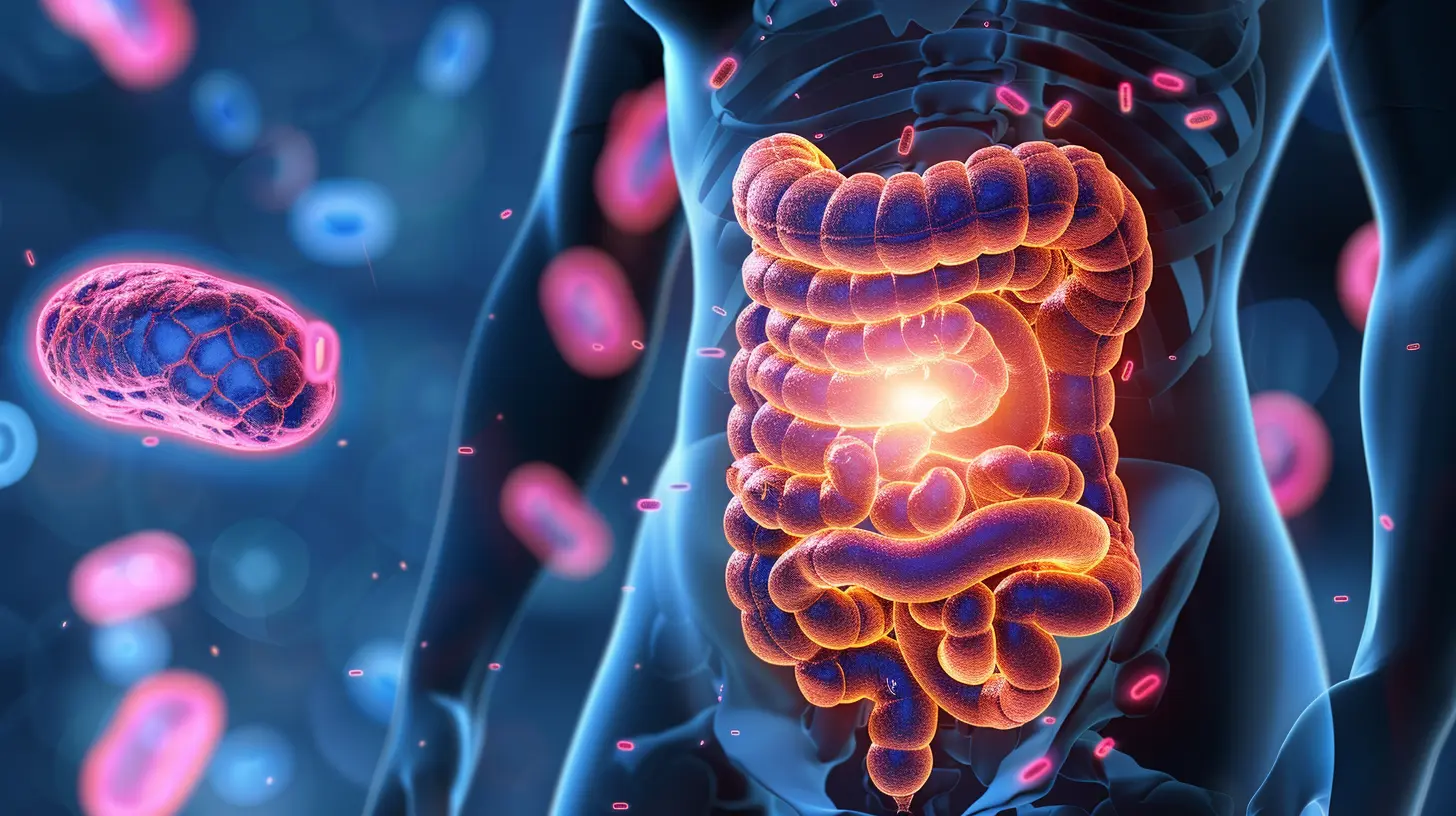
The Gut-Immune Connection: What's the Deal?
Your gut isn't just some food-processing factory. It's actually home to trillions of bacteria, fungi, and other microorganisms—collectively known as the gut microbiome. These tiny microbes don't just chill in your intestines; they actively communicate with your immune system, influencing how well your body fights off infections.In fact, about 70% of your immune system resides in your gut! That means keeping your digestive system in top shape is one of the best things you can do to stay healthy.
How Your Gut Affects Your Immune System
So, how exactly does your gut impact immunity? It all comes down to a few key factors:1. The Gut Microbiome: Your Body's Personal Army
Think of your gut bacteria as tiny, hardworking soldiers. They help break down food, absorb nutrients, and—most importantly—defend against harmful invaders like viruses and bad bacteria.When your gut bacteria are balanced, they send signals to your immune system to keep inflammation in check. But when your microbiome is out of whack (due to stress, poor diet, or antibiotics), it can trigger chronic inflammation—which weakens your immunity and makes you more prone to infections.
2. The Gut Barrier: Your Internal Security Guard
Your intestines have a special lining that acts like a security guard, keeping harmful substances from entering your bloodstream. This is known as the intestinal barrier.But when this barrier is compromised (a condition called leaky gut), toxins and harmful bacteria can sneak into your bloodstream, triggering an immune response. Over time, this can lead to autoimmune diseases, allergies, and chronic inflammation—all of which weaken your immune defenses.
3. Short-Chain Fatty Acids: The Secret Weapon
Ever heard of short-chain fatty acids (SCFAs)? These little guys are produced when gut bacteria ferment fiber, and they play a crucial role in immune function.SCFAs help regulate inflammation, boost antibody production, and even help your body recognize and destroy harmful invaders. But here’s the catch—you need to feed your gut the right foods (like fiber-rich veggies and fermented foods) to produce enough SCFAs!
Signs Your Gut Health Might Be Hurting Your Immune System
Wondering if your gut needs a little TLC? Here are some telltale signs that your digestive system might not be in great shape:- Frequent infections (getting sick all the time)
- Digestive issues like bloating, constipation, or diarrhea
- Food intolerances or sensitivities
- Chronic fatigue (feeling tired no matter how much you sleep)
- Skin problems like acne, eczema, or rashes
- Brain fog or mood swings
If you’re dealing with any of these, your gut might need some extra care.
How to Improve Your Gut Health (And Boost Immunity!)
Now that you know how important your gut is for immunity, let’s talk about how to keep it in tip-top shape. Here are some simple yet powerful ways to improve your bowel health:1. Eat More Fiber
Fiber is like fuel for your gut bacteria. It helps good microbes thrive and produce those all-important SCFAs. Some great fiber-rich foods include:- Fruits (berries, apples, bananas)
- Vegetables (spinach, carrots, broccoli)
- Legumes (beans, lentils, chickpeas)
- Whole grains (oats, quinoa, brown rice)
2. Load Up on Probiotics and Prebiotics
Probiotics are live bacteria that help balance your gut microbiome, while prebiotics are the food that feeds those good bacteria.- Probiotic-rich foods: Yogurt, kefir, kimchi, sauerkraut, miso, kombucha
- Prebiotic-rich foods: Garlic, onions, bananas, asparagus, flaxseeds
3. Stay Hydrated
Water helps food move through your digestive tract, preventing constipation and supporting a healthy gut lining. Aim for at least 8 glasses of water a day—more if you’re active!4. Manage Stress
Ever notice how stress can mess with your stomach? That’s because chronic stress disrupts your gut microbiome and weakens your immune system. Try meditation, yoga, deep breathing, or just taking a walk outside to keep stress levels in check.5. Get Enough Sleep
Did you know poor sleep can mess with your gut bacteria? Aim for 7-9 hours of quality sleep every night to keep your gut (and immune system) happy.6. Avoid Overuse of Antibiotics
While antibiotics save lives, overusing them can wipe out good gut bacteria along with the bad ones. If you must take antibiotics, make sure to eat plenty of probiotics afterward to replenish your microbiome.7. Exercise Regularly
Movement isn’t just good for your muscles—it also promotes a healthier gut. Regular exercise increases microbial diversity, reduces inflammation, and supports better digestion. Even a 30-minute daily walk can make a difference.The Bottom Line
Your gut and immune system are best friends—when one is happy, the other thrives. By keeping your bowel health in check, you're not just improving digestion; you're actively strengthening your body's defense system.So, if you want fewer sick days, more energy, and an overall healthier life, start taking care of your gut today! Eat the right foods, manage stress, stay hydrated, and get enough rest—your immune system will thank you.
all images in this post were generated using AI tools
Category:
Bowel HealthAuthor:

Sophia Wyatt
Discussion
rate this article
1 comments
Tatianna Cannon
If you think your gut is just about digestion, think again. A happy bowel could mean a happier immune system. So, next time you're munching on that fiber, remember it's not just about regularity-it's your secret health weapon.
May 30, 2026 at 2:41 PM
Sophia Wyatt
Absolutely! Bowel health plays a crucial role in overall immunity. It's amazing how fiber can boost not just digestion, but our body's defenses too.