The Importance of Early Screenings for Bone Loss
5 February 2026
Let’s kick things off with a serious question: When was the last time you thought about your bones?
Not your muscles, not your heart, not even your blood pressure—your bones.
If your answer was "umm… never?"—well, you're not alone. Our bones are like the unsung heroes of our body. They keep us standing tall (literally), let us dance awkwardly at weddings, and carry us from one place to another. But when it comes to health check-ups, poor bones are usually left off the invite list.
That needs to change, and here's why: early screenings for bone loss can save you a world of trouble later. Yeah, we're talking about things like fractures, mobility issues, and even the dreaded “O” word—osteoporosis.
So grab a cup of tea (or a calcium-rich smoothie) and let’s chat about why taking care of your bones early through screenings isn’t just smart—it’s absolutely essential.
What Is Bone Loss Anyway?
Alright, before we dive headfirst into the importance of screenings, let’s get on the same page about what bone loss actually is.Bone loss, also known as osteopenia in its early stages and osteoporosis when it gets more serious, happens when your bones start losing their density. Think of it like a sponge that’s slowly lost its firmness—eventually, it becomes brittle and fragile. Not ideal for a structure that holds your entire body together, right?
And here's the kicker: it usually happens silently. You don’t feel your bones getting weaker. There’s no pain, no flashing warning light, no dramatic movie soundtrack. One day, you might trip over your cat, and boom—fractured wrist.
That’s where early screening swoops in like a superhero.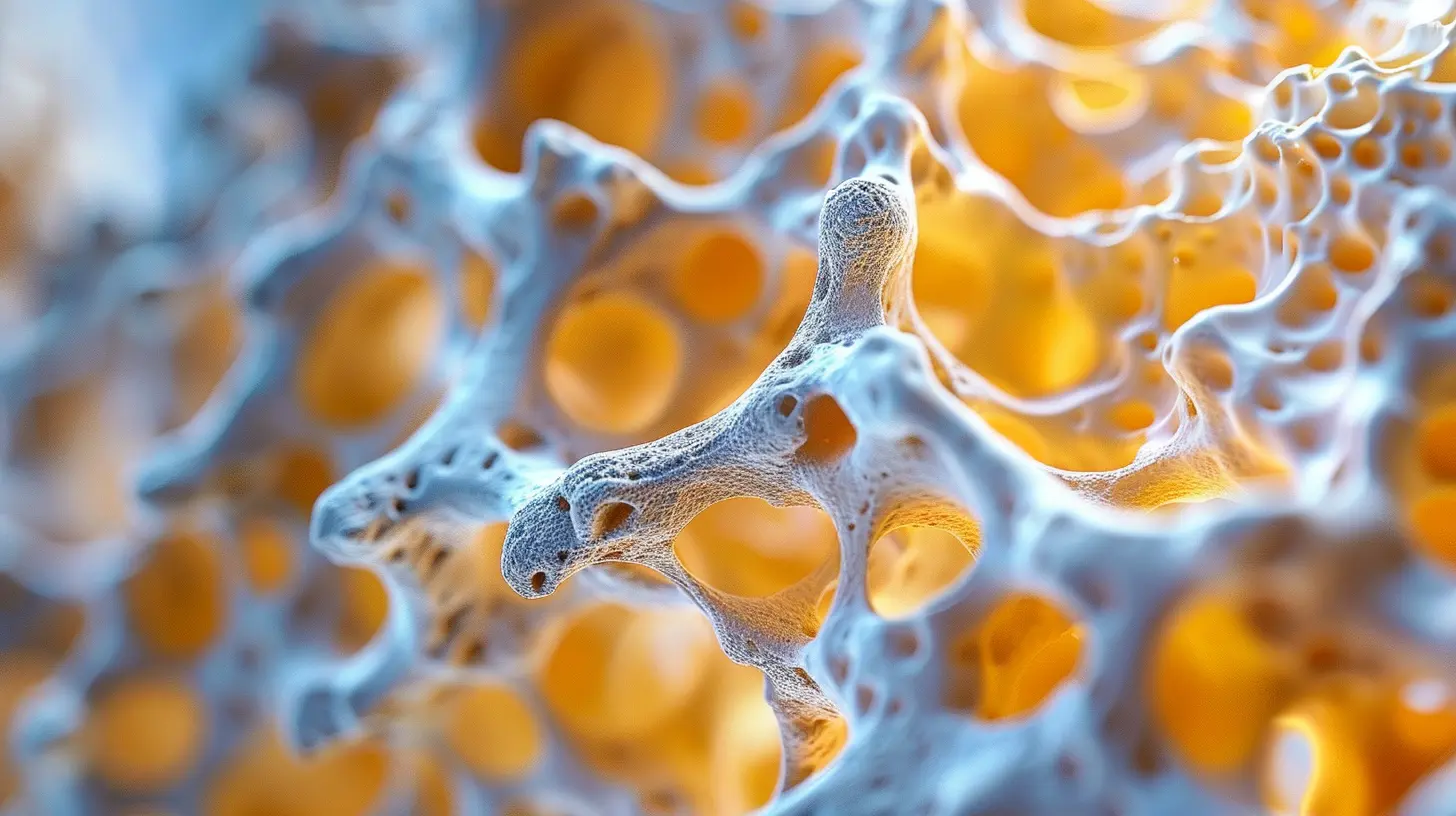
Why Early Screening is a Game Changer
1. Catching Problems Before They Get Serious
Imagine your bones as a bank. You make "deposits" in your younger years—calcium, vitamin D, movement—and then you start making "withdrawals" as you age. But what if your balance is already low, and you didn't even know it?That’s where bone density tests (usually called DXA or DEXA scans) come into play. These tests measure how strong your bones are and whether you're at risk for bone loss.
Catching low bone density early gives you time to make lifestyle changes, boost your nutrition, and maybe start medication if needed—all before a fracture throws you a painful curveball.
2. Preventing Serious Injuries
Let’s be real—fractures are no joke. A broken hip, for example, isn’t just painful. For older adults, it can lead to long hospital stays, decreased independence, and even long-term health complications.Screenings can help prevent these injuries. By knowing your risk, you can take proactive steps to stay strong and avoid becoming part of those scary statistics.
3. Peace of Mind (Yes, That’s a Big Deal)
Anxious about your health? Cool, join the club. But there’s something incredibly reassuring about getting screened and knowing where you stand. If everything’s great—wonderful! If there’s an issue—you can handle it. Either way, you’re in control, and that’s empowering.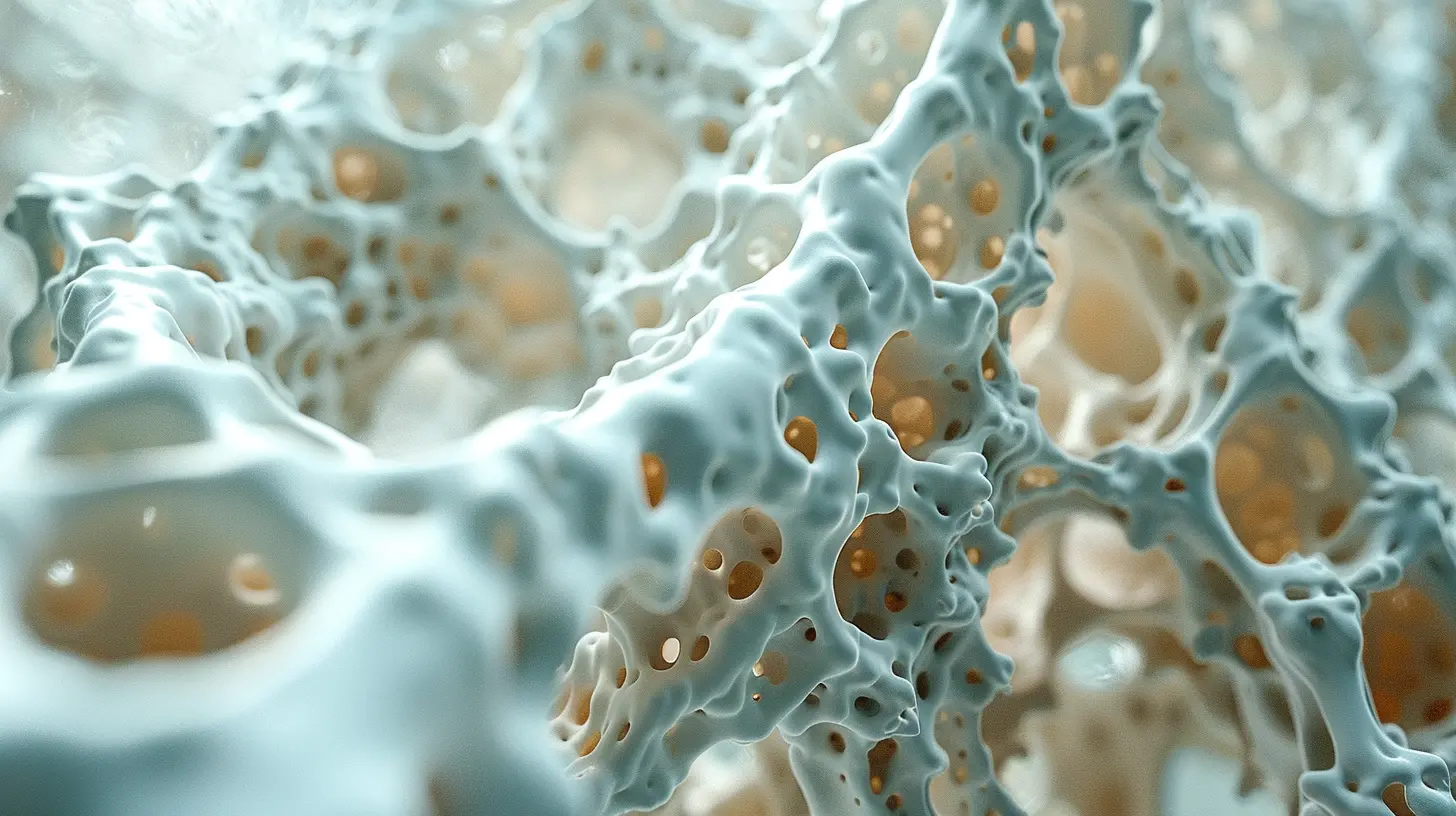
Who Should Get Screened?
Now you might be thinking, “Okay, cool, but does this apply to me?”Short answer: probably, yes.
Here’s a general guideline:
- Women over 65 (or younger if postmenopausal with risk factors)- Men over 70
- Anyone who’s had a fracture after age 50
- People who take medications that affect bone health (like steroids)
- Those with chronic illnesses (think rheumatoid arthritis, thyroid issues, etc.)
- Family history of osteoporosis? Bingo—get checked
Even if you're not in those groups, it’s never a bad idea to talk to your doctor. Especially if you notice things like shrinking height, back pain, or a tendency to break things easily (we’re talking bones, not dishes).
What Happens During a Bone Density Test?
Don't worry, it’s not scary. No needles, no loud clanking machines like an MRI, and definitely no pain.A DEXA scan is super quick—usually takes about 10-20 minutes. You lie on a table while a scanner moves over your body, focusing on your hips and spine. That's it. It’s like the most relaxing health test you’ll ever take.
The result? A T-score, which compares your bone density to a healthy 30-year-old’s. The lower your score, the higher your risk—but knowing is the first step to fixing it.
Can You Reverse Bone Loss?
Here's the good news: to an extent, yes!If you catch bone loss early enough, there are plenty of things you can do to slow it down or even reverse it.
A few superstar moves:
- Calcium and Vitamin D: Your bones love these. Think leafy greens, dairy, fortified juices, and some good ol’ sunshine.- Weight-bearing exercise: Walking, hiking, dancing, resistance training—you name it. If it gets you moving and puts a little pressure on your bones, it’s a win.
- Quit smoking and limit alcohol: Sorry, but these guys aren’t doing your bones any favors.
- Medications: In some cases, your doctor might recommend meds to help rebuild or maintain bone density.
But here’s the kicker: these efforts work best before things get too far. Again, early screening = earlier action = stronger bones down the line.
Busting Some Common Bone Myths
Let’s push aside a few bone-headed myths, shall we?“Only old people get osteoporosis.”
Nope. Bone loss can start as early as your 30s, especially if you're inactive or have certain risk factors.“Men don’t need to worry.”
Wrong again. While women are more at risk, men can and do develop osteoporosis, especially after age 70.“If I drink milk, I’m all good.”
Milk helps, sure, but it's not the whole story. Without the right lifestyle and exercise habits, milk alone won’t save your skeleton.The Bigger Picture: Bone Health Is Whole-Body Health
Let’s zoom out for a sec.Strong bones aren’t just about avoiding breaks. They’re about living a full, active, joyful life. Whether it’s hiking up a mountain, playing with your grandkids, or just walking without fear of falling—your bones make that all possible.
And when things go wrong? Your mobility, independence, and even your mental health can take a hit.
So think of bone screenings as a ticket to future freedom. The stronger your frame, the more life there is to experience.
Start the Conversation Today
Still not sure if a bone screening is right for you?Here’s your homework (don’t worry, it’s super easy): the next time you’re at the doctor’s office, bring it up. Ask about your risk factors. Share your family history. Get curious and advocate for yourself.
You’ve got one skeleton, and trust me—it’s worth the check-up.
Final Thoughts: Your Bones Are Begging You for Attention
So here’s the deal. Bone loss is sneaky, silent, and way more common than you think. But you don’t have to wait for a wake-up call in the form of a fracture.Early screenings are your best shot at staying strong, mobile, and independent well into your golden years. They’re quick, painless, and give you crucial info about what’s happening on the inside.
So show your bones some love. They’ve been holding you up this whole time—it’s time you returned the favor.
all images in this post were generated using AI tools
Category:
Bone HealthAuthor:

Sophia Wyatt
Discussion
rate this article
2 comments
Elora Black
Early screenings empower your health! Stay proactive and keep your bones strong and happy!
March 13, 2026 at 4:36 PM
Sophia Wyatt
Thank you for emphasizing the importance of early screenings! Staying proactive is key to maintaining strong and healthy bones.
Dylan Newton
Early screenings for bone loss are crucial for prevention and management. They allow for timely intervention, reducing the risk of fractures and osteoporosis. Prioritizing these assessments can significantly enhance long-term bone health and overall well-being.
February 6, 2026 at 5:20 AM
Sophia Wyatt
Thank you for highlighting the importance of early screenings! Timely assessments indeed play a vital role in preventing fractures and promoting overall bone health.