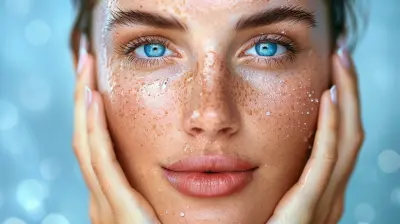
The Impact of Hormones on Hair Growth and Loss
6 July 2026
Ever looked in the mirror, noticed a little more scalp than usual, and wondered, "What the heck is happening to my hair?" You’re not alone. Hair growth—and yes, hair loss—is a deeply personal and sometimes emotional journey for many of us. But here's the kicker: a lot of what’s going on up there is driven by your hormones.
Hormones are like the behind-the-scenes directors of your body's daily drama, and when they’re out of balance, your hair just might take center stage—in a not-so-great way. Whether it’s sudden thinning, excessive shedding, or frustrating slow growth, your hormones could be calling the shots.
So, grab a cup of tea and get comfy. We’re diving deep into how those tiny but mighty messengers—hormones—play a BIG role in your hair health.
What Are Hormones, Anyway?
Think of hormones as your body’s text messages. They carry important info from one part of your body to another, helping you regulate things like metabolism, mood, sleep, and yes—hair growth.Produced by glands in your endocrine system, hormones affect pretty much every cell and organ. When everything’s in balance? Life is good (and your locks probably look fab). But when hormones are off-kilter? That’s when hair drama enters the chat.
How Hair Grows: The Basics
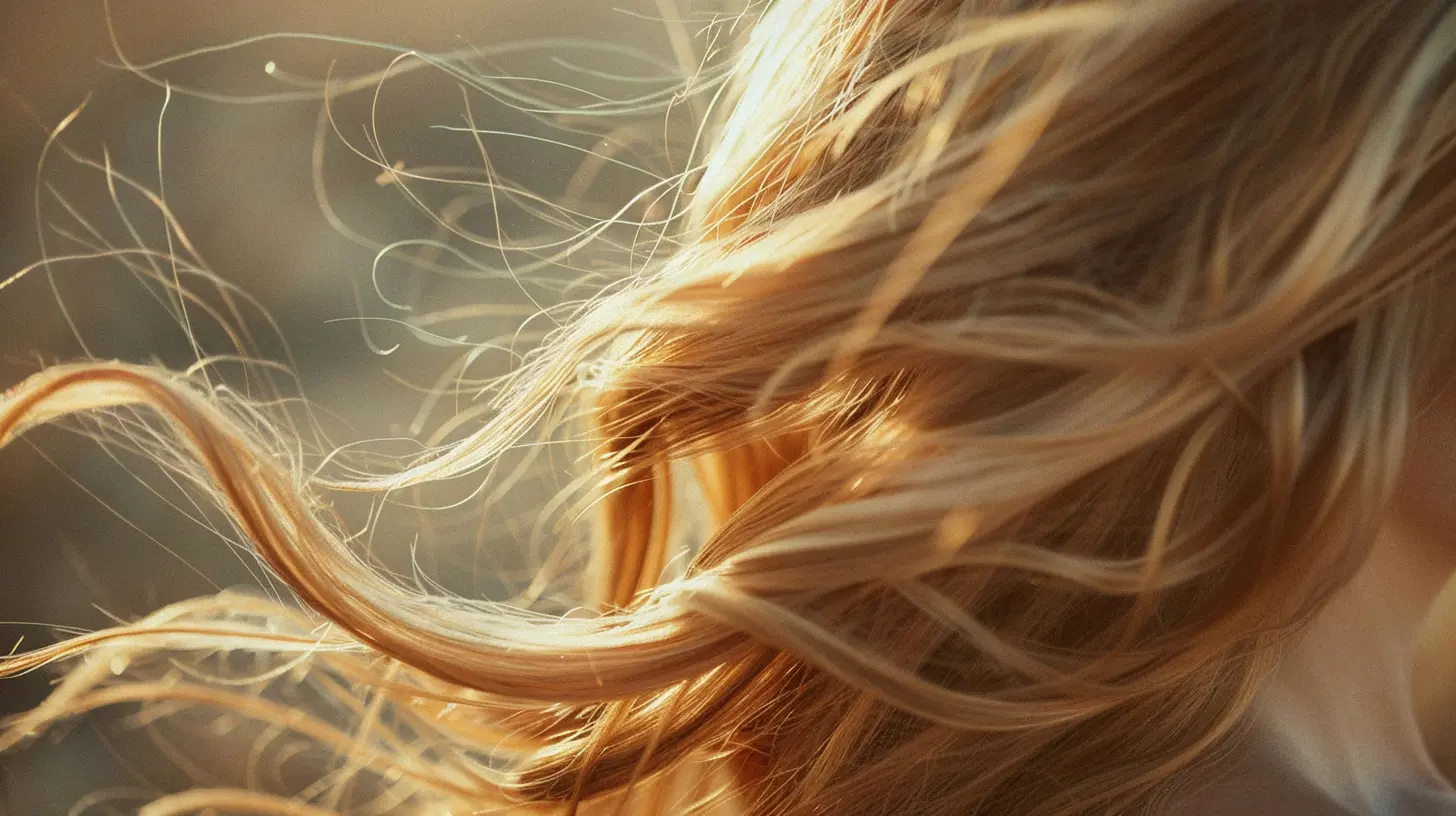
Before we dive into the hormone-hair connection, let’s get a quick lay of the land.Hair growth happens in cycles. Here’s how it works:
- Anagen Phase (Growth): This is the "busy" phase where your hair is growing actively. It can last anywhere from 2 to 7 years.
- Catagen Phase (Transition): This is a short, 2-3 week period where hair growth slows down and follicles shrink.
- Telogen Phase (Rest): Hair stops growing, rests, and eventually falls out to make way for new strands.
Normally, about 85-90% of your hair is in the growing phase, but when hormones go haywire? That balance gets thrown off. And spoiler alert: That’s how trouble begins.
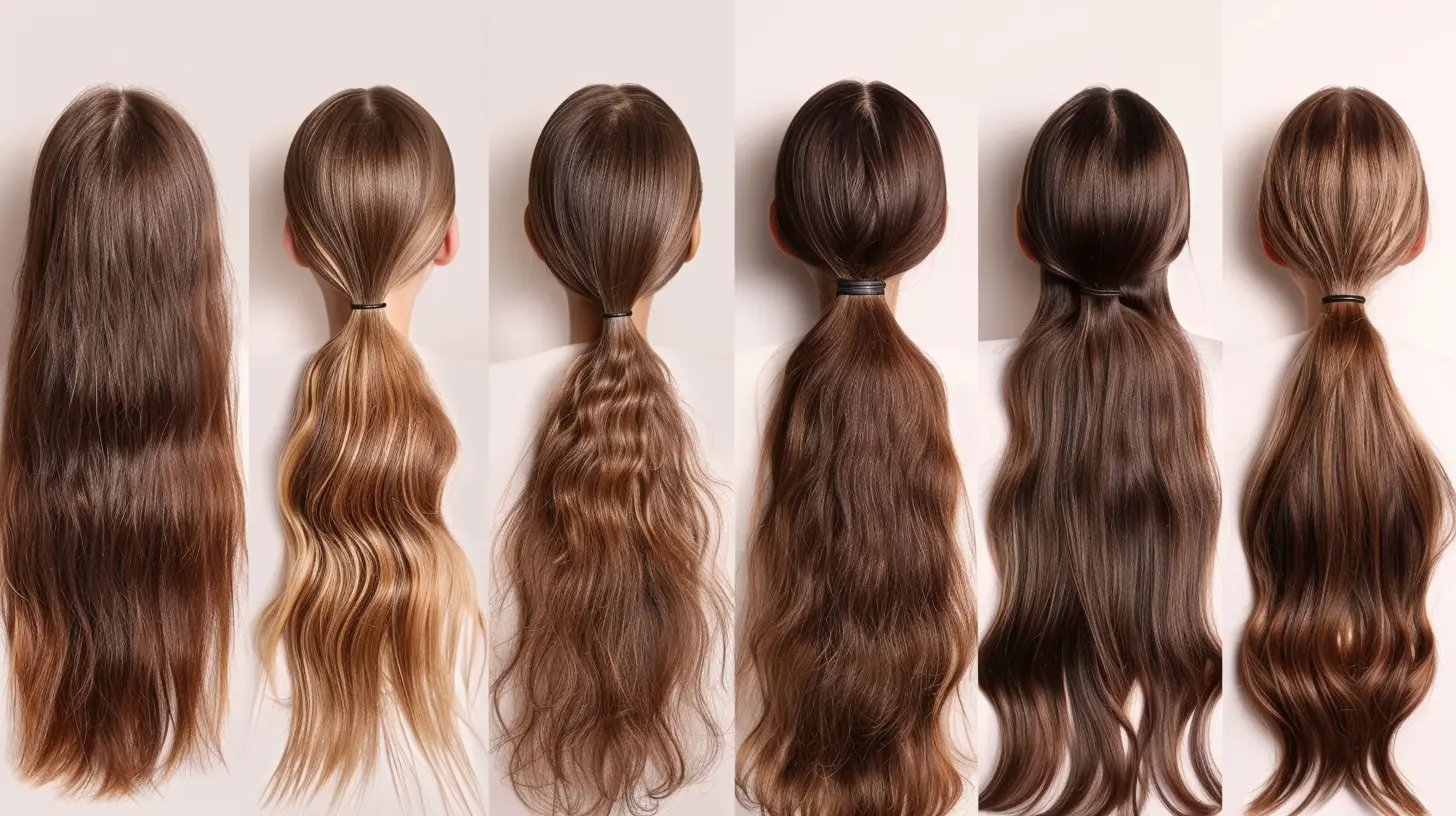
Hormones That Affect Hair Growth and Loss
1. Androgens (Testosterone and DHT)
Let’s start with the usual suspects. Androgens are male sex hormones—yes, women have them too—that play a central role in hair loss, especially androgenic alopecia (also known as male or female pattern baldness).The main culprit here? Dihydrotestosterone (DHT). It’s a more potent form of testosterone that shrinks hair follicles and shortens the growth phase. Over time, the hair becomes thinner, weaker, and eventually stops growing.
If you’re genetically sensitive to DHT, your hair follicles may wave the white flag earlier than expected. That’s why some people start losing hair in their 20s while others rock a full head well into their 60s.
2. Estrogen and Progesterone
These are the “hair-friendly” hormones. Estrogen and progesterone help keep your hair in the growth phase longer and prevent it from shedding too quickly.Ever noticed how pregnant women often have thick, voluminous hair? That’s the estrogen boost! But after childbirth, those levels drop like a rock, leading many women to experience postpartum hair loss around three to four months after giving birth.
Menopausal women face a similar challenge. As estrogen and progesterone levels decline, hair can become thinner, drier, and more prone to falling out.
3. Thyroid Hormones
Your thyroid, a butterfly-shaped gland in your neck, produces hormones that regulate your metabolism. But guess what? They also influence hair growth.Both hyperthyroidism (too much thyroid hormone) and hypothyroidism (too little) can lead to hair loss. It’s typically diffuse thinning—not just on the scalp, but sometimes even the eyebrows (the outer third, to be exact).
Fortunately, balancing your thyroid levels with proper treatment often helps hair regrow over time.
4. Cortisol (The Stress Hormone)
Ah, cortisol—the hormone with a bad rep, and for good reason. Chronic stress boosts cortisol levels, which can wreak havoc on your body, including your hair follicles.High cortisol disrupts the normal hair growth cycle, prematurely kicking hairs out of the growth phase and into the shedding phase. This can result in telogen effluvium, a condition that leads to noticeable hair shedding, often in handfuls. Yikes.
5. Insulin and Blood Sugar Hormones
Insulin resistance, common in conditions like PCOS (Polycystic Ovary Syndrome), messes with hormone levels big time. Women with PCOS usually have elevated androgens, which—yep, you guessed it—can lead to hair thinning on the scalp and excess hair growth on the face or body.Stable blood sugar isn't just about energy or weight. It plays a role in maintaining balanced hormones, which in turn keeps your hair healthier.
Hormonal Hair Loss Conditions: What You Should Know
Androgenic Alopecia
This is the most common type of hormonal hair loss, affecting both men and women. In men, it causes a receding hairline and balding at the crown. In women, it usually shows up as diffuse thinning across the top of the scalp.Telogen Effluvium
Triggered by sudden changes in hormones (think: childbirth, major illness, intense stress), this condition pushes hair into the resting phase too soon. The good news? It’s usually temporary.Alopecia Areata
While technically an autoimmune condition, hormone imbalances—especially stress hormones—can trigger or worsen it. The result? Sudden, patchy hair loss.Postpartum Hair Loss
This is super common and perfectly normal. It peaks around 3–4 months after giving birth and usually resolves within 6–12 months. Hang in there, mamas!Signs Hormonal Imbalances Are Affecting Your Hair
Not sure if your hormones are to blame? Here are a few red flags to watch for:- Sudden, noticeable hair thinning
- Hair falling out in clumps
- Changes in hair texture (more dry or brittle)
- Increased facial or body hair (for women)
- Irregular menstrual cycles
- Fatigue or mood swings (possible thyroid or cortisol-related)
- Acne or unexplained weight gain
If any of these sound familiar, it’s worth chatting with a healthcare provider. A simple blood test can check your hormone levels.
Natural Ways to Support Hormonal Balance (and Your Hair)
Okay, so hormones are in the driver’s seat—but you’re not totally at their mercy. Here’s how you can give your body a fighting chance at healthier hair:1. Eat for Hormonal Harmony
Foods rich in omega-3s, zinc, iron, and biotin are your hair’s BFFs. Think:- Fatty fish like salmon
- Leafy greens
- Nuts and seeds
- Eggs
- Sweet potatoes
And don’t forget protein! Hair is mostly made of keratin, a protein, so make sure you’re getting enough in your meals.
2. Manage Stress Like a Pro
Easier said than done—believe me, I know. But chronic stress is like kryptonite for your hormones. Try:- Deep breathing or meditation
- Gentle exercise like yoga or walking
- Journaling or talking to a therapist
- Getting enough sleep (at least 7–8 hours)
3. Support Your Thyroid
Get enough iodine, selenium, and zinc. If your thyroid’s underperforming, your hair might be the first to know. Bonus tip: cut back on processed foods, which can mess with thyroid function.4. Consider Hormone Testing
If you’ve tried the lifestyle stuff and your hair still isn’t cooperating, a hormone panel can help you (and your doctor) figure out what’s going on. This can lead to personalized treatments that get to the root of the issue—literally.5. Look Into Topical and Medical Treatments
Some people benefit from options like:- Minoxidil (Rogaine) for pattern baldness
- Hormone therapy (under medical guidance)
- Supplements such as saw palmetto, biotin, or spearmint tea (great for lowering androgens)
- Platelet-rich plasma (PRP) treatments
Always talk to your doc before starting anything new, especially when hormones are involved.
Final Thoughts: It’s Not Just "Hair Loss"—It’s a Hormone Story
Here’s the truth: Hair loss isn’t just about vanity. It affects how you feel, how you see yourself, and sometimes, your overall confidence. And while it may seem like your hair is betraying you, it’s often your body’s way of waving a red flag—"Hey! Something’s off!"By understanding the hormone-hair connection, you’re taking a powerful step toward regaining control. Whether through diet, stress management, or chatting with your doctor, you’ve got tools—and hope.
So be kind to yourself. Your hair (and hormones) are doing the best they can. And with the right support? They can bounce back stronger than ever.
all images in this post were generated using AI tools
Category:
Healthy HairAuthor:

Sophia Wyatt
Discussion
rate this article
1 comments
Robert Summers
Understanding the role of hormones in hair growth and loss is crucial for anyone facing these issues. Hormonal imbalances can trigger shedding or hinder growth. Exploring treatments that address these imbalances can lead to effective solutions, highlighting the intricate connection between our body's chemistry and our hair health.
July 11, 2026 at 4:05 AM
Sophia Wyatt
Absolutely, understanding hormones is key. They play a major role in hair health, and tackling imbalances can make a real difference in growth and loss.