The Impact of Hormones on Bowel Movements
13 February 2026
Let’s talk about something that doesn’t get enough attention: poop. Hey, don’t act like you’re too fancy to chat about this. We all do it. Daily. Hopefully. But have you ever noticed that sometimes your gut seems to be on a rollercoaster ride without your permission? One day, you’re all smooth sailing. The next, you’re bloated, constipated, or making an Olympic sprint to the bathroom. What gives?
Well, buckle up your seatbelts (but not too tight—you’ll want to breathe for this), because we’re about to dive deep into one of the most underappreciated puppet masters of your bathroom habits: hormones.
Yeah, those tiny chemical messengers are doing way more than making teens cranky, causing acne, or making your voice crack. They’re also pulling the strings on your intestines. Let’s break it down, bowel-movement-style.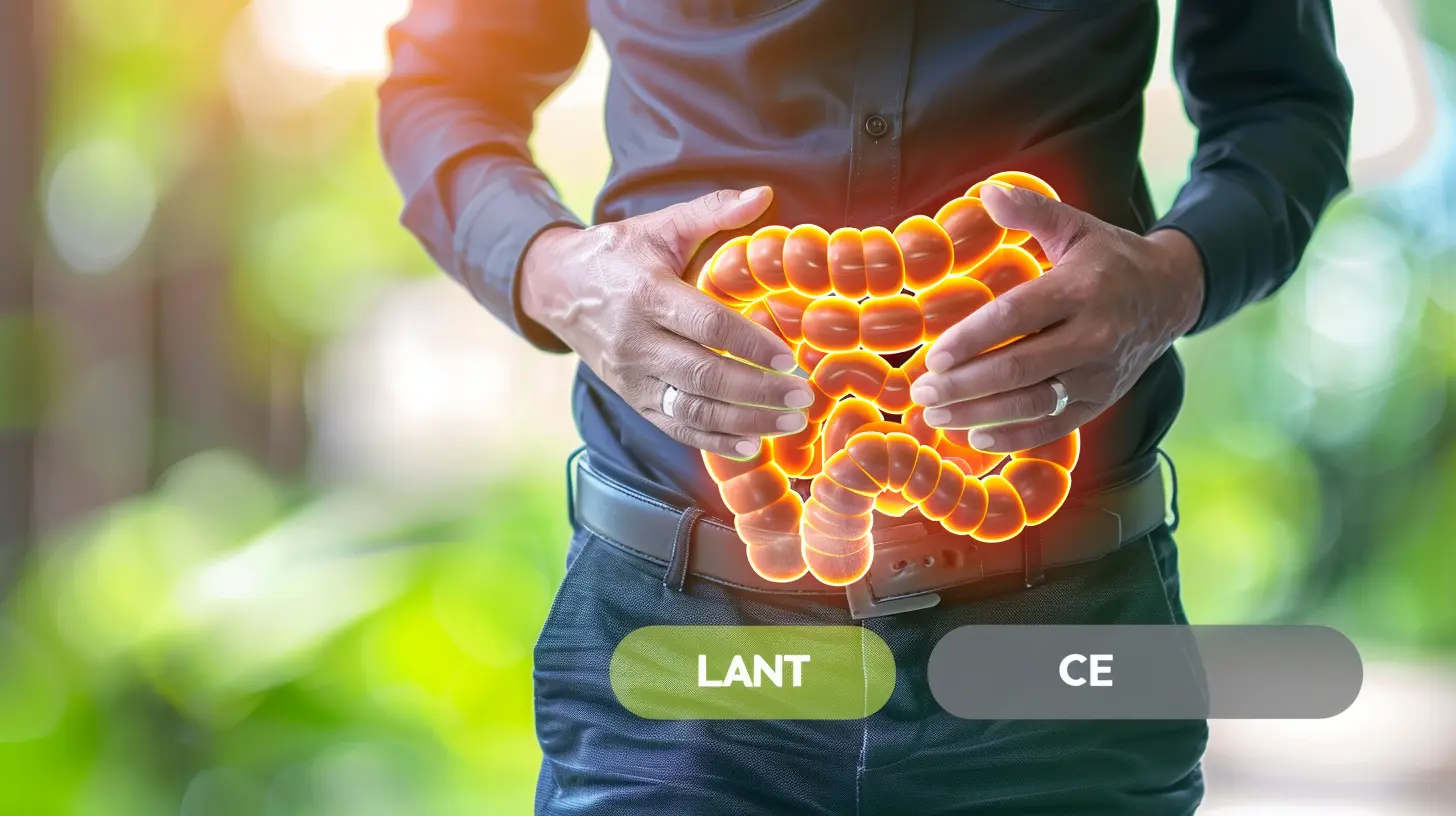
Hormones: The Secret Poop Commanders
Hormones are like the CEOs of your body. They don’t do the day-to-day work themselves, but oh boy, they send out orders that control the entire operation. Including your gut.Your digestive system is actually super sensitive to fluctuations in hormones. Why? Because your intestines are basically lined with smooth muscle tissue that responds to hormonal signals. When things are out of whack? Well, so is your poop schedule.
Estrogen and Progesterone: The Diva Duo
Let’s start with the drama queens of the hormone world: estrogen and progesterone. These two are heavily involved in the menstrual cycle, so people with periods will know the chaos they can cause.PMS and Poop: A Love-Hate Relationship
Ever notice how your poop habits change right before Aunt Flo arrives? That’s estrogen and progesterone throwing a backstage tantrum. Right before menstruation starts, progesterone levels peak and then crash. Progesterone is a smooth muscle relaxer (think of it as the CBD of hormones), so when it’s high, your intestines get a little...lazy. Hello, constipation.Then estrogen jumps in right before your period. It can cause the intestines to contract more, which might lead to loose stools or, well, period-poops. (Yes, it’s a real thing. It's not just you.)
Pregnancy: The Bowel Buffet
Pregnancy hormones are a cocktail of chaos. Progesterone goes through the roof, and everything relaxes—including your bowels. That’s why many pregnant folks deal with constipation. Add in a growing uterus squishing your intestines like a traffic jam, and you’ve got yourself a royal mess.
Cortisol: The Stress Hormone with a Gut Punch
Cortisol is your body’s main stress hormone. And when you’re stressed, your gut knows. Ever had a “nervous stomach?” That’s cortisol firing off like an overcaffeinated barista.When cortisol rises, it can slow digestion (leading to constipation), or speed it up so much you’re searching for the nearest restroom (hello, diarrhea). Chronic stress is basically cortisol’s way of saying, “I’m here to make your bathroom visits unpredictable!”
So yes, being stressed can literally make you poop weird.
Thyroid Hormones: The Gut’s Pace-Setters
Your thyroid produces hormones (like T3 and T4) that help regulate your metabolism. That includes how fast or slow your digestive system works.Hypothyroidism: Slow and Steady—and Constipated
If your thyroid is underactive (a.k.a. hypothyroidism), everything slows down. Your digestion included. So, you guessed it—constipation strikes again.Hyperthyroidism: Fast and Furious
On the flip side, if your thyroid is overactive (hyperthyroidism), your gut might speed through digestion like it’s late for a meeting. That means more frequent (and often looser) bowel movements.Insulin and Blood Sugar: The Silent Contributors
Insulin does more than just help manage blood sugar. It also works behind the scenes with your digestion. People with insulin resistance or diabetes often notice changes in their poop schedule.High blood sugar levels over time can damage the nerves that control the gut (a condition known as gastroparesis). That means things move sloooooowly. It’s like trying to get a teenager to clean their room—delayed, inefficient, and occasionally non-existent.
Melatonin: The Night-Shift Gut Manager
Melatonin, the “sleep” hormone, also plays a role in gut motility. That’s because your intestines kind of have their own circadian rhythms. While you sleep, your gut is still working—cleaning up, breaking down, and getting everything ready for the next day.Poor sleep = poor melatonin = sluggish gut in the morning. That might explain why things feel “off” when you party through the night or binge-watch an entire season on Netflix at 2 a.m.
Menopause: The Hormonal Plot Twist
Menopause is a hormonal plot twist that no one asked for. Estrogen drops, progesterone packs her bags, and your gut’s response can be all over the place.Some people experience constipation, bloating, or gas. Others deal with diarrhea. Sometimes all in the same week. Surprise!
The Hormonal Gut Axis: It’s Not Just In Your Head
Ever heard of the gut-brain connection? Your brain and your gut are in constant contact, chatting away like BFFs. Hormones are one of the main ways they communicate.Feel anxious or nervous? That’s your brain sending signals (and hormones) to your gut. And your gut reacts accordingly—maybe with cramps, urgency, or a full-on bathroom emergency.
How to Survive Hormonal Gut Mayhem
Alright, now that you know hormones are the behind-the-scenes chaos goblins messing with your digestive system, what can you do about it?1. Eat Like Your Gut’s Best Friend
Fiber is your gut’s BFF. Eat more of it. Fruits, veggies, whole grains—they’re like love letters to your intestines.But don’t go overboard overnight, or your gut might write you a strongly worded complaint (read: gas and bloating).
2. Hydrate or Constipate
Water is the unsung hero of bowel movements. It keeps everything flowing. Think of your digestive system like a water slide—without water, it’s just a dry, sad, sticky tube.3. Move That Booty
Exercise helps regulate hormones and promotes healthy digestion. Even a regular walk can get things “going” in more ways than one.4. Manage Stress (Before It Manages You)
Meditation, deep breathing, yoga, punching a pillow—whatever helps you chill. Lowering stress helps balance cortisol and keeps your gut from turning into a battlefield.5. Talk to Your Doctor
If your bowel schedule is acting like a dramatic soap opera, get the pros involved. There could be hormonal imbalances, thyroid issues, or other underlying conditions that need attention.Weird Hormonal Poop Facts You’ll Absolutely Brag About
Because no informative article is complete without a few “wait, what?” moments:- Your gut has more hormone receptors than many parts of your body. It’s basically an honorary member of the endocrine system.
- Some people refer to progesterone as the “pregnant-and-plugged” hormone because of its constipation effect.
- Changes in poop are among the earliest signs of pregnancy, due to hormonal shifts before you even miss a period.
- Hormonal birth control can mimic pregnancy-like poop changes—yep, that bloat and constipation aren’t random.
Final Flush
Look, we all love a good laugh, but the impact of hormones on bowel movements is no joke. These little chemical messengers are constantly shaping how your gut behaves. Whether it’s the monthly dance of estrogen and progesterone, the late-night influence of melatonin, or stress-induced cortisol chaos—your poop is basically the end result of an ongoing hormonal group chat.So the next time your bathroom habits feel out of whack, don’t just blame the burrito—consider your hormones too. They're probably behind the scenes, throwing a party (or a riot) in your gut.
And hey, talking about poop isn’t taboo—it’s healthy, informative, and honestly a little entertaining. So keep an eye on your hormones and your bowel habits. Your gut will thank you, even if it doesn’t send a thank-you card.
all images in this post were generated using AI tools
Category:
Bowel HealthAuthor:

Sophia Wyatt
Discussion
rate this article
2 comments
Zacharias Cummings
Great article! It’s amazing how our hormones play such a big role in everything, including our bowels. Remember, listening to your body is key—stay positive, stay informed, and let those hormones do their thing!
March 11, 2026 at 4:17 AM
Sophia Wyatt
Thank you for your thoughtful comment! Absolutely, understanding our hormones can greatly enhance our well-being. Staying in tune with our bodies is crucial.
Joanna McNeely
This article effectively highlights the significant role hormones play in regulating bowel movements. Understanding this connection can empower individuals to address digestive issues and promote overall gut health. Great insights!
February 14, 2026 at 5:39 AM
Sophia Wyatt
Thank you for your thoughtful comment! I'm glad you found the insights on the hormonal influence on bowel health valuable.