The Connection Between Portion Control and Cognitive Health
7 November 2026
Maintaining cognitive health is increasingly recognized as crucial for overall well-being, especially as we age. One often overlooked aspect of cognitive health is diet, particularly portion control. This article delves into the intricate relationship between portion control and cognitive health, providing insights into how mindful eating can enhance brain function and overall mental clarity.
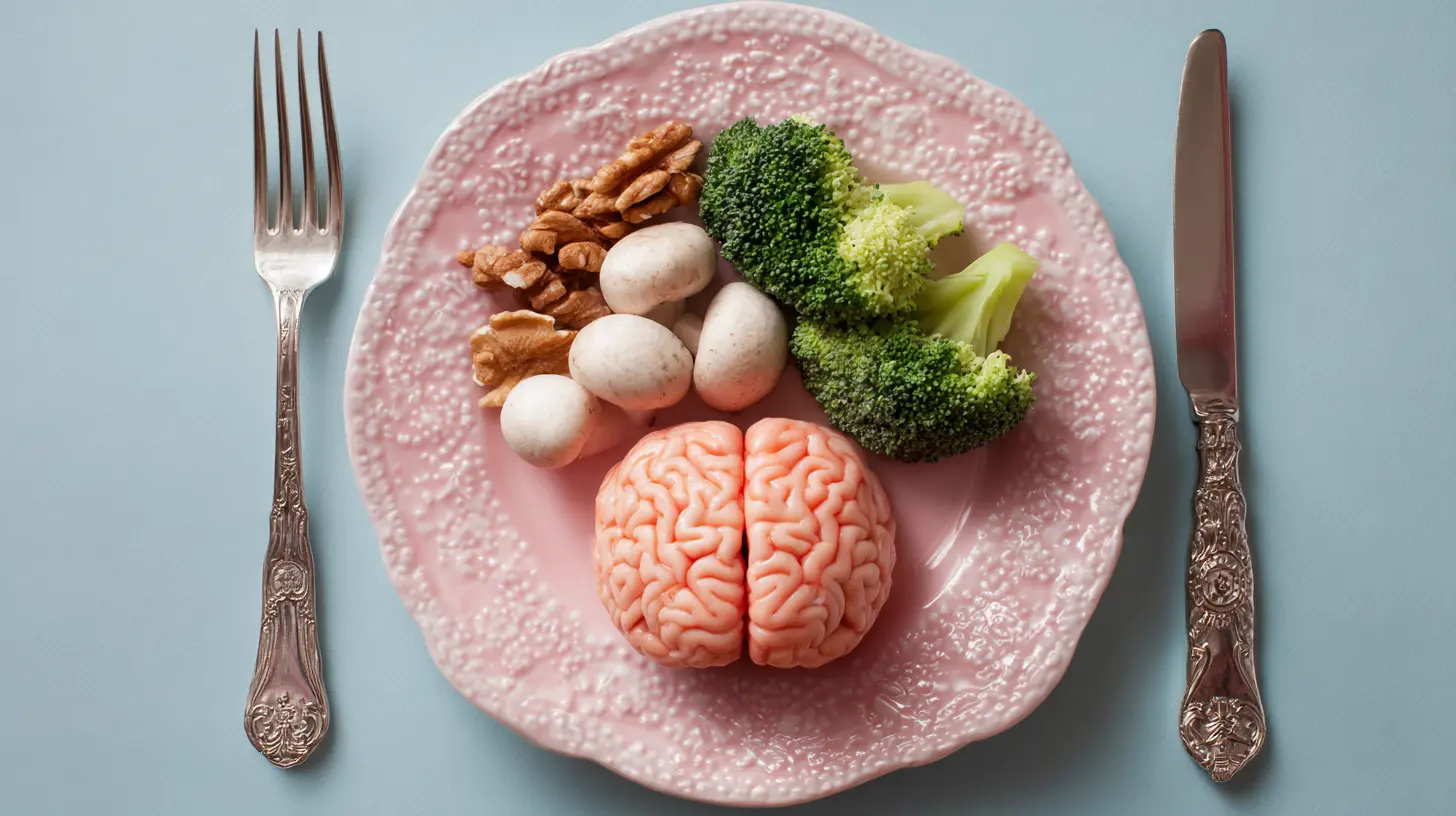
Understanding Cognitive Health
Cognitive health refers to the ability to think, learn, and remember. It encompasses various mental processes, including attention, memory, and reasoning. Cognitive decline can result from numerous factors, including aging, lifestyle choices, and dietary habits. By prioritizing cognitive health, individuals can improve their quality of life and maintain independence longer.The Role of Nutrition in Cognitive Health
Nutrition directly impacts brain function. The brain requires a variety of nutrients to operate efficiently. For instance, omega-3 fatty acids found in fish are essential for brain health, while antioxidants from fruits and vegetables help combat oxidative stress. However, the benefits of these nutrients can be mitigated by poor dietary habits, particularly overconsumption.
The Importance of Portion Control
Portion control involves managing the amount of food consumed at each meal. This practice not only helps maintain a healthy weight but also can significantly influence cognitive health. Overeating can lead to obesity, which is associated with various cognitive impairments, including memory loss and decreased brain function.How Overeating Affects the Brain
When we consume more calories than our bodies need, it can lead to various metabolic issues. Excessive caloric intake can cause inflammation, which has been linked to cognitive decline. obesity can affect insulin sensitivity, leading to increased risks of conditions such as diabetes, which further impacts brain health.The Science Behind Portion Control and the Brain
Research indicates that portion sizes can affect how we perceive hunger and satiety. When larger portions are served, people tend to eat more, often disregarding their body's natural hunger cues. This disconnect can contribute to poor dietary choices and increased caloric intake, which can harm cognitive function over time.
Practical Strategies for Portion Control
Implementing portion control does not require drastic changes. Here are some practical strategies to help you eat mindfully while supporting cognitive health.Use Smaller Plates and Bowls
One simple yet effective method is to use smaller plates and bowls. This can create the illusion of a fuller plate, helping to reduce portion sizes without feeling deprived. Research suggests that when people eat from smaller dishes, they consume fewer calories while still feeling satisfied.Be Mindful of Serving Sizes
Understanding serving sizes is crucial. Familiarize yourself with standard serving sizes for various food groups. For instance, a serving of meat is typically about the size of a deck of cards, while a serving of fruits or vegetables is roughly one cup. Measuring portions can help develop a better understanding of appropriate serving sizes.Slow Down and Savor Your Food
Eating slowly can significantly impact how much you consume. When you take your time, you allow your brain to register fullness signals, which can prevent overeating. Try to chew your food thoroughly and engage in conversation during meals to help slow down your eating pace.Listen to Your Body
Paying attention to hunger and fullness cues is essential for effective portion control. Before reaching for seconds, ask yourself if you are genuinely hungry or if you are eating out of habit or boredom. Mindful eating encourages a deeper connection with your body's needs.
The Benefits of Portion Control for Cognitive Health
Adopting portion control can lead to numerous benefits for cognitive health, including improved brain function, better memory, and reduced risk of cognitive decline.Enhanced Brain Function
By controlling portion sizes, you can maintain a balanced diet rich in nutrients essential for brain health. A diet that includes adequate amounts of omega-3s, antioxidants, and vitamins can promote better cognitive function and memory retention.Reduced Risk of Cognitive Decline
Studies suggest that individuals who maintain a healthy weight through portion control are at a lower risk for cognitive decline as they age. By minimizing the risks associated with obesity and metabolic disorders, you can help protect your brain from age-related changes.Improved Mood and Mental Clarity
Balanced nutrition, supported by portion control, can lead to improved mood and mental clarity. Foods rich in nutrients can positively impact neurotransmitter function, leading to better emotional regulation and cognitive performance.Common Mistakes and Misconceptions
While portion control is beneficial, there are common mistakes and misconceptions that can hinder progress.Misunderstanding Portion Sizes
One of the biggest challenges is the misunderstanding of what constitutes a portion. Many people underestimate serving sizes, leading to unintentional overeating. Educating yourself about proper portion sizes is crucial for success.Relying on Caloric Restriction Alone
Some individuals mistakenly believe that simply reducing calories will lead to better cognitive health. While caloric intake is important, the quality of the food consumed is equally vital. Focusing solely on calorie restriction can result in nutrient deficiencies, which can negatively impact cognitive function.Ignoring Nutritional Quality
Not all calories are created equal. A diet high in processed foods and sugars can lead to cognitive decline, even if caloric intake is controlled. Prioritizing nutrient-dense foods while practicing portion control is essential for optimal brain health.
Best Practices for Sustainable Portion Control
To make portion control a sustainable practice, consider the following best practices.Meal Planning and Preparation
Planning meals in advance can help control portion sizes and ensure a balanced diet. Preparing meals at home allows you to portion out servings according to your nutritional needs. This practice not only saves time but also promotes healthier eating habits.Stay Hydrated
Sometimes, thirst can be mistaken for hunger. Staying hydrated is crucial for overall health and can help manage appetite. Drinking water before meals can also promote a feeling of fullness, leading to smaller portion sizes.Seek Support
If you're struggling with portion control, consider seeking support from a registered dietitian or nutritionist. These professionals can provide personalized guidance and help you develop a sustainable eating plan that aligns with your cognitive health goals.The Role of Exercise in Cognitive Health
While portion control is vital, it is essential to recognize the role of physical activity in cognitive health. Regular exercise increases blood flow to the brain, supports neuroplasticity, and can even promote the growth of new brain cells. Combining portion control with a consistent exercise regimen can amplify the benefits for cognitive health.Finding the Right Balance
It is important to find a balance that works for you. Consider activities you enjoy, whether it's walking, cycling, or dancing. Aim for at least 150 minutes of moderate aerobic activity each week, combined with strength training exercises on two or more days.
Conclusion
The connection between portion control and cognitive health is profound. By understanding the impact of what and how much we eat, we can take significant steps toward enhancing our brain function and overall well-being. Portion control, when practiced mindfully, can lead to improved cognitive health, reduced risks of decline, and a better quality of life.Embracing these strategies not only supports brain health but also fosters a healthier relationship with food. As you navigate your journey toward mindful eating, remember that every small step counts in promoting cognitive vitality.
all images in this post were generated using AI tools
Category:
Portion ControlAuthor:

Sophia Wyatt
Discussion
rate this article
1 comments
Flynn Rhodes
Who knew that controlling portions could be the secret to not just our waistlines but brains too?
November 7, 2026 at 4:06 AM