Stress-Reducing Practices You Can Incorporate Into Your Day
12 February 2026
Stress—it's like an uninvited guest that overstays its welcome. It sneaks in, lingers, and messes with your peace of mind. But what if I told you that tackling stress doesn’t require some expensive retreat or a dramatic lifestyle overhaul? In fact, a few simple, scientifically backed practices can make a world of difference.
In this article, we'll dive deep into stress-reducing habits you can easily weave into your day—no fancy equipment, no time-consuming routines, just practical and effective ways to reclaim your calm. 
Why Is Stress So Hard to Shake Off?
Ever feel like stress clings to you no matter how hard you try to unwind? That’s because stress isn’t just in your head—it’s a full-body experience. When you're anxious, your body releases cortisol, the infamous stress hormone. In small doses, it’s useful (think fight-or-flight mode), but when it lingers, it wreaks havoc on your health.Symptoms can range from a racing heart and tense muscles to sleepless nights and brain fog. But here’s the good news: you have more control over stress than you think.
So, let’s get into the good stuff—practical, everyday habits that will help you kick stress to the curb. 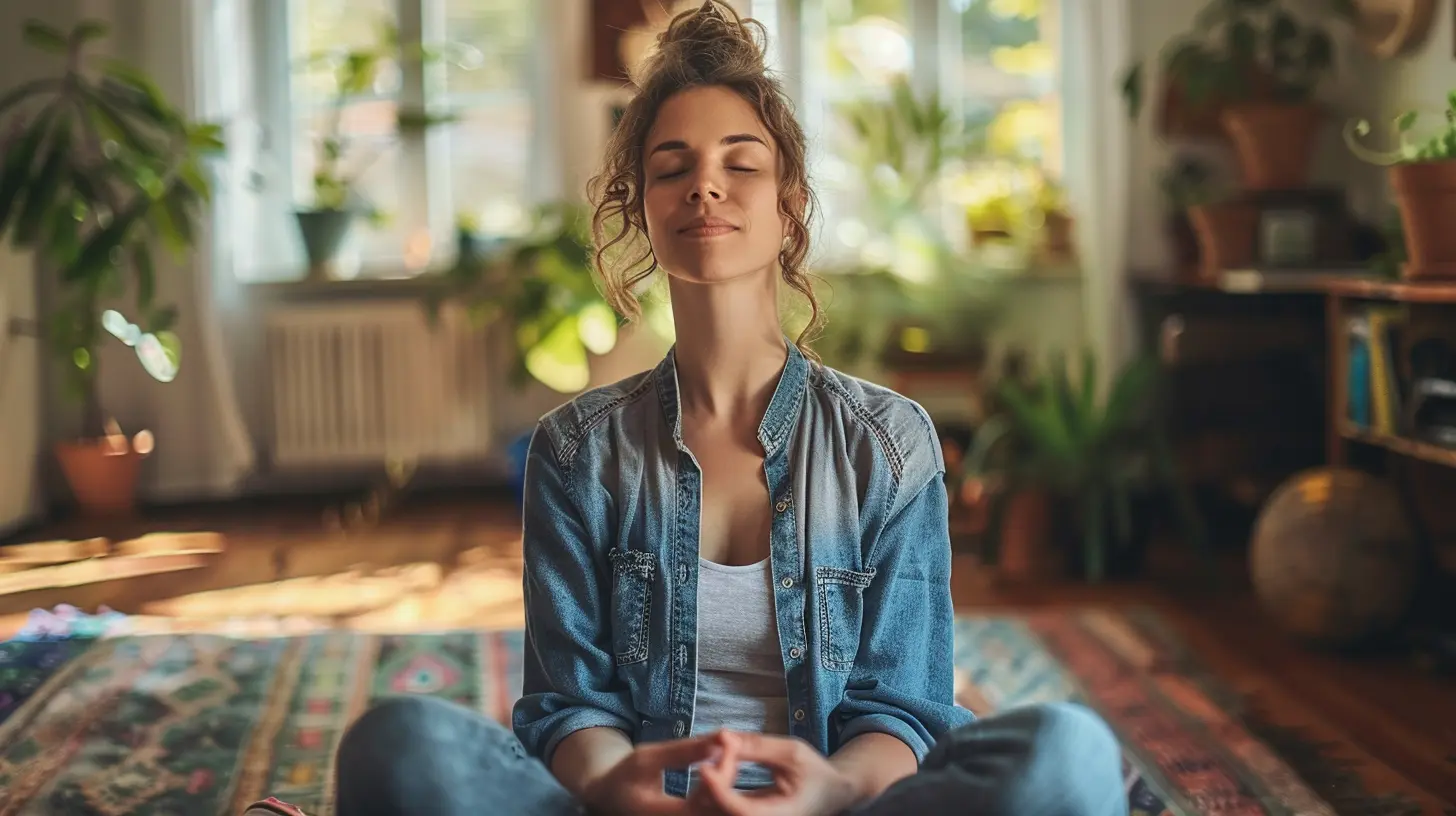
1. Start Your Day with Deep Breathing
Sounds too simple, right? But trust me—deep breathing is like a magic reset button for your nervous system.A quick exercise called box breathing can bring immediate relief:
- Inhale through your nose for four seconds
- Hold for four seconds
- Exhale slowly through your mouth for four seconds
- Hold again for four seconds
Repeat this for a couple of minutes, and you’ll feel the tension melting away. The best part? You can do this anywhere—before a big meeting, in traffic, or even before getting out of bed. 
2. Get Moving—Even If It’s Just for 5 Minutes
Exercise isn’t just about looking good; it’s a surefire way to kick stress to the curb. Even a five-minute walk can trigger endorphins, those feel-good hormones that lower stress.Pressed for time? Try these quick stress-busting movements:
- Jumping jacks – Instant energy boost
- Stretching – Releases muscle tension
- Dancing – Turns stress into joy (bonus if you blast your favorite song!)
Your body stores stress like a sponge absorbs water, so movement helps squeeze it all out. 
3. Turn Your Showers into a Mindfulness Ritual
Instead of rushing through your morning shower, turn it into a stress-relief session. Focus on the sensation of water hitting your skin, the scent of your soap, and the warmth soothing your muscles.Want to kick it up a notch? Try a contrast shower:
- 30 seconds of cold water
- 30 seconds of warm water
- Repeat a few times
It might sound shocking (literally), but this technique improves circulation and promotes mental clarity.
4. Limit Your Screen Time—Yes, Really
Ever feel mentally drained after doom-scrolling social media or binge-watching news updates? That's because your brain wasn’t designed to consume endless information.Try the 20-20-20 rule:
- Every 20 minutes, look away from your screen
- Focus on something 20 feet away
- Hold your gaze for 20 seconds
This simple habit reduces eye strain, improves focus, and gives your brain tiny stress-relief breaks throughout the day.
5. Sip Your Way to Serenity
What’s in your cup matters more than you think. Certain drinks can either fuel stress or fight it.Here are some stress-reducing drinks to try:
- Chamomile tea – Calms nerves and promotes sleep
- Green tea – Packed with L-theanine, known for its relaxing effects
- Warm lemon water – Hydrates and refreshes your system
Trade your third cup of coffee for one of these, and your nervous system will thank you.
6. Unplug and Step Outside
Nature is the ultimate stress reliever. Studies show that even 10 minutes outside can lower cortisol levels and boost mood.- Walk barefoot on grass (also called earthing)
- Sit under a tree and breathe deeply
- Listen to the sound of birds or rustling leaves
Nature doesn’t just calm your mind—it resets your entire system.
7. Journal Your Thoughts (Even If You Don’t Like Writing)
Journaling isn't just for poets and writers. It’s a powerful way to unload stress and gain clarity.Try brain-dumping: set a timer for five minutes and write whatever comes to mind—no censoring, no overthinking. The goal isn’t to create a masterpiece; it’s to release the mental clutter.
Bonus tip? End your journaling session with three things you’re grateful for. Gratitude is a natural stress-buster.
8. Use Essential Oils for Instant Calm
Certain scents can work wonders in reducing stress. Essential oils trigger the limbic system—a part of the brain that controls emotions.Top stress-relieving oils:
- Lavender – Promotes relaxation and sleep
- Peppermint – Reduces mental fatigue
- Frankincense – Grounds emotions and brings inner peace
Diffuse them, add a few drops to your wrists, or put some in your bath for an instant mood shift.
9. Practice Saying “No” More Often
Overcommitting is a fast track to burnout. If you’re constantly saying yes to things that drain you, it’s time to reclaim your energy.Next time someone asks for something you’re hesitant about, try this:
➡️ “I’d love to help, but I can’t commit right now.”
➡️ “I need to check my schedule first.”
Setting boundaries isn’t selfish—it’s self-care.
10. Prioritize Sleep Like Your Sanity Depends on It (Because It Does)
Lack of sleep is one of the biggest culprits behind stress. If you’re skimping on rest, your body stays in fight-or-flight mode, making everything feel more overwhelming.Here’s how to sleep better:
- Power down devices at least an hour before bed
- Keep your bedroom cool and dark
- Try a weighted blanket for extra relaxation
A well-rested you is a stress-proof you.
Final Thoughts: Small Steps, Big Impact
Stress will always be a part of life, but how you handle it makes all the difference. By sprinkling these practices into your day—whether it's a short walk, deep breathing, or saying no more often—you’re taking your power back.The best part? Most of these don’t require extra time or effort, just a shift in how you navigate your day. So, which one are you trying first?
all images in this post were generated using AI tools
Category:
Self CareAuthor:

Sophia Wyatt
Discussion
rate this article
2 comments
Gavin McInnes
This article provides practical and accessible strategies for managing stress effectively. Incorporating simple practices like mindfulness, deep breathing, and regular physical activity can significantly improve mental well-being. It's a valuable reminder that small, consistent changes can lead to a healthier, more balanced life. Thank you for sharing these tips!
March 7, 2026 at 4:18 AM
Sophia Wyatt
Thank you for your thoughtful feedback! I'm glad you found the strategies helpful and appreciate your insights on the power of small changes for improved mental well-being.
Phoebe McTavish
Grateful for these tips; small changes truly make a big difference.
February 12, 2026 at 4:09 AM
Sophia Wyatt
Thank you! I'm glad you found the tips helpful. Small changes can indeed lead to significant improvements in managing stress!