Soups and Stews: A Hidden Portion Control Challenge
2 November 2026
A bowl of soup feels like the most sensible thing you can eat. Broth, vegetables, maybe some beans or chicken. Light, warming, virtuous. A bowl of stew feels hearty and honest, the kind of meal your grandmother would approve of. Neither of them sets off the same alarm bells as a cheeseburger or a slice of cake.
And yet both can quietly wreck a calorie budget faster than almost any other meal category. Not because soup and stew are bad foods. They are often excellent foods. The problem is that they are terrible at telling you how much you have eaten.
This article is about that gap between how filling a bowl of soup feels and how much energy it actually delivers. It is about the mechanics of portion control when your food is liquid-adjacent, why the bowl lies to you, and how to enjoy soups and stews without accidentally eating two dinners' worth of calories in one sitting.
Why Liquid Calories Slip Past Your Awareness
Your body has a reasonably good system for regulating how much solid food you eat. Stretch receptors in your stomach signal fullness. Chewing takes time, which gives satiety hormones a chance to catch up. Texture and volume give your brain something to register.Liquids bypass much of this. Soup and stew sit in an awkward middle ground. They are not pure liquids, so they do contain some fiber and protein and require some chewing. But they are fluid enough to slide through your system with far less resistance than a plate of roasted vegetables and grilled chicken.
Research on satiety has repeatedly found that people eat more total calories from a liquid or semi-liquid meal than from a solid meal with the same ingredients and the same calorie count. The soup version simply does not register as strongly. You finish the bowl and feel like you have had a starter, not a meal.
This is the hidden portion control challenge in a nutshell. Soup and stew are calorie-dense enough to matter and fluid enough to escape your internal accounting.
The Bowl Is a Liar
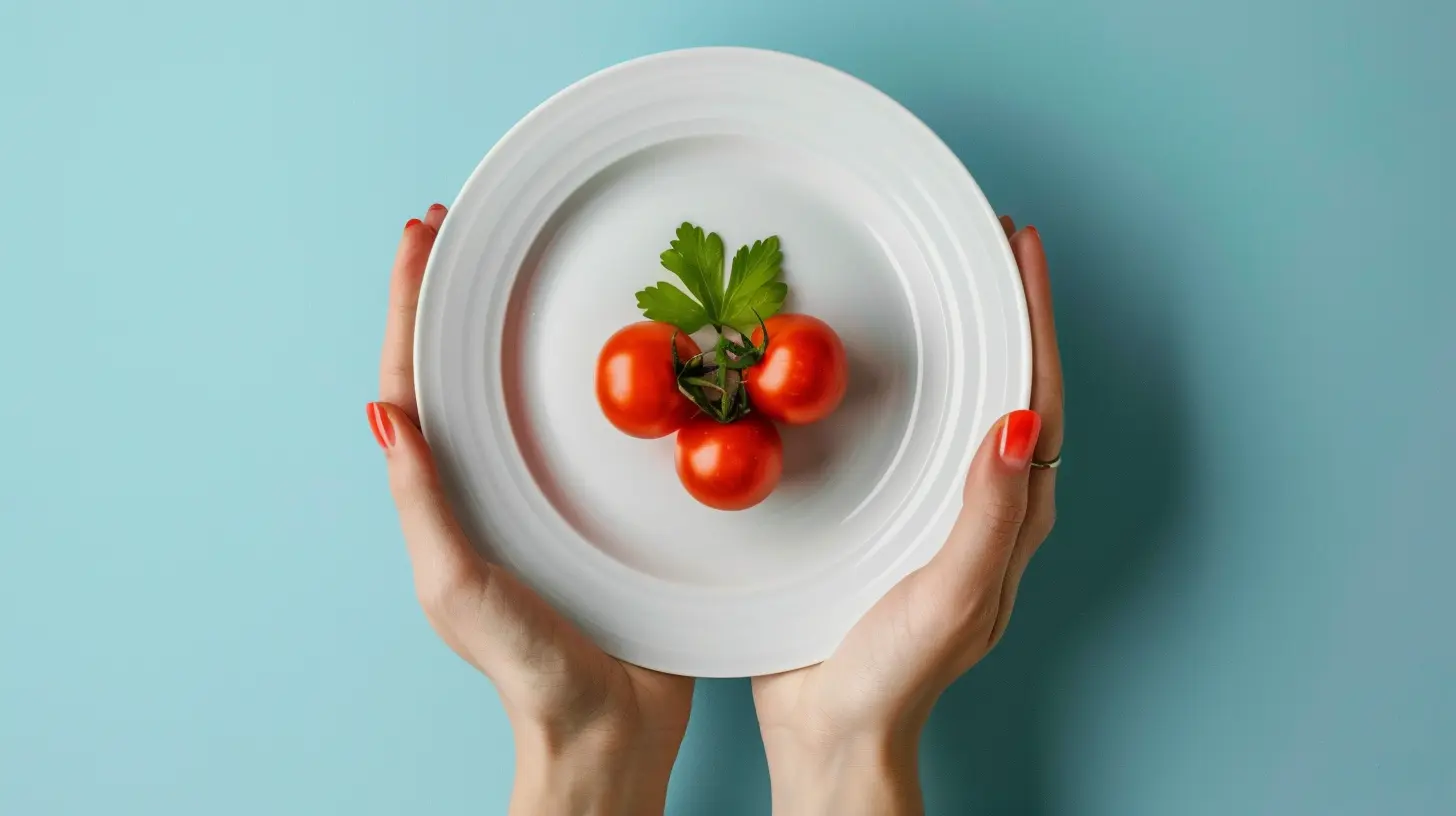
Here is a concrete example. Picture a standard bowl of beef and vegetable stew. It looks modest. A ladle or two, some chunks of meat, carrots, potatoes, a thick gravy. You would guess maybe 300 calories.Now count what is actually in it. Two tablespoons of oil for browning. A pound of chuck between two people. Potatoes. A flour or cornstarch thickener. Perhaps some wine. That bowl can easily land between 600 and 800 calories. Eat it with bread, as most people do, and you are closing in on a full day's intake for some people in a single course that felt like comfort food.
Soup has the same problem in a different costume. A creamy soup made with butter, cream, and a roux can hit 400 calories in a small bowl that feels like a light lunch. Even a "healthy" minestrone can climb when the base starts with a generous glug of olive oil and finishes with parmesan rind and pasta.
The bowl does not lie about volume. It lies about density. A cup of stew can weigh three times what a cup of steamed broccoli weighs and carry five times the calories. Your eyes see a bowl. Your stomach gets a bowl. Your metabolism gets a meal and a half.
The Three Mechanisms That Make Soups and Stews Tricky
Understanding why this happens helps you work around it. Three mechanisms do most of the damage.1. Energy density hides in the base
The base of a soup or stew is where calories concentrate. Oil, butter, cream, roux, coconut milk, cheese, and starchy thickeners are all calorie-dense and all easy to over-pour. A tablespoon of olive oil is about 120 calories. Three tablespoons in a soup pot that serves four adds 90 calories per bowl before you have added a single vegetable. That is fine. Five tablespoons is 150 calories per bowl, and most people do not measure.2. Volume and satiety are not the same thing
A bowl of broth-based soup with vegetables has high volume and low calorie density, which is genuinely useful for appetite control. A bowl of thick stew has moderate volume and high calorie density, which is the opposite. Both feel like "a bowl of something warm." Your brain does not distinguish between them when it decides you have had a portion.3. Toppings and sides are invisible
Bread, crackers, cheese, sour cream, croutons, a swirl of cream, a handful of crispy onions. None of these are part of the soup, so none of them count in your head. In reality they can add 200 to 400 calories to a meal that already looked innocent.
Soup Versus Stew: Different Problems, Same Trap
It is worth separating the two because the portion control failure modes differ.Broth-based soups: the volume trap
Broth soups are usually low in calories per cup. That sounds like good news, and it often is. The trap is that people treat them as a starter or a snack and then eat a full meal afterward. A bowl of chicken vegetable soup at 150 calories is a wonderful way to take the edge off hunger before dinner. It is a poor lunch on its own if you are ravenous by 3 p.m. and raid the office kitchen.The other trap is that broth soups encourage enormous bowls. A giant bowl of minestrone feels virtuous. Add a hunk of bread and butter, and you have a 600-calorie lunch that you logged as 200.
Thick stews: the density trap
Stews are the opposite. They are filling, satisfying, and calorie-dense. A modest bowl genuinely does satisfy. The problem is that the bowl is rarely modest. Stew is served in big portions because it looks like a complete meal, and because the line between "one bowl" and "one and a half bowls" is blurry when the food is thick and the ladle is generous.Stews also tend to be served with starch. Rice, noodles, mashed potatoes, polenta, crusty bread. These are not optional in most households. They are the point. A bowl of beef stew over rice can easily be 800 calories, and none of it feels excessive.
The crossover case: pureed and creamy soups
Pureed vegetable soups sit in a confusing middle. They feel light because they are vegetables, but the pureeing process often involves cream, butter, or potatoes, and the smooth texture means you drink them faster than you would eat a chunky soup. Speed matters. Faster eating means less satiety signaling before the bowl is empty.Why "Just Measure It" Does Not Quite Work
The standard advice is to measure your portions. Good advice. But soups and stews resist measurement in ways solid food does not.For one thing, a cup of stew is not a consistent unit. A cup of thin broth and a cup of dense beef stew differ enormously in calories. For another, people rarely serve soup by the cup. They serve it by the bowl, and bowls vary wildly. A "bowl" can be 12 ounces or 24 ounces. A "mug" of soup can be 8 ounces or 16.
There is also the pot problem. Soup and stew are batch foods. You make a big pot, and the portion you eat depends on how many servings you decide the pot contains. If you made a pot that is really six servings and you mentally divide it into four, every bowl is 50 percent larger than you think. This is one of the most common and least noticed portion control errors in home cooking.
The fix is not just measuring your bowl. It is measuring the pot. Divide the total calories in the recipe by the number of portions you actually serve, not the number you wish you served.
Practical Strategies That Actually Work
None of this means you should avoid soup and stew. They are among the most useful foods in a healthy diet: vegetable-forward, fiber-rich, batch-friendly, freezer-friendly, and genuinely satisfying. You just need to manage the specific ways they fool you.Build the base deliberately
Treat oil, butter, and cream as ingredients to measure, not to pour. Two tablespoons of oil for a pot that serves six is plenty for sauteing aromatics. If a recipe calls for more, ask whether it is doing real work or just making the soup richer. Often you can cut it by a third without noticing.For creamy soups, consider using evaporated milk, pureed white beans, or a small potato to build body instead of heavy cream. You keep the texture and lose a chunk of the calories. This is not a moral improvement. It is a practical trade-off that lets you eat a bigger, more satisfying bowl.
Use the soup as a preload, not the whole meal
One of the best-supported uses of soup is as a starter. A broth-based vegetable soup before a meal takes up stomach volume and slows eating, which tends to reduce how much you eat afterward. This works because it exploits the volume-satiety effect in your favor.The catch is that it only works with low-calorie-density soups. A creamy chowder as a starter just adds calories. Save those for when the soup is the meal.
Serve stew in smaller bowls with a big vegetable side
Stew is calorie-dense, so the portion should be smaller than you think. A one-cup serving of a rich beef stew is often enough when paired with a large salad or a pile of roasted vegetables. The vegetables give you volume and chewing time, and the stew gives you flavor and satisfaction.This is the opposite of how most people serve stew, which is a giant bowl with bread. Try the smaller-bowl approach once and notice whether you feel deprived. Most people do not, because the stew is rich enough that a cup goes a long way.
Count the accompaniments before you start
Decide on bread, rice, crackers, or cheese before you sit down, not after. Put the amount you plan to eat on your plate and put the rest away. This sounds like diet advice, and it is, but it is specifically aimed at the invisible side dishes that turn a 400-calorie bowl of soup into an 800-calorie meal.Make the pot's servings honest
When you cook a batch, weigh or measure the finished yield and divide by realistic portions. If your pot makes eight cups of stew and you plan to eat two cups per meal, that is four servings, not two. Write it on the container. Future you will thank present you.Slow down
Soup and stew are easy to eat fast, especially pureed soups and broths. Put the spoon down between bites. Let the bowl cool a little. The point is to give your satiety signals time to arrive before the bowl is empty. This is not about willpower. It is about giving your body a fair chance to register what you ate.Common Mistakes and Misconceptions
A few beliefs about soup and stew deserve direct correction."Soup is always a light choice." Creamy soups, chowders, and bisques can be among the most calorie-dense items on a menu. A bowl of lobster bisque can rival a burger. Broth-based soups are usually light. The category is not.
"Stew is basically a complete meal, so I do not need to think about portions." Stew is a complete meal, which is exactly why the portion matters. It contains protein, fat, and starch in one bowl, and the calories add up quickly.
"Homemade is automatically lower calorie." Homemade soup can be lower in sodium and additives, but a home cook with a heavy hand on the oil and cream can easily out-calorie a canned version. Homemade means you control the ingredients. It does not mean the result is automatically light.
"A big bowl of soup is fine because it is mostly water." Broth is mostly water. Stew is not. Pureed soup is not. The water content matters, but it does not cancel out the oil, meat, and starch.
"I will just eat less at my next meal." This rarely works in practice. Appetite regulation is not a strict ledger, and a calorie-dense lunch tends to leave you hungrier later than a balanced one, not less.
When Soup and Stew Are Exactly the Right Choice
It would be a mistake to read this as an argument against soup and stew. They are among the most useful tools in a thoughtful eating pattern, and there are situations where they are clearly the best option.If you struggle to eat enough vegetables, a big pot of vegetable-heavy soup is one of the easiest ways to fix that. If you want a filling lunch that travels well, a jar of stew beats most sandwiches on satiety and nutrition. If you are feeding a family on a budget, a pot of soup stretches protein and produce further than almost anything else. If you are cooking for someone with a small appetite, soup is often the most acceptable food you can offer.
The point is not to avoid them. The point is to stop treating them as automatically light and start treating them as what they are: real meals with real calorie density that deserve the same portion awareness you would give a plate of pasta.
A Simple Framework for Soup and Stew Portions
If you want one takeaway, make it this. Before you serve, ask three questions.First, what is the base? Broth-based soups can be served in larger bowls. Creamy, cheesy, or roux-thickened soups and rich stews should be served in smaller ones.
Second, what is going with it? Count the bread, rice, crackers, cheese, and toppings before you sit down. They are part of the meal whether or not they are part of the recipe.
Third, how many servings is the pot, honestly? Divide by the real number, not the optimistic one.
Answer those three questions and you have solved most of the hidden portion control challenge. The soup stays on the menu. The stew stays in the rotation. And the bowl stops lying to you.
all images in this post were generated using AI tools
Category:
Portion ControlAuthor:

Sophia Wyatt