Simple Portion Control Tricks That Will Stand the Test of Time
12 November 2026
Portion control is a fundamental aspect of maintaining a healthy lifestyle. It can help you manage your weight, improve your relationship with food, and promote overall well-being. This article will delve into effective portion control strategies that have proven to stand the test of time, providing practical advice, real-world examples, and a deep understanding of the topic.
Understanding Portion Control
What is Portion Control?
Portion control refers to the practice of managing the amount of food you consume during a meal. It involves recognizing appropriate serving sizes and understanding the difference between a portion and a serving. A portion is the amount of food you choose to eat, while a serving is a standardized amount, often found on food labels.Why is Portion Control Important?
1. Weight Management: Controlling portions can help prevent overeating, leading to weight loss or maintenance. When you consume fewer calories than your body needs, you create a caloric deficit, which is essential for weight loss.2. Balanced Nutrition: By managing portion sizes, you can ensure a balanced intake of macronutrients and micronutrients. This is vital for overall health, energy levels, and disease prevention.
3. Mindful Eating: Practicing portion control encourages you to be more mindful about your food choices. It helps you appreciate your meals and become more aware of your body's hunger and fullness cues.
Practical Portion Control Tricks
1. Use Smaller Plates and Bowls
One of the simplest and most effective tricks for portion control is using smaller plates and bowls. Research shows that people tend to fill their plates regardless of size. By using smaller dishware, you can trick your brain into thinking you are eating more than you actually are. This can lead to reduced calorie intake without feeling deprived.Example:
Instead of a standard 12-inch dinner plate, try using a 9-inch plate. You can still enjoy a full meal but with smaller portions.2. Measure Your Portions
While it may feel tedious at first, measuring your portions can provide clarity on serving sizes. Using measuring cups or a kitchen scale can help you understand what a true serving looks like. Over time, this practice can help you develop an instinct for appropriate portion sizes.Best Practices:
- Start by measuring staple foods like grains, proteins, and vegetables.- Gradually learn to estimate portion sizes without measuring tools.
3. Check Food Labels
Food labels provide valuable information about serving sizes and caloric content. Familiarizing yourself with these details can help you make informed choices. Always pay attention to the number of servings per container, as many packaged foods contain more than one serving.Considerations:
- Compare similar products and choose the one with the most reasonable serving size and nutritional value.4. Fill Half Your Plate with Vegetables
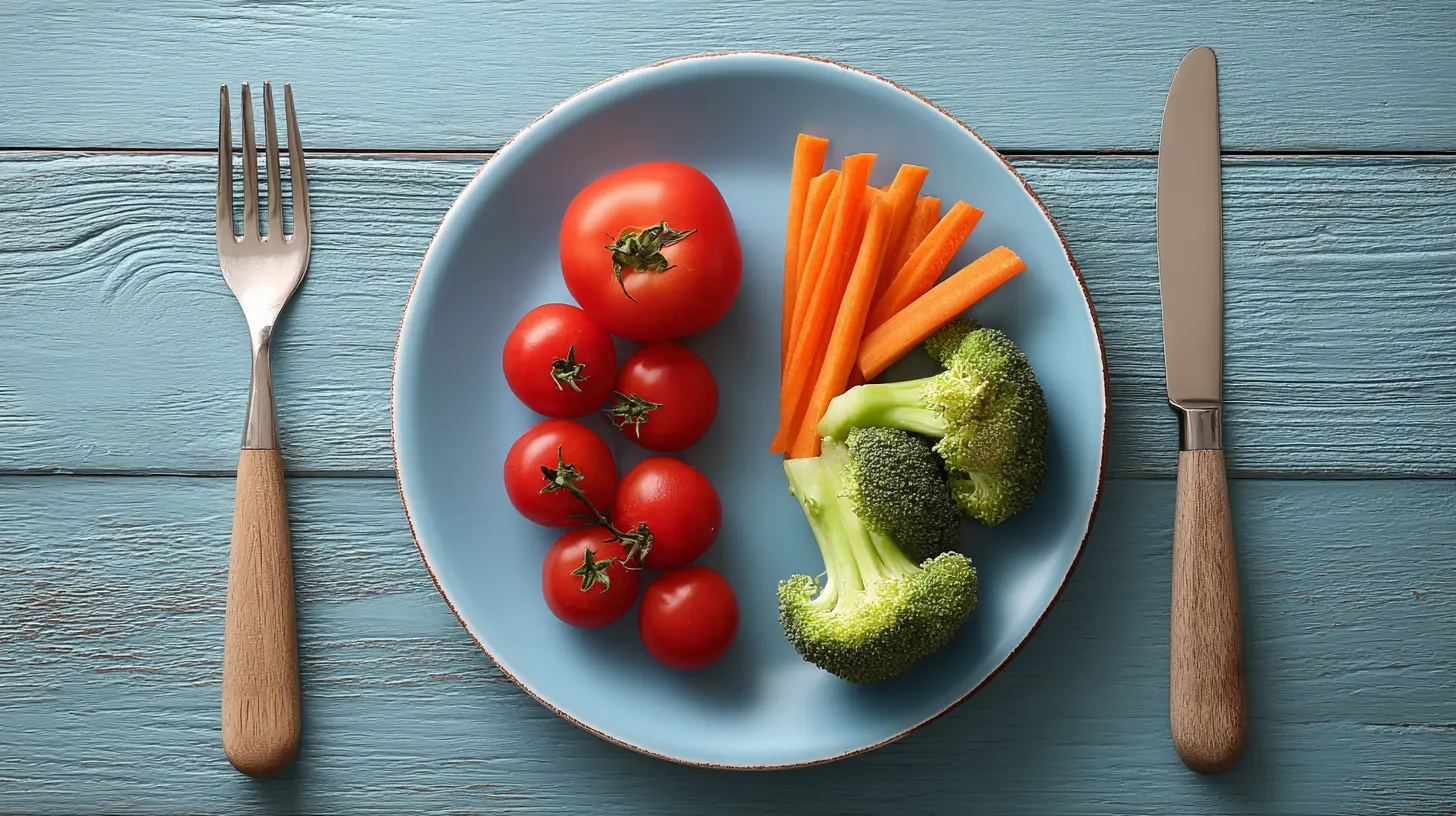
A simple yet effective strategy is to fill half of your plate with non-starchy vegetables. They are low in calories but high in volume, which can help you feel full without consuming excessive calories. This approach not only aids in portion control but also boosts nutrient intake.Real-World Example:
If you typically have a dinner plate filled with pasta, consider replacing half of that pasta with roasted vegetables. You can enjoy a satisfying meal while reducing calorie intake.5. Pay Attention to Hunger Cues
Mindful eating involves tuning into your body's hunger and fullness signals. Before reaching for seconds, pause and ask yourself if you are truly hungry or just eating out of habit. This awareness can help you avoid unnecessary snacking and overeating.Actionable Tips:
- Take a moment to assess your hunger level before eating.- Wait at least 20 minutes after your first serving before deciding to have more.
6. Serve Family-Style Meals
Serving food family-style, where dishes are placed on the table, can encourage portion control. This allows everyone to serve themselves, but you can set boundaries by using smaller serving utensils or bowls. It promotes choice and can lead to more mindful eating.7. Pre-Portion Snacks
Snacking can lead to unintentional overeating if not managed. Instead of eating directly from the package, consider pre-portioning snacks into smaller bags or containers. This not only helps with portion control but also makes it easier to grab a healthy snack on the go.Common Mistake:
Many people underestimate how many calories they consume from snacks. Pre-portioned servings help mitigate this by clearly defining the amount you are consuming.8. Practice the 80/20 Rule
The 80/20 rule suggests that you should aim to eat healthy, nutritious foods 80% of the time while allowing yourself to indulge 20% of the time. This balanced approach can help prevent feelings of deprivation, making it easier to stick to portion control over the long term.When to Use This Approach:
- If you find yourself struggling with restrictive diets, this method can provide a more sustainable way to manage portions without feeling guilty.9. Use Food Journals
Keeping a food journal can help you track what you eat and how much. This practice increases awareness and can reveal patterns in your eating habits that may need adjustment. It can also help you identify emotional eating triggers.Best Practices:
- Note the portion sizes and feelings associated with your meals. This can provide insights into your eating habits and help you maintain portion control.10. Educate Yourself About Portion Sizes
Understanding standard portion sizes can empower you to make better choices. Familiarize yourself with the visual cues for portion sizes. For example, a serving of meat is roughly the size of a deck of cards, while a serving of pasta is about the size of a tennis ball.Visual Aids:
- Consider using portion size guides or charts to reinforce your understanding of what constitutes a healthy serving.
Overcoming Common Challenges
Emotional Eating
Many people struggle with emotional eating, which can undermine portion control efforts. Recognizing emotional triggers and finding alternative coping strategies is crucial. Consider engaging in activities like exercise, journaling, or meditation as healthier outlets for stress.Social Situations
Dining out or attending social gatherings can pose challenges for portion control. It can be helpful to strategize before you go. For instance, eat a healthy snack before heading out to avoid arriving overly hungry.Misleading Portion Sizes
Beware of misleading portion sizes in restaurants and packaged foods. Consider sharing meals when dining out or asking for a to-go box right away to manage portion sizes effectively.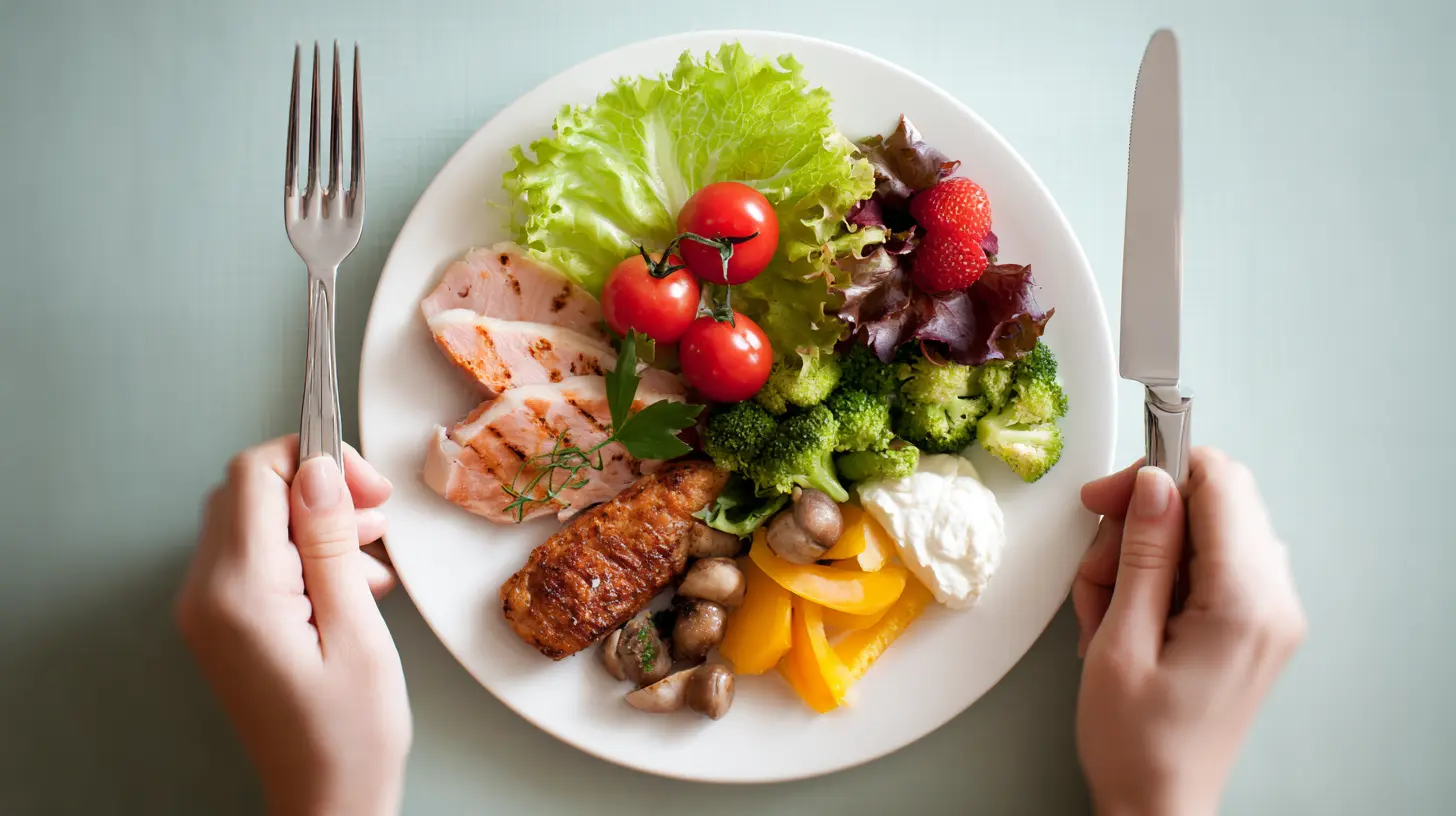
Best Practices for Long-Term Success
1. Consistency is Key: Regularly practicing portion control techniques can lead to long-term habits. Consistency will help you internalize these practices.2. Stay Flexible: Life can be unpredictable. Be willing to adapt your approach to portion control based on your circumstances while keeping your goals in mind.
3. Be Patient: Changes take time. Allow yourself to adjust to new habits and don't be discouraged by setbacks.
4. Seek Support: Surround yourself with supportive friends or family who understand your goals. Consider joining a community or support group focused on healthy eating habits.
Conclusion
Portion control is an essential tool for maintaining a healthy lifestyle, promoting mindful eating, and achieving your wellness goals. By implementing these simple, time-tested tricks, you can navigate portion sizes more effectively. Remember, the journey to better health is not about perfection but about making informed choices and building sustainable habits over time.
all images in this post were generated using AI tools
Category:
Portion ControlAuthor:

Sophia Wyatt