Silk vs Cotton: The Right Pillowcase for Hair Health
20 August 2026
Have you ever woken up in the morning, looked in the mirror, and cringed at the sight of your frizzy, tangled hair? Trust me, you’re not the only one—it’s something we’ve all had to deal with at some point. While most of us blame it on our shampoo or styling products, did you know that your pillowcase might be the silent culprit sabotaging your hair health? Yep, something as simple as the fabric you sleep on can make or break your hair game.
But here’s the big question: silk vs cotton—what’s the best pillowcase for your locks? Let’s break it all down, one thread at a time. 
Why Does Your Pillowcase Matter for Hair Health?
First, let’s get something straight: what you sleep on affects more than just your beauty sleep. Your pillowcase can impact the texture, strength, and overall health of your hair. Think about it—your hair spends about eight hours a night pressed up against that fabric. If your pillowcase doesn't play nice, it can lead to breakage, frizz, and even make that expensive conditioner you just bought seem totally useless.The key players here are friction and moisture. The wrong pillowcase can tug at your hair and suck out its natural oils, leaving your strands dry and brittle. And let’s be honest—none of us want a bad hair day before we’ve even had our morning coffee. 
Cotton Pillowcases: The Old-School Favorite
Chances are, you probably already have a cotton pillowcase on your bed right now—it’s the OG of bedding fabrics. But when it comes to hair health, cotton has its pros and cons.The Good
- Affordable and Accessible: Cotton pillowcases are super affordable and easy to find. Need a new one? Just swing by any department store, and you’re good to go without breaking the bank.- Breathability: Cotton is known for being breathable, which is great if you’re someone who runs hot at night. No sweaty hair sticking to your neck—yes, please!
The Not-So-Good
- High Friction: Cotton is not as smooth as it seems. The texture of the fabric creates friction with your hair, which can lead to tangles, frizz, and even breakage.- Moisture Absorption: One of cotton’s biggest downfalls is how absorbent it is. It doesn’t just soak up sweat—it takes in your hair’s natural oils and any products you’ve applied, leaving your strands parched by morning.
Think of cotton as that friend who means well but always ends up being a bit of a buzzkill. It’s comfy, but it’s not doing your hair any favors. 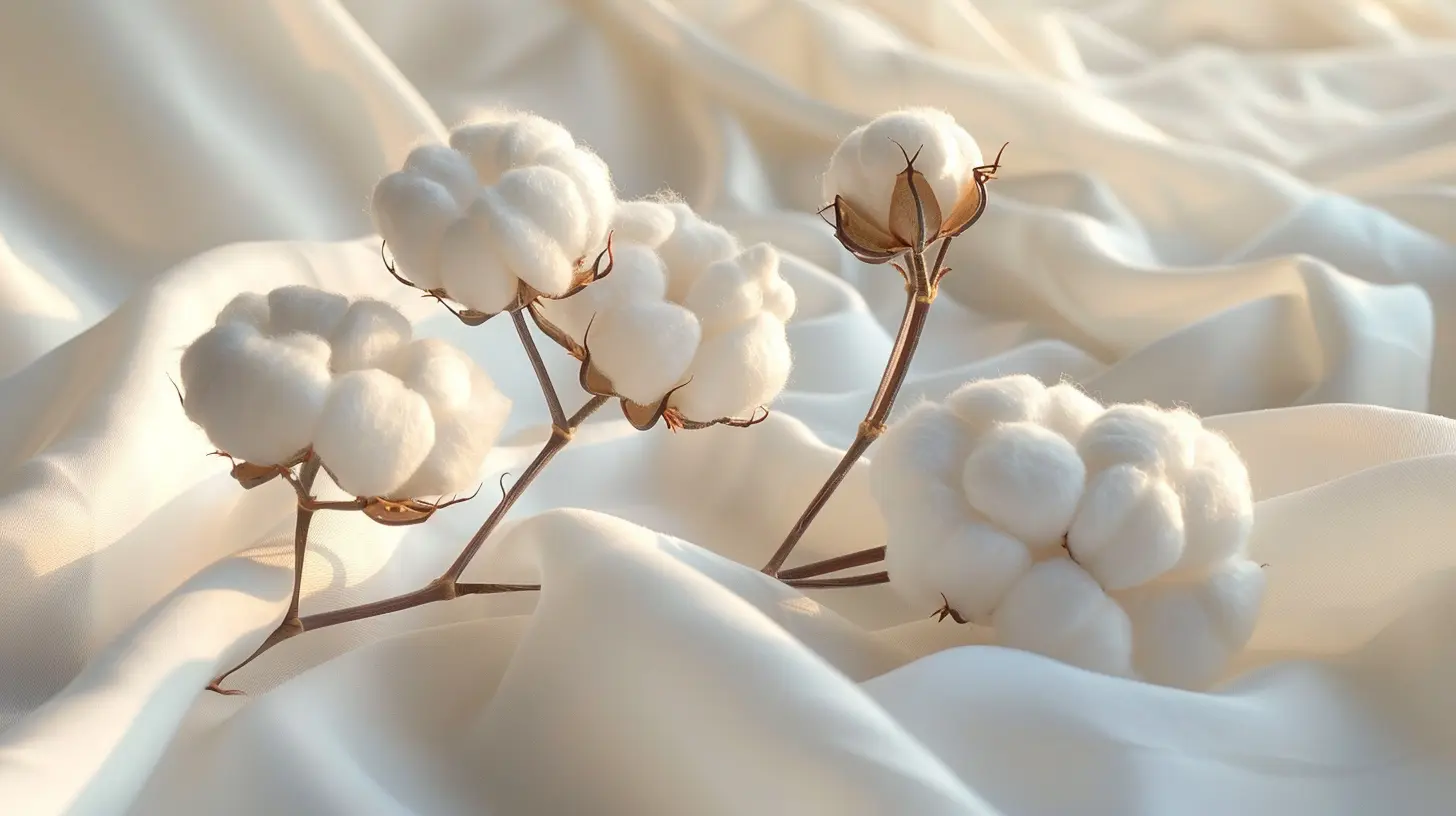
Silk Pillowcases: The Luxurious Upgrade
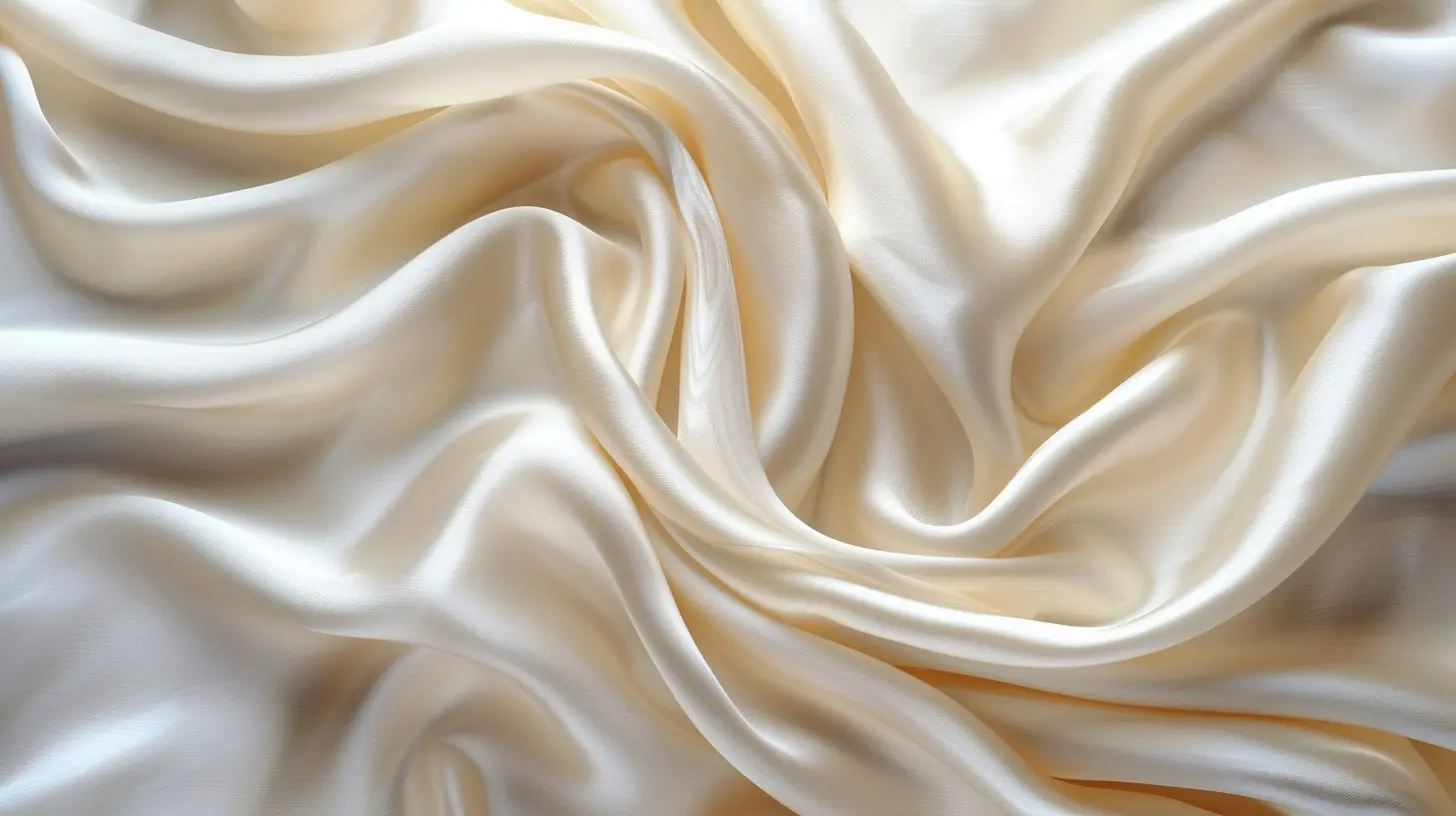
Then, we have silk—the boujee counterpart to cotton. At first glance, silk pillowcases might seem like an unnecessary luxury (like avocado toast or oat milk lattes), but when it comes to hair care, they’re a total game-changer.The Good
- Low Friction: Silk is incredibly smooth, which means less pulling and tugging on your hair while you sleep. This translates to fewer tangles and less frizz. Imagine your hair gliding across a sheet of ice—silk offers that same kind of effortless slip.- Retains Moisture: Unlike cotton, silk doesn’t suck the life out of your hair. It helps to retain your natural oils, keeping your hair hydrated and shiny.
- Gentle on All Hair Types: Whether you’ve got curly, straight, fine, or coarse hair, silk is like the Switzerland of pillowcases—neutral and kind to all.
The Not-So-Good
- Pricey: Let’s not sugarcoat it—silk pillowcases are an investment. They’re significantly more expensive than cotton, which might make you hesitate before adding one to your cart.- Requires Extra Care: Silk is a diva. It needs to be hand-washed or washed on a delicate cycle, and it’s not as durable as cotton. If you’re someone who can barely keep up with laundry, you’ll need to give silk a little extra TLC.
Which Fabric is Better for Hair Health?
If we’re talking straight-up hair health, silk wins this round. Hands down. The smooth surface of a silk pillowcase minimizes friction, reducing breakage and keeping frizz in check, while also helping your hair retain moisture. It’s like a spa day for your hair every single night.That being said, not everyone has the budget to splurge on silk pillowcases—and that’s totally okay. If you’re team cotton, there are still ways to make it work:
- Opt for a Higher Thread Count: The higher the thread count, the smoother the fabric will be. It’s not silk, but it’s a step up from basic cotton.
- Invest in Hair Care: Use a silk hair bonnet or scarf over your cotton pillowcase. It’s like the MVP combo—luxury on a budget.
Beyond the Pillowcase: Other Tips for Healthy Hair
Switching to a silk pillowcase is a great start, but let’s not stop there. If you really want luscious locks, here are some bonus tips you can add to your routine:1. Brush Before Bed: Gently detangle your hair before hitting the pillow. It’ll reduce knots and breakage in the morning.
2. Hydrate Your Hair: Use a leave-in conditioner or hair oil to lock in moisture overnight.
3. Sleep With Your Hair Up: Try a loose braid or a bun. This can help prevent tangles and reduce friction, even if you’re still rocking a cotton pillowcase.
4. Avoid Sleeping With Wet Hair: Wet hair is more vulnerable to damage. If you must wash your hair at night, make sure it’s dry before bedtime.
Final Verdict: Silk or Cotton?
So, what’s the verdict? If you’re ready to give your hair the VIP treatment, silk pillowcases are the way to go. They may be a bit pricey, but they’re worth it for the long-term benefits to your hair’s health and appearance.However, if silk doesn’t fit into your budget right now, don’t stress it. Cotton pillowcases can still be a good option with a few tweaks and extra care. Remember, healthy hair doesn’t only come down to your pillowcase—it’s about how you treat your hair overall. Combine smart haircare practices with the right fabrics, and you’ll wake up looking like you just stepped out of a shampoo commercial (ok, maybe not every day, but close enough!).
all images in this post were generated using AI tools
Category:
Healthy HairAuthor:

Sophia Wyatt
Discussion
rate this article
1 comments
Kennedy Stone
Choosing the right pillowcase can significantly impact your hair health. Silk offers a smoother surface, reducing friction and preventing breakage, while cotton absorbs moisture. Consider your hair type when making a decision.
August 25, 2026 at 2:49 AM