Signs Your Body Needs More Water Than You Think
23 November 2026
Water is often referred to as the elixir of life, and for good reason. Our bodies are made up of approximately 60 percent water, making it an essential component for nearly every function, from regulating temperature to protecting organs. However, many people underestimate how much water they truly need, often only drinking when they feel thirsty. This article will delve into the signs that your body is signaling for more hydration, the implications of dehydration, and practical advice on maintaining optimal fluid levels.
Understanding Hydration
What is Hydration?
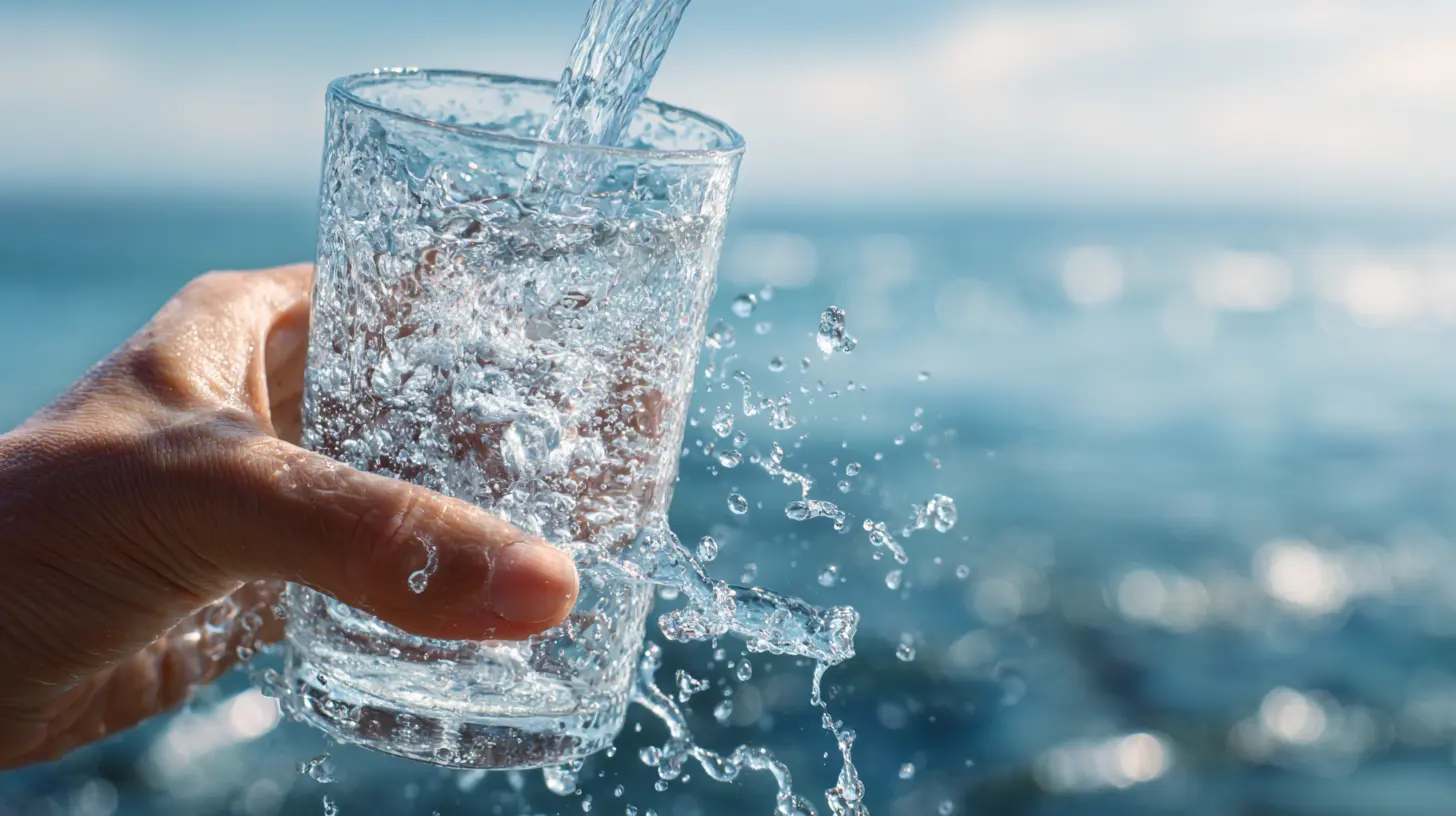
Hydration refers to the process of providing adequate fluids to the body to maintain physiological balance. This includes not just water, but also electrolytes, which are minerals that help regulate various bodily functions. Proper hydration is crucial for maintaining energy levels, cognitive function, and overall health.Why is Water Essential?
Water plays numerous roles in the body:- Temperature Regulation: Through sweat and respiration, water helps to keep your body temperature stable.
- Nutrient Transportation: It dissolves vitamins, minerals, and other nutrients, allowing them to be absorbed and utilized by the body.
- Waste Removal: Water aids in the elimination of waste products through urine and sweat.
- Joint Lubrication: Proper hydration keeps your joints lubricated, reducing the risk of injury during physical activity.
Given these vital roles, understanding when your body needs more water is critical for maintaining good health.
Signs of Dehydration
1. Thirst
The most basic signal your body sends when it needs hydration is thirst. However, relying solely on this sensation can be misleading. By the time you feel thirsty, you may already be experiencing mild dehydration.2. Dark Urine
A simple yet effective way to gauge hydration levels is by observing the color of your urine. Light yellow urine typically indicates good hydration, while darker shades suggest that your body is conserving water and that you may need to drink more.3. Fatigue
Feeling unusually tired or sluggish can be a symptom of dehydration. Water is essential for energy production, and a lack of it can lead to decreased performance and increased fatigue. This is particularly relevant for athletes and those engaging in physical activities.4. Dry Skin
Skin hydration is often overlooked, but it can be a telltale sign of dehydration. If your skin feels dry or flaky, it may indicate that your body is not retaining enough water.5. Headaches
Dehydration can lead to headaches or migraines. When the body is short on water, it can cause the brain to temporarily shrink, leading to pain. Regular hydration can help mitigate this issue.6. Constipation
Water is essential for proper digestion. If you are experiencing constipation, it may be a sign that you are not drinking enough fluids. Adequate hydration helps keep the digestive system running smoothly.7. Dizziness or Lightheadedness
Feeling dizzy or lightheaded can also indicate dehydration. When blood volume decreases due to a lack of water, it can lead to lower blood pressure and reduced oxygen supply to the brain.8. Increased Heart Rate
In cases of severe dehydration, your heart may work harder to pump blood, leading to an increased heart rate. This can be particularly concerning during physical exertion and should be addressed immediately.9. Dry Mouth and Bad Breath
A dry mouth can indicate dehydration, as adequate saliva production relies on proper fluid levels. This can also lead to bad breath, as saliva plays a role in washing away bacteria in the mouth.10. Muscle Cramps
Electrolyte imbalances, often caused by dehydration, can lead to muscle cramps. This is especially common during exercise, where sweating may lead to a loss of fluids and electrolytes.
Factors Influencing Hydration Needs
While most people require about 8-10 cups of water daily, individual hydration needs can vary significantly based on several factors:1. Activity Level
Those who engage in regular physical activity will need more water to replace fluids lost through sweat. It's crucial to hydrate before, during, and after exercise.2. Climate
Hot and humid weather can increase your need for fluids, as you tend to sweat more. In contrast, colder weather can also lead to dehydration, as people may not feel thirsty despite losing fluids.3. Diet
Certain foods, such as fruits and vegetables, have high water content and contribute to your hydration levels. Conversely, a diet high in salt or sugar can increase your fluid needs.4. Health Conditions
Certain medical conditions, such as diabetes or kidney disease, can influence your hydration requirements. If you have any chronic health issues, it's best to consult with a healthcare provider about your fluid intake.5. Age
Older adults may have a diminished sense of thirst and may require encouragement to drink more fluids. children are more susceptible to dehydration due to their smaller body size and higher metabolic rates.
Best Practices for Staying Hydrated
1. Set a Daily Water Goal
Establish a daily goal for water intake based on your individual needs. This can help you stay mindful of your hydration levels throughout the day.2. Use a Water Bottle
Carrying a reusable water bottle can serve as a constant reminder to drink water. Aim to refill it several times throughout the day.3. Incorporate Hydrating Foods
Incorporate fruits and vegetables with high water content into your diet. Cucumbers, watermelon, and oranges are great options that can help boost hydration.4. Monitor Urine Color
Use the color of your urine as a guide. Aim for a light yellow hue to ensure you are adequately hydrated.5. Drink Before You Feel Thirsty
Make it a habit to drink water regularly, even if you do not feel thirsty. This can help prevent dehydration before it becomes an issue.6. Adjust for Activity and Weather
Be mindful of your hydration needs in relation to your activity level and the climate. Increase fluid intake on hot days or during intense workouts.7. Limit Dehydrating Beverages
Be cautious with drinks that can contribute to dehydration, such as caffeinated beverages and alcohol. While moderate consumption is generally fine, it's important to balance these with adequate water intake.8. Use Reminders
Set reminders on your phone or use apps designed to track water intake. This can help you stay consistent with your hydration goals.Common Misconceptions About Hydration
Myth 1: You Only Need Water When You Are Thirsty
As mentioned earlier, waiting until you feel thirsty can lead to mild dehydration. It is essential to proactively manage your water intake.Myth 2: All Fluids Are Equal
While all fluids contribute to hydration, some beverages, like sugary drinks or excessive caffeine, can have a diuretic effect. Water remains the best choice for hydration.Myth 3: You Cannot Overhydrate
While rare, overhydration can occur, leading to a condition called hyponatremia. This happens when sodium levels in the blood become dangerously low due to excessive water intake. It is crucial to find a balance in your hydration strategy.
Conclusion
Understanding the signs that your body needs more water can significantly impact your health and well-being. From recognizing symptoms of dehydration to adopting best practices for maintaining hydration, knowledge is your ally. By being proactive about your fluid intake, you can enhance your energy levels, cognitive function, and overall quality of life.Staying hydrated is about balance and mindfulness. Assess your unique needs and make adjustments as necessary, keeping in mind that your body's signals are often the best guide. The next time you feel thirsty, remember that your body may need more water than you think.
all images in this post were generated using AI tools
Category:
Hydration TipsAuthor:

Sophia Wyatt

