Repairing Sun Damage: Essential Steps for Healthier Skin
28 June 2026
Let’s face it—many of us have basked a little too long under the warm embrace of the sun. Maybe it was those beach days where sunscreen was more of a suggestion than a priority. Or those teenage tanning phases we pretend didn’t happen? (Guilty as charged.) The truth is, sun damage is real, and even though you can’t completely turn back the clock, you can show your skin some serious love and care to repair the damage and get back to glowing. ✨
In this article, we’re diving deep into the must-do steps to repair sun-damaged skin. So, if your skin’s been feeling more like toast than silk, keep reading—we’re breaking it all down with a bit of sass, science, and skin-saving wisdom.
☀️ What Exactly Is Sun Damage?
Before we start slathering on serums and scheduling peels, let’s talk about what’s actually happening beneath the surface when your skin gets a little too much sun.Sun damage, also known as photoaging, happens when ultraviolet (UV) rays from the sun (or tanning beds!) mess with your skin cells. We're talking collagen breakdown, hyperpigmentation, fine lines, dehydration, and in worst-case scenarios, even skin cancer. Yikes.
You might notice:
- Rough, dry texture
- Wrinkles and fine lines
- Dark spots or sun spots
- Uneven skin tone
- Redness or broken capillaries
Sounds familiar? Don’t panic. Damage may feel permanent, but with consistent TLC, you can restore your skin’s health and softness over time.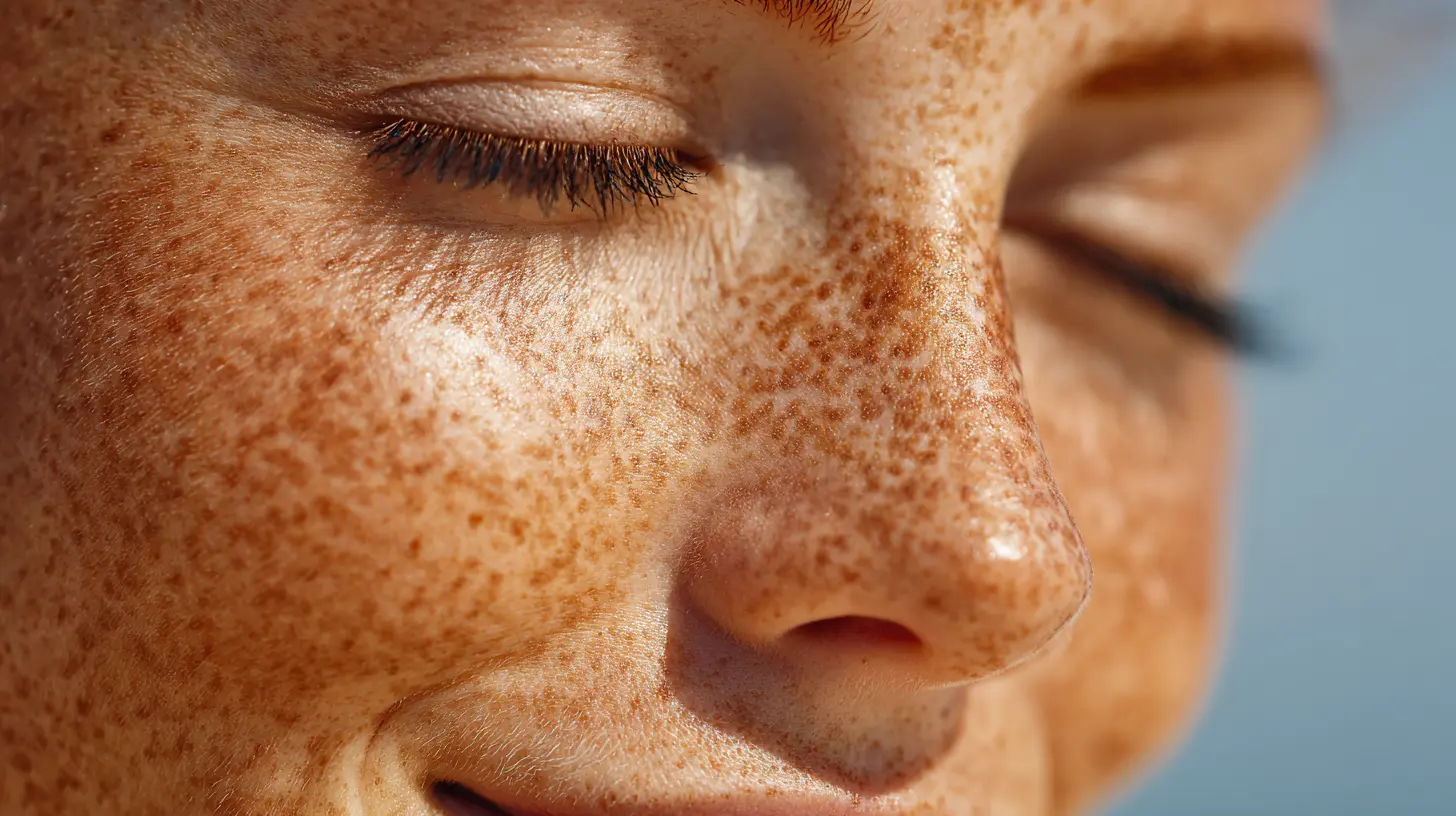
? Step 1: Sunscreen Is Still Your Best Friend
Let’s get one thing clear: You can't repair sun-damaged skin if you keep damaging it. Wearing sunscreen every single day (yes, even when it’s cloudy, or you're indoors near windows) is non-negotiable.Go for:
- Broad-spectrum SPF 30 or higher
- Water-resistant formulas if you’re a sweaty human or a frequent pool visitor
- Mineral sunscreens with zinc oxide or titanium dioxide if you have sensitive skin
And hey, reapply every 2 hours if you’re out and about. Make it part of your routine like brushing your teeth. Easy peasy.
? Step 2: Cleanse Like a Pro (But Gently)
Imagine trying to paint over old wallpaper. Not great, right? That’s kind of what applying fancy serums over clogged, dirty pores is like.Use a gentle cleanser—nothing too stripping or harsh. You want to remove dirt, oil, and SPF buildup without wrecking your skin’s natural barrier. Look for keywords like:
- “Hydrating”
- “Fragrance-free”
- “pH-balanced”
Twice a day keeps the dull skin away.
? Step 3: Vitamin C—The Glow-Up Guru
If your skin’s looking dull or uneven, vitamin C is the brightening bestie you didn’t know you needed. This antioxidant powerhouse fights off free radicals (those pesky molecules that cause damage), fades dark spots, and boosts collagen.Apply it in the morning under your SPF for double the protection. Pro tip? Store it in a cool, dark place to keep the formula stable. Nobody likes spoiled vitamin C—it’s like curdled milk for your face. Ew.
? Step 4: Hydrate Like You Mean It
Sun damage often shows up as dryness and dehydration—two totally different things, by the way.- Dry skin lacks oil.
- Dehydrated skin lacks water.
You can have both, and neither is fun. Use a combination of:
- Hyaluronic Acid (attracts water into the skin)
- Ceramides (lock in moisture)
- Squalane or facial oils (for extra nourishment)
Drink water, too! Your skin will thank you.
?♀️ Step 5: Exfoliate—But Not Like You’re Sanding Wood
Exfoliation helps remove dead skin cells that make your face look flat and tired. (Cue the dramatic before-and-after commercial.) But there's a right way and a wrong way to do it.Skip the harsh scrubs. Opt for chemical exfoliants like:
- Glycolic Acid
- Lactic Acid
- Salicylic Acid (especially if you’re acne-prone)
Once or twice a week is enough. Overdoing it can make your skin more sensitive, which is the exact opposite of what we're going for.
? Step 6: Retinoids—The Wrinkle Fighters
Retinoids are basically skin's personal trainers. They increase cell turnover, reduce fine lines, and improve texture. But here’s the kicker—they make your skin more sensitive to the sun (ironic, huh?), so always use them at night and follow with sunscreen during the day.Start slow:
- 1-2 times a week
- Follow up with a buffer like moisturizer
If your skin gets red, flaky, or irritated, don’t quit—scale back, and try again. Like a push-up challenge, it gets easier (and more effective) over time.
? Step 7: Calm the Irritation
Sun-damaged skin can be inflamed and cranky. We’ve all had a sunburn that left us looking like a lobster.In this case, less is more. Go for soothing ingredients like:
- Aloe Vera
- Green Tea Extract
- Chamomile
- Niacinamide (a calming, brightening superstar)
Keep your skincare simple and chill—literally. Store your soothing products in the fridge for an extra calming effect. It’s like a mini spa moment every morning.
? Step 8: Consider Professional Treatments
Sometimes skin needs a little extra help that your bathroom shelf just can’t offer. Cue the pros.Here are a few treatments worth booking:
- Chemical peels: Exfoliate deeper layers and improve texture and tone
- Microdermabrasion: Gently buffs away the top layer of skin
- Laser therapy: Targets deeper pigment and encourages collagen
- Microneedling: Uses tiny needles to stimulate repair and renewal
- LED Light Therapy: Calms inflammation and boosts healing
A good dermatologist or esthetician can customize the right treatment plan for your skin. Worth the investment!
? Step 9: Amp Up Your Diet
Yep, beauty really does come from within—and no, we’re not trying to sound like your yoga instructor. Antioxidant-rich foods can help repair and protect your skin from the inside out.Load up on:
- Blueberries
- Leafy greens
- Sweet potatoes
- Tomatoes (they contain lycopene, a natural sun protector!)
- Fatty fish like salmon (hello, omega-3s!)
Oh, and avoid too much sugar and alcohol. They break down collagen and cause inflammation... not the glow you want.
? Step 10: Healthy Habits Go a Long Way
Let’s not forget the underrated stuff that actually makes a difference:- Get enough sleep: Your skin does most of its repair work while you snooze.
- Manage stress: Chronic stress equals chronic inflammation.
- Stay hydrated: Again, drink that H2O!
- Avoid smoking: Not only does it age skin faster, but it also slows healing.
Basically, treat yourself like a plant. Water, rest, nourishment, and lots of love.
? Bonus Tip: Accessorize for Protection
Who says sun protection isn’t stylish? Rock those oversized sunglasses, floppy hats, and UPF clothing. Not only will you look like a movie star on vacation, but your skin will stay protected, wrinkle-free, and happy.? Consistency Is Key—Don’t Expect Overnight Magic
Here’s the truth: repairing sun damage isn’t a weekend project. Your skin didn’t get sun-damaged overnight, so it won’t bounce back in 24 hours. But stick to these steps consistently, and you’ll see real results over weeks and months.Think of this as your slow and steady skincare marathon—not a sprint. ?
☀️ Final Thoughts: Love the Skin You're In
We all make skincare mistakes. Maybe you skipped SPF in your twenties or thought tanning oil was a great idea. (Cough... we’ve all been there.) But it’s never too late to start taking care of your skin.By adding in these skin-loving steps, you’re not just fixing damage—you’re giving your skin the chance to thrive. So go ahead, pamper yourself, wear that sunscreen like a crown, and let your skin shine (minus the UV rays).
You've got this.
all images in this post were generated using AI tools
Category:
Healthy SkinAuthor:

Sophia Wyatt
Discussion
rate this article
1 comments
Kennedy Ramirez
Oh sure, let's just fix the sun's little mishaps with a magic potion. Good luck!
July 30, 2026 at 3:23 AM
Sophia Wyatt
I get it, it sounds far-fetched. But small, consistent steps can really make a difference for skin health.