Recovering Gut Health After a Stomach Flu
29 March 2026
Ah yes, the dreaded stomach flu. One minute you're living your best life, and the next you're hugging the porcelain throne like it's your long-lost soulmate. Whether it was a nasty virus or food that "looked fine" but definitely wasn't, stomach flu has a way of knocking you off your feet—and out of your digestive normalcy.
But here’s the kicker: even after the puking, cramping, and bathroom marathons are over, your gut doesn’t just bounce back like a rubber ball. Your belly’s been through war, and now it needs some serious TLC.
So if you're wondering how to get your gut back in tip-top shape after a stomach flu rollercoaster, settle in. We're diving into all things gut-related—with a little humor, practical tips, and zero judgment (hey, we’ve all been there).
🦠 What Actually Happens to Your Gut During Stomach Flu?
Let’s paint the picture. The stomach flu (aka viral gastroenteritis) is basically an inflammatory riot in your digestive tract. Viruses like norovirus or rotavirus come in like wrecking balls—cue the Miley Cyrus music—and start tearing down friendly bacteria, inflaming your intestines, and turning your gut biome into a ghost town.Your digestive system, which normally functions like a well-oiled machine, suddenly becomes a chaotic traffic jam. You lose fluids, electrolytes, and beneficial bacteria faster than a Netflix binge on a sick day.
So when the fever fades and your appetite returns, your gut isn’t quite ready to return to "normal programming."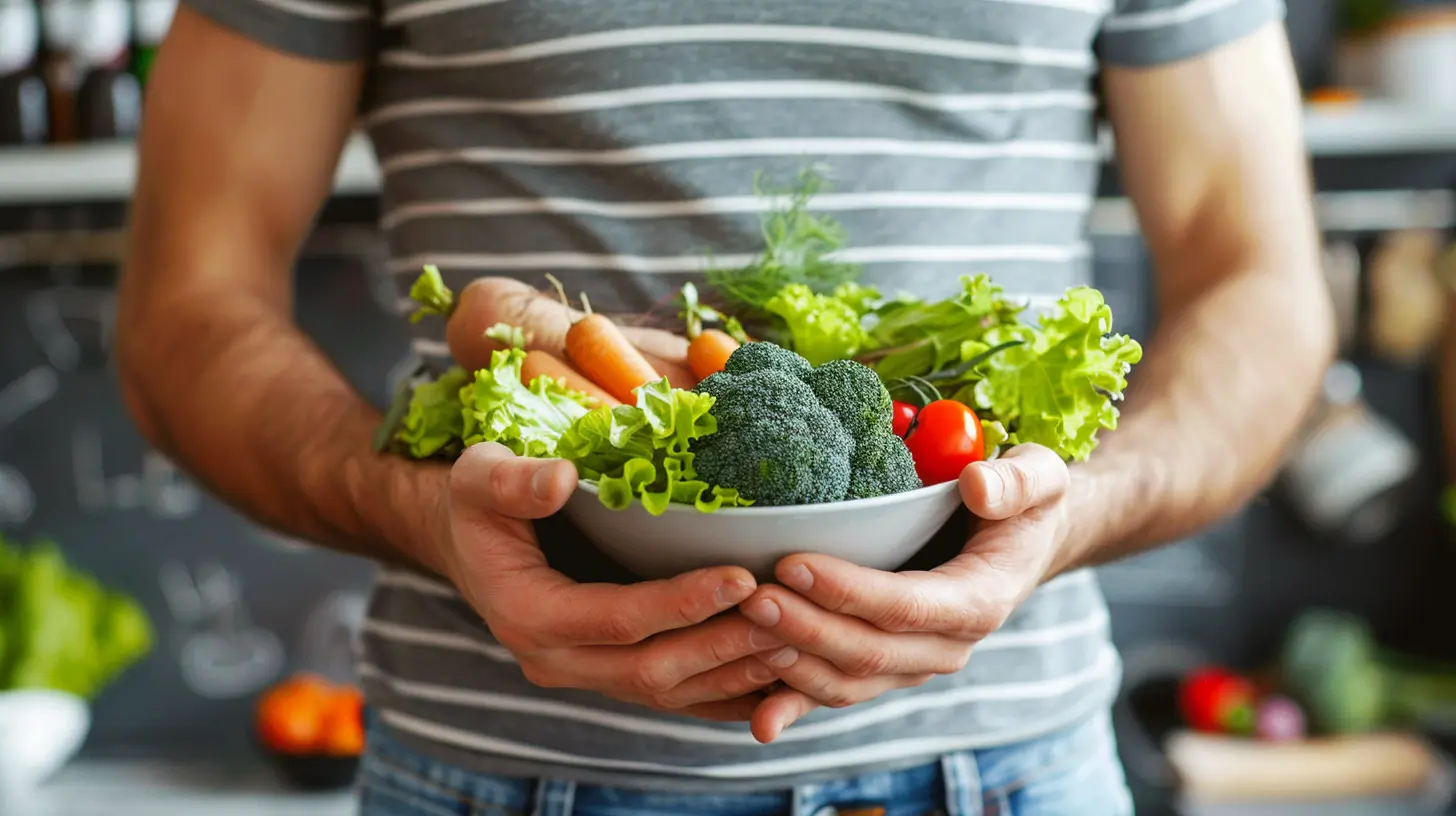
🥴 Post-Flu Gut: The "After Party" Nobody Wanted
Even after the worst is over, you might deal with:- Bloating like you swallowed a balloon
- Stomach pain and cramps
- Food intolerances (suddenly dairy is your enemy)
- Nausea that rears its head unexpectedly
- Sluggish digestion
These aren't just leftovers from the flu—they're signs your gut is still recovering. Think of your digestive system as a garden. If a storm rips through it, you need time (and the right tools) to help the flowers regrow.
🥗 Step 1: Ease Back Into Eating
Spoiler alert: Your first post-flu feast shouldn’t be a triple stack of pancakes slathered in syrup with bacon on the side. Trust me, your gut will not appreciate that homecoming party.Instead, follow the BRAT diet for a couple of days:
- Bananas
- Rice
- Applesauce
- Toast
These foods are bland, low in fiber, and easy to digest—not exciting, but exactly what your gut needs.
Once you feel a bit more human, start reintroducing gentle foods like:
- Plain boiled potatoes
- Steamed carrots
- Bone broth (aka tummy gold)
- Oatmeal
- Scrambled eggs
Avoid spicy, fatty, or super sugary foods for at least a week—your gut’s not in the mood for drama.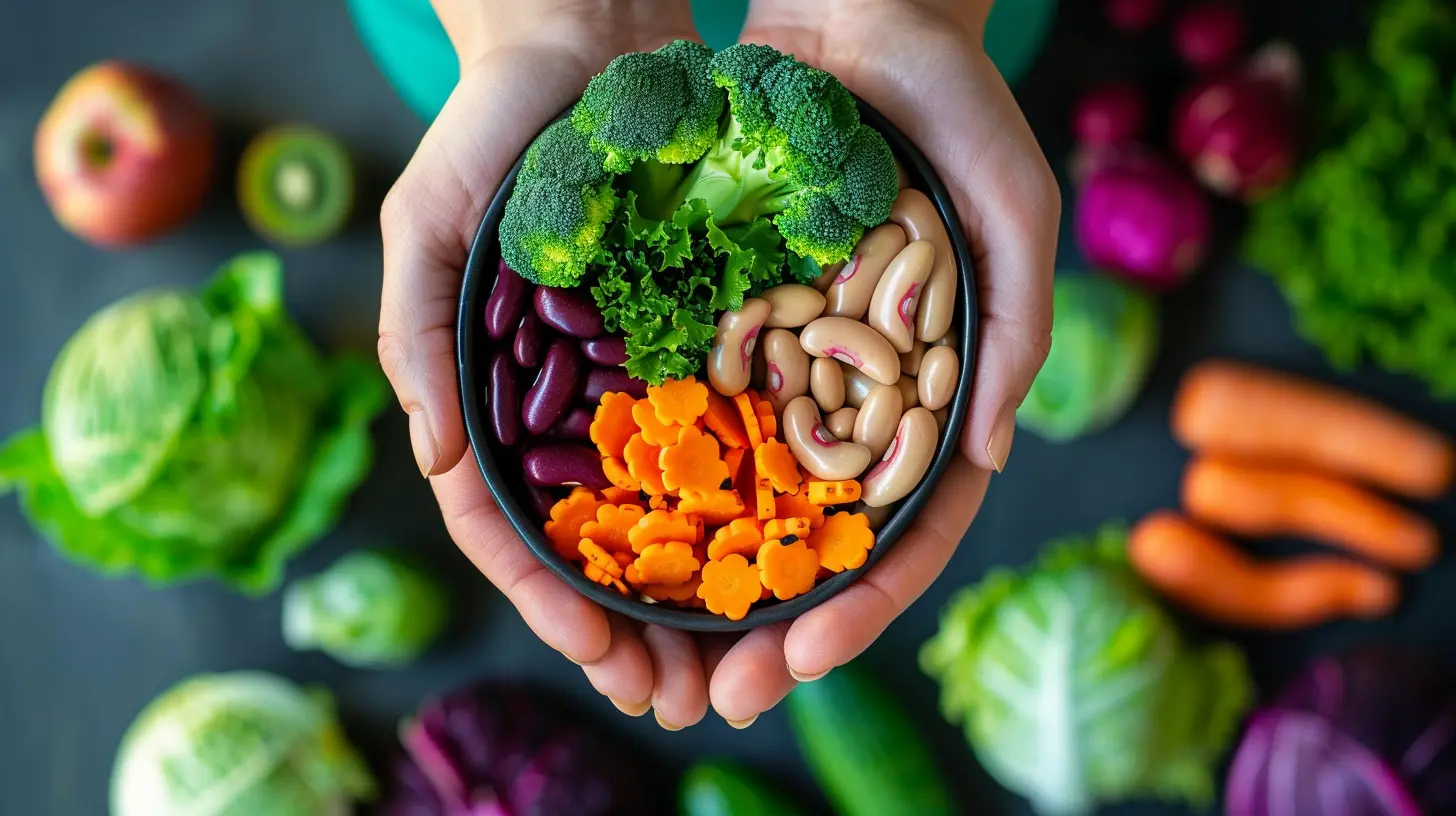
🧫 Step 2: Repopulate That Gut Microbiome
Your gut microbiome is like a bustling city of bacteria—the good, the bad, and the occasionally gassy. After stomach flu, this metaphorical city gets demolished. So it’s time to rebuild the population with some good ol' beneficial bugs.Probiotics to the Rescue
Probiotics are the good guys—live bacteria that help restore digestive order. You can get them through:- Yogurt (Look for “live active cultures”)
- Kefir (The tangy cousin of yogurt)
- Sauerkraut (Unpasteurized, please)
- Kimchi (Spicy and probiotic-rich)
- Miso soup (Fermented soy superpower)
- Probiotic supplements (If the idea of fermented cabbage makes you gag)
Start slow. Don’t go from zero to kimchi queen overnight or your stomach might file a formal complaint.
Prebiotics = Gut Fertilizer
Now that you’ve introduced the good guys, feed them! Prebiotics are plant fibers that help probiotics thrive. Think of them as fertilizer for your belly garden.Great prebiotic foods include:
- Bananas (green ones are best!)
- Garlic
- Onions
- Asparagus
- Chia seeds
- Oats
Again, go easy—your gut is fragile, not invincible.
💦 Step 3: Hydrate Like It’s Your Full-Time Job
You probably got dehydrated during your flu survival saga, especially if you were doing a lot of...let’s call it “multi-directional evacuating.”Hydration is key for digestion, cellular repair, and just not feeling like a raisin.
What to sip on:
- Water (Add a pinch of salt and squeeze of lemon for bonus electrolytes)
- Coconut water (Nature’s Gatorade)
- Herbal teas (Ginger and peppermint are gut-healers)
- Electrolyte drinks (Just check for low sugar content)
Avoid:
- Sugary sodas (Sorry, cola doesn’t count as medicine)
- Caffeine overload
- Alcohol (Your gut is not ready for that kind of party)
🐢 Step 4: Give Your Digestion a Break
Let’s face it. Your digestive system recently put in a lot of overtime. It deserves a little vacation.Here’s how to give it a breather:
- Eat smaller meals: Don’t overload the system.
- Chew slowly: Your stomach doesn’t have teeth—help it out!
- Avoid late-night snacking: Give your gut a chance to rest.
- Gentle movement: Walking after meals helps things move along without pressure.
Digestive rest isn’t about deprivation—it’s about healing smarter, not harder.
😴 Step 5: Don’t Sleep on Sleep
You know what else heals your gut? A good night’s snooze.When you sleep, your body runs its repair routines like a highly efficient maintenance crew. Studies say poor sleep leads to imbalanced gut bacteria. So don’t skimp on zzz’s!
Tips for better sleep:
- Keep your room cool and dark
- Avoid screens an hour before bed
- Try magnesium or chamomile for relaxation
No fancy gadgets needed—just basic sleep hygiene. Trust me, your gut’s nightly spa depends on it.
😌 Step 6: Manage Stress (Because Cortisol is a Gut Buster)
Here’s a fun fact: Your belly has a brain of its own. It’s called the enteric nervous system, and it’s extremely sensitive to stress. Like, cry-during-a-commercial sensitive.When you're stressed, your body produces cortisol, which leads to inflammation—and guess where a lot of that lands? Your gut.
So while you're healing physically, don't forget the mental side of the gut story.
Stress-busters that work:
- Deep breathing or meditation
- Journaling (yes, brain dumping is therapeutic)
- Gentle yoga or stretching
- Laughing (watch a funny show or call your hilarious aunt)
Remember, a chill brain makes for a happy belly.
🚫 Foods to Avoid Like That One Ex
While you're on the mend, keep your distance from these gut aggravators:- Dairy (temporarily—many become lactose sensitive after flu)
- Processed junk ("mystery meat" is not your friend)
- Spicy foods (save that hot sauce for later)
- Artificial sweeteners (hello, bloating)
- Fried anything (gut grease = gut grief)
Once your system stabilizes, you can start experimenting to see what your belly tolerates again. But don’t rush it—recovery is not a race.
⏳ How Long Does It Take to Feel Normal?
Short answer? It depends.Some people bounce back in a few days. Others take a couple weeks to feel like their gut isn’t plotting against them. If you’re still experiencing intense symptoms after 2-3 weeks (especially things like bloody stool, high fever, or extreme fatigue), it’s time to tag in a healthcare pro.
But for most folks? With a little patience, smart food choices, and an extra probiotic or two, your gut will be back to its bubbly self in no time.
🧘♀️ Final Thoughts: Be Kind to Your Gut
Recovering gut health after a stomach flu is kinda like nursing a sprained ankle. You wouldn’t go for a jog two days after twisting it, right? The same goes for your gut. Treat it gently, feed it well, and give it time.So the next time the stomach flu crashes your party uninvited, just remember that healing doesn’t end when the vomiting stops. Your gut’s got a whole recovery arc ahead—and you’re the MVP in making that happen.
Now go make yourself a bowl of oatmeal, sip some tea, and toast (pun absolutely intended) to better belly days ahead!
all images in this post were generated using AI tools
Category:
Bowel HealthAuthor:

Sophia Wyatt
Discussion
rate this article
2 comments
Tiffany McKinley
Unlock the secrets of your gut's resilience. After the storm of stomach flu, embark on a journey of rebirth—discover surprising foods and rituals that can restore balance and awaken your inner vitality.
April 2, 2026 at 2:20 AM
Sophia Wyatt
Thank you for your insightful comment! Embracing nourishing foods and mindful rituals can truly help in restoring gut health after illness. Excited to share these transformative practices in the article!
Orionis McQuade
In the wake of the storm, a whisper of hope, Nourish your gut, let gentle winds help you cope. With healing bites of broth and soothing teas, Embrace the calm, let your spirit ease. Nature's embrace will mend what's torn, From discomfort's shroud, a new dawn is born.
March 30, 2026 at 4:55 AM
Sophia Wyatt
Thank you for your beautiful poetic reminder of the healing power of nature and nourishment in the recovery process!