Recognizing the Symptoms of Irritable Bowel Syndrome (IBS)
14 June 2026
Irritable Bowel Syndrome (IBS) is a common digestive disorder that affects millions of people worldwide. If you've been experiencing frequent stomach discomfort, unpredictable bathroom habits, and unexplained bloating, you may be wondering if IBS is the culprit.
But how can you tell for sure? In this article, we’ll break down the key symptoms of IBS, so you can recognize them and take steps toward better digestive health.
Let’s dive in!
What is IBS?
IBS, or Irritable Bowel Syndrome, is a chronic condition that affects the digestive system, particularly the large intestine. It’s not life-threatening, but it can seriously interfere with your daily life. What makes IBS tricky is that it doesn’t cause physical damage to the intestines, yet it triggers distressing symptoms.Doctors aren’t entirely sure what causes IBS, but it’s often linked to factors like gut sensitivity, stress, and diet. The symptoms vary from person to person, making it even harder to diagnose.
So, how do you know if you have IBS? Let’s go over the most common symptoms.
1. Abdominal Pain and Cramping
One of the hallmark symptoms of IBS is abdominal pain or cramping. This discomfort usually occurs in the lower belly and is often relieved after a bowel movement.If you feel like your stomach is constantly twisting or aching for no apparent reason, IBS could be at play. The pain is believed to be caused by abnormal gut motility and heightened sensitivity in the intestines.
How It Feels:
- Sharp or dull belly cramps- Aches that come and go
- Worsening pain after eating
- Pain that eases after using the bathroom

2. Changes in Bowel Habits
IBS can turn your bathroom routine upside down. Some people struggle with diarrhea, while others deal with constipation—or a frustrating mix of both.IBS-D (Diarrhea-Predominant IBS)
If you find yourself suddenly rushing to the bathroom multiple times a day, you might have IBS-D. The stools are typically loose or watery, and you may feel an urgent need to go.IBS-C (Constipation-Predominant IBS)
On the flip side, some people with IBS experience difficulty passing stools. If you frequently strain or notice hard, lumpy stools, IBS-C could be the issue.IBS-M (Mixed Type IBS)
If your bowel habits swing back and forth between diarrhea and constipation, you likely have IBS-M. One day, you can be constipated, and the next, you could be dealing with diarrhea.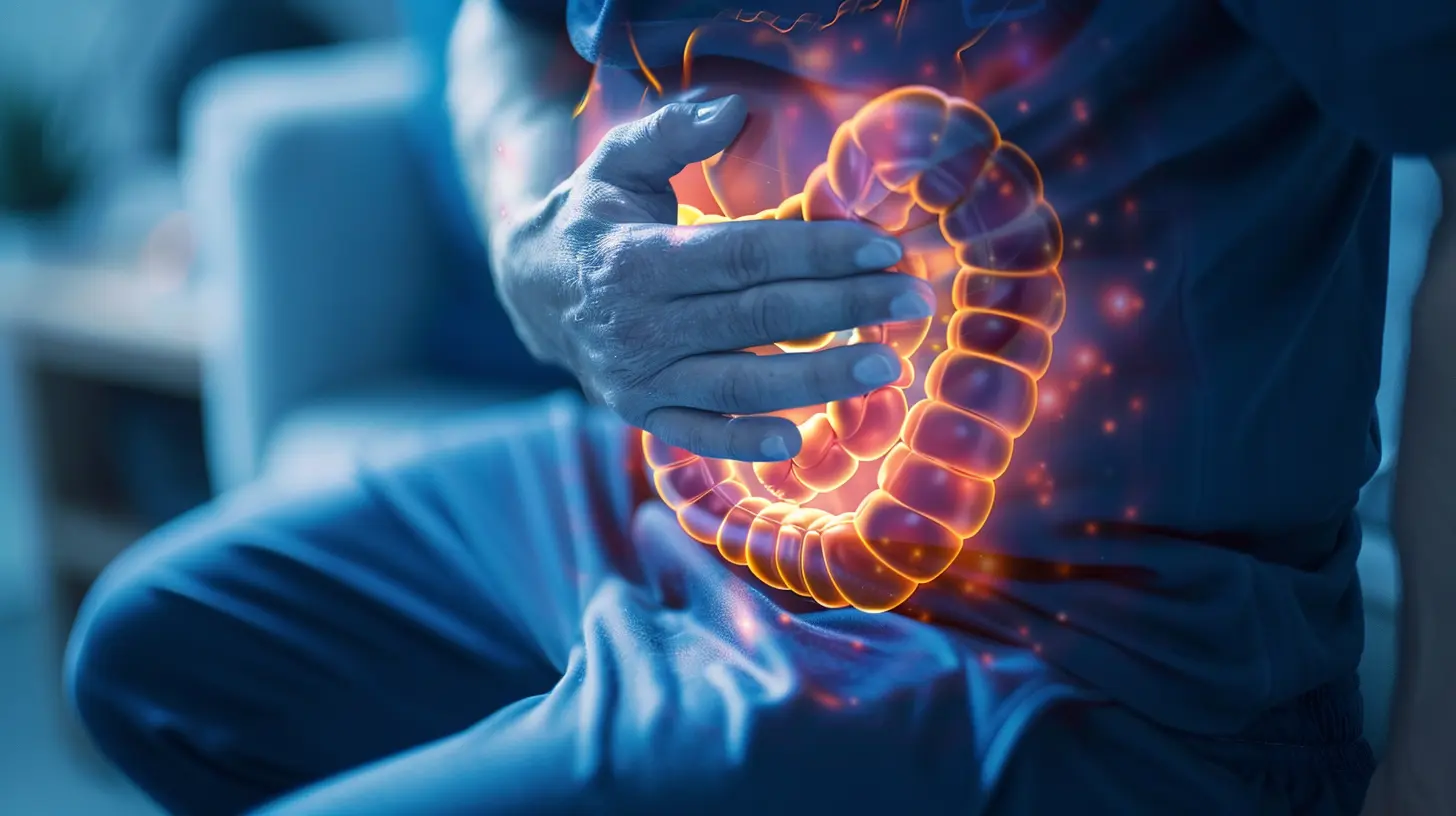
3. Bloating and Gas
Ever feel like your belly is about to pop like a balloon? That’s bloating, and it’s another frustrating symptom of IBS.People with IBS often experience excessive gas and bloating, even after eating small meals. The buildup of gas can make your stomach feel tight, swollen, or overly full.
Common signs of IBS-related bloating:
- A visibly swollen abdomen
- Excessive burping or flatulence
- Discomfort that worsens throughout the day
4. Mucus in Stool
If you notice a jelly-like, white mucus in your stool, don’t ignore it. While mucus in stool happens occasionally for most people, frequent mucus could point to IBS.This symptom is more common in those with IBS-D but can appear in other types as well. It’s not usually a cause for alarm, but if the mucus is accompanied by blood or severe pain, you should see a doctor.
5. Increased Urgency or Feeling of Incomplete Evacuation
Ever leave the bathroom feeling like you still need to go? Many IBS sufferers experience this sensation, also known as tenesmus.What It Feels Like:
- Feeling a constant or frequent need to use the toilet- Sitting on the toilet for long periods with little relief
- Passing only small amounts of stool
6. Triggers That Make IBS Worse
Several factors can make IBS symptoms flare up. If you’ve noticed certain foods or situations triggering digestive discomfort, you’re not alone.Common IBS Triggers:
✅ Stress and Anxiety: Have you ever felt your stomach tense up when you’re nervous? That’s because your gut and brain are closely connected. Stress and anxiety can easily trigger IBS symptoms.✅ Dairy and High-Fat Foods: Many people with IBS struggle with digesting dairy products or greasy foods. These can lead to bloating, gas, and stomach cramps.
✅ Caffeine and Alcohol: While your morning coffee might wake you up, it can also speed up digestion, leading to diarrhea in some IBS sufferers.
✅ Artificial Sweeteners: Sugar alcohols like sorbitol and xylitol (found in sugar-free gum and candies) can cause digestive upset in people with IBS.
✅ FODMAPs: Certain carbohydrates (like onions, garlic, beans, and wheat) are hard to digest and can worsen IBS symptoms. Many people find relief by following a low-FODMAP diet.
7. Other Symptoms Often Linked to IBS
IBS doesn’t just affect your gut—it can impact other parts of your body, too. Some additional symptoms to watch for include:Fatigue and Low Energy
Do you often feel drained, even after a full night's sleep? IBS can cause fatigue due to poor digestion and nutrient absorption.Sleep Disturbances
People with IBS frequently experience trouble falling asleep or staying asleep, possibly due to discomfort and stress.Headaches and Muscle Aches
Digestive issues can sometimes be accompanied by tension headaches or muscle pain, especially if stress is involved.Mood Swings and Anxiety
Living with unpredictable gut issues can be frustrating and stressful. Many IBS sufferers deal with anxiety and depression as a result.When to See a Doctor
While IBS is uncomfortable, it’s not dangerous. However, some symptoms should never be ignored. If you experience any of the following, seek medical attention:? Unintentional weight loss
? Bloody stools or black, tarry stools
? Persistent pain that doesn’t improve after a bowel movement
? Severe diarrhea leading to dehydration
? Difficulty swallowing or unexplained vomiting
These could be signs of a more serious condition, such as inflammatory bowel disease (IBD) or even colon cancer.
Final Thoughts
IBS is a frustrating and unpredictable condition, but recognizing the symptoms is the first step toward managing it. If you're dealing with belly pain, bloating, unpredictable bathroom habits, and discomfort, you’re not alone.While IBS has no cure, lifestyle changes, stress management, and diet adjustments can help reduce its impact. If you suspect you have IBS, talk to your doctor to rule out other conditions and create a personalized plan for relief.
Your gut health matters—so listen to your body and take the steps needed for a healthier, happier digestive system.
all images in this post were generated using AI tools
Category:
Bowel HealthAuthor:

Sophia Wyatt
Discussion
rate this article
1 comments
Vex McPhee
Understanding IBS can be a journey filled with ups and downs. Stay patient and proactive in seeking solutions. Your health matters, and learning about your symptoms is a positive step forward.
June 17, 2026 at 2:51 PM
Sophia Wyatt
Thank you for your thoughtful comment. You're right-understanding IBS takes time, and being proactive is key. I appreciate your support on this journey.