Protecting Your Hair from Heat Damage: Best Practices
13 June 2026
Let’s face it — most of us love the polished look a flat iron or blow dryer gives. Whether it's beachy waves or pin-straight strands, heat styling tools have become haircare staples. But here’s the raw truth — our love for heat can come at a steep price: heat damage. Once your hair starts feeling like straw or looking like frizz central, it's shouting for help.
Don’t worry, though! You don’t have to give up your favorite styling tools for good. You just need a game plan.
In this guide, we're diving into the best practices for protecting your hair from heat damage — simple, foolproof things you can start doing today. Let’s make sure your hair stays healthy, shiny, and strong, no matter how often you reach for the flat iron.
Why Heat Styling Damages Hair
Before we get into the how, let’s talk about the why. Why does applying heat to our hair mess with it so much?When you apply high heat to your hair — especially without protection — you’re breaking down the natural proteins and stripping away moisture. Think of your hair like a piece of paper... if you hold it close to a flame for too long, it starts to crisp up. Same idea here.
Over time, this leads to:
- Dry, brittle strands
- Split ends
- Breakage
- Loss of natural curl pattern
- Frizz that won’t quit
And worst of all? Once hair is truly damaged by heat, you can’t reverse it — only grow it out or cut it off. Yikes, right?
Good news: You can totally prevent this. Let’s start.
1. Limit Heat Styling (Yep, Less is More)
Okay, I know we all adore that salon-fresh finish. But the number one rule? Don’t overdo it.Using heat every day? That’s like sunbathing daily without sunscreen — eventually, your hair pays the price.
What you can do instead:
- Give your hair a break a few days a week. Try cute no-heat hairstyles like braids, buns, or leave-in curl styles.
- Air-dry when you can. If you're in a rush, opt for a microfiber towel or T-shirt to gently blot water — not a rough towel scrub.
- Embrace your natural texture sometimes. Who says waves or curls aren’t fierce?
Trust me, your hair will thank you.
2. Always Use a Heat Protectant
This one should be your non-negotiable. Heat protectants are like sunscreen for your hair — they create a barrier between your strands and the heat.But a good one doesn’t just “protect” — it also helps:
- Retain moisture
- Reduce dryness and frizz
- Improve the effectiveness of your styling tools
Look for products with ingredients like dimethicone, argan oil, or keratin. Spray, cream, serum — pick whatever suits your hair type, but don’t skip it.
Here’s a tip: Apply heat protectant evenly and let it absorb for a few minutes before styling. Applying and immediately curling? That’s like putting on sunscreen after sunbathing. Doesn’t work, pal.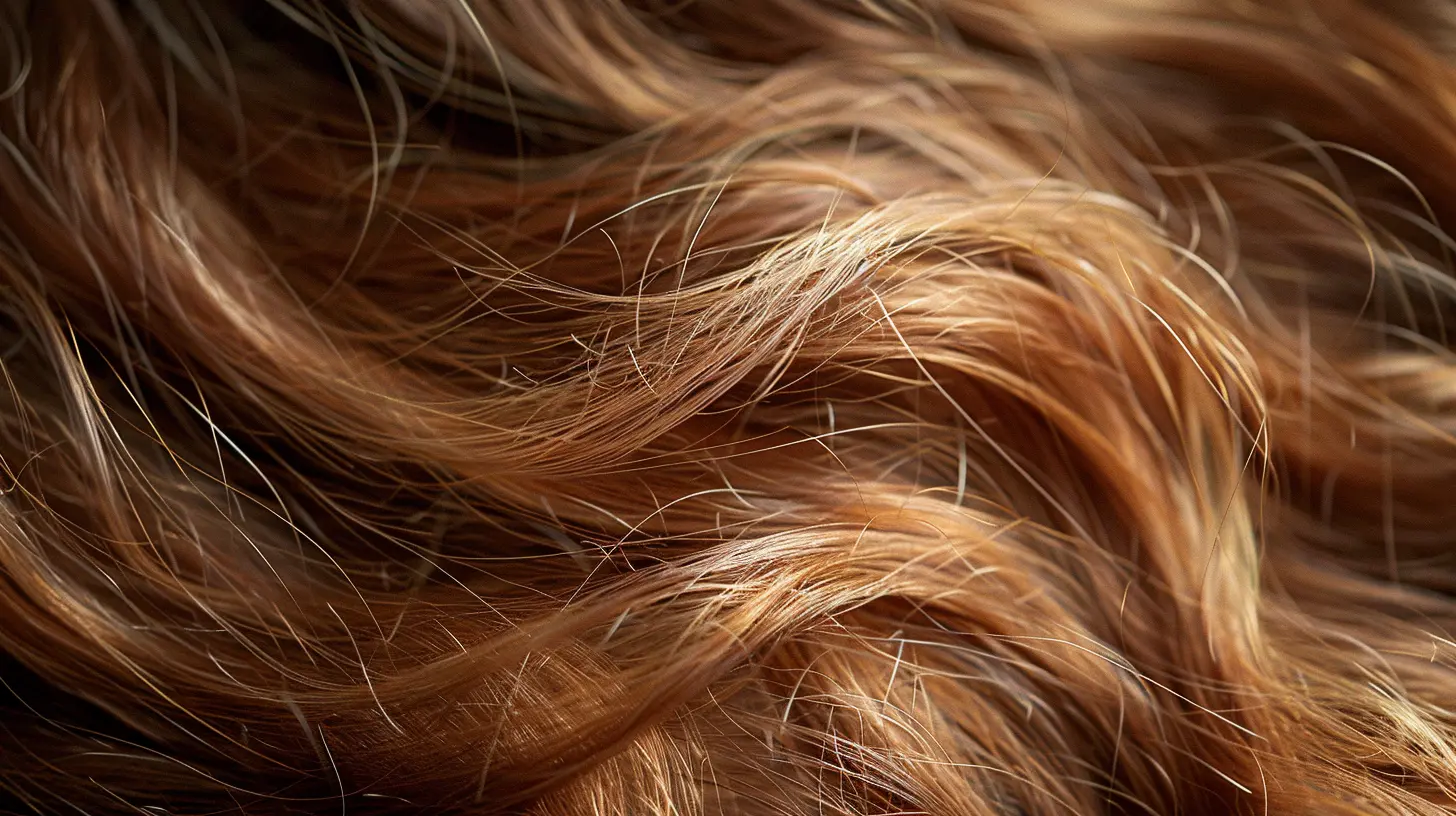
3. Choose the Right Heat Tool (Because Not All Are Created Equal)
Those drugstore flat irons may be budget-friendly, but they could be frying your hair. Quality matters here, big time.Look for tools with:
- Adjustable temperature settings (huge game changer)
- Ceramic, tourmaline, or titanium plates (more even heat)
- Infrared heat technology (less drying)
And if your tool only has “on/off” — toss it. Seriously. Your hair deserves better than a mystery-temp heat blaster.
Also, size matters. If you’ve got thick or long hair, you’ll need a wider plate. Short or fine hair? A narrow feature is better.
4. Mind the Temperature Settings
This one is sneaky. You might think cranking the heat to 450°F will cut your styling time in half. But it’s doing double the damage.Stick to the safe zone:
- Fine or damaged hair: 250°F – 300°F
- Normal hair: 300°F – 375°F
- Thick or coarse hair: 375°F – 400°F
Bottom line: If you hear your hair sizzle — cue the horror movie music — you’ve gone way too hot.
It’s okay if styling takes a few extra minutes at a lower temperature. It’s worth it to keep your strands strong and healthy.
5. Prep Your Hair Properly Before Styling
You wouldn’t bake wet dough, right? Same logic applies to your hair.Never, ever heat style sopping wet hair unless you’re using a blow dryer with a wet hair setting. Flat ironing wet hair is a fast track to breakage.
Here’s what to do:
- Towel-dry gently (again, microfiber towels are your BFF)
- Let your hair air dry until it’s about 70-80% dry before blow drying
- Detangle with a wide-tooth comb to prevent snapping
Prepping your hair also means using the right products. Light oils, anti-frizz serums, and heat protectant sprays all set you up for success.
6. Stick to One Heat Tool Per Session
Using a blow dryer, then a curling wand, then straightening again for that “perfect finish"? Yikes.That’s like giving your hair a triple roast session.
Try to pick one heat styling method per day. If you blow-dry to straighten, skip the flat iron. If you use a curling iron, try air-drying beforehand.
Quick hack: Want curls without using both a dryer and iron? Use heatless curlers overnight after air-drying with a leave-in conditioner. Boom — styled and safe.
7. Trim Damaged Ends Regularly
Look, even with all the precautions in the world, your ends might eventually show signs of wear. They’re the oldest part of your hair — and the first affected by heat.Regular trims don’t just make your hair look healthier; they prevent a few split ends from turning into a global crisis on your head.
Aim for dusting (tiny trims) every 6–8 weeks. Not a full chop, just a tidy-up.
8. Replenish Moisture After Styling
Heat sucks the moisture from your strands faster than a desert wind. That’s why it’s key to rehydrate your hair after you style — especially if you use heat often.Try this post-styling routine:
- Use a nourishing hair oil (think argan, coconut, or jojoba)
- Add a lightweight leave-in conditioner
- Deep condition 1–2 times a week with a hydrating hair mask
Moisturized hair is stronger, shinier, and more heat-resilient. It’s like giving your hair a tall glass of water after a long, hot day.
9. Switch to Silk or Satin Pillowcases
Okay, this one might sound a little “extra,” but hear me out.Cotton pillowcases create friction while you sleep, leading to breakage, frizz, and moisture loss — especially if you’ve curled or straightened your hair that day.
Silk or satin? They’re like velvet ropes that protect your hair while you snooze. Less pulling, snagging, and tangling.
Plus, they feel luxurious. Win-win.
10. Feed Your Hair From the Inside Out
Healthy hair starts at the roots — and that means nutrition matters.Your strands need protein, biotin, omega-3s, and vitamins A, C, and E to thrive. A poor diet can lead to weak, brittle hair that’s more susceptible to heat damage.
Good foods for hair health:
- Eggs (protein + biotin)
- Salmon (omega-3s)
- Spinach (iron + vitamin C)
- Avocados (healthy fats)
- Nuts and seeds (vitamin E)
Don’t forget your water, either! Hydrated body = hydrated strands.
Bonus: Be Gentle, Always
The way you handle your hair every day makes a difference too.Avoid harsh brushing, tight ponytails, and constant fiddling. All that adds stress to your strands — especially after heat styling.
Treat your hair like it’s your favorite silk dress. Be kind, go gentle, and baby those ends.
Final Thoughts
You don’t have to break up with your straightener or blow dryer to have healthy, shiny hair. You just need to know how to protect your locks from heat damage before it starts.By being mindful of how often you style, using the right products, and showing your hair a little love, you’ll keep your strands strong and happy. And who doesn’t want hair that looks amazing and feels incredible?
Remember, it’s not about never using heat — it’s about being smart when you do. So go ahead and rock those curls or that sleek blowout. Just make sure your hair’s safety is part of your styling routine.
Because beautiful hair? Starts with healthy hair.
all images in this post were generated using AI tools
Category:
Healthy HairAuthor:

Sophia Wyatt
Discussion
rate this article
1 comments
Judith Riggs
So, you want to keep your hair looking fabulous while avoiding the crispy critter look? Remember, your hair isn't a piece of toast! Use a heat protectant like it's sunscreen for your strands. Let's be real, no one wants their locks looking like last week's leftover fries... Stay cool and fabulous!
July 1, 2026 at 5:00 AM
Sophia Wyatt
Great reminder! Heat protectants are essential for keeping hair healthy and looking its best. Let's keep those crispy critters at bay!