Portion Control for a Healthier Planet: Reducing Food Waste Through Smarter Eating
8 October 2026
Most conversations about portion control start and end with weight. Calories in, calories out. Plate size, hunger cues, the dreaded measuring cup. That framing is not wrong, but it is incomplete. What you put on your plate, and how much of it you actually eat, has a second set of consequences that rarely make it into the discussion: the land, water, energy, and labor that went into producing food you never consume.
Food waste is not just a household budgeting problem or an environmental statistic. It is a direct outcome of how we shop, cook, store, and serve food. Portion control sits at the center of that chain. When you serve yourself or your family an amount that matches actual appetite, you reduce the volume of food that gets scraped into the bin, forgotten in the back of the fridge, or left to rot on a countertop. That reduction has measurable environmental value, and it also tends to improve how you eat.
This article looks at portion control as a practical tool for both personal health and planetary health. It covers why waste happens, how portion sizes became distorted, what actually works at home, and where common advice goes wrong. The goal is not perfection. It is a set of habits that hold up on a Tuesday night when you are tired and hungry and not in the mood to weigh anything.
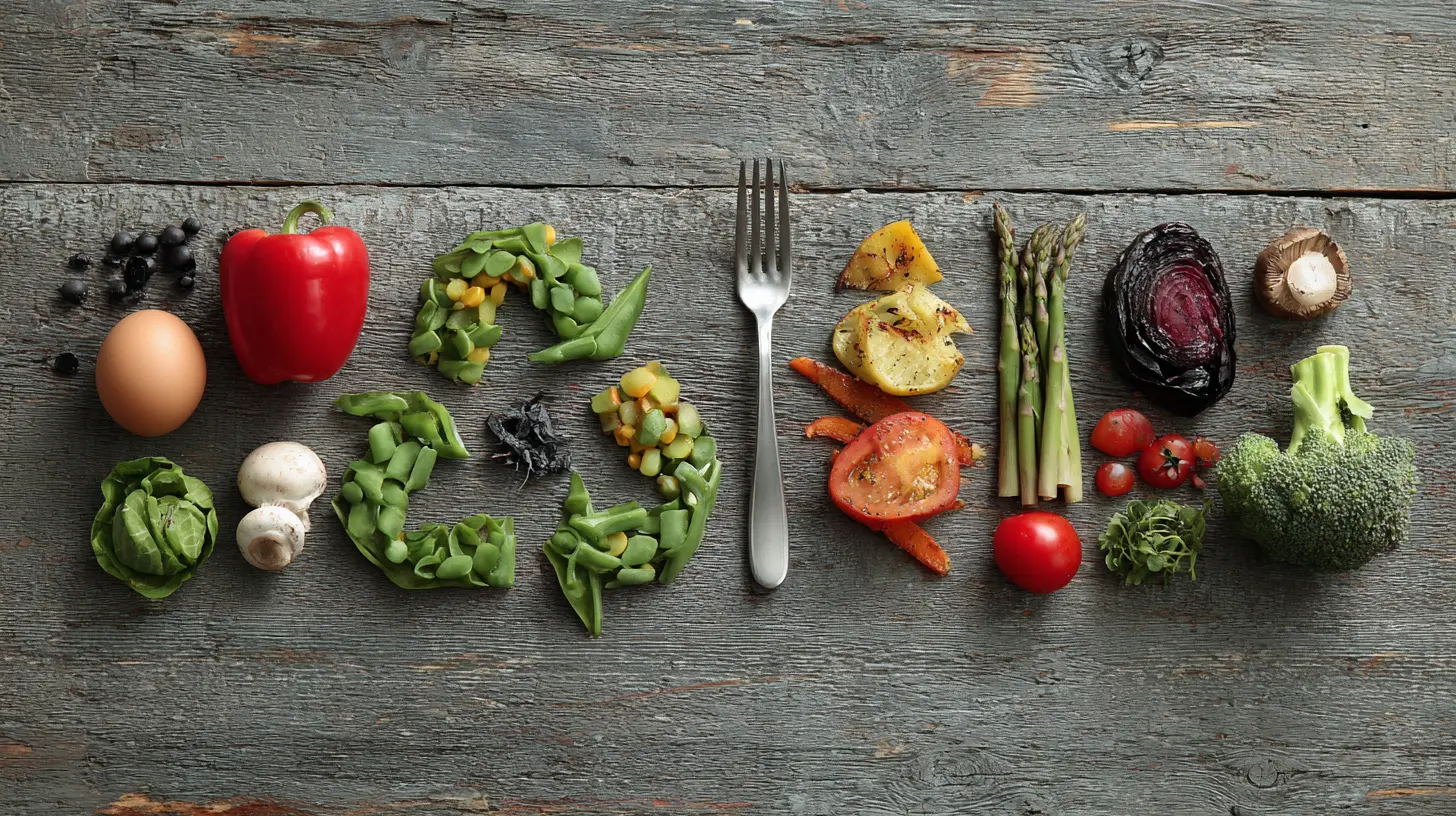
Why Portion Control and Food Waste Are the Same Conversation
When food is thrown away, everything used to produce it is thrown away too. That includes water, fuel, fertilizer, labor, packaging, refrigeration, and transport. A head of lettuce that wilts in your crisper drawer represents a chain of inputs that no longer serves any purpose. The same is true for half a restaurant meal, a forgotten container of rice, or the extra pasta you cooked "just in case."Household food waste is one of the largest single sources of wasted food in many countries, though exact shares vary by region and how waste is measured. What matters for this discussion is the pattern: a significant portion of what households discard is edible food that was purchased with the intention of being eaten. It was not spoiled at the store. It was not damaged in transit. It was brought home and then lost to poor planning, oversized portions, or unclear storage.
Portion control addresses this at the point of decision. Every time you serve food, you make a choice about quantity. That choice determines whether the food gets eaten, saved as a deliberate leftover, or eventually discarded. Small adjustments at that moment compound over weeks and months.
There is also a health dimension that reinforces the environmental one. Consistently serving more than you need tends to lead to eating more than you need. That is not a moral failing. It is a well-documented effect of how humans respond to what is in front of them. Larger portions normalize larger intake. When you reduce portion sizes to match actual hunger, you often reduce total calories without feeling deprived, because the mismatch between portion and appetite was the problem in the first place.
So the two goals align. Eating closer to what your body needs reduces waste, and reducing waste usually means eating closer to what your body needs. The rest of this article explains how to make that alignment practical.
How Portion Sizes Drifted Away From Appetite
Portion sizes are not fixed by biology. They are shaped by culture, marketing, restaurant economics, and packaging. Over the past several decades, the average size of many prepared foods, restaurant servings, and packaged snacks has increased in many countries. A muffin today may be two or three times the size of a muffin from the 1970s. A standard soda has grown from a small bottle to a large cup. Plate diameters in home dinnerware have expanded as well.This drift matters because people tend to eat what they are served. Studies on portion size effects have consistently found that when people are given larger portions, they eat more, often without reporting feeling more full. The mechanism is partly visual and partly habitual. We use external cues, like how full a plate looks or how much food is left, to decide when to stop. When the baseline portion is larger, the stopping point moves.
Restaurants have a specific incentive to serve large portions. Food cost is a relatively small share of the total price of a meal, so adding more rice, pasta, or bread is cheap relative to the perceived value it creates. Customers often feel they got a better deal when the plate is overflowing. The result is a serving size that has little to do with what a person needs in one sitting.
Packaging follows the same logic. A bottle of juice, a bag of chips, or a frozen meal is often designed as a single unit even when the amount inside exceeds what most people would eat in one sitting. The unit becomes the portion by default. You finish the bag because the bag is the boundary, not because you were still hungry.
Understanding this history is useful because it reframes portion control. You are not restricting yourself against your natural appetite. You are recalibrating against a set of external cues that have been inflated for reasons that have nothing to do with your needs.
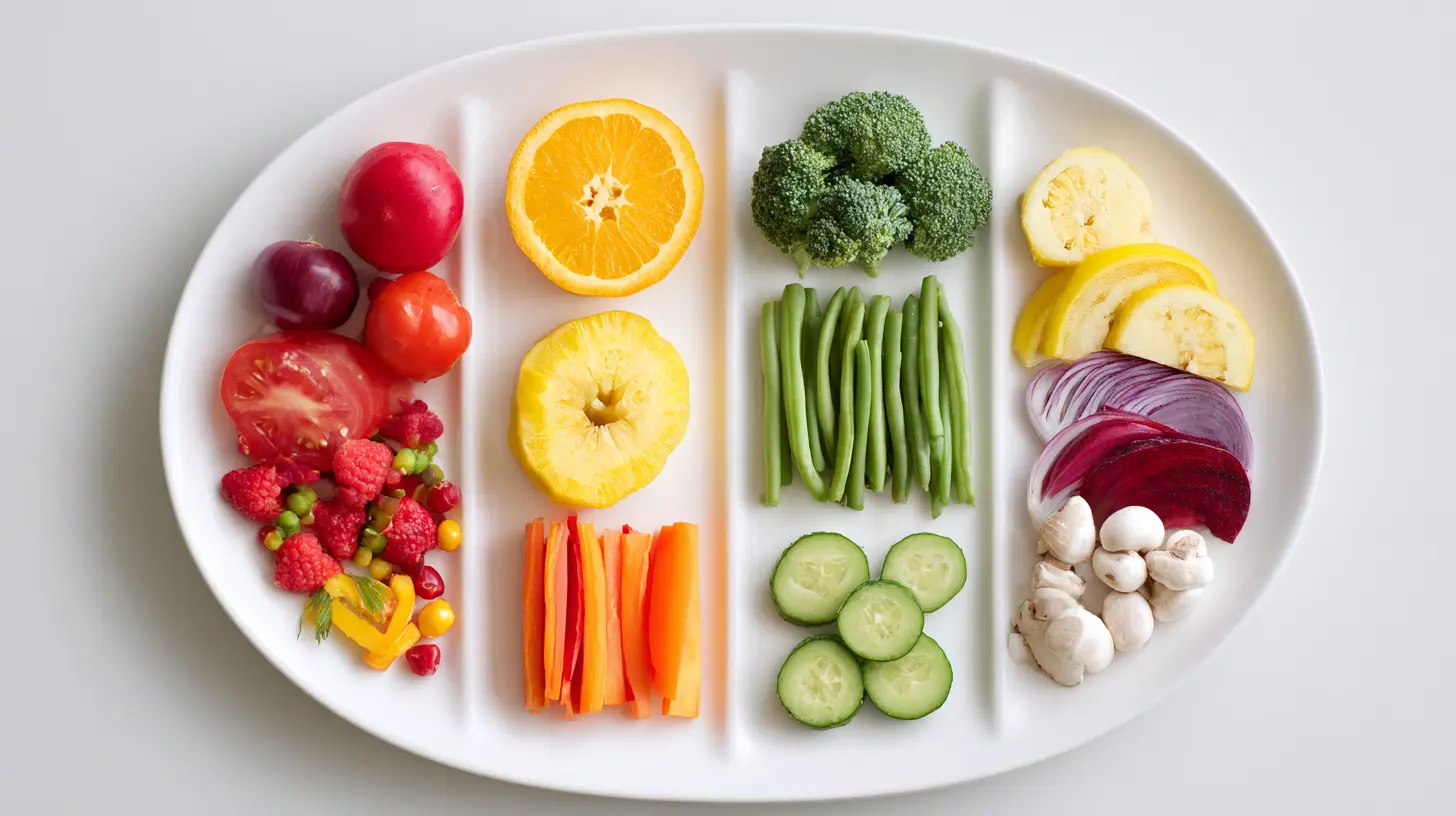
The Environmental Cost of Over-Serving
It is tempting to think of food waste as a minor issue because food is biodegradable. That view misses the point. When food decomposes in a landfill, it produces methane, a potent greenhouse gas. The emissions associated with producing, processing, and transporting the food are also wasted. In effect, you pay the environmental cost twice: once to create the food, and again to dispose of it.Different foods carry different footprints. Animal products generally require more land, water, and feed per calorie than plant foods. That does not mean you should never waste a piece of chicken, but it does mean that over-serving meat and dairy has a larger environmental consequence than over-serving rice or vegetables. This is a nuance that often gets lost in simplified advice. If you are going to be careful about portions anywhere, the highest-impact place to start is with foods that took the most resources to produce.
There is also the question of what counts as waste. Peels, bones, coffee grounds, and eggshells are not typically edible, so they are not the same as uneaten food. The category that matters most for portion control is avoidable waste: food that was edible and was discarded anyway. That is the slice of the problem you can directly influence by serving and storing more thoughtfully.
Finally, waste has a supply chain dimension. When households waste less, the demand signal to producers becomes slightly more accurate. This is a slow, diffuse effect, and no single household moves a market. But aggregated across millions of kitchens, reduced waste translates into less surplus production, less spoilage in transit, and less pressure to overproduce as a buffer against uncertain demand. The effect is real even if it is invisible at the individual level.
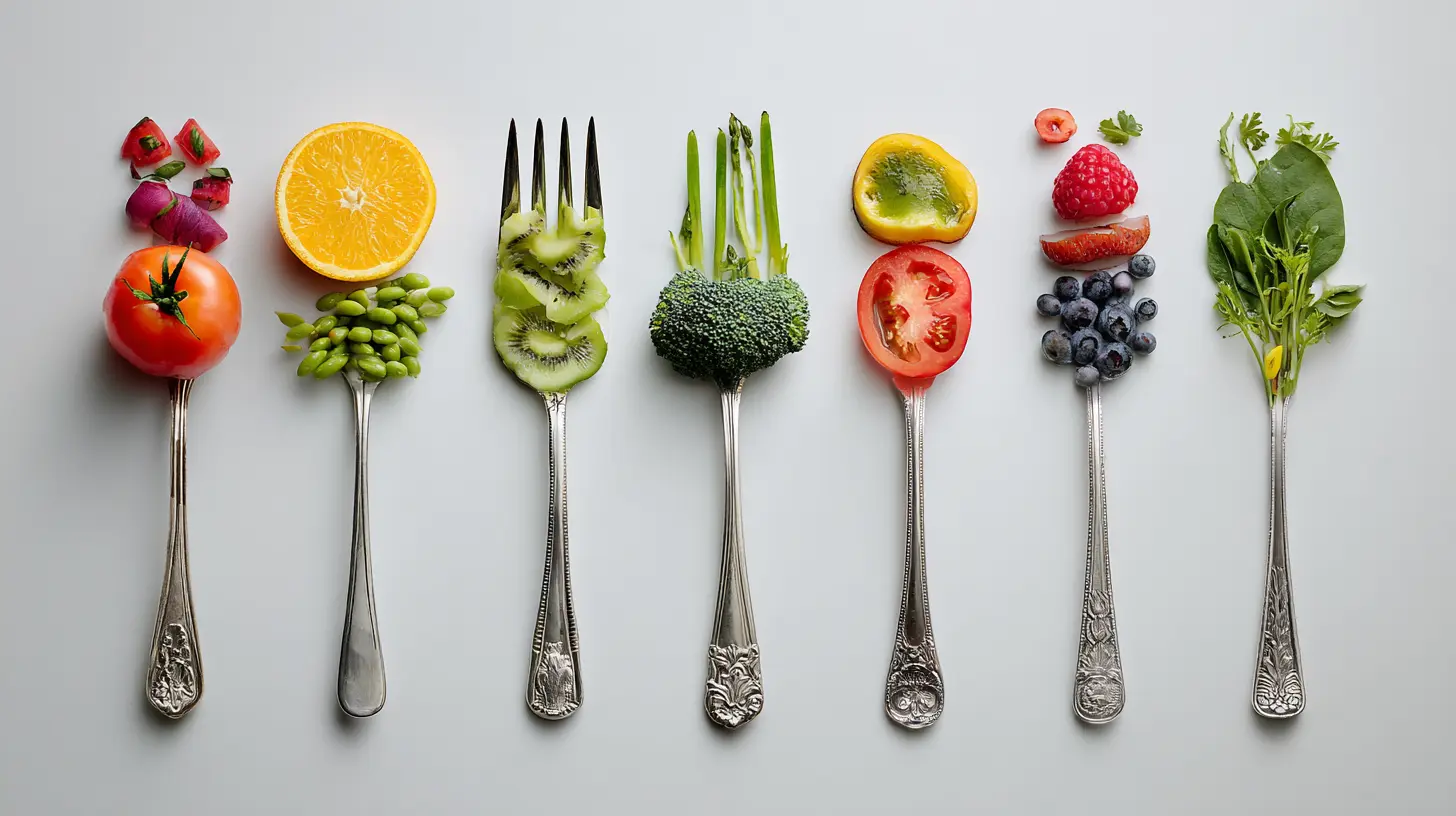
Start With Your Actual Appetite, Not a Standard Serving
The most useful starting point for portion control is not a chart or a measuring cup. It is your own hunger and satiety. Standard serving sizes on packaging are reference points, not prescriptions. They were developed for labeling purposes and often do not reflect what a specific person needs at a specific meal.A practical approach is to serve a modest first portion, eat slowly enough to register fullness, and then decide whether to take more. This sounds obvious, but it runs against the habit of filling a plate completely before sitting down. The key is to treat the first serving as a starting point rather than a commitment. You can always take more. You cannot un-serve food that is already on your plate, and once it has been touched by a fork, it is much more likely to be thrown away than saved.
Satiety signals take time. Eating quickly tends to overshoot the point where you would have felt satisfied. Pausing between bites, putting the fork down occasionally, and drinking water during the meal all slow the process enough for your body to catch up. These are not tricks. They are ways of letting a natural feedback loop do its job.
Hunger also fluctuates. A portion that satisfies you on a restful Sunday may be too much after a sedentary afternoon and too little after a long hike. Rigid portion rules break down because they ignore context. A better approach is to have a default starting point that you adjust based on how hungry you actually are, how active you have been, and what else you have eaten that day.
The Plate Method and Its Limits
The plate method is one of the most widely recommended portion strategies. The general idea is to divide your plate into sections: roughly half vegetables, a quarter protein, and a quarter starch or grains. It is simple, visual, and does not require weighing anything.Its strength is that it works without numbers. You can apply it at home, at a buffet, or at a friend's dinner. It also naturally shifts the balance of a meal toward vegetables, which tend to be lower in calories and higher in fiber, and away from dense starches and proteins that are easier to over-serve.
Its limits are worth knowing. The plate method assumes a standard plate size, and plates vary. A nine-inch plate and a twelve-inch plate produce very different meals even if the proportions are the same. It also assumes a mixed meal. If you are eating a bowl of soup or a sandwich, the visual division does not apply cleanly. And it does not account for individual needs. An athlete in training and a sedentary office worker may need very different amounts of protein and starch, even if the proportions look similar.
Use the plate method as a default, not a rule. When it does not fit the meal, fall back on the more fundamental principle: serve a modest first portion, eat slowly, and take more only if you are still hungry.
Portion Control When Cooking at Home
Home cooking is where portion control has the most leverage, because you decide how much food exists in the first place. The single most effective habit is to cook closer to the amount you will actually eat, rather than cooking a large batch "just in case."This does not mean you should never batch cook. Batch cooking can reduce waste if the leftovers are genuinely eaten. The problem is speculative cooking: making more food than you have a plan for, then watching it decline in the fridge over several days. Before you scale up a recipe, ask who is going to eat the extra and when. If the answer is vague, cook less.
A few practical adjustments help:
- Measure dry grains and pasta before cooking. A common mistake is to pour from the bag without measuring, which reliably produces more than needed. A kitchen scale or a measuring cup takes seconds and prevents the most common source of leftover pasta and rice.
- Cook vegetables in the amount you will eat in one or two meals. Unlike grains, cooked vegetables lose quality quickly and are less appealing as leftovers.
- Treat protein as the anchor of the plate and portion it deliberately. Protein is often the most expensive and most resource-intensive component of a meal, so over-serving it is costly both financially and environmentally.
- Use smaller serving bowls and plates. The size of the vessel shapes how much you take. This is not a gimmick; it is a reliable effect that shows up across many settings.
- Serve from the kitchen rather than placing full pots on the table. When the serving dish is in front of you, second and third helpings happen with less thought. When you have to get up to refill, you are more likely to pause and check whether you are actually still hungry.
None of these require tracking or calculation. They are structural changes that make the desired behavior easier.
Portion Control When Eating Out
Restaurants are where portion control gets hardest, because you do not control the serving size. You control what you do with it.The most straightforward approach is to decide before the meal arrives whether you plan to eat everything or save part of it. If you plan to save half, ask for a container when the food comes rather than at the end. Packing half immediately removes the temptation to keep picking at the plate while you wait for the check. It also means the food goes into a container rather than being left to cool and congeal on the plate.
Sharing is another option. Many restaurant portions are large enough for two people, especially appetizers and pasta dishes. Ordering one entree and one appetizer to share, or two appetizers and a side, often produces a more appropriate amount of food than two full entrees. This works best at restaurants where the kitchen is flexible and the menu is not built around rigid individual portions.
Buffets are a different problem. The economics of a buffet encourage over-serving, and the social setting makes it easy to take more than you need. A useful strategy is to treat the first trip as a tasting round: small amounts of several items, then a second trip only for the things you actually want more of. This reduces the amount left on the plate at the end, which is the most common form of buffet waste.
There is also a trade-off to acknowledge. Some people find that taking home leftovers is impractical, either because they will not eat them or because the food does not reheat well. In that case, ordering a smaller item or sharing is better than taking home a container that will sit in the fridge until it is thrown out. The goal is not to save food for its own sake. It is to avoid creating waste in the first place.
Storage and Leftovers as a Portion Strategy
Portion control does not end when the meal is over. How you store leftovers determines whether they get eaten or discarded.The most common failure mode is storing leftovers in a large container with no plan for when they will be eaten. A big tub of stew in the back of the fridge is easy to forget. Smaller containers, labeled with the date, are more likely to be used because they are visible, portioned, and easy to grab for a lunch.
Freezing is underused. Many cooked foods freeze well, including soups, stews, sauces, cooked grains, and many baked goods. If you have more than you will eat in a few days, freezing individual portions turns a potential waste item into a future meal. The key is to freeze in portions you will actually use, not in one large block that has to be thawed all at once.
There is also a hierarchy worth keeping in mind. Eating leftovers is better than composting them, and composting is better than throwing them in the trash. But preventing the surplus in the first place is better than all three. Storage is a backstop, not a solution. If you consistently find yourself with more leftovers than you can eat, the issue is upstream, in how much you cooked or ordered.
Common Mistakes and Misconceptions
Several beliefs about portion control and food waste are widespread and misleading. Addressing them directly helps avoid wasted effort."Serving sizes on labels tell me how much to eat." They do not. They are standardized reference amounts used for nutrition labeling, and they vary by product and country. They are not personalized to you.
"Cooking more is always more economical." Buying in bulk and cooking large batches can save money per unit, but only if the food is eaten. If a third of it is discarded, the effective cost per eaten portion may be higher than cooking a smaller amount. The economics depend on consumption, not purchase.
"Leftovers are always a good deal." Leftovers are a good deal when they are eaten. When they are not, they are a deferred waste. The relevant question is not whether you have leftovers, but whether you have a realistic plan to eat them.
"Food waste is mainly a restaurant and grocery store problem." Household waste is a major contributor in many regions, and it is the portion of the problem you have the most direct control over. Blaming other actors can be accurate and still unhelpful if it stops you from acting where you can.
"Portion control means eating less." It means eating the amount that matches your needs. For some people, that means eating more than they currently do, especially if they skip meals and then overeat later. The goal is alignment, not restriction.
"Composting solves the problem." Composting reduces the methane impact of food waste compared to landfilling, and it returns nutrients to the soil. But it does not recover the water, energy, and labor that went into producing the food. It is a better end-of-life option, not a substitute for prevention.
A Practical Framework You Can Actually Use
Pulling this together, here is a framework that holds up in real life without requiring constant measurement or tracking.Before shopping: Plan meals around what you already have. Check the fridge and pantry before writing a list. Buy perishables in amounts you can realistically use within their shelf life.
Before cooking: Decide how many people are eating and whether you want leftovers. If you do, plan when they will be eaten. If you do not, cook to the number of servings you need.
At the table: Serve a modest first portion. Use smaller plates and bowls. Put serving dishes away from the table. Eat slowly enough to notice fullness.
After the meal: Store leftovers in small, labeled containers within two hours. Freeze what you will not eat within a few days. Move older items to the front of the fridge so they get used first.
When eating out: Decide before the food arrives whether you will finish it or save part of it. Ask for a container early if you plan to save half. Share dishes when portions are large.
Review weekly: Once a week, look at what you threw away and why. Patterns will emerge. Maybe you consistently buy more greens than you eat, or you consistently cook more rice than you need. Adjust the specific habit that is causing the waste rather than trying to overhaul everything at once.
Why This Matters Beyond Your Kitchen
Portion control is often framed as a personal discipline. That framing undersells it. When millions of households serve closer to what they eat, the effects ripple outward: less surplus demand, less spoilage, less land and water used to produce food that never gets consumed. The change is gradual and hard to see from any single kitchen, but it is real.It also changes the culture around food. When over-serving stops being the default, the expectation shifts. Restaurants respond to what customers want. Grocery stores respond to what sells. Packaging responds to what people buy. Individual habits, aggregated, become market signals.
None of this requires being perfect. It requires being deliberate at the moments that matter: when you serve, when you cook, when you shop, and when you decide what to do with what is left. Those moments are frequent enough that small improvements add up.
The health benefits and the environmental benefits point in the same direction. Eating closer to what your body needs tends to mean wasting less. Wasting less tends to mean eating closer to what your body needs. The two goals reinforce each other, and the habits that serve them are not complicated. They are just easy to skip when life is busy. The work is in making them default.
all images in this post were generated using AI tools
Category:
Portion ControlAuthor:

Sophia Wyatt
Discussion
rate this article
1 comments
Adeline Garcia
Portion control can significantly reduce food waste and promote healthier eating habits.
October 8, 2026 at 3:06 AM