Meditation for Parents: Finding Patience and Presence with Kids
2 January 2026
Parenting is one of the most rewarding yet challenging journeys in life. Between tantrums, endless questions, and daily responsibilities, parents often find themselves overwhelmed, exhausted, and short on patience. But what if I told you there's a simple practice that can transform how you navigate parenthood?
Meditation.
Yep, that thing you’ve probably heard about but never made time for. The truth is, meditation isn't just for monks or yogis—it's a game-changer for parents, helping you cultivate patience, presence, and a deeper connection with your children.
So, let’s dive into how meditation can help parents find their inner calm and show up fully for their kids. 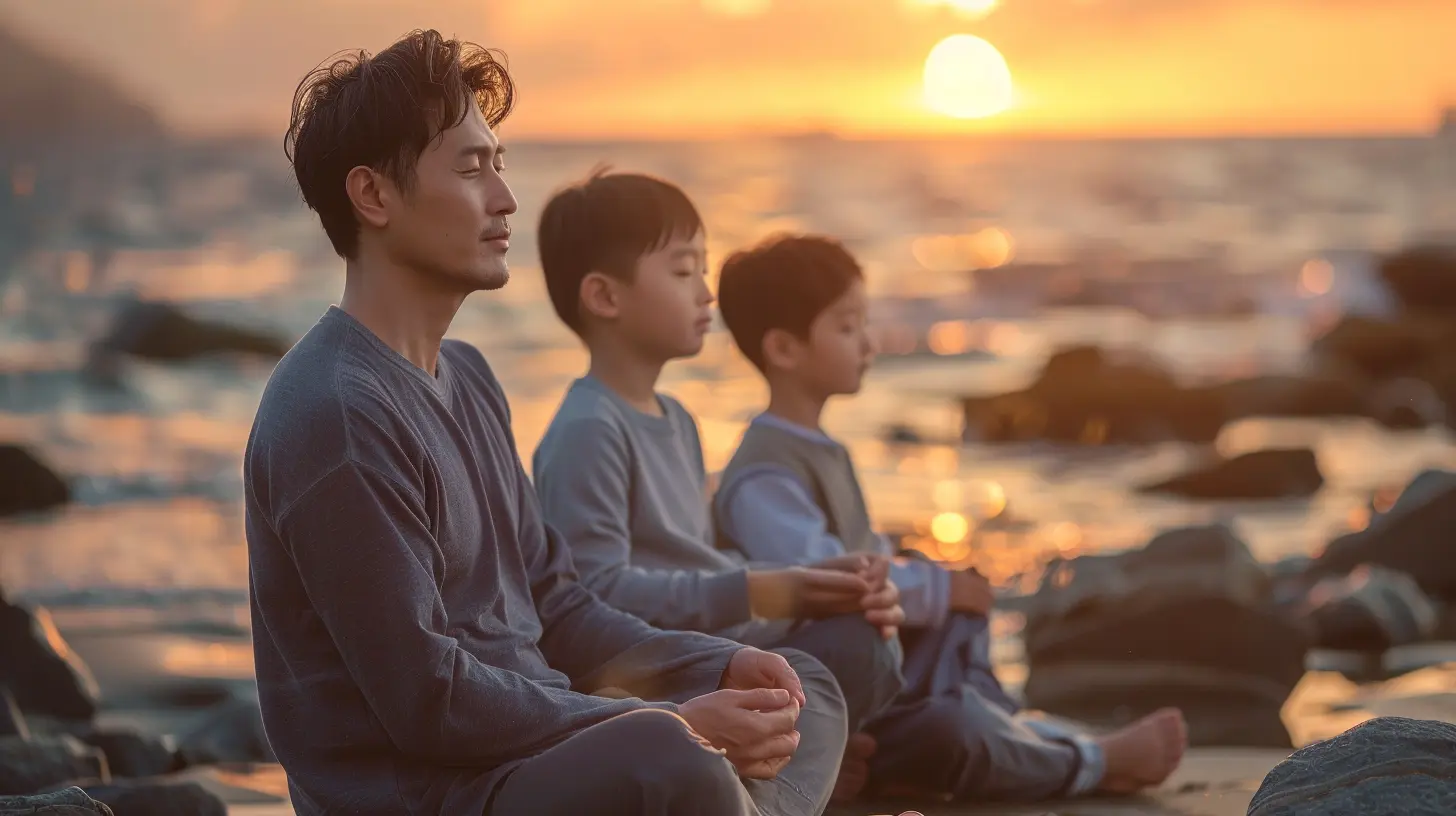
Why Parents Need Meditation More Than Ever
Raising kids in today’s fast-paced, technology-driven world is no joke. The stress of juggling work, household chores, and parenting can feel overwhelming. You’re constantly on the go, and before you know it, your little one is tugging at your sleeve, asking for your attention, while your mind is elsewhere.Sound familiar?
Meditation helps slow things down. It teaches you to be present, to embrace the chaos with a sense of calm, and—most importantly—to respond rather than react when things get tough.
But how exactly does it work? 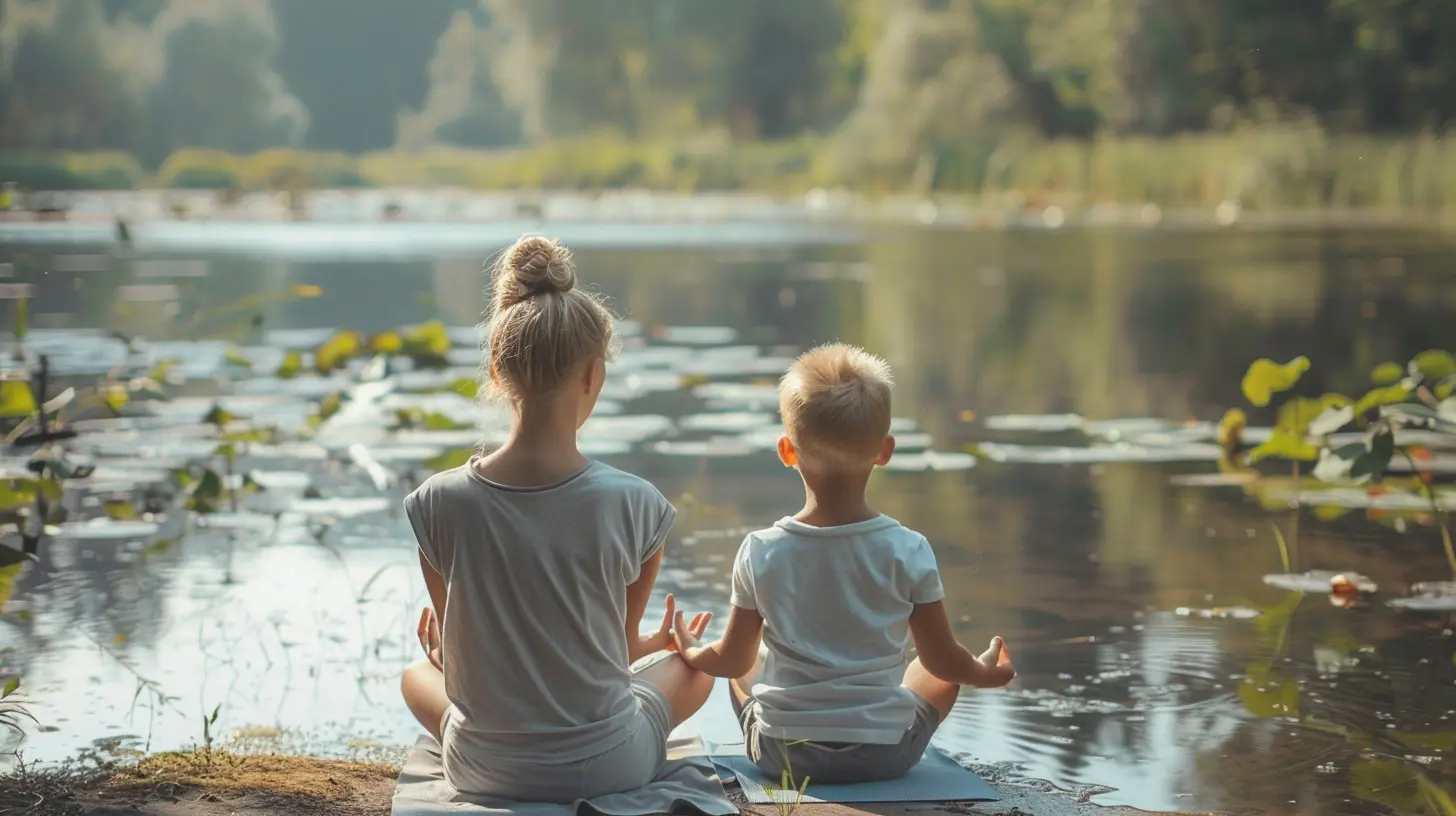
The Science Behind Meditation and Patience
If you've ever lost your temper with your child, you know how quickly frustration can take over. Meditation rewires your brain to improve emotional regulation, making you less reactive and more patient.Studies show that meditation increases gray matter in areas of the brain responsible for emotional control and empathy. This means parents who meditate are more likely to stay calm in stressful situations and respond to their kids with understanding rather than anger.
Another benefit? Lower cortisol levels. Cortisol is the stress hormone responsible for that all-too-familiar feeling of being on edge. Meditation helps reduce cortisol, making you feel more relaxed and less likely to snap when your toddler refuses to put on their shoes… for the fifth time. 
How Meditation Helps You Stay Present with Your Kids
Ever catch yourself scrolling on your phone while your child tells you a story? It happens.Meditation sharpens your ability to focus, helping you truly engage with your kids rather than being physically present but mentally checked out. When you practice mindfulness, you become more aware of each moment, whether it’s listening to your child’s dreams or watching them take their first steps.
Presence is a gift. And meditation helps you give that gift to your children. 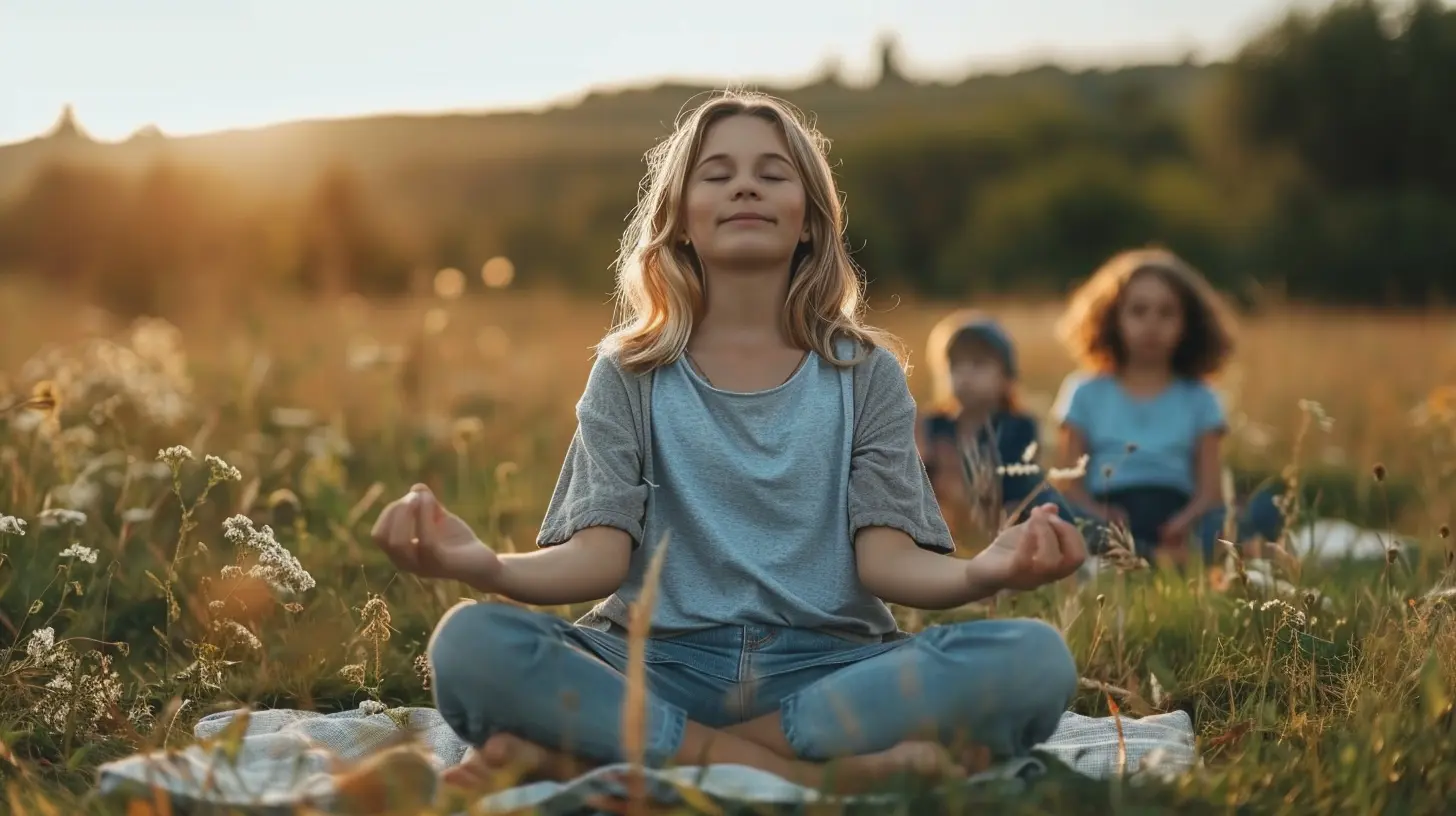
How to Get Started: Simple Meditation Techniques for Parents
Okay, so meditation sounds great in theory. But between diaper changes, school drop-offs, and meal prep, how are you supposed to fit it in?Good news: Meditation doesn’t have to be a 60-minute session in a silent room. Just a few minutes a day can make a huge difference. Here’s how to start:
1. The One-Minute Breathwork
Feeling frustrated? Take a deep breath. Then another.- Inhale for four seconds.
- Hold for four seconds.
- Exhale for four seconds.
- Repeat for one minute.
This quick exercise instantly signals your nervous system to calm down, helping you respond to your child with patience rather than frustration.
2. Mindful Mornings
Before rushing to start the day, take five minutes to sit quietly and focus on your breath. Visualize yourself being a calm and loving parent throughout the day.This sets a positive tone and helps you approach parenting challenges with a clear mind.
3. The Pause Before Reaction
Kids will test your patience—it's inevitable. But instead of reacting immediately, pause.- Breathe in deeply.
- Acknowledge your emotion.
- Respond with intention instead of impulse.
This simple habit can prevent countless unnecessary arguments and meltdowns.
4. Gratitude Reflection at Night
Before bed, reflect on three positive moments from your day with your child. Maybe it was a shared laugh, a quiet cuddle, or a sweet “I love you.”Focusing on these moments shifts your mindset, making you more appreciative and emotionally present for your child.
5. Walking Meditation with Kids
Turn daily walks into a mindful experience. Notice the sights, sounds, and sensations around you. Encourage your kids to do the same.Instead of rushing through the walk, enjoy it together. These little moments of awareness create deeper connections.
Overcoming Common Meditation Roadblocks
Now, maybe you’re thinking:"I don’t have time for this."
"I can't sit still."
"My mind won’t stop racing."
That’s completely normal. Meditation isn't about achieving total stillness or thinking about nothing; it's about learning to return to the present moment, again and again.
Here’s how to overcome those mental roadblocks:
- No time? Start with just one minute a day. Even a small effort is better than none.
- Can’t sit still? Try movement-based meditation like yoga or mindful walking.
- Racing thoughts? It’s okay. Acknowledge them without judgment and gently bring your focus back to your breath.
The Ripple Effect: How Your Meditation Impacts Your Kids
Here’s the cool part—when you practice meditation, your kids benefit too.Children learn by observing. If they see you handling stress calmly and practicing mindfulness, they’ll naturally pick up those habits. You become the model of emotional regulation for them.
Plus, a calmer parent creates a calmer home environment. Less yelling, more understanding, and a stronger emotional connection with your child.
By investing in your own mindfulness, you’re also giving your children invaluable life skills for handling their own emotions.
Final Thoughts
Parenting is messy, beautiful, exhausting, and incredible—all at the same time. While you can’t eliminate the chaos, you can change how you respond to it. Meditation gives you the tools to be a more patient, present, and peaceful parent.So, next time you feel overwhelmed, take a deep breath, pause, and remind yourself: Parenting is a journey, not a race. And the more present you are, the more meaningful that journey becomes.
Now, go take a breath. You’ve got this.
all images in this post were generated using AI tools
Category:
MeditationAuthor:

Sophia Wyatt
Discussion
rate this article
2 comments
Annabelle Lopez
Because nothing says 'I’m zen' like a calm mind and a toddler’s surprise meltdown! Meditation: the only thing keeping parents from trading their kids for chocolate (sometimes).
January 28, 2026 at 4:08 AM
Sophia Wyatt
Absolutely! Meditation can be a lifesaver for parents, helping to cultivate patience and maintain calm amidst the chaos of toddler tantrums.
Quentin Rodriguez
This article beautifully highlights the transformative impact of meditation on parenting. Cultivating patience and mindfulness not only enhances our connection with children but also fosters a more harmonious family environment. A must-read for all parents seeking balance!
January 16, 2026 at 4:09 AM
Sophia Wyatt
Thank you for your kind words! I'm glad you found the article helpful in fostering mindfulness and connection in parenting.