Key Bone-Building Nutrients You Might Be Missing
4 December 2025
When we think about staying strong and healthy, our bones usually don’t get the spotlight they deserve. We worry about our heart, our skin, even our gut, but what about the very framework holding it all together? Yep, I’m talking about those 206 incredible bones in your body.
While calcium often grabs all the attention (and hey, it's important!), there’s a whole team of nutrients working behind the scenes to keep your skeleton solid as a rock. If you're only focusing on one or two, chances are you’re missing out on some key players. Let’s dive into the essential nutrients you're probably skipping, why they matter, and how to get more of them in your daily diet.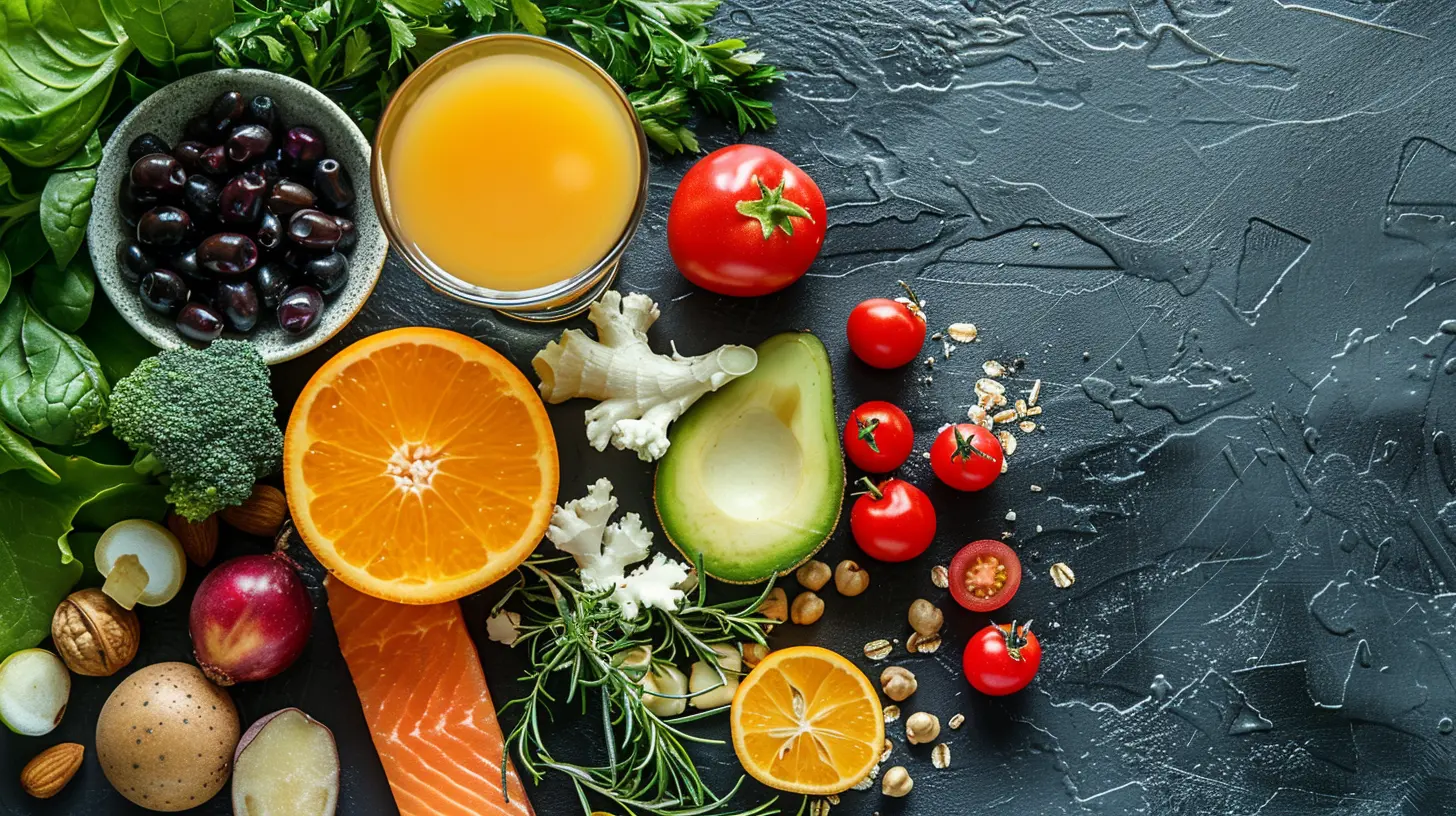
Why Bone Health Deserves More of Your Attention
Before we talk nutrients, let’s get one thing clear—bone health isn’t just an “old people” issue.Your bones are living tissue. They grow, repair, and rebuild constantly. But as we age, especially past 30, bone loss starts to outpace growth. And if you aren't feeding your bones the right nutrients now, you might be setting yourself up for fractures, osteoporosis, and chronic pain later in life.
So, investing in your bone health today? That’s like putting cash into your retirement fund—only this one pays off in strength, mobility, and independence down the road.
The Usual Suspect: Calcium
We can’t start a bone talk without paying tribute to calcium. It’s the celebrity nutrient, after all. Around 99% of the calcium in your body lives in your bones and teeth.But here’s the thing—calcium alone isn’t enough. It needs a squad. Without the help of other nutrients, calcium either won’t absorb properly or won’t get to your bones where it’s needed. Or worse, it could end up in your arteries. Yikes.
So, let’s meet the unsung heroes of bone health.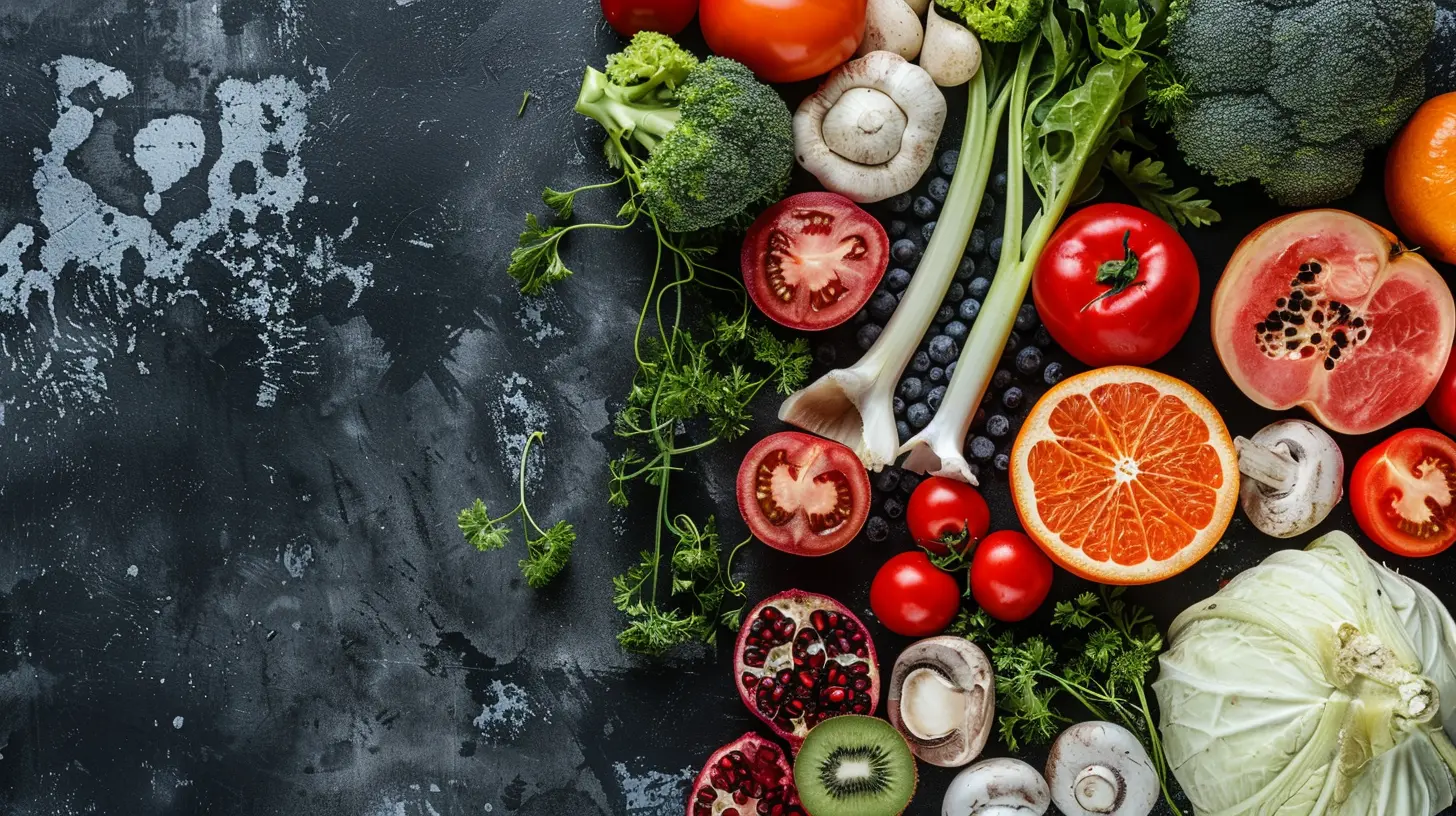
1. Vitamin D – The Calcium Chauffeur
Think of vitamin D like the Uber for calcium. You can consume all the calcium in the world, but without vitamin D, it’s just loitering in your bloodstream.Vitamin D helps your intestines absorb calcium and also plays a role in bone remodeling. Unfortunately, many people—especially those who spend most of their time indoors—are running low on it.
How to Get More:
- Sun exposure (10–20 minutes a day without sunscreen, depending on your skin tone and location)- Fatty fish like salmon, sardines, and mackerel
- Fortified foods (milk, cereals, plant-based milks)
- Supplements (check with your doc about the right dose)

2. Magnesium – The Silent Supporter
Magnesium is like the best friend who doesn’t ask for recognition but always shows up. It helps convert vitamin D into its active form, which then allows your body to better absorb calcium.Without magnesium, your bones could be missing out on the calcium you're working so hard to get in.
How to Get More:
- Leafy greens (think spinach and Swiss chard)- Almonds, cashews, and pumpkin seeds
- Whole grains
- Beans and legumes
Bonus: magnesium also helps reduce stress, and who couldn’t use a little more of that?
3. Vitamin K2 – The Traffic Cop
Here’s where it gets interesting. Vitamin K2 tells calcium where to go. Without it, calcium could end up in soft tissues like your arteries (not good), instead of your bones (very good).Vitamin K2 activates proteins that help bind calcium to bone. Pretty cool, right?
How to Get More:
- Fermented foods like natto (a Japanese soybean dish packed with K2)- Hard cheeses
- Egg yolks and butter from grass-fed animals
- K2 supplements (especially if fermented foods aren’t your thing)
You might’ve heard of vitamin K1 (found in leafy greens), but K2 is the one that specifically helps with bone health.
4. Phosphorus – Calcium’s Ride-Or-Die
Phosphorus and calcium go together like peanut butter and jelly. About 85% of phosphorus in your body lives in your bones.It works alongside calcium to form hydroxyapatite, the mineral matrix that gives bones their rigidity. But too much phosphorus (especially from processed foods) can actually leech calcium from your bones. Balance is key.
How to Get More:
- Meat and poultry- Dairy products
- Fish
- Whole grains
- Nuts and seeds
Aim for natural sources and avoid sodas with added phosphates—that’s where things can get out of whack.
5. Zinc – The Bone-Healing Helper
Zinc might not be the first nutrient you think of for bones, but it plays a big role in bone tissue renewal and repair. It’s especially important during periods of rapid growth—think childhood, adolescence, and pregnancy.Low zinc levels have been linked to reduced bone density and delayed healing after fractures.
How to Get More:
- Shellfish (like oysters and crab)- Beef and poultry
- Pumpkin seeds
- Lentils and chickpeas
Got brittle nails or frequent colds? That could be your body waving a little zinc flag.
6. Omega-3 Fatty Acids – The Inflammation Fighters
What do healthy bones and fatty fish have in common? Omega-3s.These essential fats help reduce inflammation in the body, which is crucial because chronic inflammation can lead to increased bone breakdown. Omega-3s are also involved in bone remodeling by increasing calcium absorption and reducing bone loss.
How to Get More:
- Fatty fish (salmon, sardines, mackerel)- Chia seeds, flaxseeds, and walnuts
- Fish oil supplements (or algae oil for vegans)
Bonus: they’re also amazing for your brain, heart, and skin.
7. Vitamin C – The Collagen Creator
You already know vitamin C for its immune-boosting powers, but did you know it’s essential for building collagen—the protein that forms the soft framework of your bones?Collagen acts like the rebar in a concrete building—it holds everything together and gives bones their ability to withstand stress.
How to Get More:
- Citrus fruits (oranges, grapefruit)- Berries (especially strawberries)
- Bell peppers
- Broccoli and Brussels sprouts
And no, you don’t need to chug orange juice daily—whole foods are a better bet for balanced sugar intake.
8. Boron – The Hidden Gem
Ever heard of boron? Most people haven’t, and yet it plays a quietly crucial role in bone health. It helps the body use calcium, magnesium, and vitamin D more effectively and supports estrogen levels, which is especially important for postmenopausal women.How to Get More:
- Dried fruits (like prunes, raisins, and apricots)- Avocados
- Nuts (especially almonds and walnuts)
- Wine and coffee (yep, in moderation!)
9. Protein – The Structural Backbone
While we obsess over minerals, don’t forget about plain ol' protein. Your bones aren’t just made of minerals—they’re 50% protein by volume.Protein provides the building blocks for bone tissue. Too little protein can impair bone healing and strength, especially in older adults.
How to Get More:
- Eggs, meat, poultry, and seafood- Dairy like yogurt and cheese
- Plant-based options like tofu, lentils, and quinoa
- Protein powders (if you're not getting enough from food)
Balance is key—too much protein with too little calcium can stress your bones, so keep it moderate.
Are You Missing These Nutrients?
Let's be honest—most of us aren't tracking our nutrient intake daily. Between busy schedules, processed foods, and dietary restrictions, it's easy to come up short.Common signs you might be missing bone-building nutrients:
- Muscle cramps or spasms
- Brittle nails or thinning hair
- Frequent fractures or slow healing
- Fatigue or weakness
- Height loss (yes, you can literally shrink without proper bone care)
Even if you're not feeling the effects now, your bone bank account could be running low in the background.
Simple Tips to Strengthen Your Bones Starting Today
Okay, you’ve got the knowledge—now how do you put it into action?Here are some bite-sized changes you can make right now:
- Eat a rainbow: Different colors = different nutrients.
- Pair nutrients smartly: Take calcium with D, magnesium, and K2 for max absorption.
- Cut down on soda: Phosphoric acid can mess with calcium balance.
- Get outside: Sunshine is your best (and free) source of vitamin D.
- Move your body: Weight-bearing exercises like walking, dancing, or lifting strengthen bones.
Final Thoughts: Your Bones Are Counting on You
Think of your bones as your internal scaffolding—strong, vital, and usually silent until something goes wrong. Giving them the full range of nutrients they need isn’t complicated, but it does take a little awareness.So next time you load up your plate, ask yourself: “Am I feeding my bones too?” Because investing in bone health isn’t just for the future—it’s what makes you feel strong, steady, and capable today.
all images in this post were generated using AI tools
Category:
Bone HealthAuthor:

Sophia Wyatt
Discussion
rate this article
2 comments
Gabrielle Schultz
Thank you for this informative article! It's crucial to be aware of essential nutrients for bone health. Your insights are greatly appreciated.
December 10, 2025 at 4:36 AM
Sophia Wyatt
Thank you for your kind words! I'm glad you found the article helpful for understanding bone health.
Zorina Sullivan
This article highlights essential nutrients for bone health, emphasizing the importance of a balanced, nutrient-rich diet.
December 6, 2025 at 4:28 AM
Sophia Wyatt
Thank you! A balanced diet is crucial for maintaining strong bones, and I'm glad you found the article insightful.