Incorporating Omega-3s Into Your Diet for a Healthier Heart
7 May 2026
Let’s be real—heart health isn’t exactly the sexiest topic out there. But if you want to live a long, active, and happy life, you need to start thinking about it. And one of the easiest ways to keep your heart in top shape? Omega-3 fatty acids.
These little powerhouses do wonders for your cardiovascular system, reducing inflammation, lowering bad cholesterol, and keeping your arteries running smoothly. But here’s the catch: your body can’t produce omega-3s on its own. That means you have to get them from your diet.
So, how do you make sure you’re getting enough? Don’t worry—I’ve got you covered. Let’s dive into why omega-3s are so crucial and how you can seamlessly incorporate them into your daily meals. 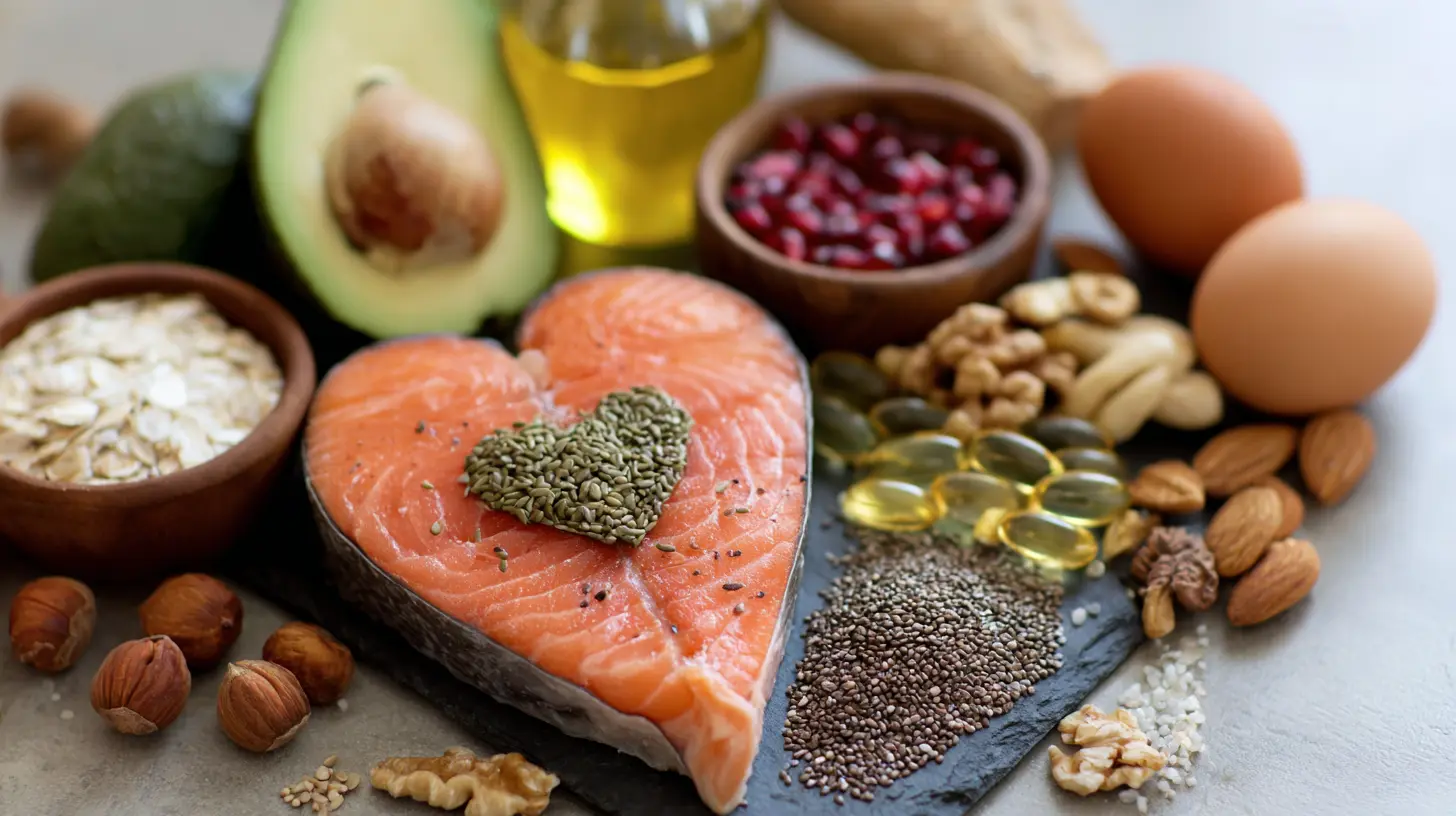
Why Omega-3s Are a Game Changer for Your Heart
Omega-3s aren’t just another health fad. They’ve got some serious science backing them up. Here’s why they matter:1. They Reduce Inflammation
Chronic inflammation is a silent killer, contributing to heart disease, stroke, and even diabetes. Omega-3s help reduce inflammation, keeping your heart and blood vessels in peak condition.2. They Lower Triglycerides
High triglyceride levels spell bad news for your arteries. Omega-3s have been shown to slash triglyceride levels by up to 30%, helping you steer clear of cardiovascular problems.3. They Support Healthy Blood Pressure
Got high blood pressure? Omega-3s help relax blood vessels, improve circulation, and keep blood pressure in a healthy range.4. They Prevent Blood Clots
Blood clots can lead to strokes or heart attacks. Omega-3s make platelets less sticky, reducing the risk of dangerous clot formation.5. They Improve Heart Rhythm
Irregular heartbeats (arrhythmias) can be life-threatening. Luckily, omega-3s help stabilize the heart’s electrical activity, preventing sudden cardiac events.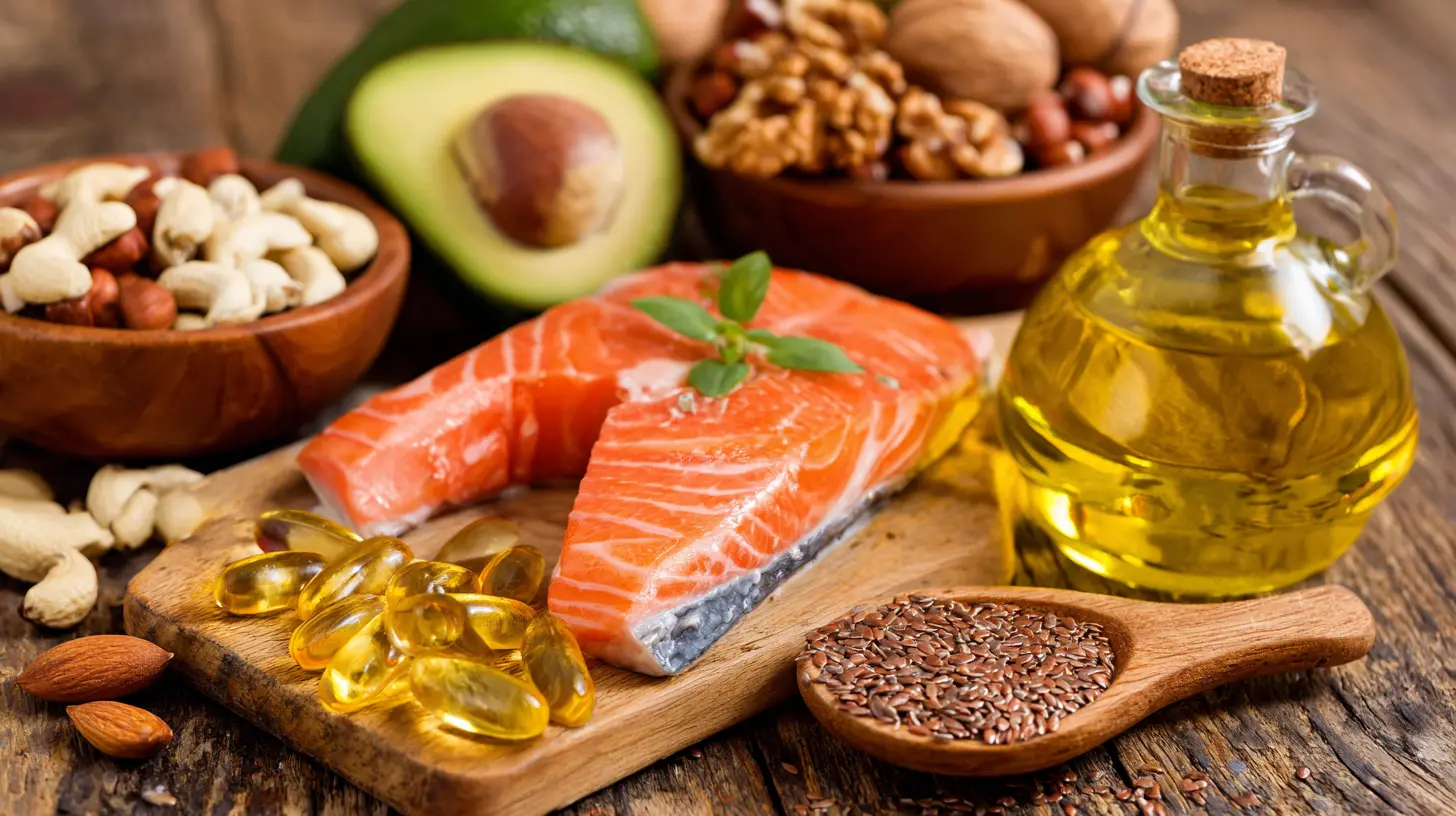
Best Sources of Omega-3s
Not all omega-3s are created equal. The three main types are EPA, DHA, and ALA, and your body processes them differently. Here’s where you can find each type:1. Fatty Fish (EPA & DHA Powerhouses)
If you love seafood, you’re in luck—fatty fish are the best sources of omega-3s. Aim for at least two servings per week of:- Salmon – The king of omega-3s! Packed with heart-loving EPA and DHA.
- Mackerel – This underrated fish is an omega-3 superstar.
- Sardines – Tiny but mighty! Affordable and packed with nutrients.
- Herring – A delicious, powerhouse fish loaded with omega-3s.
- Anchovies – Add them to salads and pizza for an instant heart boost.
2. Plant-Based Omega-3s (ALA Sources)
Not a fan of fish? No worries. You can get ALA (alpha-linolenic acid) from plant-based sources:- Chia Seeds – These tiny seeds are bursting with omega-3s.
- Flaxseeds – Ground flaxseeds are easier to digest and absorb.
- Walnuts – A handful a day is great for heart health.
- Hemp Seeds – Packed with omega-3s and protein.
- Brussels Sprouts – Yep, even veggies pack some omega-3 punch!
3. Omega-3 Enriched Foods
Many everyday foods are now fortified with omega-3s, making it easier than ever to get your daily dose:- Omega-3 Eggs – These come from chickens fed an omega-rich diet.
- Milk & Yogurt – Some dairy brands pack in extra omega-3s.
- Bread & Cereal – Check the label for omega-3 fortification.
4. Supplements: A Good Backup Plan
If your diet falls short, fish oil, krill oil, and algae-based supplements can help. Just be sure to choose a high-quality brand with minimal additives.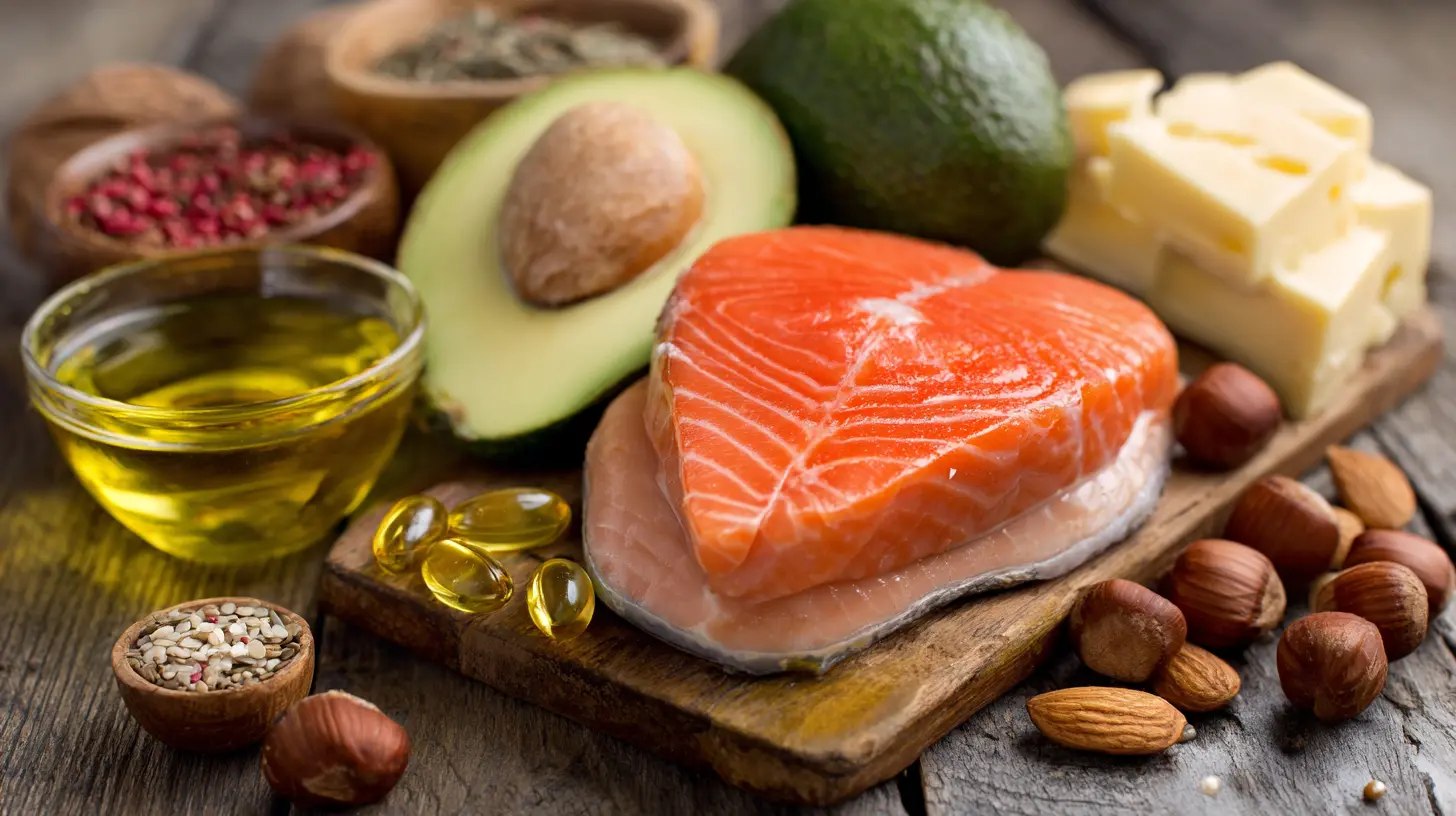
Simple Ways to Add Omega-3s to Your Meals
Okay, now that you know where to get them, let’s talk about how to work omega-3s into your daily routine.1. Make a Killer Breakfast
Start your day strong with omega-3-packed options:- Oatmeal with flaxseeds & walnuts – A heart-healthy powerhouse.
- Greek yogurt with chia seeds – Creamy, crunchy, and delicious.
- Scrambled omega-3 eggs – Easy, filling, and protein-packed.
2. Upgrade Your Lunch Game
Skip the processed junk and go for these omega-3-rich choices:- Salmon salad – Toss grilled salmon onto leafy greens.
- Walnut & spinach wrap – Heart-healthy and loaded with flavor.
- Tuna sandwich (on whole grain bread) – A classic with a heart-friendly twist.
3. Serve Up a Smart Dinner
End your day with a meal that loves your heart as much as you do:- Grilled mackerel with quinoa – Simple and nutrient-dense.
- Chia-crusted salmon – Crunchy, flavorful, and packed with omega-3s.
- Vegetable stir-fry with hemp seeds – A plant-based winner.
4. Snack Like a Pro
Ditch the chips and go for omega-3-rich snacks:- Handful of walnuts – Perfect on its own or in trail mix.
- Chia pudding – Easy to make, packed with fiber and omega-3s.
- Flaxseed crackers with hummus – Crunchy, satisfying, and heart-healthy. 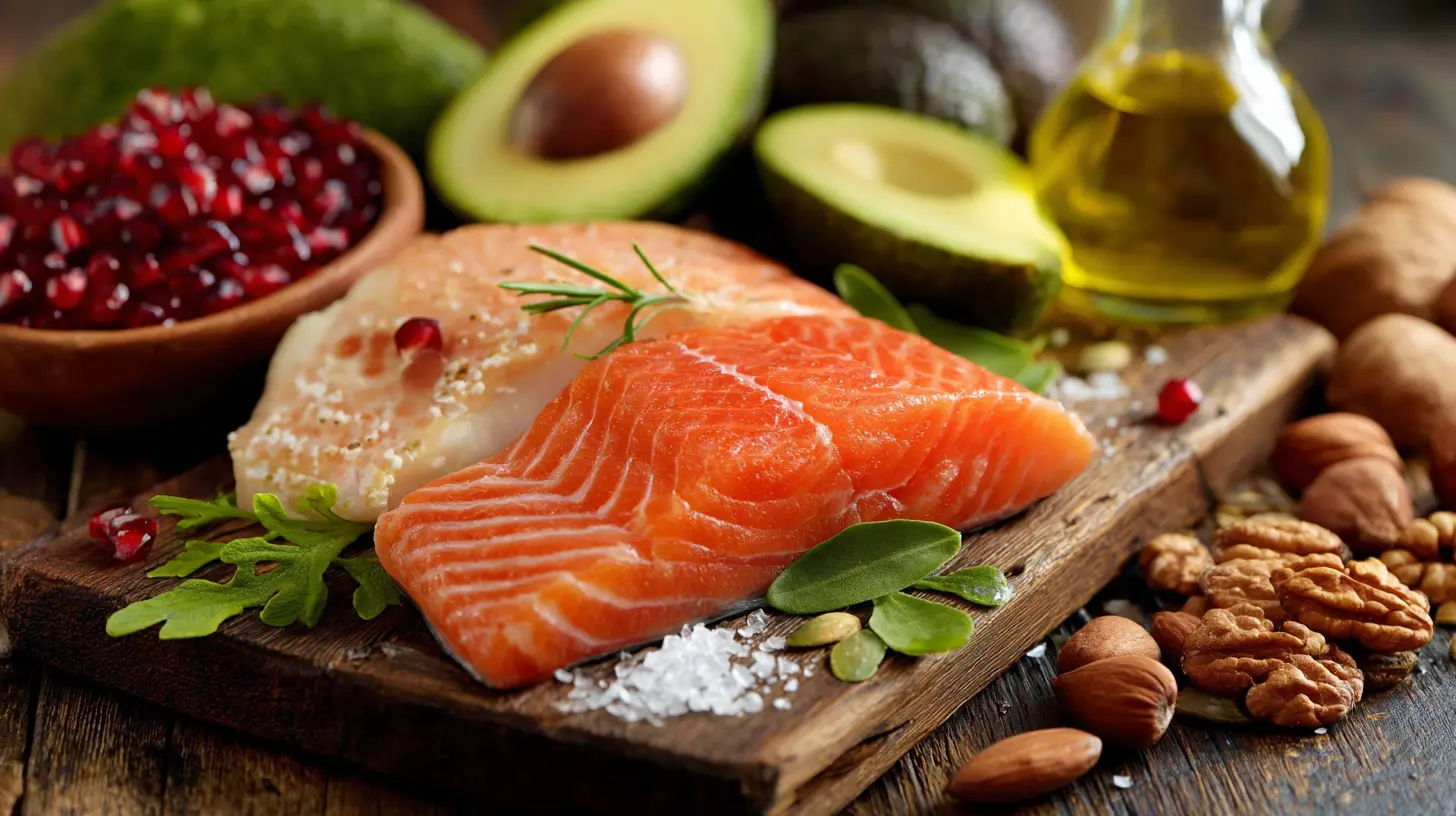
How Much Omega-3 Do You Actually Need?
So, how much is enough? The American Heart Association recommends:- At least two servings of fatty fish per week for adults.
- 1.1 grams per day for women, 1.6 grams per day for men (from all sources).
For those with heart disease, higher doses may be recommended—talk to your doctor for specifics.
Common Myths About Omega-3s (And the Truth!)
1. "I Can Just Take a Supplement and Skip Fish"
Sorry, but whole foods always win. Supplements should be a backup, not your main source.2. "All Omega-3s Are the Same"
Nope! EPA and DHA (from fish) provide the most direct heart benefits, while ALA (from plants) needs to be converted by your body.3. "I’ll Just Eat More Fried Fish"
That defeats the purpose! Deep-frying destroys omega-3s, so stick to grilled, baked, or steamed fish.4. "Omega-3s Make You Gain Weight"
Not true! Healthy fats actually help with weight management and heart health when eaten in moderation.Final Thoughts: Your Heart Will Thank You
Incorporating omega-3s into your diet is one of the simplest, most effective things you can do for your heart. And the best part? It doesn’t require drastic changes.Start small—swap unhealthy snacks for walnuts, add some chia seeds to your breakfast, or enjoy salmon for dinner a couple of times a week. Your heart (and your taste buds) will thank you.
Now, go whip up that heart-healthy meal! Your future self will be glad you did.
all images in this post were generated using AI tools
Category:
Healthy FatsAuthor:

Sophia Wyatt
Discussion
rate this article
2 comments
Sienna Thompson
Love your heart? Add Omega-3s today!
May 21, 2026 at 3:13 AM
Sophia Wyatt
Thanks for the encouragement! Omega-3s are a great choice for heart health.
Dominic Oliver
Great article! Omega-3s are a fantastic way to boost heart health. Excited to try some of these tips and recipes for a healthier lifestyle. Keep sharing!
May 14, 2026 at 3:30 PM
Sophia Wyatt
Thank you! I'm glad you found it helpful. Enjoy trying the tips and recipes for a healthier heart!