Hydration Hacks for People Who Forget to Drink
24 October 2026
Some people carry a water bottle everywhere and sip from it like a nervous habit. Others look up at 4 p.m. and realize the only thing they've had since morning is coffee. If you belong to the second group, you've probably been told to "just drink more water" more times than you can count. That advice is useless because it ignores the actual problem. Forgetting to drink isn't a knowledge gap. It's an attention and habit problem, and it needs attention and habit solutions.
This guide treats hydration as a behavior design challenge rather than a willpower test. You'll find practical systems, the reasoning behind them, and the trade-offs you should weigh before adopting any of them.

Why You Forget to Drink in the First Place
Before fixing anything, it helps to understand the mechanism. Thirst is a lagging indicator. By the time you feel thirsty, you're already mildly down on fluid, and if you're busy or focused, you may not register thirst at all. The brain treats mild dehydration as low priority compared to whatever task is in front of you. This is why people can work through an entire morning without a single sip and feel fine until a headache shows up in the afternoon.There's also a structural issue: drinking is not tied to any fixed routine for most adults. Meals create natural drinking moments, but between meals, nothing prompts you. Compare that to brushing your teeth, which happens because it's welded to a time and a place. Water has no anchor.
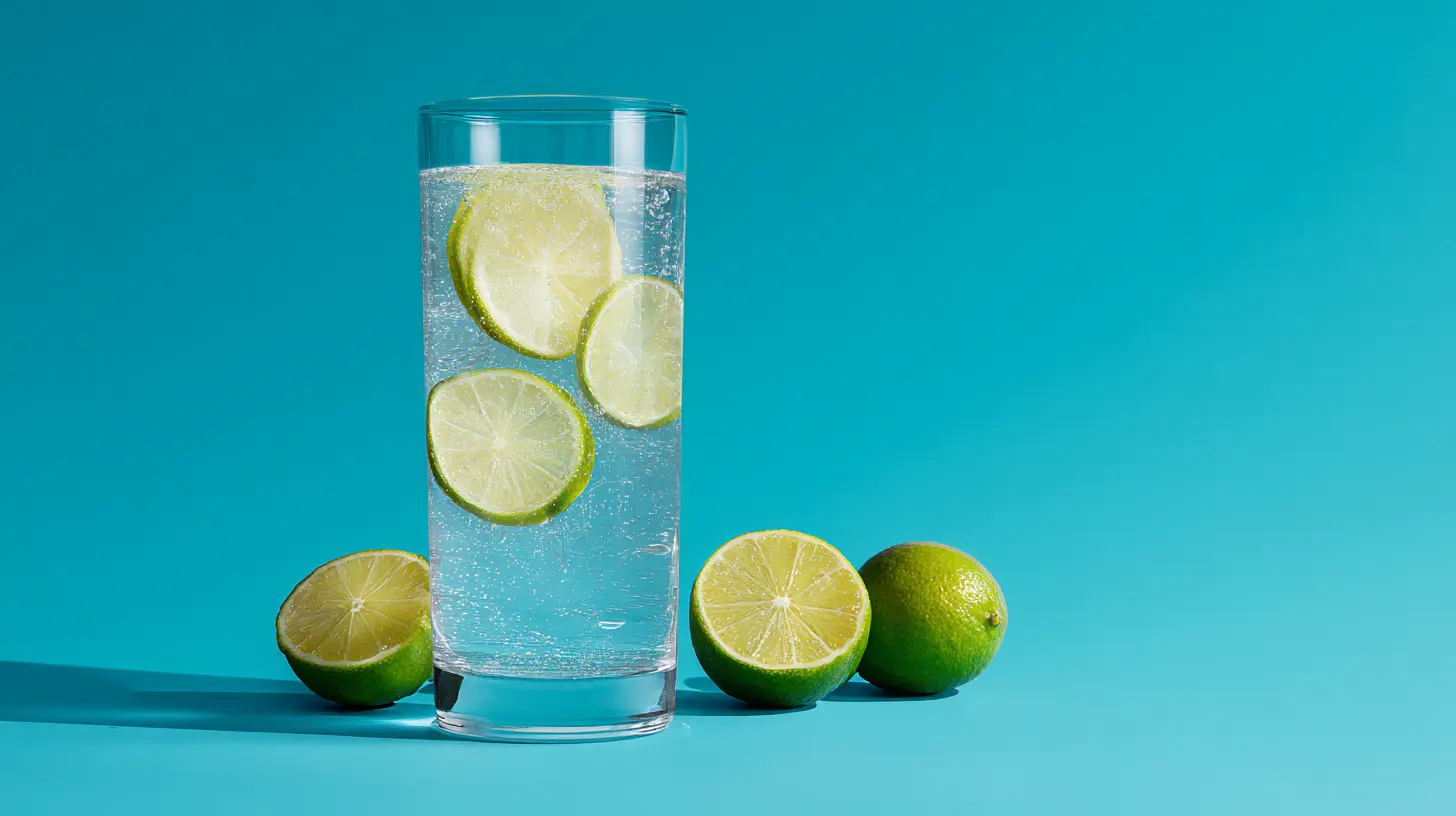
A third factor is friction. If your water is in the kitchen, cold, filtered, and in a clean glass, you'll drink it. If it's a warm bottle buried in a bag, you won't. Most forgotten hydration is really a friction problem in disguise.
Fix the Friction First
Before adding reminders or apps, remove the barriers between you and water. This is the highest-leverage change because it works passively, without requiring you to remember anything.Make water visible and within arm's reach
Out of sight genuinely is out of mind. Keep a filled container at every place you regularly sit: your desk, your bedside table, the spot on the couch where you read. The goal is that water enters your field of view multiple times an hour without you thinking about it. Visibility acts as a silent prompt.Choose a container you actually like using
This sounds trivial and isn't. A bottle with a stiff lid, a narrow mouth, or a shape that doesn't fit your cup holder will sit unused. Test a few options and notice which one you reach for without thinking. For some people that's a straw bottle because drinking requires less effort and doesn't interrupt typing. For others it's a wide-mouth bottle they can fill fast. The right container is the one that lowers the effort of each sip.Put water where the habit already happens
Attach drinking to existing routines. Fill a glass while the coffee brews. Take a sip every time you check your phone. Drink a full glass before every meal. These "habit stacking" anchors work because you're borrowing the reliability of an established routine instead of building a new one from scratch.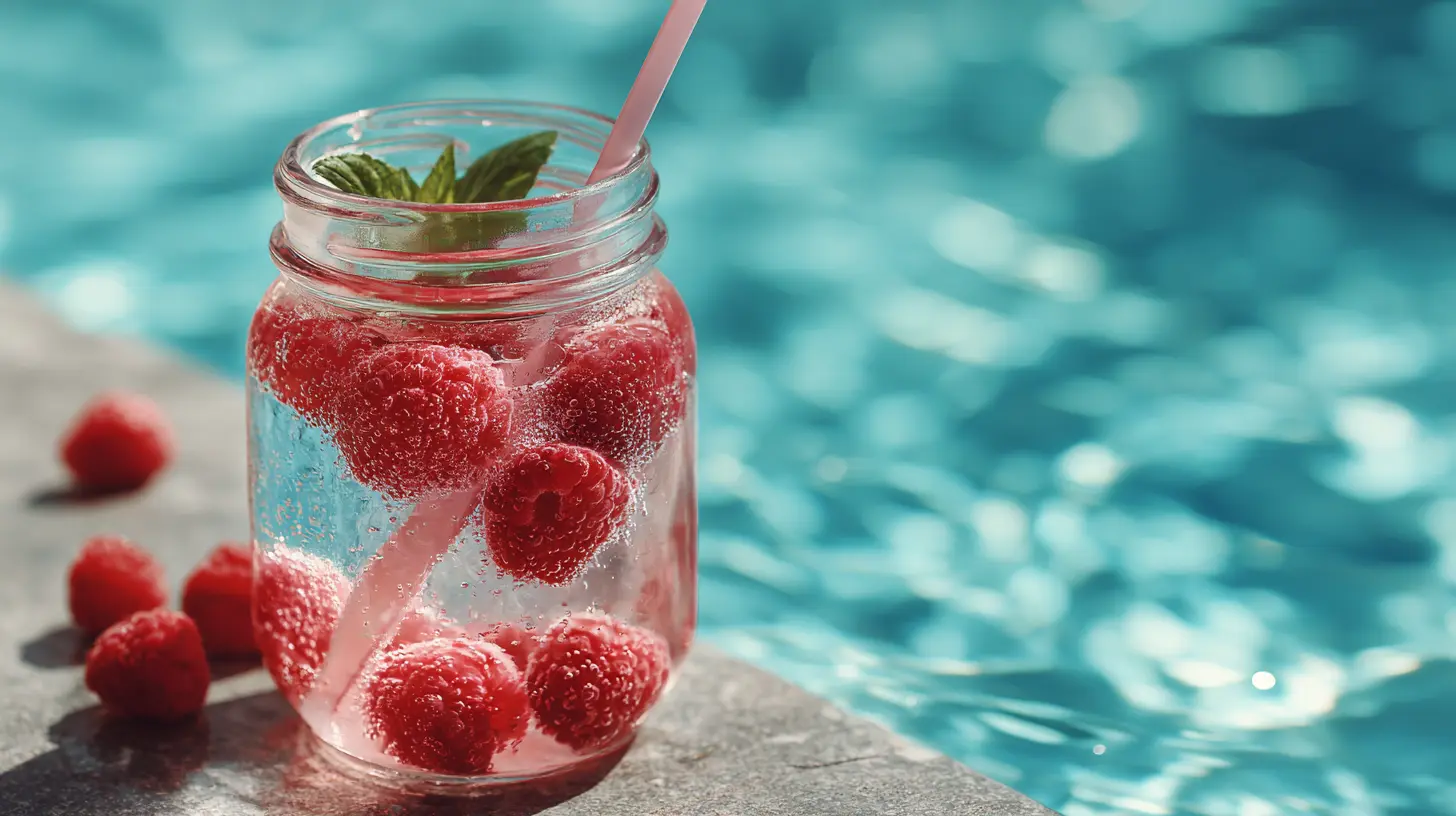
The Reminder Problem: Why Most Alerts Fail
Phone reminders seem like the obvious fix, and they usually fail within two weeks. Here's why, and what to do instead.A reminder fires, you're mid-task, you dismiss it, and you intend to drink "in a minute." You never do. The alert trained you to dismiss it. The second problem is that frequent reminders become noise, and noise gets muted.
Reminders can work, but only with specific design choices:
- Tie the reminder to an action, not a concept. "Drink water" is easy to ignore. "Fill your bottle before your 10 a.m. call" is a concrete instruction.
- Reduce frequency. Two or three well-placed reminders beat twelve that get swiped away.
- Use environmental cues over digital ones where possible. A bottle on your keyboard is a reminder that can't be dismissed.
If you do use an app, treat it as training wheels. The goal is to build cues into your environment so you eventually don't need the app at all.
Timing Strategies That Match Real Life
When you drink matters almost as much as how much. Spreading intake across the day is easier on your body than chugging a liter at night, and it's easier to remember because each drinking moment is small.Front-load the morning
You wake up mildly dehydrated after hours without fluids, and morning is when you have the most reliable routines. A glass of water while the coffee brews, another with breakfast, and you've handled a meaningful chunk of the day before your schedule gets complicated. This is the single most reliable hydration window most people have.Use meals as anchors
Drinking a full glass with every meal is one of the simplest systems in existence because meals are already scheduled. It adds roughly three glasses a day with zero new habits required. The trade-off: some people find drinking a lot with meals uncomfortable or feel it dilutes digestion. If that's you, drink before the meal instead of during it.Handle the afternoon slump deliberately
The mid-afternoon energy dip often gets blamed on caffeine withdrawal or lunch, but mild dehydration frequently plays a role. A glass of water at 2 p.m. is a cheap experiment. If your afternoon headaches and fatigue improve, you've found part of the cause.Be careful with evening loading
Drinking a large volume right before bed guarantees a disrupted night, and poor sleep makes you worse at remembering things the next day, including water. Aim to finish most of your intake by early evening. If you're genuinely thirsty at night, drink, but don't try to hit a daily target at 10 p.m.How Much Do You Actually Need?
The "eight glasses a day" rule is a rough cultural shorthand, not a scientific prescription. Fluid needs vary with body size, activity, climate, diet, and health status. People who eat a lot of watery foods like fruit, soup, and vegetables need less from drinks. People who sweat heavily or live in hot climates need more.Rather than chasing an exact number, use two practical signals:
1. Urine color. Pale straw color generally suggests adequate hydration. Dark yellow suggests you should drink more. This is a rough guide, not a diagnostic tool, and certain vitamins and foods can change urine color.
2. Thirst plus context. If you're thirsty, drink. If you're about to exercise, are in heat, or are sick, drink ahead of thirst.
A useful behavioral target for forgetful drinkers is a container-based system. Decide that you'll finish a specific bottle a certain number of times per day. Counting refills is easier to track than counting ounces, and it gives you a concrete, visible scoreboard.
Food as a Hydration Strategy
Water isn't the only source of fluid, and for people who struggle to drink, food can carry a surprising share of the load. Soup, yogurt, fruit, vegetables, and even cooked grains contain substantial water. A person who eats a bowl of soup and a piece of fruit at lunch may need noticeably less from their bottle that afternoon.This matters because it reframes hydration from a single behavior (drinking) into something distributed across your day. If you're someone who simply doesn't enjoy drinking large volumes, leaning on water-rich foods is a legitimate strategy, not a cop-out. The trade-off is that it requires some dietary awareness, and it won't cover heavy sweat losses during exercise or heat exposure, where actual fluids are necessary.
Flavor and Palatability: A Legitimate Lever
Many people who "forget to drink" actually just don't enjoy plain water enough for it to be rewarding. There's no virtue in forcing yourself to drink something you dislike when small adjustments would make you drink more.Options worth considering:
- Add flavor without sugar. Citrus slices, cucumber, mint, or a splash of unsweetened juice can make water more appealing. The point is to make drinking pleasant enough that you do it automatically.
- Use carbonated water. Some people find the fizz and the ritual of opening a can more satisfying than still water.
- Try tea. Herbal tea counts toward fluid intake and gives you a warm, slow-drinking ritual that naturally paces intake.
- Be honest about sugary drinks. They do hydrate, but the sugar and calorie load makes them a poor primary strategy for most people. Diet sodas and flavored seltzers are a middle ground, though relying on them heavily isn't ideal.
The key question is whether the flavor addition makes you drink more overall. If it does, it's working. If you're just drinking the same amount of a fancier beverage, it isn't.
Common Mistakes and Misconceptions
Chugging to catch up
Downing a large volume quickly when you realize you've neglected water all day is common and mostly counterproductive. Your body can only process so much fluid at once, and a large bolus tends to send you to the bathroom rather than fix the deficit smoothly. Small, frequent sips throughout the day are more effective and more comfortable.Assuming coffee doesn't count
Coffee and tea are mild diuretics, but the fluid in them still contributes to overall hydration. The net effect of a cup of coffee is not negative. The real issue with coffee is that it often replaces water rather than adding to it, and heavy caffeine intake can cause jitters and sleep problems. Don't avoid coffee out of hydration fear; just don't let it be your only fluid.Waiting for thirst
Thirst is unreliable, especially as you age. Older adults often have a blunted thirst response, which is one reason dehydration is more common in that population. For anyone who forgets to drink, thirst is a backup signal, not a plan.Overhydrating in pursuit of a target
More is not always better. Drinking excessive amounts of water in a short period can dilute sodium levels dangerously, a condition that's rare but real, particularly during endurance events or when someone obsessively chases a large daily target. Hydration should be responsive to your body and conditions, not a competition.Ignoring electrolytes during heavy sweating
If you're sweating heavily for extended periods, water alone may not replace what you've lost. Sodium and other electrolytes matter in those situations. For everyday life, food usually covers this. For long, hot workouts, a properly formulated electrolyte drink may be worth considering. This is a case where context changes the answer.Building a System That Survives a Busy Week
The test of any hydration strategy is whether it still works on your worst day, not your best. Here's a simple framework for building one.Step 1: Audit your current intake. For two or three days, notice when you drink and when you don't. Most people find one or two reliable drinking moments and long dry stretches.
Step 2: Pick two anchors. Choose two existing routines and attach drinking to them. Morning coffee and lunch are the usual winners. Don't try to build five new habits at once.
Step 3: Remove one friction point. Pick the single biggest barrier, whether that's a bottle you don't like or water that's not where you sit, and fix it.
Step 4: Add a visible scoreboard. A marked bottle, a refill count, or a simple tally on a notepad gives you feedback. Feedback makes the behavior self-reinforcing.
Step 5: Review after two weeks. Notice what stuck and what didn't. Drop what failed without guilt and keep what worked. Hydration habits are built iteratively, not installed in one go.
When Forgetting to Drink Is a Symptom, Not a Habit
There's an important distinction between being busy and being unable to remember. Persistent, excessive thirst, frequent urination, or a pattern of forgetting basic self-care alongside other cognitive changes can be signs of an underlying medical issue. If you're drinking large amounts and still thirsty, or if your hydration habits have changed dramatically without explanation, that's worth discussing with a clinician. This article is about behavior, and behavior fixes won't address a medical cause.The Bottom Line
For people who forget to drink, the answer is not more willpower and not a stricter daily target. It's designing your environment so water is visible, available, and attached to routines you already have. Fix friction, anchor drinking to meals and morning coffee, use a container that makes sipping effortless, and track refills rather than ounces. Treat reminders as temporary scaffolding rather than a permanent solution. And stay flexible: your needs shift with heat, activity, food, and health, so the goal is a responsive system, not a rigid rule.
all images in this post were generated using AI tools
Category:
Hydration TipsAuthor:

Sophia Wyatt

