Hydration Challenges and How to Win Them
18 November 2026
Hydration is often an overlooked aspect of health, yet it plays a crucial role in our overall well-being. From regulating body temperature to maintaining joint health, the benefits of staying adequately hydrated are numerous. However, many people face challenges when it comes to maintaining proper hydration levels. This article delves into common hydration challenges and offers practical solutions to help you win the battle against dehydration.
The Importance of Hydration
Before diving into the challenges, it's essential to understand why hydration matters. Water makes up about 60% of the human body and is vital for various functions:- Temperature Regulation: Water helps dissipate heat through sweating, keeping your body cool.
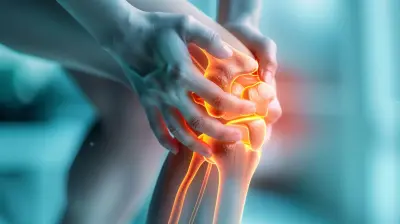
- Joint Lubrication: Adequate hydration keeps joints lubricated, reducing the risk of injury.
- Nutrient Transport: Water aids in transporting nutrients and oxygen to cells.
- Waste Removal: Proper hydration supports kidney function and helps eliminate toxins.
Inadequate hydration can lead to fatigue, headaches, decreased cognitive function, and more severe health issues. With this understanding, let's look at some common hydration challenges.
Common Hydration Challenges
1. Forgetting to Drink Water
In our busy lives, it's easy to forget to drink enough water. Many people simply do not think about their hydration needs throughout the day.Solution: Set Reminders
Using technology to your advantage can help. Set reminders on your phone or use hydration tracking apps. These can nudge you to drink water at regular intervals, making it easier to stay on track.2. Disliking the Taste of Water
Some individuals find plain water unappealing, which can deter them from drinking enough throughout the day.Solution: Enhance Your Water
Try infusing water with fruits, herbs, or vegetables. Adding slices of lemon, cucumber, or mint can make drinking water more enjoyable. Herbal teas can also be a great alternative, providing hydration along with flavor.3. Underestimating Fluid Needs
Many people underestimate how much water they need, especially if they are active or live in a hot climate.Solution: Understand Your Needs
A general guideline is to aim for at least eight 8-ounce glasses of water daily, but individual needs can vary. Factors like age, weight, activity level, and climate play significant roles. A more personalized approach is to drink half your body weight in ounces. For example, if you weigh 150 pounds, aim for about 75 ounces of water daily.4. Relying on Other Beverages
Some people may think that other beverages, like coffee or soda, can replace water. However, many of these drinks can be dehydrating.Solution: Balance Your Intake
While coffee and tea can contribute to hydration, they should not be your primary source of fluids. Aim to make water your go-to beverage and enjoy other drinks in moderation.5. Not Recognizing Signs of Dehydration
Many people fail to recognize the early signs of dehydration, such as dry mouth, fatigue, or dark urine.Solution: Educate Yourself
Be aware of the signs of dehydration and take action as soon as you notice them. Keeping an eye on the color of your urine can be a simple way to gauge hydration; pale yellow typically indicates good hydration, while dark yellow suggests you need to drink more fluids.
Practical Tips for Staying Hydrated
1. Carry a Water Bottle
Having a reusable water bottle on hand makes it easier to sip throughout the day. Choose one that fits your lifestyle-whether it's a sleek, portable bottle for the gym or a larger one for your desk.2. Establish a Routine
Incorporating hydration into your daily routine can help make it a habit. For example, drink a glass of water before each meal or set a goal to finish a certain amount of water by noon.3. Eat Water-Rich Foods
Foods can contribute significantly to your hydration. Fruits and vegetables like watermelon, cucumbers, oranges, and strawberries have high water content and can help you reach your hydration goals.4. Monitor Your Activity Level
If you're exercising, especially in hot weather, be mindful of your hydration needs. Increase your fluid intake before, during, and after workouts. Sports drinks can be beneficial for prolonged, intense exercise, as they replenish electrolytes lost through sweat.5. Use Hydration Apps
Various apps can help you track your water intake and remind you to drink. These tools can provide motivation and accountability, making it easier to stay hydrated.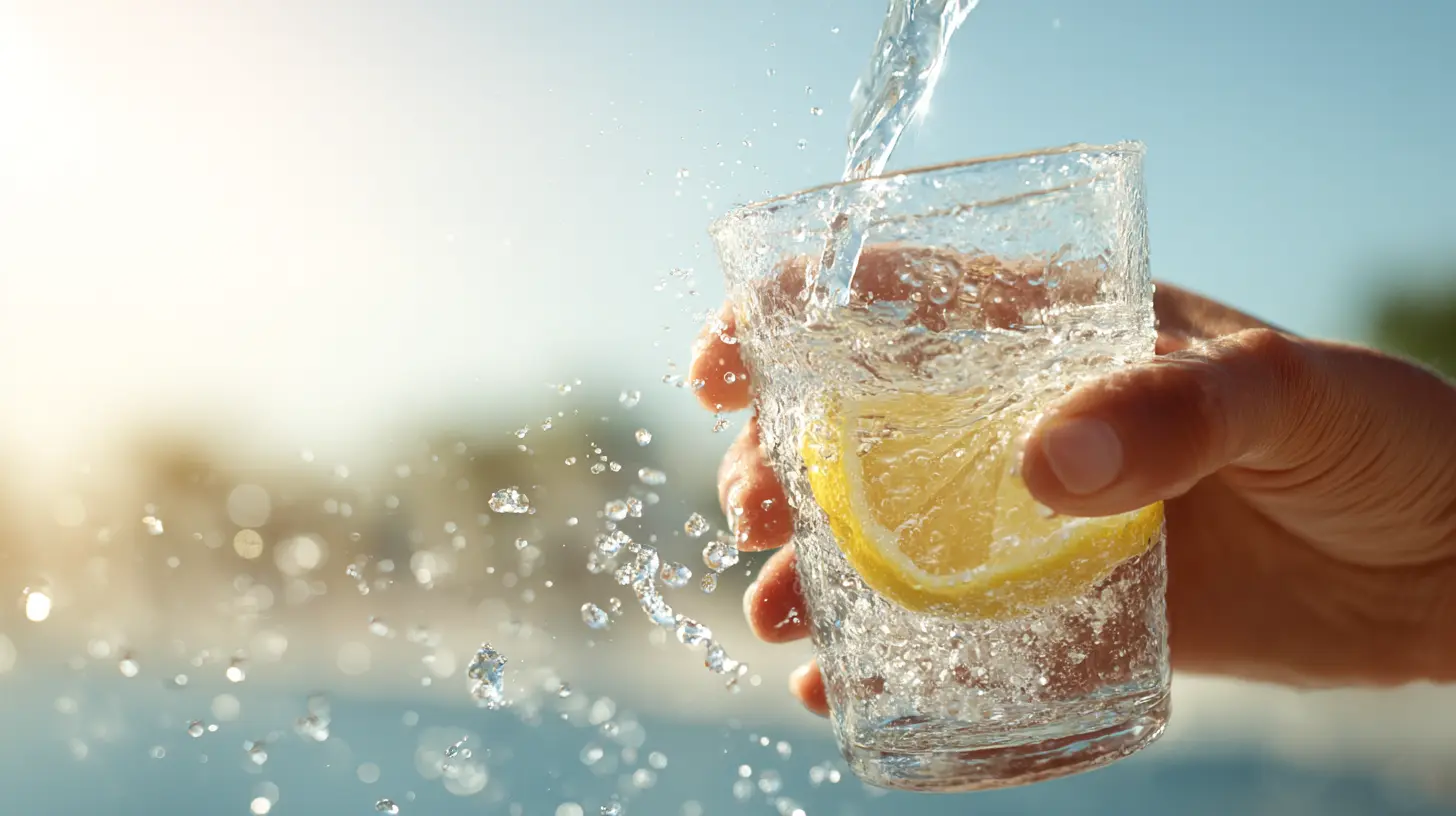
Overcoming Hydration Misconceptions
Myth: You Only Need Water When Thirsty
While thirst is a natural indicator, it's not always a reliable signal of hydration needs. By the time you feel thirsty, you may already be mildly dehydrated.Reality: Drink Regularly
Make it a point to drink water regularly throughout the day, even if you don't feel thirsty. This proactive approach can help maintain optimal hydration levels.Myth: All Beverages Hydrate Equally
Not all liquids are equal when it comes to hydration. Beverages high in sugar or caffeine can lead to dehydration.Reality: Choose Wisely
Opt for water as your primary source of hydration. If you consume caffeinated drinks, balance them with additional water intake to counteract their diuretic effects.The Role of Environment and Lifestyle
Climate Considerations
Your environment plays a critical role in hydration needs. Hot and humid weather increases fluid loss through sweat, requiring you to drink more water. Conversely, high altitudes can also lead to dehydration due to lower humidity levels.Lifestyle Factors
Your daily activities significantly affect your hydration requirements. Athletes, laborers, and individuals with physically demanding jobs will need more fluids than someone with a sedentary lifestyle.
The Impact of Age and Health Conditions
Age-Related Changes
As we age, our bodies may become less efficient at regulating hydration. Older adults may also have a diminished sense of thirst, making it crucial for them to be proactive about fluid intake.Health Conditions
Certain health conditions, such as diabetes or kidney disease, can affect hydration needs. If you have a medical condition, consult with a healthcare professional to determine the right hydration strategy for you.Common Mistakes to Avoid
1. Waiting Until You're Thirsty
As mentioned earlier, waiting until you feel thirsty can lead to dehydration. Make it a habit to drink water regularly.2. Overcompensating After Dehydration
Some people try to drink excessive amounts of water after realizing they are dehydrated. This can lead to discomfort and, in extreme cases, water intoxication.3. Ignoring Electrolytes
When hydrating, especially after exercise, it's essential to replenish electrolytes as well. Consider drinks that contain electrolytes if you sweat heavily.
Conclusion
Hydration is a vital component of health, but it comes with its challenges. By understanding your hydration needs, recognizing the signs of dehydration, and implementing practical strategies, you can overcome these challenges and maintain optimal hydration. Remember, staying hydrated is not just about drinking water; it's about making informed choices that support your overall health.
all images in this post were generated using AI tools
Category:
Hydration TipsAuthor:

Sophia Wyatt
Discussion
rate this article
1 comments
Issac Ross
This article highlights important hydration challenges we often overlook. The practical tips provided can help everyone improve their water intake, leading to better health and overall well-being.
November 18, 2026 at 3:47 AM