How to Use Massage Guns Safely for Recovery
2 October 2026
Massage guns, also known as percussion massagers, have surged in popularity among athletes, fitness enthusiasts, and anyone looking to alleviate muscle soreness. These devices offer a convenient way to relieve tension, increase blood flow, and support recovery. However, while they provide numerous benefits, improper use can lead to injury or exacerbate existing issues. This guide will cover how to use massage guns safely, offering practical advice, common mistakes to avoid, and best practices for effective recovery.
Understanding Massage Guns
What Is a Massage Gun?
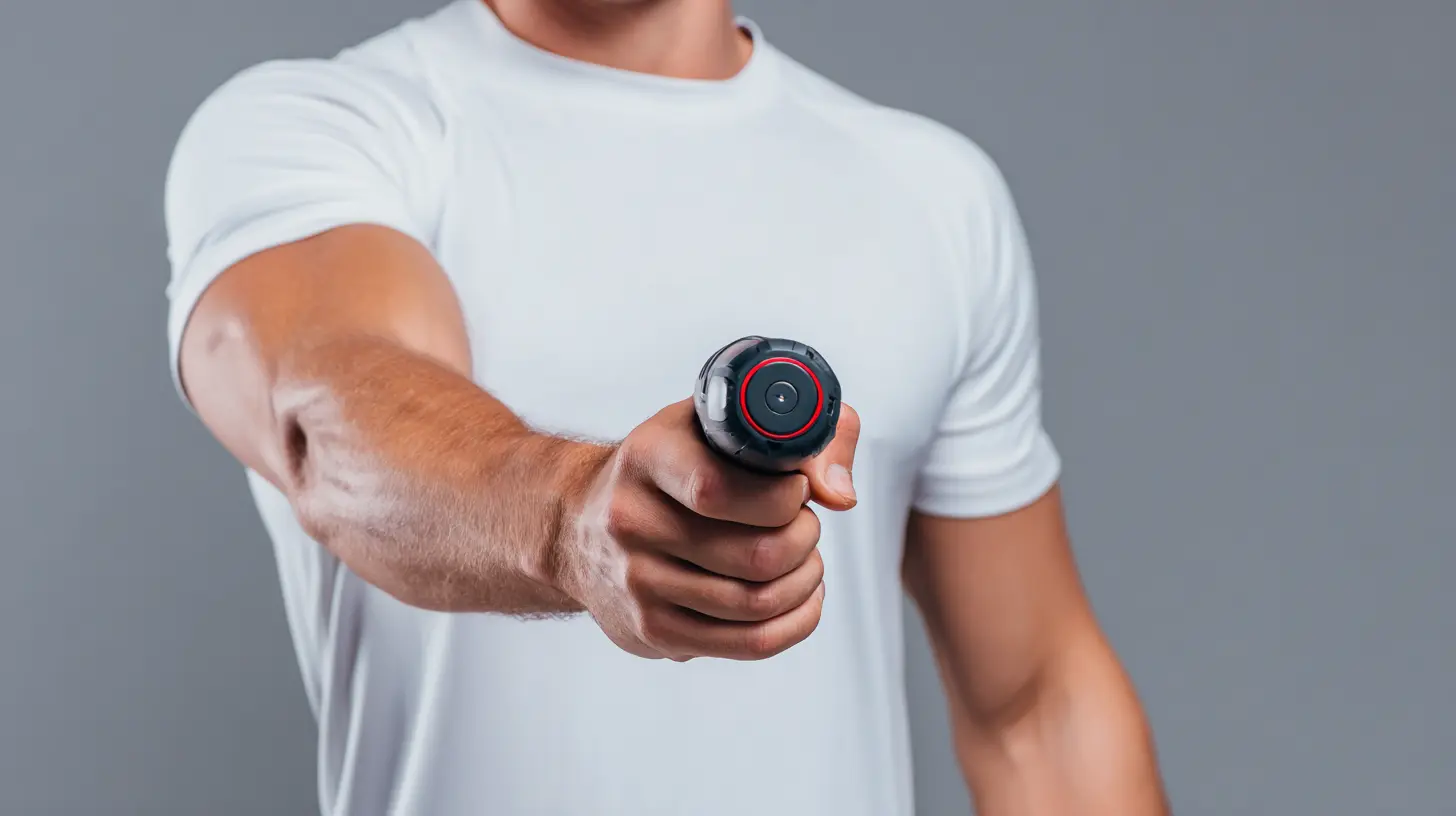
A massage gun is a handheld device that delivers rapid bursts of pressure to various muscle groups. Most models feature adjustable speed settings and interchangeable heads designed for different types of muscle tissue. The primary function of a massage gun is to replicate the effects of manual massage by providing percussive therapy.How Do They Work?
Massage guns work by using a motor to drive a massaging head back and forth at varying speeds. This percussive action stimulates the muscles, which can improve circulation, reduce muscle stiffness, and promote recovery. While the exact mechanisms are still being studied, it is generally understood that the vibrations can help break down knots, enhance flexibility, and increase lymphatic drainage.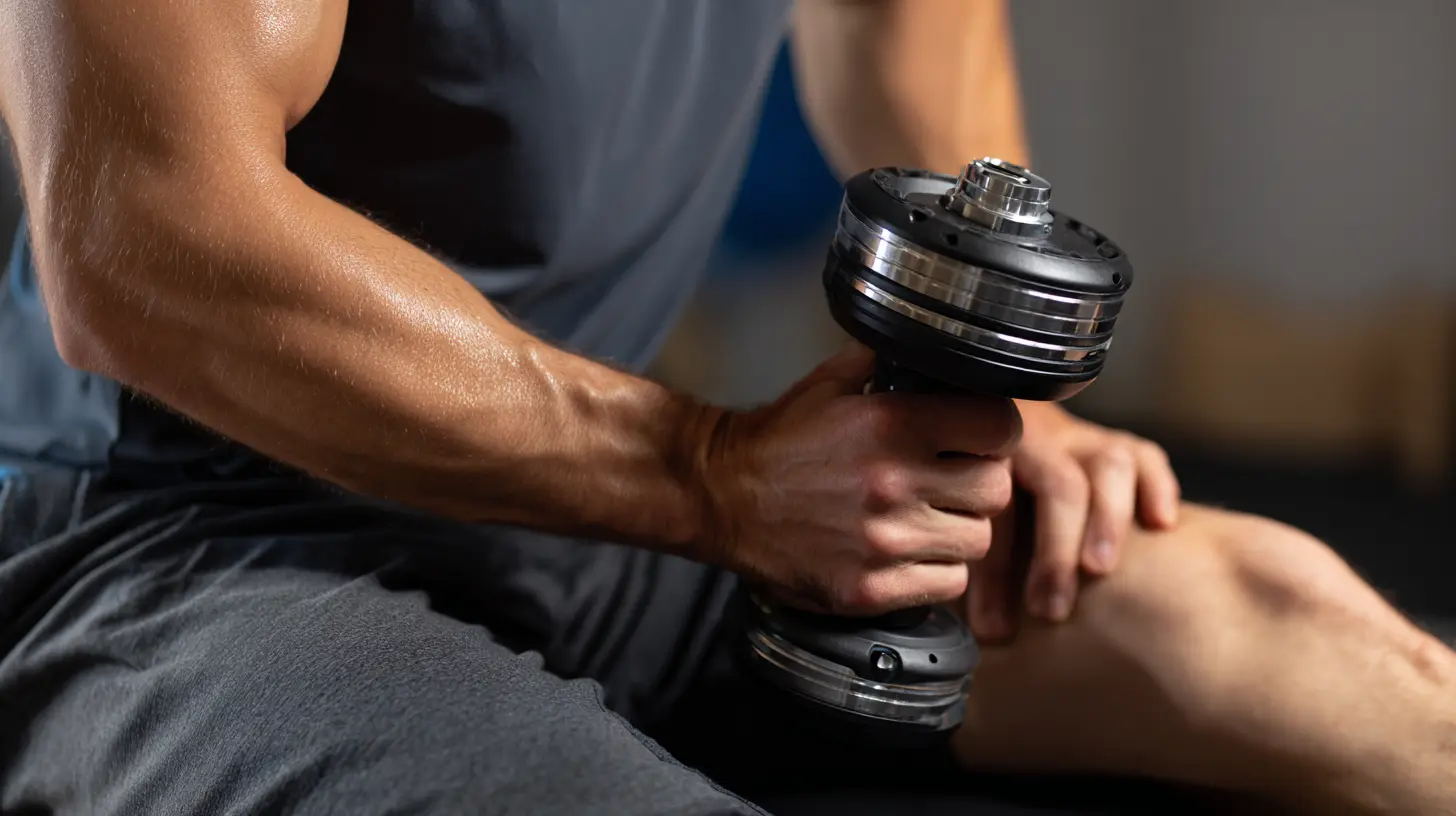
Benefits of Using Massage Guns
Muscle Recovery
Massage guns can significantly aid in muscle recovery after intense workouts. The percussive action increases blood flow to sore muscles, delivering oxygen and nutrients essential for recovery. This process can reduce recovery time and enhance overall performance.Pain Relief
One of the most immediate benefits is pain relief. The massage gun can help reduce muscle soreness and tension by engaging the nervous system, which can interrupt the pain signals sent to the brain. This makes it an effective tool for managing chronic pain conditions.Increased Range of Motion
Regular use of a massage gun can promote greater flexibility. By targeting tight muscle areas, it can help to release tension and improve overall mobility. This is particularly beneficial for athletes who need to maintain peak physical performance.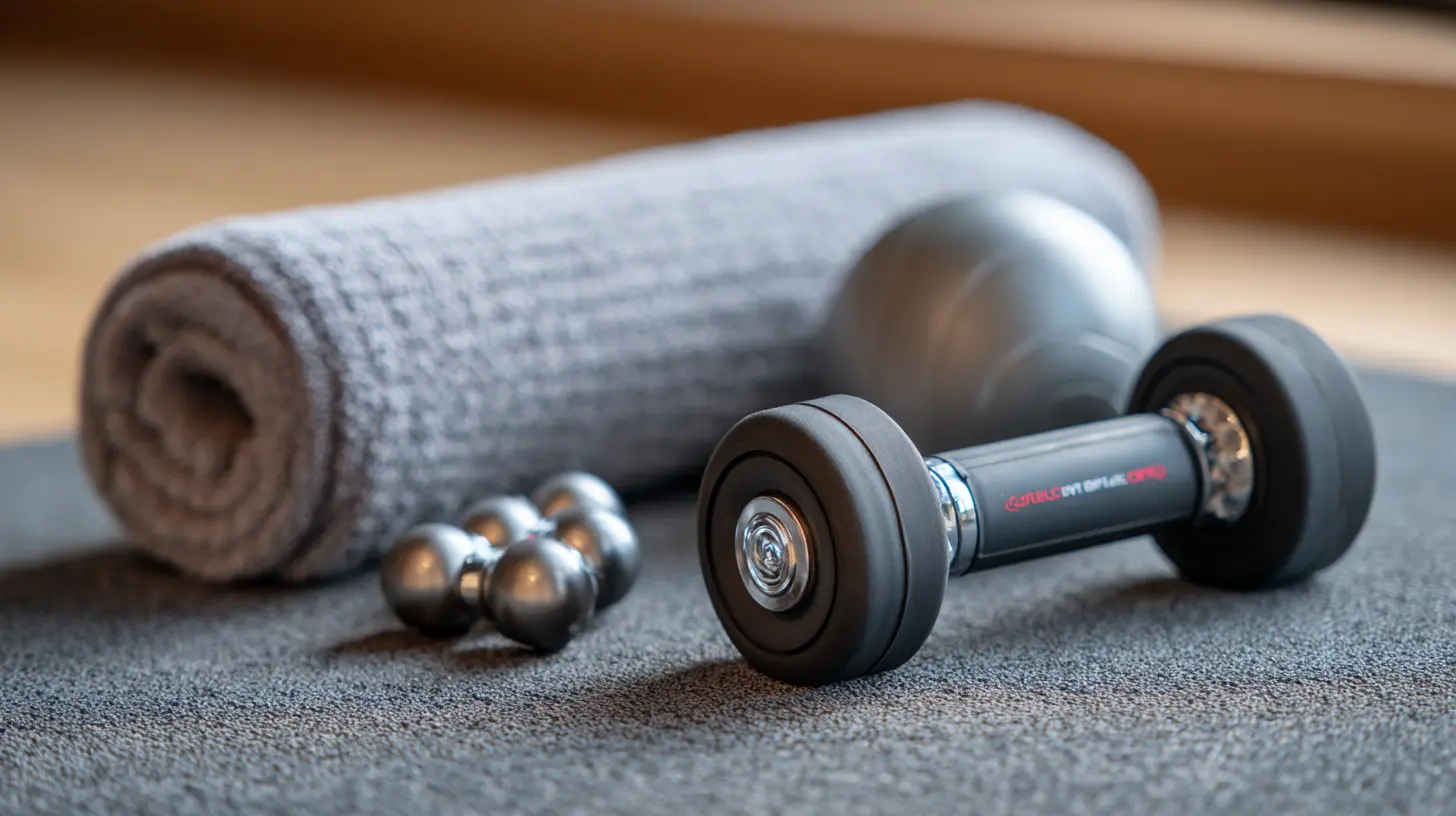
When to Use a Massage Gun
Pre-Workout
Using a massage gun before a workout can serve as an effective warm-up tool. It helps to activate the muscles and increase blood flow, which can enhance performance and reduce the risk of injury. However, it is crucial to avoid using the device on joints or bony areas, as this can lead to discomfort or injury.Post-Workout
Post-exercise is perhaps the most popular time to use a massage gun. The benefits include reducing muscle soreness, accelerating recovery, and promoting relaxation. Focus on areas that feel tight or sore, using a moderate-speed setting to avoid excessive strain on the muscles.On Rest Days
On rest days, a massage gun can help to maintain muscle health and prevent stiffness. Regular use can promote circulation and help flush out metabolic waste accumulated in the muscles during high-intensity training sessions.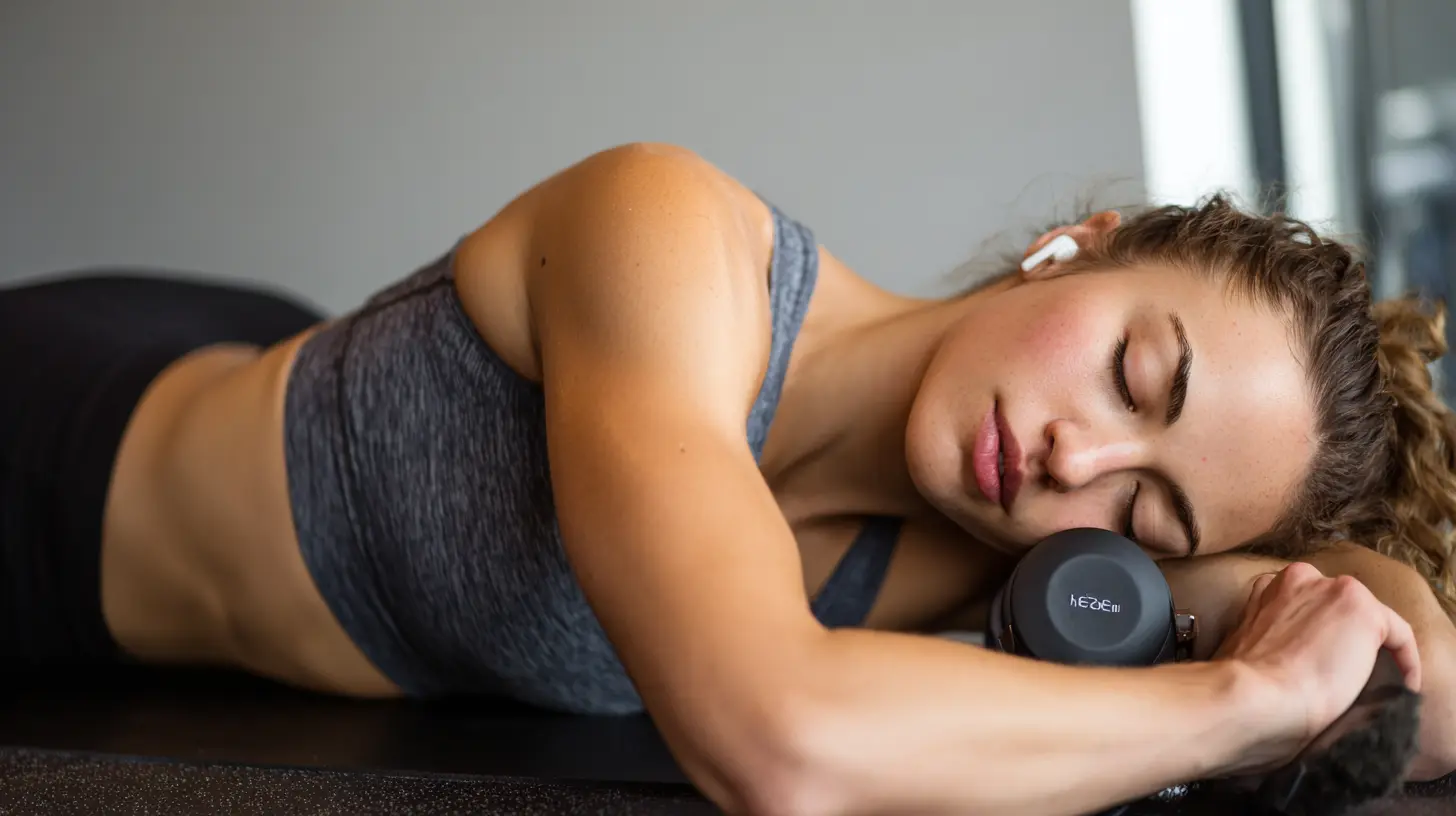
How to Use a Massage Gun Safely
Start Slow
When first using a massage gun, it is essential to start at a low speed setting and gradually increase intensity. This approach allows your body to acclimatize to the sensation and reduces the risk of overstimulation.Target Specific Areas
Instead of using the massage gun indiscriminately, focus on specific muscle groups. Identify areas that feel tight or sore and apply the gun directly to these spots. Common areas of focus include the quads, hamstrings, calves, glutes, back, and shoulders.Keep the Gun Moving
A common mistake is to hold the massage gun in one spot for too long. This can lead to bruising or tissue damage. To maximize benefits and minimize risks, keep the gun moving over the muscle. A general guideline is to spend no more than 30 seconds on each muscle group.Avoid Bony Areas and Joints
While it's tempting to target every part of the body, avoid using the massage gun on bony areas, joints, or certain sensitive regions, such as the stomach or groin. Instead, focus on fleshy muscle masses where the device can safely provide relief.Listen to Your Body
Pay attention to how your body responds to the massage gun. If you experience pain, discomfort, or increased soreness, stop using the device immediately. It's essential to differentiate between discomfort from tightness and pain that signals injury.Common Mistakes to Avoid
Overuse
Using a massage gun excessively can be counterproductive. Overuse may lead to muscle irritation, bruising, or inflammation. Limit sessions to 2-3 times per week for each muscle group and avoid prolonged use on the same area.Ignoring Warm-Up and Cool-Down
While massage guns are effective for recovery, they should not replace proper warm-up and cool-down routines. Always incorporate dynamic stretching before workouts and static stretching afterward for optimal muscle health.Misunderstanding Settings
Many users underestimate the importance of adjusting speed settings. Starting too high can lead to discomfort or injury. Always begin with a lower setting and gradually increase it as your body adapts.Not Cleaning the Device
Hygiene is crucial when using a massage gun, especially if it is used by multiple individuals. Regularly clean the massage heads and the device itself to prevent the spread of bacteria or skin infections.
Choosing the Right Massage Gun
Consider Your Needs
When selecting a massage gun, consider your specific needs. If you are an athlete who trains intensely, look for a gun with multiple speed settings and attachments designed for various muscle groups. For casual users, a simpler model may suffice.Noise Level
Some models can be quite loud, which can be a distraction during use. If you plan to use the gun in a shared space, prioritize quieter options.Battery Life
Long battery life is essential, especially if you use the device frequently. Look for models that can last through multiple sessions without needing to be recharged.Weight and Portability
If you intend to travel with your massage gun, consider its weight and size. A more compact model may be beneficial for athletes on the go.Best Practices for Effective Use
Incorporate with Other Recovery Methods
Massage guns should be part of a broader recovery strategy that includes hydration, nutrition, and rest. Combine their use with stretching, foam rolling, or professional massage therapy for optimal benefits.Stay Hydrated
Hydration plays a crucial role in muscle recovery. Drink plenty of water before and after using a massage gun to help flush out toxins and support muscle function.Monitor Progress
Keep track of how your body responds to massage gun use over time. Note any changes in soreness, flexibility, or muscle recovery to gauge effectiveness and make adjustments as needed.Consult a Health Professional
If you have pre-existing medical conditions or concerns about using a massage gun, consult a healthcare provider or a physical therapist. They can provide tailored advice based on your individual health needs.
Conclusion
Using massage guns can be an excellent addition to your recovery toolkit when done safely and effectively. By understanding how to use the device properly, you can enhance your recovery, alleviate pain, and improve your overall performance. Always prioritize safety, listen to your body, and integrate the massage gun into a well-rounded approach to recovery.
all images in this post were generated using AI tools
Category:
Workout RecoveryAuthor:

Sophia Wyatt