How to Reverse the Effects of Over-Brushing on Your Hair
30 December 2025
We’ve all heard the saying, “Brush your hair 100 times a day for healthy locks.” But what if I told you too much brushing could actually do more harm than good? Yep, you read that right! Over-brushing can lead to breakage, thinning, and even increased hair fall. If you've been a little too enthusiastic with your hairbrush, don’t panic—there's hope.
In this article, we’ll dive deep into the effects of over-brushing and, more importantly, how to reverse the damage. So, grab a comfy seat, and let’s get into it! 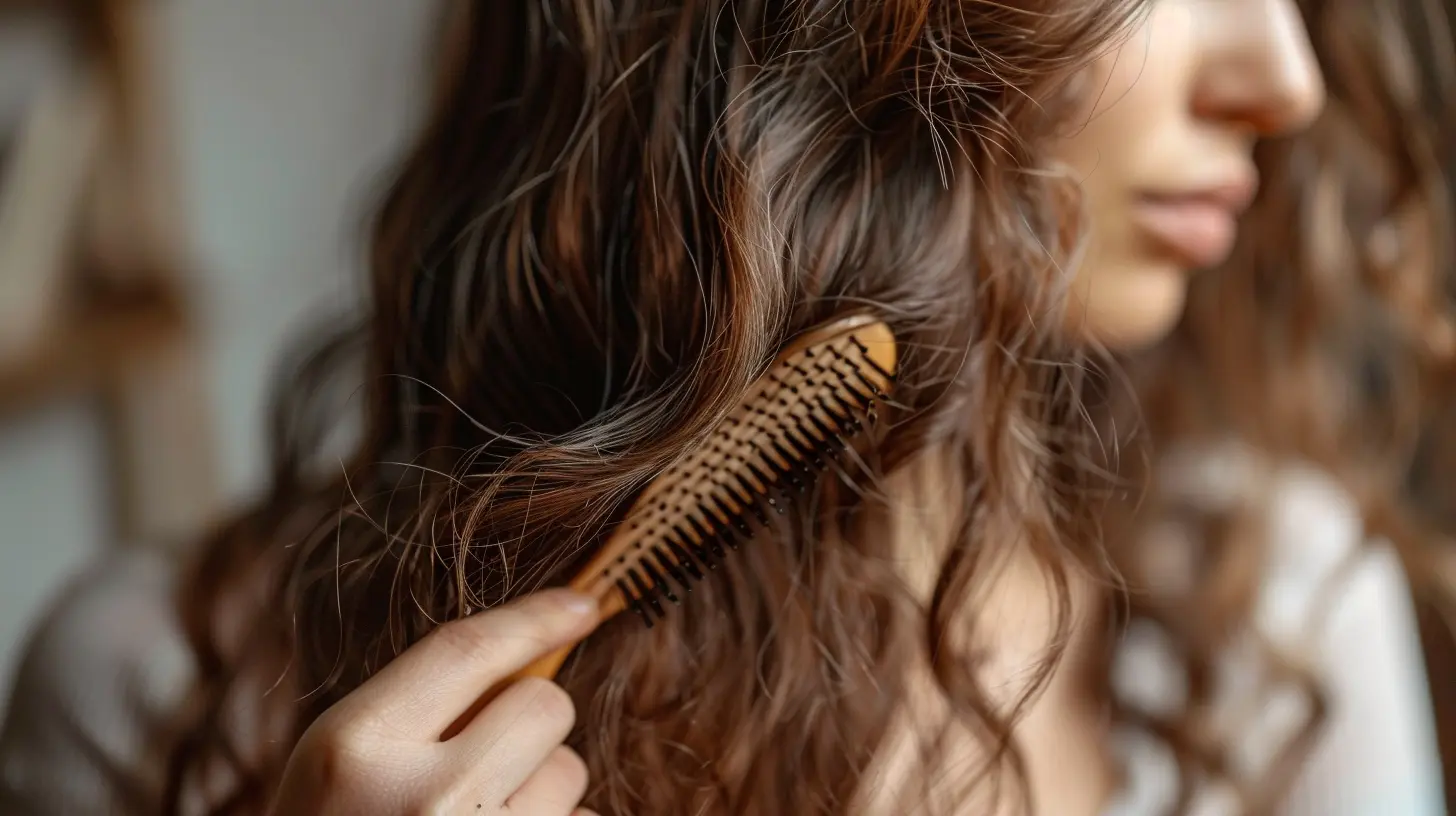
Signs You’re Over-Brushing Your Hair
Before we fix the damage, let’s make sure over-brushing is the culprit. Here are some telltale signs:1. Excessive Hair Breakage
Brushing too much weakens hair strands, causing them to snap. If you notice short, broken pieces of hair on your brush or pillow, over-brushing might be the issue.2. Increased Hair Shedding
While it’s normal to lose around 50-100 strands a day, aggressive brushing can pull out more hair than necessary, leading to noticeable thinning.3. Frizz and Split Ends
Instead of making your hair sleek and smooth, over-brushing can rough up the cuticles, leaving your locks frizzy with split ends.4. Sensitive or Irritated Scalp
Too much brushing can irritate your scalp, causing redness, itchiness, or even soreness. If your scalp feels tender after brushing, it’s time to take a step back.
How Over-Brushing Damages Your Hair
Brushing isn’t inherently bad—but overdoing it can mess with your hair’s health. Here’s how:1. Weakens the Hair Shaft
Each stroke puts stress on your hair strands. When done excessively, this weakens the integrity of your hair, making it more prone to breakage.2. Strips Natural Oils
Your scalp produces natural oils to keep your hair hydrated. Over-brushing can strip away these essential oils, leaving your hair dry and brittle.3. Causes Traction Alopecia
Constant tension from brushing can lead to traction alopecia, a condition where hair gradually falls out due to excessive pulling.4. Creates Split Ends
Brushing too often—especially with a rough hand—causes friction that splits the hair cuticle. Once split ends form, the only fix is a trim.
How to Reverse the Effects of Over-Brushing
Now that we know how over-brushing can wreak havoc on our hair, let’s discuss how to undo the damage.1. Give Your Hair a Break
The first step in healing is simple—stop over-brushing! Cut back to just twice a day, morning and night, to prevent unnecessary strain on your hair.2. Switch to a Gentle Brush
Using the wrong brush can make matters worse. Opt for a boar bristle brush or a wide-tooth comb to gently detangle without tugging on your strands.3. Use a Leave-In Conditioner
Hydration is key! Apply a nourishing leave-in conditioner to smooth the hair shaft, reduce breakage, and restore lost moisture.4. Deep Condition Weekly
A weekly deep conditioning treatment can work wonders in repairing over-brushed hair. Look for ingredients like argan oil, shea butter, and keratin to strengthen and revitalize your locks.5. Avoid Brushing Wet Hair
Wet hair is more fragile than dry hair, making it more susceptible to breakage. If you must detangle, use a wide-tooth comb and start from the ends, working your way up.6. Massage Your Scalp
Instead of overusing your brush for scalp stimulation, try a gentle scalp massage with your fingertips or a scalp massager. This encourages blood circulation and promotes healthier hair growth.7. Protect Your Hair While Sleeping
Friction from pillowcases can worsen damage. Switch to a silk or satin pillowcase to reduce breakage and frizz while you sleep. You can also loosely tie your hair in a braid or wrap it in a silk scarf for extra protection.8. Trim Split Ends Regularly
Once split ends appear, they can’t be repaired. The best solution? Trim them off regularly to prevent further damage from traveling up the hair shaft.9. Reduce Heat Styling
Heat styling already weakens your hair—combine that with over-brushing, and you’ve got a recipe for disaster. Let your hair air dry whenever possible and use heat protectants when styling.10. Eat a Hair-Healthy Diet
Beautiful hair starts from within! Incorporate foods rich in biotin, omega-3 fatty acids, and protein to nourish your hair from the inside out. Nuts, salmon, eggs, and leafy greens are great choices.
How to Brush Your Hair the Right Way
Brushing isn’t the enemy—it’s how you do it that makes all the difference. Follow these helpful tips:1. Start from the Ends
Never drag a brush straight from the roots to the ends. Instead, start at the tips and work your way up to gently detangle knots.2. Use Gentle Strokes
Brushing too aggressively can lead to breakage. Use slow, gentle strokes to reduce friction and prevent unnecessary stress on your strands.3. Choose the Right Brush for Your Hair Type
- Fine Hair → Use a soft-bristle brush.- Thick/Curly Hair → A wide-tooth comb or detangling brush is ideal.
- Straight Hair → A paddle brush works best.
4. Brush with a Purpose
Brushing is meant to distribute natural oils—not cause damage. Focus on gentle strokes to spread your scalp’s natural oils down the length of your hair for added shine and protection.Final Thoughts
If you’ve been over-brushing your hair, don’t stress—damage can be reversed with the right care and a few simple changes to your routine. Cut back on excessive brushing, use gentler tools, and nourish your locks with conditioning treatments and a healthy diet. Over time, your hair will regain its strength, shine, and vitality!Remember, hair care isn’t about following old myths—it's about understanding what your hair truly needs. So ditch the excessive brushing and embrace a gentler approach for healthier, happier locks!
all images in this post were generated using AI tools
Category:
Healthy HairAuthor:

Sophia Wyatt
Discussion
rate this article
2 comments
Sari McLaury
Revitalize your hair by embracing gentle care! Prioritize nourishment and mindfulness over aggression—your locks will thrive, reflecting your love for self-care and health. Shine bright!
January 23, 2026 at 5:53 PM
Sophia Wyatt
Thank you for your thoughtful comment! Prioritizing gentle care is indeed essential for healthy hair recovery.
Isabelle Henderson
Over-brushing can lead to damage and breakage, but reversing the effects requires patience and care. Focus on gentle detangling, nourishing treatments, and protective styling to restore your hair's health. Remember, less is often more when it comes to brushing!
December 30, 2025 at 4:47 PM
Sophia Wyatt
Thank you for your insightful comment! I completely agree that gentle care and mindful techniques are essential for restoring hair health after over-brushing.