How to Minimize Hair Loss After Pregnancy
6 April 2026
Pregnancy is a rollercoaster ride—exciting, exhausting, and, let’s be real, overwhelming. Your body goes through countless changes, and one of the most shocking postpartum surprises? Hair loss.
If you've noticed clumps of hair clogging the shower drain or a thinning hairline after giving birth, you're not alone. Postpartum hair loss is completely normal, but that doesn’t mean you have to accept it without a fight. Let's dive into why it happens and, more importantly, how to minimize hair loss after pregnancy.
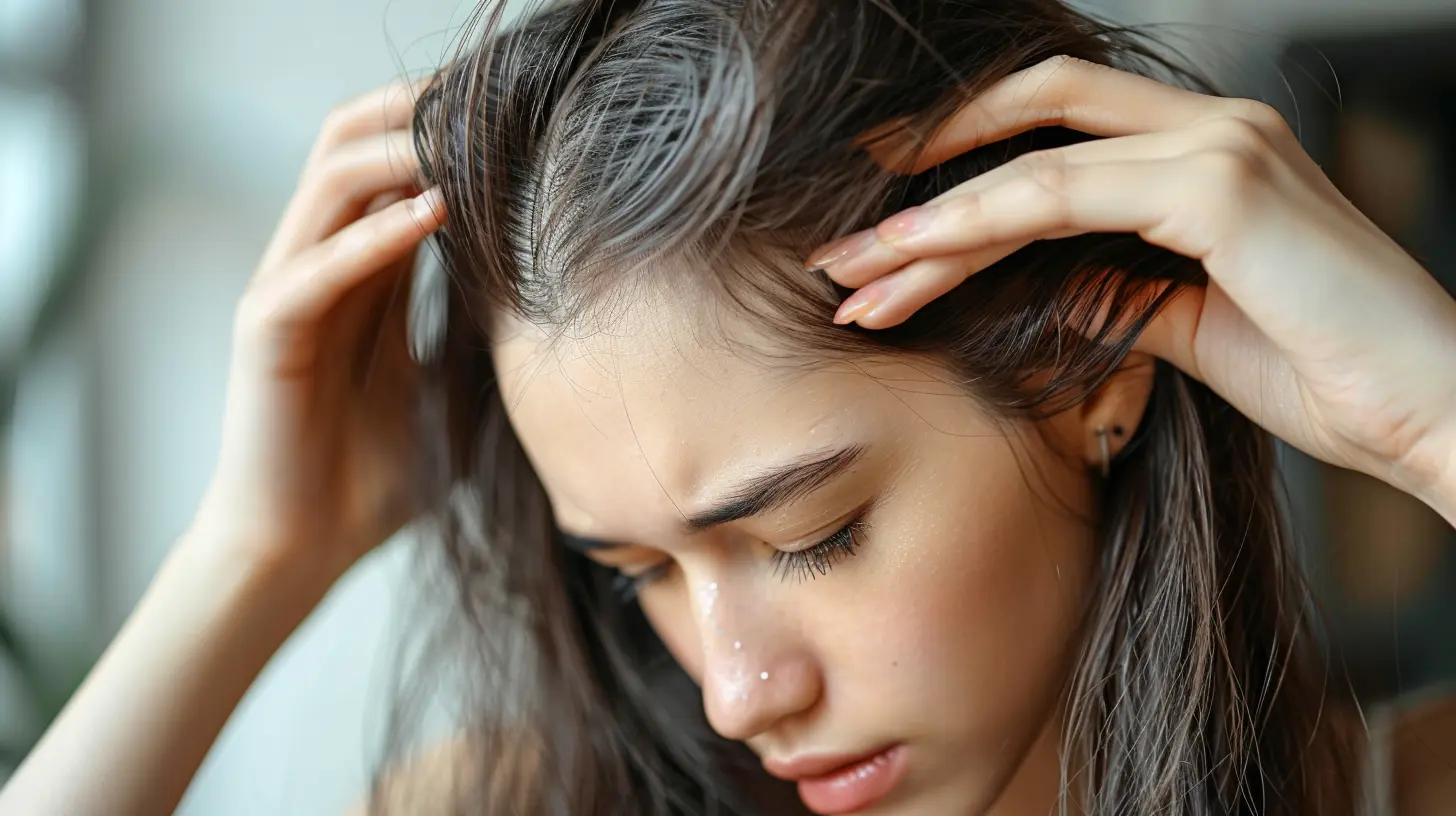
Why Does Postpartum Hair Loss Happen?
During pregnancy, your hormones are in overdrive—especially estrogen. This hormone keeps your hair in the growth phase, making it thicker, shinier, and healthier. You probably noticed a luscious mane while you were expecting.But after childbirth, estrogen levels drop dramatically. This sudden shift causes more hair follicles to enter the shedding phase (a process called telogen effluvium). The result? Excessive hair fall that can last for months.
Don’t panic! This is temporary, and your hair will eventually return to its normal growth cycle. However, there are ways to minimize hair loss and speed up the recovery process.

How to Minimize Hair Loss After Pregnancy

1. Prioritize a Nutrient-Rich Diet
Your hair reflects what you eat. Postpartum recovery requires all the nutrients you can get—not just for yourself, but also if you’re breastfeeding. Focus on foods rich in:- Protein – Hair is made of keratin, a type of protein, so eating enough lean meats, eggs, fish, and beans helps strengthen hair strands.
- Iron – Low iron levels can contribute to hair thinning. Eat leafy greens, lentils, and red meat.
- Biotin and Zinc – These nutrients support hair growth. You can find them in nuts, seeds, and whole grains.
- Omega-3 Fatty Acids – Found in walnuts, chia seeds, and fatty fish, omega-3s nourish hair follicles.
A well-rounded diet fuels your hair from within, reducing excessive shedding.
2. Take Postnatal Vitamins
If you thought prenatal vitamins were just for pregnancy, think again! Postnatal vitamins ensure your body gets enough essential nutrients while recovering from childbirth. Look for supplements containing:- Biotin
- Iron
- Vitamin D
- Vitamin B-complex
- Collagen
These vitamins support healthy hair regrowth and overall well-being.
3. Be Gentle with Your Hair
Your hair is more fragile postpartum, so treat it like a delicate silk fabric. A few simple changes in your hair care routine can go a long way:- Switch to a Wide-Tooth Comb – This prevents unnecessary tugging and breakage.
- Avoid Tight Hairstyles – Ponytails and buns can pull on weakened roots, making hair loss worse.
- Use a Gentle Shampoo and Conditioner – Look for products with natural ingredients like argan oil, keratin, and aloe vera.
- Limit Heat Styling – Frequent use of straighteners, curling irons, and blow dryers can damage hair further.
The gentler you are with your hair, the better it will recover.
4. Scalp Massage with Essential Oils
A scalp massage is not just relaxing—it’s a game changer for new moms dealing with hair loss. Massaging your scalp boosts blood circulation, helping hair follicles stay active.Try using essential oils known to promote hair growth:
- Castor oil – Rich in nutrients and deeply nourishing.
- Rosemary oil – Clinically proven to stimulate hair growth.
- Coconut oil – Strengthens hair shafts and reduces breakage.
Warm the oil slightly, massage your scalp for 5-10 minutes, and leave it on for at least an hour before washing. Doing this twice a week can speed up regrowth.
5. Reduce Stress (Yes, Seriously!)
Being a new mom is stressful—no denying that. Lack of sleep, endless diaper changes, and around-the-clock baby duties can take a toll on your body.Unfortunately, stress can worsen hair loss by disrupting your hair’s growth cycle. While you can’t magically eliminate all stress, small changes help:
- Practice Deep Breathing – Just a few minutes of mindful breathing can calm your nervous system.
- Get More Sleep – Yes, easier said than done, but try sneaking in naps whenever possible.
- Engage in Light Exercise – Walking, yoga, or stretching helps improve circulation and reduces stress hormones.
A relaxed body heals faster—and that includes your hair!
6. Stay Hydrated
Dehydration can make your skin and scalp dry, leading to brittle, weak hair. Make sure you’re drinking enough water throughout the day, especially if you’re breastfeeding. Aim for at least 8 glasses daily and consider herbal teas or infused water for variety.7. Try a Silk Pillowcase
Believe it or not, your pillowcase matters! Cotton pillowcases create friction against your hair, causing more breakage. Switching to a silk or satin pillowcase reduces this friction, helping you wake up with healthier hair.8. Consider a Shorter Hairstyle
Many new moms opt for a "mom chop"—not just for convenience, but because shorter hair appears fuller! Cutting a few inches off can make thinning hair less noticeable while giving you a fresh, low-maintenance look.9. Monitor Hormonal Changes
If you've tried everything and your hair loss is extreme or lasts longer than six months, it might be worth checking in with your doctor. Sometimes thyroid imbalances or hormonal issues like postpartum thyroiditis can contribute to prolonged hair shedding. A simple blood test can rule out any underlying concerns.10. Be Patient—It Will Regrow!
The most important thing? Patience. Postpartum hair loss is temporary, and your body is working hard to balance itself out. Most women notice significant regrowth around 6 to 12 months postpartum.In the meantime, follow these steps to keep your hair as healthy as possible. Before you know it, your hair will be back to its usual self—or maybe even better!
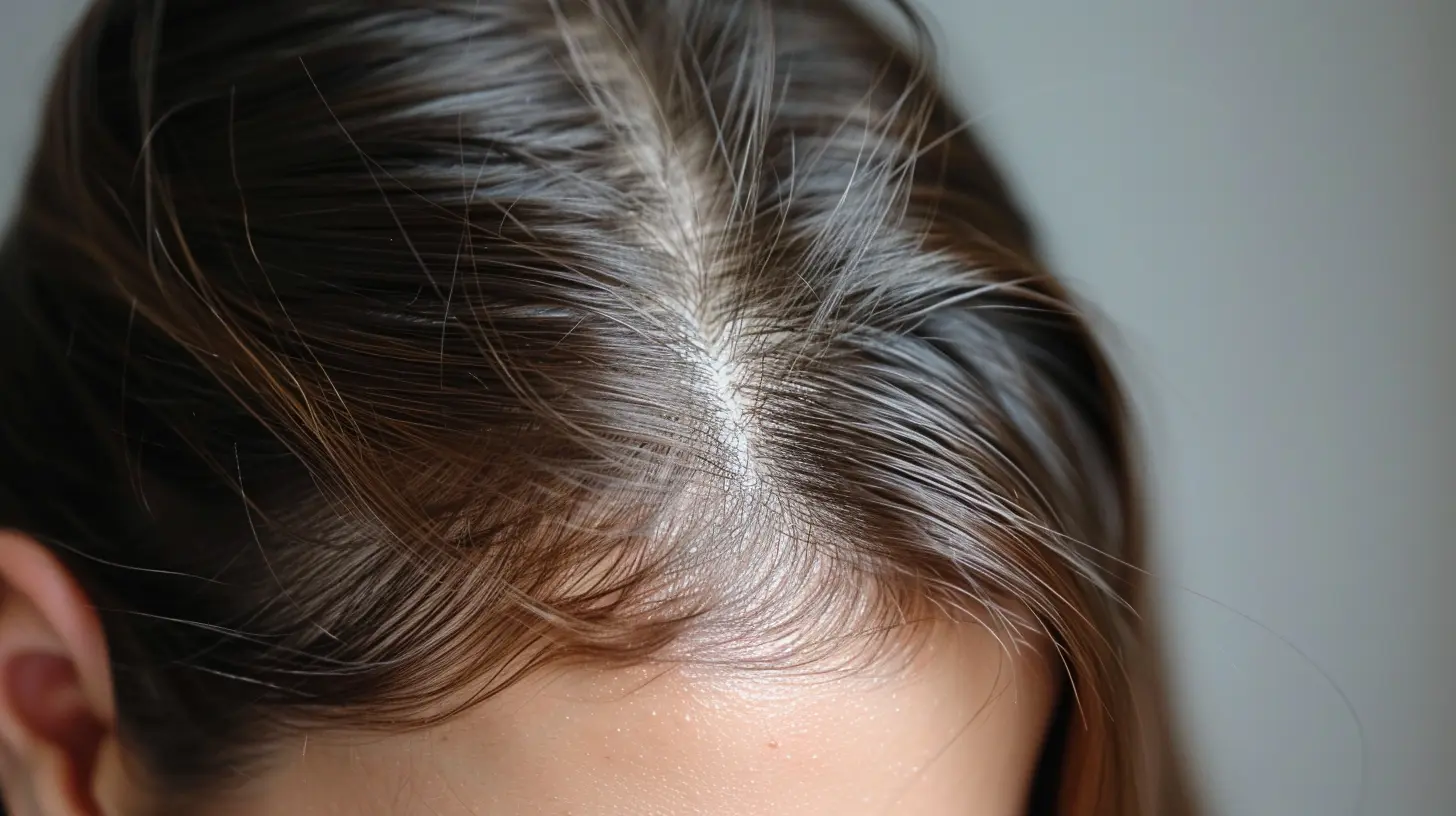
Final Thoughts
Postpartum hair loss may feel discouraging, but remember, you’re not alone. Every new mom experiences it in some way. By nourishing your body, being gentle with your hair, and managing stress, you can minimize hair loss after pregnancy and support healthy regrowth.So, give yourself some grace. After all, your body just pulled off the most incredible thing—bringing a new life into the world. Treat yourself kindly, and your hair will bounce back before you know it!
all images in this post were generated using AI tools
Category:
Healthy HairAuthor:

Sophia Wyatt
Discussion
rate this article
2 comments
Genevieve Adams
Post-pregnancy hair loss is common. Focus on a balanced diet, gentle hair care, and stress-reducing activities to promote healthy regrowth and minimize shedding.
April 8, 2026 at 4:46 PM
Sophia Wyatt
Great advice! A balanced approach really helps with regrowth and maintaining healthy hair during this time. Thanks for sharing!
Callie Smith
Thank you for sharing these helpful tips! As a new mom, I appreciate practical advice on managing hair loss during this challenging time.
April 7, 2026 at 3:10 PM
Sophia Wyatt
You're very welcome! I'm glad you found the tips helpful. Wishing you all the best on your journey as a new mom!