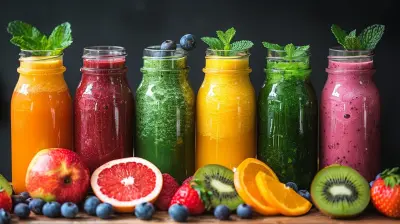
How to Make Water Taste Better Without Artificial Flavoring
14 October 2026
Water is the only beverage your body genuinely requires, yet millions of people quietly avoid it because they do not like how it tastes. That aversion is rarely about the water itself. It is usually about chlorine, mineral content, temperature, the vessel it sits in, or a lifetime of conditioning toward sweet and salty drinks. The good news is that you do not need neon-colored powders, zero-calorie syrups, or lab-created "flavor drops" to fix this. You need a basic understanding of what makes water taste the way it does, plus a handful of techniques that work with chemistry rather than against it.
This guide walks through the real reasons water tastes flat, bitter, metallic, or simply boring, and then explains how to fix each problem using whole ingredients, simple equipment, and a bit of patience. Every method here is grounded in how taste perception actually works, not in marketing claims.
Why Water Tastes Bad in the First Place
Before adding anything to water, it helps to diagnose the problem. Flavoring bad water is like putting a nice frame around a cracked mirror. You are covering up an issue that has a specific cause.Chlorine and Disinfection Byproducts
Municipal water is treated to kill pathogens, and chlorine or chloramine is the standard tool. These compounds are excellent at their job and largely responsible for the fact that you can drink tap water without fearing cholera. The trade-off is aroma. Chlorine has a low odor threshold, meaning humans can detect it at concentrations far below what is considered safe. If your water smells like a swimming pool, that is the first thing to address, and no amount of lemon will fully mask it.Mineral Content and Hardness
Water is a solvent. As it moves through pipes and aquifers, it picks up calcium, magnesium, iron, manganese, and other minerals. Calcium and magnesium make water "hard," which can give it a chalky or heavy mouthfeel. Iron and manganese, even at levels that are legally safe, can produce a metallic or bitter taste. This is why water from two different cities can taste completely different even though both are perfectly potable.Temperature
Cold water tastes sweeter and more refreshing to most people. This is not imagination. Cold temperatures suppress the perception of certain bitter and sour compounds while making the water feel crisper on the tongue. Warm water, by contrast, releases more volatile compounds into the air, which is why lukewarm tap water often smells worse than the same water served over ice.The Vessel and the Straw
Plastic bottles, especially those left in a warm car, can leach trace compounds that alter taste. Metal bottles can impart a metallic note if the interior is unlined or scratched. Even a dirty glass or a sponge that has seen better days can leave behind oils and residues that cling to water. Sometimes the fix is not the water at all.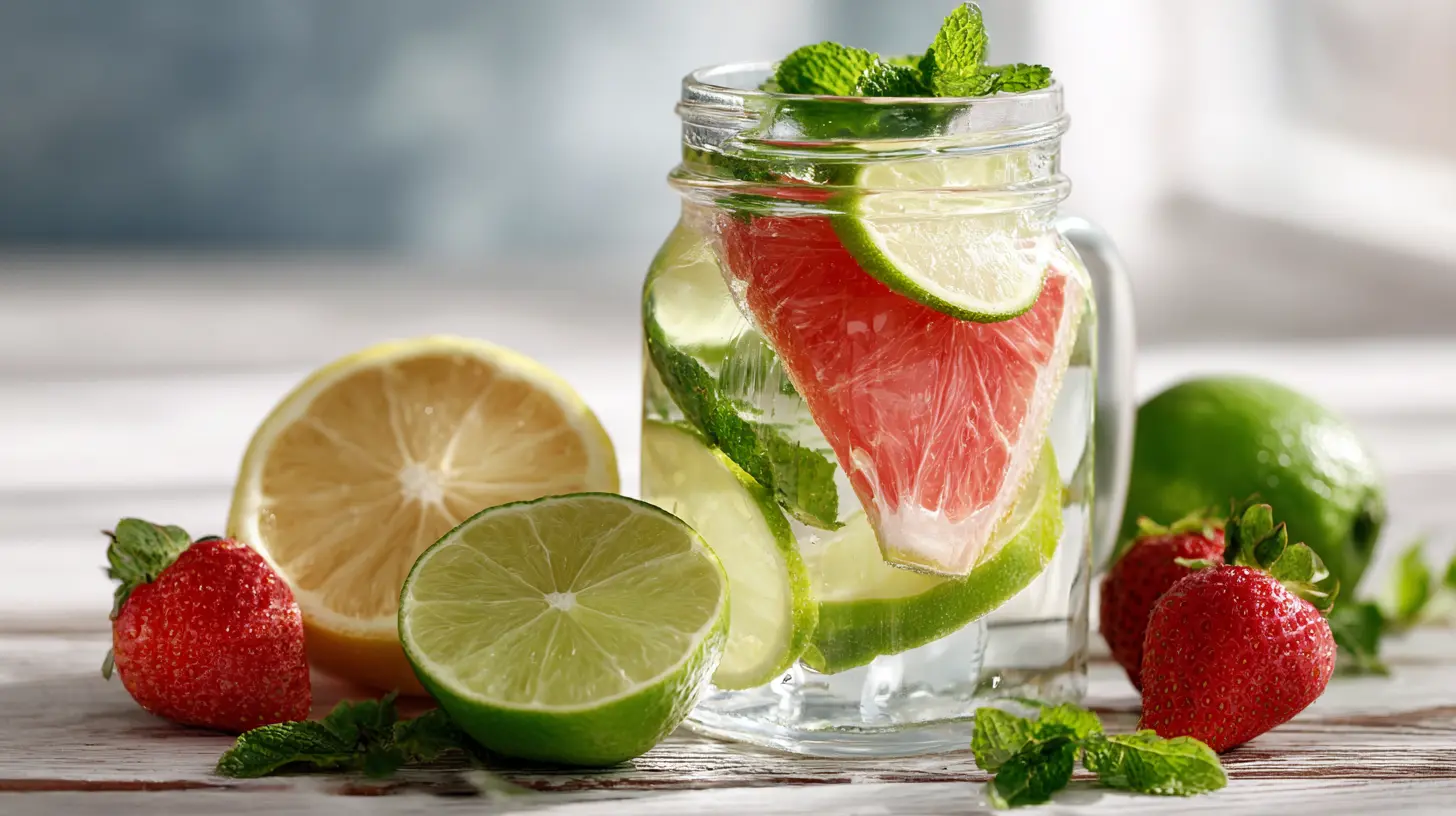
Start With Better Water, Not Better Flavoring
This is the step most people skip, and it is the most important one. If your base water is poor, every flavoring method will underperform.Filtration Options and What They Actually Remove
Not all filters are equal, and choosing the wrong one wastes money.- Activated carbon pitchers and faucet filters: These are excellent at removing chlorine, chloramine (with the right media), and many taste and odor compounds. They are less effective at removing dissolved minerals, which means hard water stays hard. They are affordable and low-maintenance, which makes them a sensible starting point for most households.
- Reverse osmosis systems: These push water through a semi-permeable membrane that removes the vast majority of dissolved solids, including minerals. The result is very "soft," sometimes described as flat or empty-tasting water. Many RO systems include a remineralization stage for exactly this reason. If you go the RO route, consider adding trace minerals back, either through a cartridge or a pinch of mineral drops.
- Distillation: Similar to RO in that it strips nearly everything. Great for removing contaminants, less great for flavor unless remineralized.
- Ion exchange (water softeners): These swap calcium and magnesium for sodium or potassium. They solve hardness but can make water taste slightly salty. They are usually paired with a carbon filter for drinking water.
The practical takeaway: if chlorine is your issue, carbon filtration is enough. If hardness or metallic taste is the issue, you likely need RO or a combination system.
Letting Water Breathe
Chlorine is volatile. Fill a pitcher, leave it uncovered in the refrigerator for several hours or overnight, and a meaningful portion of the chlorine will off-gas. This does not work for chloramine, which is far more stable, so check which disinfectant your utility uses. It is a free fix worth trying before buying equipment.Testing Your Water
You can request a water quality report from your utility, which lists contaminant levels and the disinfectant used. For a few dollars, home test strips can give you a rough sense of hardness and pH. Knowing your starting point prevents you from buying a filter that solves a problem you do not have.
Infusing Water With Real Ingredients
Once your base water is decent, infusion becomes genuinely rewarding. The principle is simple: certain plant compounds are water-soluble, and cold or warm water will extract them over time without the need for heat or sugar.Citrus: The Reliable Workhorse
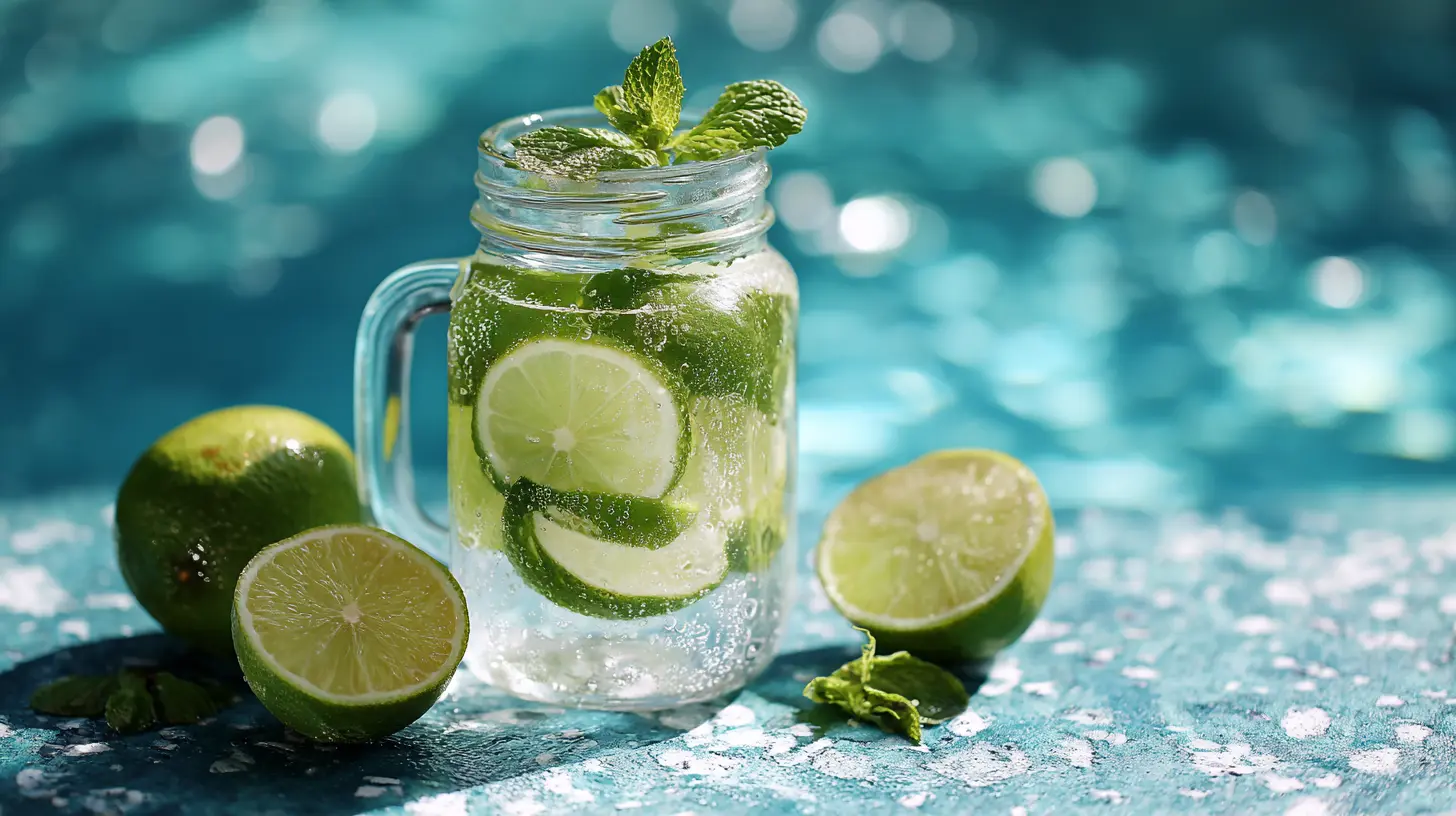
Lemon, lime, orange, and grapefruit all contain citric and ascorbic acids along with aromatic oils in the peel. The acid brightens the palate and cuts through any lingering mineral heaviness. The oils in the zest add aroma, which is a huge part of what we call "taste."A few practical notes:
- Wash the fruit well, especially if you plan to use the peel.
- Use a vegetable peeler to remove just the colored part of the zest, avoiding the white pith, which is bitter.
- A single lemon slice per 500 ml (about 16 ounces) is usually enough. More than that and the water becomes sour rather than refreshing.
- Citrus infuses quickly, often within 15 to 30 minutes. Beyond a few hours, the pith can turn the water bitter.
Herbs: Mint, Basil, and Beyond
Mint is the classic for a reason. It contains menthol, which triggers cold-sensitive receptors in the mouth and makes water feel cooler than it is. This is a genuine physiological effect, not a marketing trick. Basil, rosemary, and thyme work similarly but with more savory notes.Herbs bruise easily. Tearing or lightly crushing the leaves before adding them releases more oils. Whole leaves give a gentler flavor. For a liter of water, a small handful of mint or a few sprigs of basil is plenty.
Cucumber and Other Vegetables
Cucumber is subtle but remarkably effective. It adds a clean, slightly sweet note that pairs well with mint or lime. The trick is to use thin slices and to leave the skin on for color and flavor. Other options include celery, which gives a savory, almost mineral lift, and ginger, which adds heat and helps settle the stomach.Berries and Stone Fruit
Berries release color and a mild sweetness, though the flavor is often more aromatic than sweet. Frozen berries work well because freezing breaks down cell walls, speeding up infusion. Stone fruits like peaches and plums add a floral quality. These fruits are best used within a day, as they can ferment if left too long at room temperature.Spices and Aromatics
Cinnamon sticks, star anise, cardamom pods, and cloves can be added to water, though they infuse slowly in cold water. A better approach is to steep them briefly in hot water, then chill the result. This is essentially a tea without the tea leaves. Vanilla bean, split lengthwise, adds a warm, almost dessert-like note without sugar.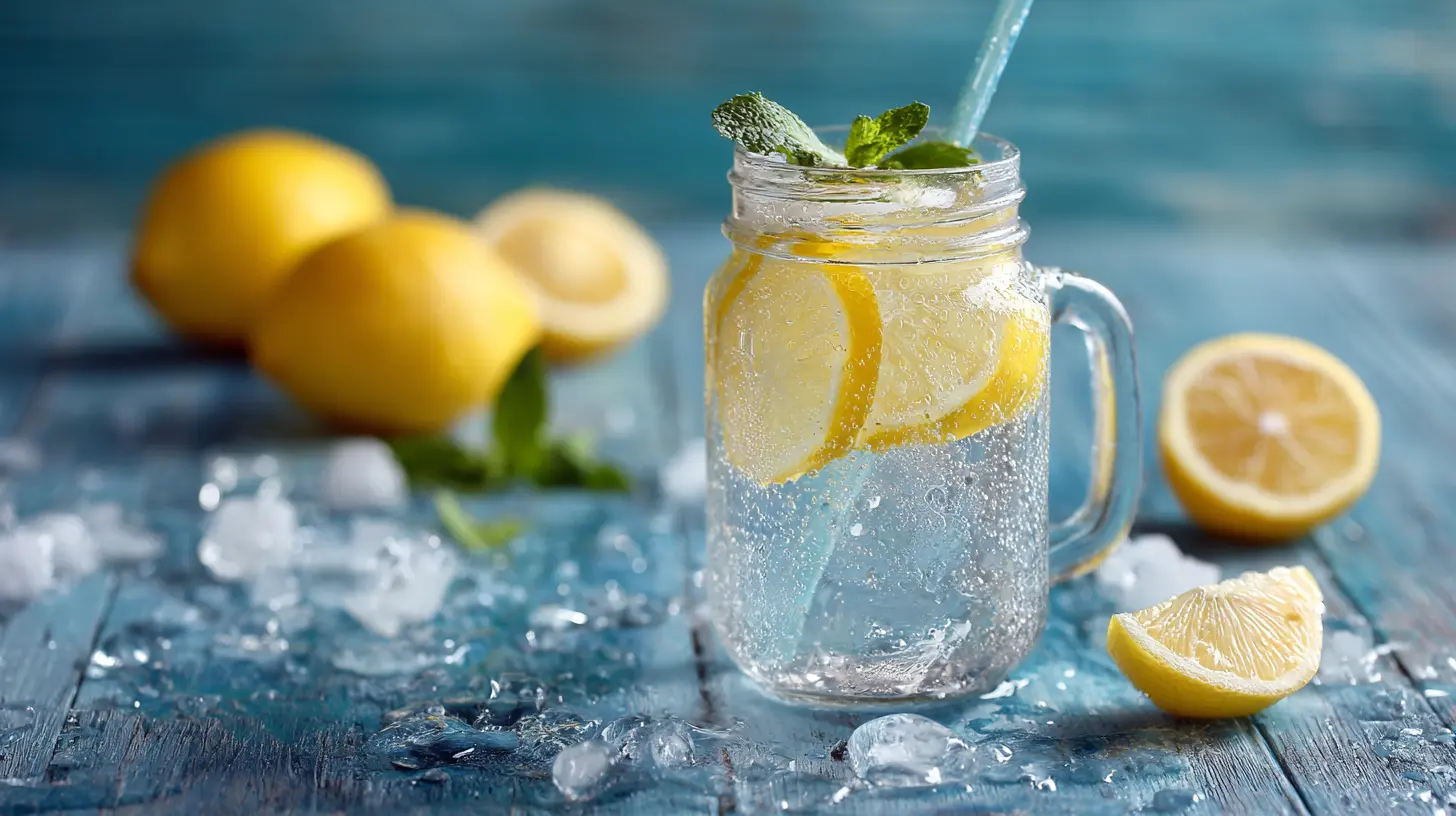
Temperature, Carbonation, and Texture
Flavor is not just about what is dissolved in water. It is also about how the water feels.Cold Water and Ice
Cold suppresses bitterness and enhances perceived sweetness. If your water tastes flat, chilling it in the refrigerator rather than adding ice can help, because ice dilutes as it melts. If you do use ice, make it from filtered water so you are not undoing your work.Carbonation
Carbon dioxide dissolves in water to form carbonic acid, which gives sparkling water a tart, slightly sour edge. This acidity is why sparkling water tastes more "grown-up" than still water and why it pairs well with citrus and herbs. If you own a soda maker, you can carbonate filtered water at home and infuse it afterward. Note that carbonation increases the perception of saltiness and bitterness in some people, so it is not universally loved.Mineral Drops and Salts
A tiny pinch of high-quality sea salt or a few drops of trace mineral concentrate can transform flat water. The sodium and other minerals add body and round out the flavor. This is the same principle behind "mineral water" from springs. The key is restraint. A pinch per liter is usually enough. Too much and you have made broth.What to Avoid and Why
The prompt here is artificial flavoring, but it is worth explaining why some popular alternatives fall short.Artificial Flavor Drops and Powders
These products often contain propylene glycol, artificial sweeteners, and flavor compounds that mimic fruit. They work, in the sense that they make water taste like something else. The problems are threefold. First, they train your palate to expect sweetness, which makes plain water seem even more boring by comparison. Second, some people experience digestive discomfort from sugar alcohols commonly used in these products. Third, they are unnecessary. Real ingredients do the job better and cost less over time.Sugary Mixes and Juice Concentrates
Adding juice is not the same as infusing. A splash of orange juice adds sugar and calories, and while it is not artificial, it changes water into a different beverage. If your goal is hydration without added sugar, keep juice to a minimum or use it as a occasional treat rather than a daily habit.The "Detox Water" Myth
Many articles claim that infused water "detoxifies" the body or "flushes toxins." Your liver and kidneys do that, and they do it well without cucumber slices. Infused water is pleasant, hydrating, and a good replacement for soda. It is not a medical treatment. Be skeptical of any source that claims otherwise.
Practical Systems for Daily Use
Knowing the techniques is one thing. Building a habit is another.Batch Infusion
Fill a large pitcher with filtered water and your chosen ingredients in the evening. Refrigerate overnight. In the morning, you have flavored water ready to pour. This works best with citrus, cucumber, and herbs. Strain out solids after 12 to 24 hours to prevent bitterness.Single-Serve Bottles
If you carry a water bottle, consider a model with a removable infuser basket. You can add fruit and herbs in the morning and refill throughout the day. Just be aware that the flavor will intensify over time, so you may want to remove the basket after a few hours.Ice Cube Trays
Freeze herbs, citrus zest, or berries in water or unsweetened juice and drop the cubes into plain water. This is a low-effort way to add flavor gradually as the ice melts. It also looks good, which matters more than people admit. We drink more of things we find visually appealing.The Two-Ingredient Rule
When you are starting out, limit yourself to two flavoring ingredients at a time. Mint and lime. Cucumber and basil. Orange and rosemary. Too many flavors muddle together and you lose the ability to tell what you like. Once you know your favorites, you can combine more confidently.Common Mistakes and How to Fix Them
Even simple methods go wrong. Here are the most frequent issues.Using Too Much Fruit
More fruit does not mean more flavor. It means more sugar, more acidity, and often more bitterness from pith and seeds. Start with less than you think you need. You can always add more.Leaving Ingredients In Too Long
Citrus pith, herb stems, and some spices turn bitter over time. If you are infusing overnight, use zest rather than whole slices, or strain before drinking. For herbs, remove them after 8 to 12 hours.Ignoring Cleanliness
Fruit and herbs carry natural yeasts and bacteria. If you leave infused water at room temperature for more than a few hours, it can start to ferment or spoil. Always refrigerate, and discard anything that smells off or looks cloudy.Forgetting About the Water Itself
If your water tastes bad before infusion, it will taste bad after. Fix the base first. This cannot be overstated.Expecting Soda-Level Sweetness
Infused water is not sweet in the way most people expect. It is aromatic, subtly flavored, and refreshing. If you are transitioning from sugary drinks, give your palate two to three weeks to adjust. Taste preferences are learned, and they can be unlearned.
Special Considerations
Dental Health
Citrus and other acidic additions can soften tooth enamel over time, especially if you sip acidic water throughout the day. This is a minor concern for most people, but if you have sensitive teeth or a history of erosion, consider using a straw, rinsing with plain water afterward, or limiting citrus to one or two servings per day.Medications and Health Conditions
Some medications interact with grapefruit, including certain statins, blood pressure drugs, and immunosuppressants. If you take any prescription medication, check with your pharmacist before making grapefruit water a daily habit. People on potassium-restricted diets should also be mindful of how much fruit they add.Infants and Young Children
Infused water is generally fine for older children, but infants under six months should only have breast milk or formula. For young children, avoid honey (botulism risk) and keep citrus modest to prevent diaper rash and stomach upset.Building a Long-Term Habit
The goal is not to make water taste like a cocktail. It is to make water something you genuinely look forward to drinking. That shift happens gradually.Start with one change: filter your water. Then add one infusion you like. Drink it at the same time each day, perhaps with lunch or after your morning coffee. Over time, plain water will start to taste better on its own, because your palate will have recalibrated. This is the real payoff. You are not just masking bad taste. You are retraining your sense of what refreshing means.
A Final Word on Simplicity
There is a temptation, especially online, to turn everything into a project. Elaborate infusions, special bottles, mineral blends, and stacks of equipment. None of that is necessary. A clean glass, cold filtered water, and a squeeze of lemon is a complete solution. The best method is the one you will actually use tomorrow, and the day after that.Water is not a flavor delivery system. It is the thing that keeps you alive. Making it taste better is not about hiding that fact. It is about removing the obstacles that keep you from drinking enough of it. Once those obstacles are gone, water stops being a chore and becomes what it always should have been: the most satisfying drink in the house.
all images in this post were generated using AI tools
Category:
Hydration TipsAuthor:

Sophia Wyatt