How to Choose Hair Care Products Without Harmful Chemicals
12 March 2026
Let’s be real for a second — choosing hair care products today feels a bit like decoding a science experiment, doesn’t it? Rows upon rows of brightly colored bottles yelling at you with promises like “volumizing,” “strengthening,” and “repairing.” But have you ever flipped the bottle around and actually looked at the ingredients list?
Yeah… big yikes.
Many mainstream shampoos, conditioners, and styling products are filled with chemicals that not only strip your hair but may also have long-term effects on your scalp and even your health. So how do you pick the right hair care products without harmful chemicals?
Grab your cup of tea and let’s break this down together — no fluff, just straight talk. By the end of this, you’ll be confidently strolling through the hair care aisle like a savvy label-reading machine.
Why Should You Avoid Harmful Chemicals in Hair Products?
Let’s start with the big question: why does it even matter?Well, your scalp is skin — and just like your face or arms, it absorbs what you put on it. That means the chemicals in your shampoo or hairspray can find their way into your body. Over time, using harsh products can lead to itchy scalp, hair thinning, breakage, and even hormone disruption. Not cool.
Avoiding toxic ingredients isn't some over-the-top wellness trend. It’s about protecting your hair, your health, and even the environment.
Red Flag Ingredients to Avoid Like the Plague
Before we jump into how to choose the good stuff, let’s talk about some of the bad guys.1. Sulfates (like SLS and SLES)
These are basically detergents that make your shampoo foam up like a bubble party. Fun? Yep. Gentle? Nope.Sulfates strip away your natural oils, leaving your scalp dry and your strands brittle. People with curly, dyed, or dry hair — beware. Your hair needs moisture, not a moisture heist.
2. Parabens
You’ll often see these hiding as methylparaben, ethylparaben, propylparaben, and butylparaben. They're used as preservatives to extend shelf life but are linked to hormone disruptions and may even mimic estrogen in the body.Yikes, again.
3. Phthalates
Commonly sneaky, these guys often hide under the word “fragrance.” They help scents linger longer but can mess with your endocrine system (your body’s hormone controller).4. Synthetic Fragrances
Unless it says "natural fragrance" or "essential oils," odds are it’s a chemical cocktail trying to smell like a tropical vacation. These can trigger allergies, headaches, and skin irritation.5. Formaldehyde and Formaldehyde Releasers
Used to preserve products. But formaldehyde is a known human carcinogen. If you see ingredients like DMDM hydantoin, imidazolidinyl urea, or quaternium-15, put that bottle down. Fast.6. Alcohols (The Drying Kind)
Not all alcohols are bad, but short-chain types like isopropyl alcohol can suck the moisture out of your strands like a hair vampire. Look for fatty alcohols like cetyl, stearyl, and cetearyl instead. They're the good guys.
Okay, So What Should You Look For?
Now that we’ve tackled the villains, let’s talk about the caped heroes of the hair care world.1. Plant-Based Ingredients
Mother Nature knows best. Look for products containing aloe vera, shea butter, coconut oil, tea tree oil, and other plant-based ingredients. These nourish your hair naturally without the creepy side effects.2. Natural Oils
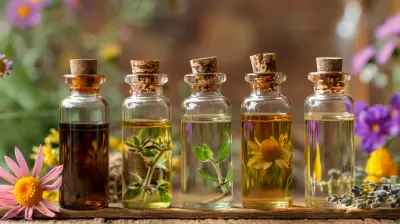
Argan oil, jojoba oil, avocado oil, and grapeseed oil are gold for hair. They moisturize, repair, and add shine — all without clogging your scalp or frying your hair.3. Essential Oils for Scent
Want a sweet-smelling shampoo without the synthetic junk? Lavender, peppermint, ylang-ylang, and rosemary essential oils not only smell delish but also promote healthy hair growth and scalp balance.4. Protein and Keratin (Naturally Derived)
Your hair is made of protein, so it makes sense to feed it more, right? Look for products with naturally derived proteins like wheat protein or silk amino acids to strengthen your strands.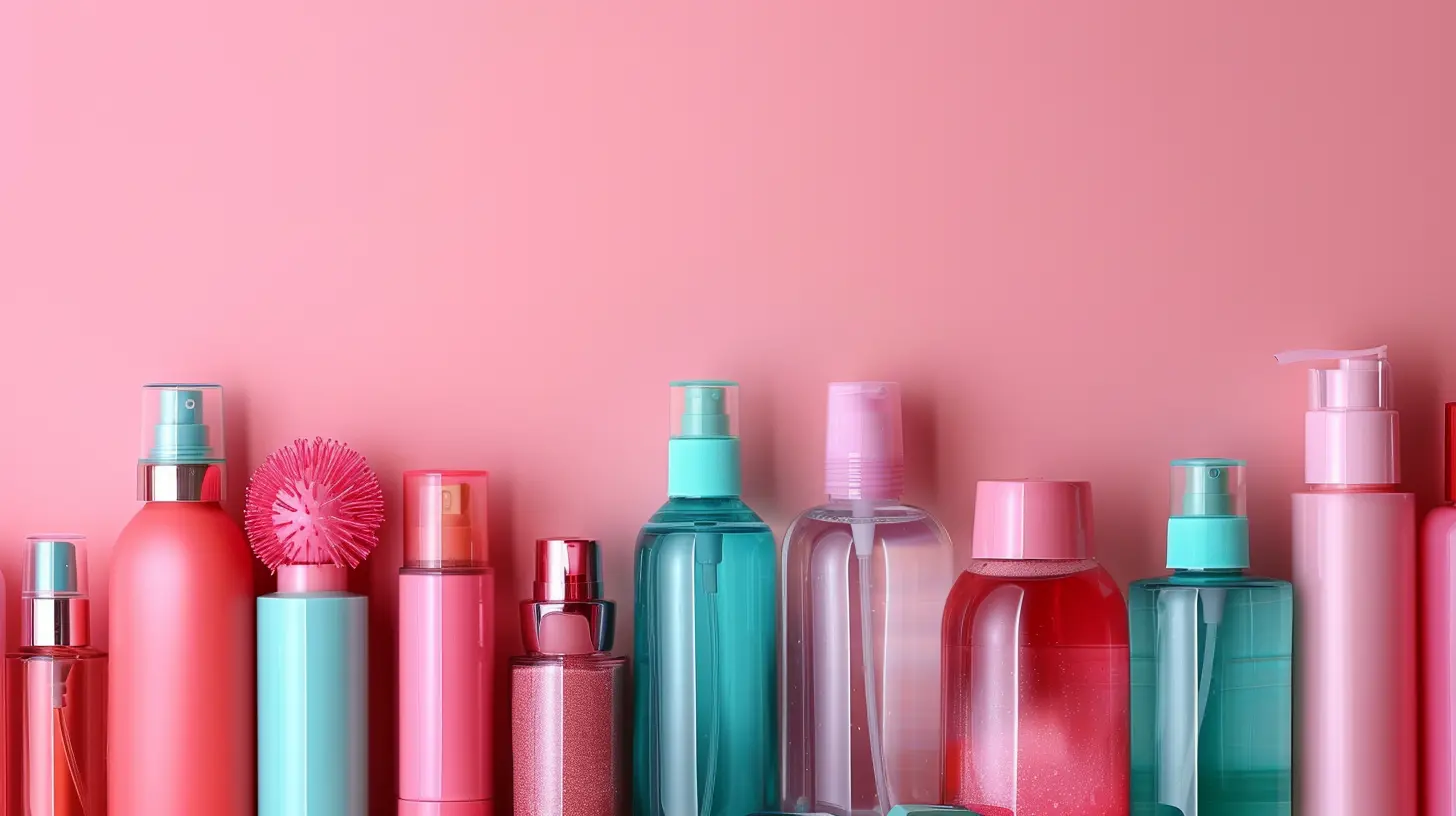
How to Read a Product Label Without a Chemistry Degree
I get it — most ingredient lists feel like they’re written in another language. But here’s a quick tip: ingredients are listed in descending order of volume. That means the first 5 ingredients make up most of the product.If water is first? Great! If the next few ingredients are weird, unpronounceable chemicals? Not so great.
Here’s a mini cheat sheet:
- Easy-to-understand plant names = usually good.
- Chemical-sounding names = double-check them (use the Think Dirty app or EWG’s Skin Deep database).
Look for Certifications and Claims (But Don’t Get Duped)
Slapping “natural” or “organic” on a bottle doesn’t mean much unless it’s certified.Trustworthy Labels to Look For:
- USDA Organic – at least 95% organic ingredients.- EWG Verified – meets strict health standards.
- Leaping Bunny – cruelty-free.
- Non-GMO – avoids genetically modified ingredients.
But still, always read the label. Marketing can be sneaky.
Tailor It to Your Hair Type
Even the most natural shampoo in the world may not work if it’s not meant for your hair type. Don’t forget that clean ingredients aren’t one-size-fits-all.For Oily Hair
Go for light, clarifying formulas. Look for ingredients like apple cider vinegar, lemon, or tea tree oil.For Dry or Damaged Hair
You’ll need hydration stations — shea butter, coconut oil, honey, and glycerin are your BFFs.For Curly Hair
Curly hair thrives on moisture. Avoid sulfates and go for rich, creamy products with aloe vera, flaxseed, and marshmallow root.For Color-Treated Hair
Avoid sulfates and alcohols at all costs. Look for plant-based protein and conditioning agents that prolong color vibrancy.DIY Hair Care: A Natural Route Worth Exploring
If you’re the type who likes to get hands-on — making your own hair products might be the way to go.Some simple DIYs:
- Banana + honey + olive oil hair mask (deep conditioning)
- Apple cider vinegar + water rinse (natural clarifier)
- Aloe vera + coconut oil gel (leave-in conditioner)
Bonus: you know exactly what you’re putting on your hair. No mystery chemicals, no BS.
Brands That Get It Right
Not everyone has the time or energy to make their own products, and that’s totally fair. Luckily, more brands are stepping up their clean-beauty game.Here are a few to keep on your radar:
- Rahua
- Acure
- Innersense Organic Beauty
- SheaMoisture
- Briogeo
- Ethique (solid bars — sustainable and salon-quality!)
Just remember: still read the labels. Even “clean” brands can have questionable ingredients sometimes.
Transitioning to Natural Hair Products: What to Expect
Let’s talk real talk for a second.Switching to clean hair care isn’t always a smooth ride. Your scalp might freak out a bit while it detoxes from the chemicals. Some people experience more oiliness or dryness at first — it’s normal.
Usually, it takes about 2-4 weeks for your hair and scalp to recalibrate. Stick with it — it’s totally worth it in the long run.
Final Thoughts: It’s About Progress, Not Perfection
Look, you don’t need to toss all your hair products in the trash today. But starting with one clean product — maybe your shampoo — can make a big impact.Small changes add up.
Choosing hair care products without harmful chemicals isn’t just about vanity. It’s about self-care, self-respect, and long-term wellness.
So next time you’re holding two bottles in your hand and feeling overwhelmed, just remember: you got this. Read the label, trust your gut, and choose what makes you (and your hair) happy.
Your future self will thank you — and your hair will totally show it.
all images in this post were generated using AI tools
Category:
Healthy HairAuthor:

Sophia Wyatt
Discussion
rate this article
2 comments
Harmony McKittrick
Great insights! Thank you for guiding us toward healthier hair choices!
March 24, 2026 at 3:42 AM
Sophia Wyatt
Thank you for your kind words! I'm glad you found the insights helpful for making healthier hair choices.
Trinity Spencer
Choose wisely, nurture your health.
March 14, 2026 at 4:26 AM
Sophia Wyatt
Thank you! Prioritizing health is key when selecting hair care products.