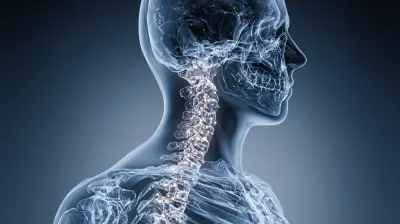
How Stress Affects Your Hair and How to Fight It
19 June 2026
Stress is a sneaky troublemaker. It creeps into our lives, messing with our mood, sleep, and even our hair. Yes, you read that right—stress can literally affect your hair’s health! If you've been noticing more hair shedding, thinning, or dull locks, stress might be the culprit.
But don’t worry! In this article, we’ll dive into how stress impacts your hair and, more importantly, what you can do to fight back. Ready? Let’s get started! 
How Stress Affects Your Hair
When stress takes over, your body goes into fight-or-flight mode, releasing cortisol (the stress hormone). While this response is useful in dangerous situations, long-term stress can wreak havoc on your body, including your hair. Here’s how: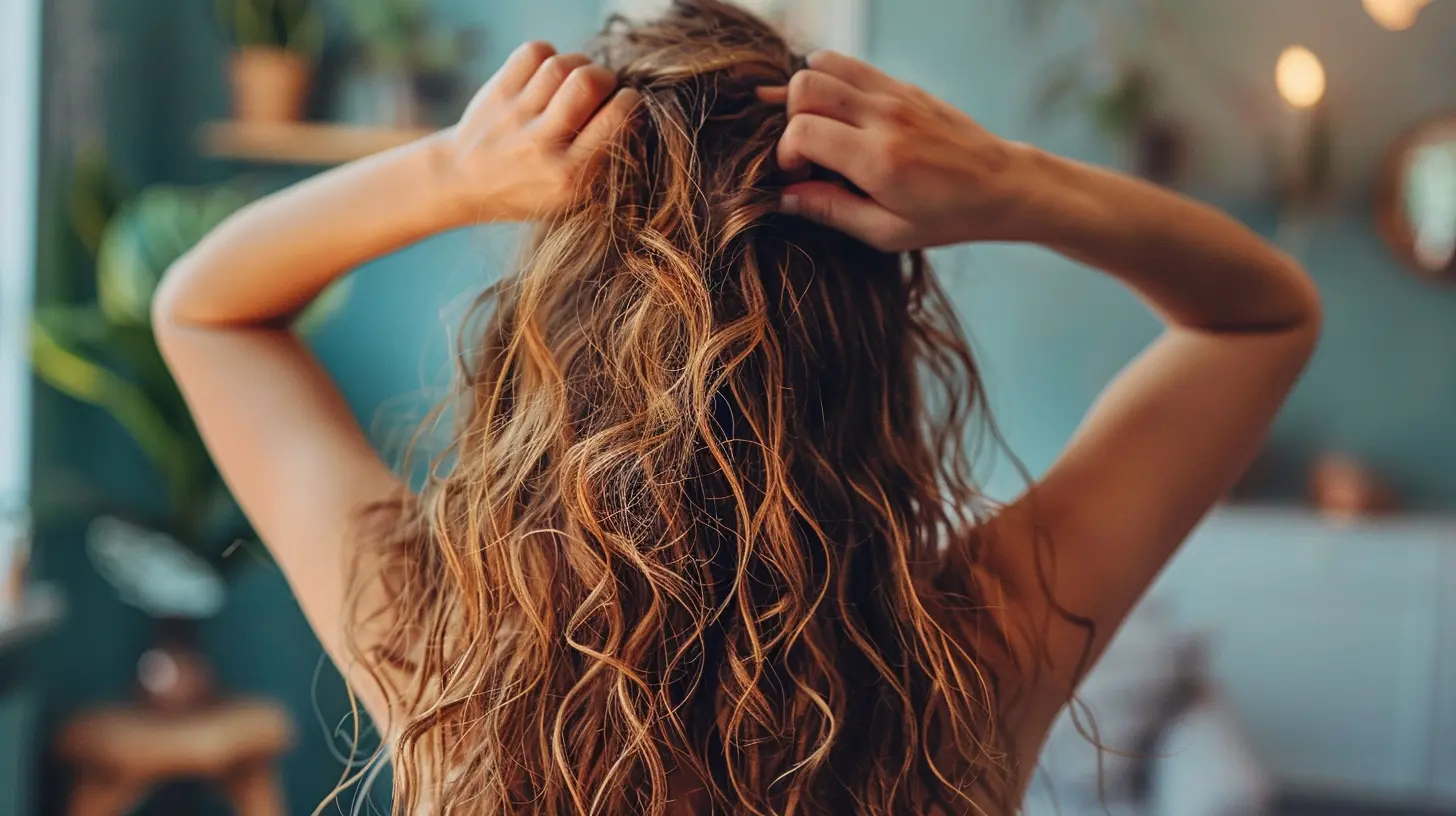
1. Telogen Effluvium – Temporary Hair Shedding
One of the biggest ways stress affects your hair is through telogen effluvium. This condition causes a large number of hair follicles to shift into the resting phase, leading to excessive shedding. You might start noticing more hair in your brush, on your pillow, or even clogging your shower drain.The tricky part? It usually happens 2-3 months after a stressful event. That means if you’ve recently experienced a major life change, illness, or emotional turmoil, and now your hair is falling out—it’s probably stress-related.
2. Alopecia Areata – Patchy Hair Loss
In some cases, extreme stress can trigger an autoimmune response, leading to alopecia areata. This condition causes your immune system to attack your hair follicles, resulting in small bald patches on the scalp. While not everyone experiences this, it’s a possibility for those under chronic stress.3. Trichotillomania – Stress-Induced Hair Pulling
Ever felt the urge to pull your hair when you're overwhelmed? That’s trichotillomania, a psychological condition where people pull out their hair when dealing with stress or anxiety. Over time, this can lead to noticeable thinning or bald spots.4. Dull, Weak Hair and Slower Growth
Stress doesn’t just cause hair loss—it also slows growth and weakens hair strands. When your body is in survival mode, it prioritizes essential functions (like keeping your organs running) over non-essential ones (like hair growth). The result? Brittle, lifeless hair that breaks easily.
How to Fight Stress-Related Hair Loss
Okay, so stress is clearly bad news for your hair. But the good news? You can stop it in its tracks! Here are some effective ways to reduce stress and restore your hair’s health.1. Manage Your Stress Levels
Since stress is the root cause, tackling it head-on is crucial. Try these stress-busting techniques:- Meditation & Deep Breathing: Even 10 minutes a day can work wonders.
- Exercise: Physical activity releases endorphins, your body’s natural stress relievers.
- Journaling: Writing down your thoughts helps declutter your mind.
- Quality Sleep: Aim for 7-9 hours of restful sleep every night.
2. Eat a Hair-Nourishing Diet
Your hair needs essential nutrients to grow strong and healthy. Here’s what you should be eating:- Protein: Hair is made of keratin, a type of protein. Load up on eggs, fish, lean meats, beans, and nuts.
- Iron: A deficiency can worsen hair loss. Include spinach, lentils, and red meat in your meals.
- Biotin & Other B Vitamins: Found in eggs, sweet potatoes, and almonds, these vitamins strengthen hair.
- Omega-3 Fatty Acids: These keep your scalp hydrated. Get them from fish, walnuts, and flaxseeds.
3. Scalp Massages with Essential Oils
Gently massaging your scalp boosts circulation, reduces stress, and strengthens hair follicles. Try adding a few drops of essential oils like:- Lavender: Known for its calming effects.
- Peppermint: Stimulates hair growth.
- Rosemary: Helps reduce hair thinning.
Mix them with a carrier oil (like coconut or jojoba oil) and massage your scalp for 5-10 minutes before washing your hair.
4. Switch to a Gentle Hair Care Routine
When your hair is stressed, the last thing it needs is harsh products or rough handling. Here’s how to be kinder to your locks:- Use a sulfate-free, mild shampoo.
- Avoid excessive heat styling (blow dryers, curling irons, straighteners).
- Let your hair air dry whenever possible.
- Use a wide-tooth comb to prevent breakage.
5. Stay Hydrated
Dehydration affects your entire body—including your hair. Drink at least eight glasses of water a day to keep your strands hydrated and healthy.6. Consider Supplements (But Consult a Doctor First!)
If your diet doesn’t provide all the nutrients you need, supplements can help. Look for:- Biotin
- Collagen
- Zinc
- Vitamin D
Before starting any supplement, check with a healthcare professional to ensure it’s right for you.
7. Limit Caffeine and Alcohol
Too much caffeine or alcohol can mess with your hydration levels and spike cortisol, worsening hair issues. Try replacing that extra cup of coffee with herbal tea or simply drinking more water.8. Seek Professional Help if Needed
If your hair loss is severe or persistent, don’t hesitate to see a dermatologist or trichologist. Sometimes, stress-related hair loss can be reversed with lifestyle changes, but other causes may need medical treatment.
Final Thoughts
Stress is a part of life, but letting it control your hair health? Nope, that’s not an option! By managing stress, eating right, and taking care of your scalp, you can protect your hair and even encourage regrowth.So, next time life gets overwhelming, take a deep breath, show your hair some love, and remember—you’ve got this!
all images in this post were generated using AI tools
Category:
Healthy HairAuthor:

Sophia Wyatt
Discussion
rate this article
1 comments
Zara Phelps
Great article! It's fascinating how stress can impact our hair health. The tips you provided for managing stress are practical and useful. I'll definitely try some of these strategies to improve my overall well-being. Thanks!
June 28, 2026 at 5:00 AM
Sophia Wyatt
Thank you for your kind words! I'm glad you found the tips helpful. Wishing you success in your journey to better well-being!