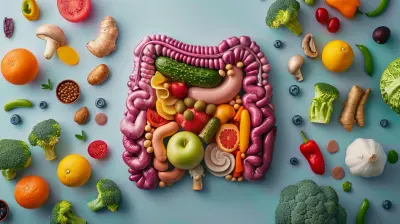
Exploring the FODMAP Diet for Better Bowel Health
6 August 2026
Having constant digestive woes? Bloating, gas, stomach pain, or unpredictable bathroom trips? Yeah, it’s not fun. If your gut’s been giving you trouble, you might have heard about the FODMAP diet—a diet that’s been making waves in the digestive health world.
But what is it? And more importantly, can it help you feel human again? Let’s break it down in simple, no-nonsense terms. 
What Is the FODMAP Diet?
FODMAP stands for Fermentable Oligosaccharides, Disaccharides, Monosaccharides, And Polyols—yep, that’s a mouthful! These are types of short-chain carbohydrates that your gut has trouble absorbing, leading to fermentation in the intestines (hello bloating and gas).The FODMAP diet, developed by researchers at Monash University, helps people identify which foods are triggering their digestive symptoms. It’s been particularly life-changing for those with irritable bowel syndrome (IBS) and other functional gut disorders. 
How Does the FODMAP Diet Work?
This diet isn’t just about cutting out everything forever—it’s a three-phase process:1. Elimination Phase
In this phase (which lasts about 4–6 weeks), high-FODMAP foods are completely removed from your diet. This helps calm the digestive system and reduce unpleasant symptoms.2. Reintroduction Phase
Once your gut is feeling better, it’s time to test the waters. Foods are reintroduced one at a time to see what triggers symptoms. This step is crucial because not everyone reacts the same way to different FODMAPs.3. Personalization Phase
Once you know your triggers, you can create a long-term eating plan that works for YOU—minimizing symptoms while still enjoying as many foods as possible.Think of it like detective work for your gut—you’re figuring out the culprits behind your digestive drama. 
High-FODMAP Foods: The Trouble Makers
Some foods are rich in these pesky fermentable carbs and can trigger symptoms. Here are some of the main offenders:High-FODMAP Fruits
- Apples- Pears
- Watermelon
- Cherries
- Peaches
Vegetables to Watch Out For
- Onions- Garlic
- Cauliflower
- Brussels sprouts
- Asparagus
Dairy Products
- Milk- Soft cheeses
- Yogurt
- Ice cream
Grains & Legumes
- Wheat- Rye
- Lentils
- Chickpeas
- Kidney beans
Sweeteners & Drinks
- Honey- High-fructose corn syrup
- Sugar-free gum
- Soda
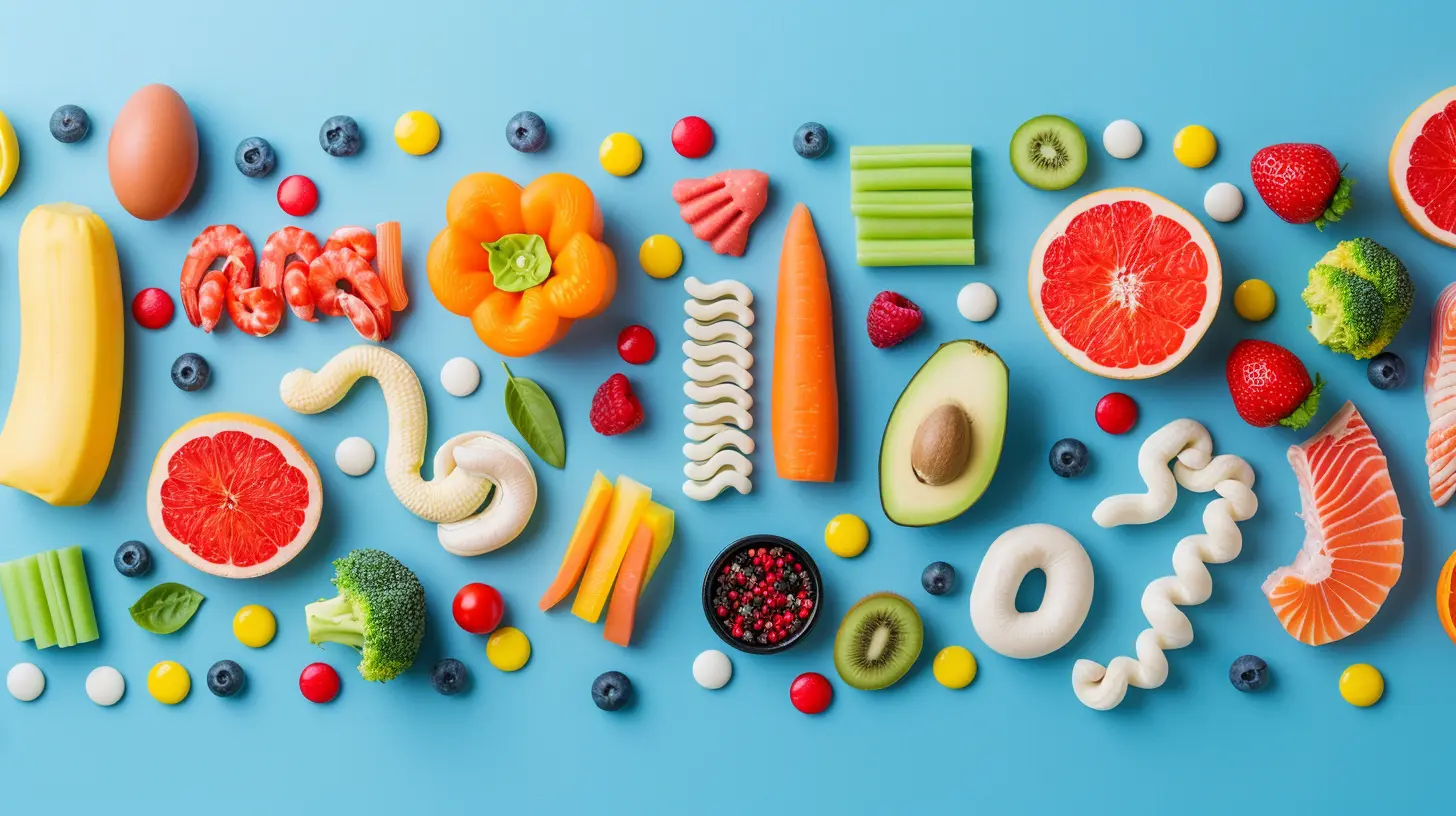
Low-FODMAP Foods: Your Gut’s Best Friends
Thankfully, not all foods are off-limits. There are plenty of delicious options to keep your belly happy!Fruits That Won’t Cause Chaos
- Strawberries- Blueberries
- Bananas (unripe)
- Pineapple
- Grapes
Gut-Friendly Vegetables
- Carrots- Zucchini
- Bell peppers
- Spinach
- Cucumbers
Dairy Alternatives
- Lactose-free milk- Hard cheeses (cheddar, parmesan)
- Almond milk
- Coconut yogurt
Bloating-Free Grains
- Rice- Quinoa
- Oats
- Corn tortillas
Protein Sources
- Chicken- Turkey
- Eggs
- Firm tofu
- Fish
With the right substitutions, you won’t feel like you’re missing out. A little creativity in the kitchen goes a long way!
Benefits of the FODMAP Diet
Cutting out these troublesome carbs can do wonders for your digestion. Here’s how:✔ Less Bloating & Gas – No more feeling like a balloon ready to pop!
✔ Reduced Stomach Pain – Say goodbye to random cramps and discomfort.
✔ Better Bowel Movements – Whether you’re going too much or not enough, this diet can bring balance.
✔ More Energy – When your gut feels good, your whole body functions better.
✔ Improved Mental Health – Did you know your gut and brain are connected? A happy gut can mean a happier mood.
Potential Downsides & Things to Consider
Like any diet, the FODMAP approach has its challenges.1. It Can Be Restrictive
The elimination phase cuts out A LOT of foods. But remember, it’s temporary—you're not meant to avoid these foods forever.2. It Requires Planning
Eating out or grabbing a quick snack can be tricky. You’ll need to read labels carefully and plan meals ahead.3. You Shouldn’t Do It Alone
Working with a dietitian or healthcare professional can make the process easier and ensure you don’t miss out on vital nutrients.Tips for Success on the FODMAP Diet
Want to make this journey easier? Here are some pro tips to keep your gut (and sanity) in check:- Use a food diary – Tracking what you eat and how you feel can help pinpoint trigger foods.
- Plan meals ahead – Meal-prepping will save you from last-minute stress.
- Read ingredient labels – Hidden FODMAPs are sneaky, especially in sauces and processed foods.
- Manage stress – Stress can worsen digestive issues. Try meditation, yoga, or deep breathing.
- Stay hydrated – Water helps digestion and keeps things moving smoothly.
- Be patient – Results don’t happen overnight, but they’re worth it!
Who Should Try the FODMAP Diet?
This diet is not for everyone. If you deal with:✅ Irritable Bowel Syndrome (IBS)
✅ Small Intestinal Bacterial Overgrowth (SIBO)
✅ Functional Digestive Disorders
Then, it could be a game-changer. If your symptoms are mild or unrelated to FODMAPs, you might not need to follow such a restrictive plan. Always check with a doctor before making major diet changes.
The Bottom Line
The FODMAP diet is like a gut reset button. It helps you figure out which foods are fueling your digestive distress and which ones your body actually enjoys. While it requires patience and commitment, the reward is a happier gut, less discomfort, and more freedom to enjoy life.If your stomach has been ruling your life, this diet might just be the key to regaining control. Because let’s be honest—nobody has time for constant bloating and unpredictable bathroom trips!
all images in this post were generated using AI tools
Category:
Bowel HealthAuthor:

Sophia Wyatt
Discussion
rate this article
1 comments
Ingrid McGrady
Embrace change for better health!
August 11, 2026 at 4:39 AM
Sophia Wyatt
Absolutely! Embracing change is key to finding what works best for our bodies. The FODMAP diet can be a great step towards better bowel health.