Essential Warm-Up and Cool-Down Strategies for Every Routine
30 September 2026
Most people treat the warm-up as a formality and the cool-down as an afterthought. They jog for two minutes, touch their toes once, and call it done. Then they wonder why their shoulders feel stiff the next day or why their sprint times plateau. The truth is that the minutes before and after your main workout shape how well you perform and how quickly you recover. Get them right, and everything in between improves.
This guide breaks down what actually happens in your body during those transitions, how to design warm-ups and cool-downs for different activities, and where common advice goes wrong. You will find practical sequences you can use today, along with the reasoning behind each choice.

Why the Warm-Up Matters More Than You Think
A warm-up is not just about raising your heart rate. It triggers a cascade of physiological changes that make movement safer and more effective.When you start moving, your blood vessels widen and blood flow to working muscles increases. Muscle temperature rises, which makes muscle fibers contract more forcefully and relax more quickly. Nerve signals travel faster. Synovial fluid, the lubricant inside your joints, becomes thinner and spreads more evenly across cartilage. Your lungs begin to handle larger volumes of air. Hormones like adrenaline start circulating, sharpening focus and preparing you for effort.
None of this happens instantly. It takes several minutes of progressive activity for these systems to shift into a ready state. Skip that process, and you ask your body to perform at a level it has not prepared for. The result is often a feeling of heaviness, reduced power, and a higher risk of strains or tears.
There is also a psychological component. A structured warm-up gives you time to shift attention from your day to your body. You check in with how you feel, notice tight spots, and rehearse movement patterns. Athletes often describe this as "switching on." It is a real effect, and it pays off in focus and reaction time.
The Difference Between Warming Up and Stretching
One of the most persistent misconceptions is that warming up and stretching are the same thing. They are not.Static stretching, where you hold a position for 20 to 60 seconds, temporarily reduces the stiffness of muscle and tendon tissue. That can feel good, and it has value in some contexts. But performed before explosive or heavy activity, prolonged static stretching can reduce power output for a short period afterward. The muscle becomes more compliant, which is helpful for range of motion but less helpful when you need to generate force quickly.
A proper warm-up, by contrast, uses movement to raise temperature and activate the right muscles. It may include dynamic stretches, which move a joint through its full range under control. It may include light versions of the exercises you are about to do. It generally does not involve long holds.
The practical takeaway: save long static stretches for after your workout or for separate mobility sessions. Use dynamic movement before.

Building a Warm-Up That Actually Works
A well-designed warm-up has three phases, and each serves a distinct purpose.Phase 1: General Cardiovascular Activation
Start with two to five minutes of easy, continuous movement. The goal is to raise heart rate, increase blood flow, and raise core temperature. You should feel warm and slightly breathless, not tired.Options include brisk walking, jogging, cycling, rowing, jumping rope at a slow pace, or even dancing around your living room. The specific activity matters less than the effect. Choose something that uses large muscle groups and does not require skill or concentration.
For most people, three minutes is enough for light activity. For intense training or cold environments, extend it to five or even eight minutes. If you are training outside in winter, your warm-up needs to be longer because your body loses heat to the environment as fast as it generates it.
Phase 2: Dynamic Mobility and Movement Preparation
This is where you prepare the specific joints and muscles you are about to use. Dynamic stretches take a joint through its available range with control, often mimicking sport-specific patterns.Examples include:
- Leg swings, forward and sideways, for hip mobility
- Arm circles of increasing size, for shoulder range
- Walking lunges with a twist, for hips and thoracic spine
- Inchworms, for hamstrings, shoulders, and core
- Hip circles and ankle rolls, for joint lubrication
Perform each movement for 8 to 12 repetitions, gradually increasing range. Do not force anything. The point is to wake up the tissue, not to test its limits.
A useful principle: move from the center of your body outward. Start with spine and hips, then move to shoulders, then knees and ankles. This mirrors how force travels through the body during most athletic movements.
Phase 3: Sport-Specific or Task-Specific Preparation
The final phase bridges the gap between general readiness and the actual demands of your workout. Here you perform movements that resemble what you are about to do, but at lower intensity.If you are about to lift heavy weights, do a few sets of the same lift with an empty bar or light dumbbells. If you are about to sprint, do a few strides at 60 to 70 percent effort. If you are about to play tennis, do some shadow swings and light footwork drills. If you are about to swim, do a few easy laps with a focus on technique.
This phase primes your nervous system for the specific pattern. It also gives you feedback. If a movement feels off, you can adjust before the real work begins.
A Sample General Warm-Up
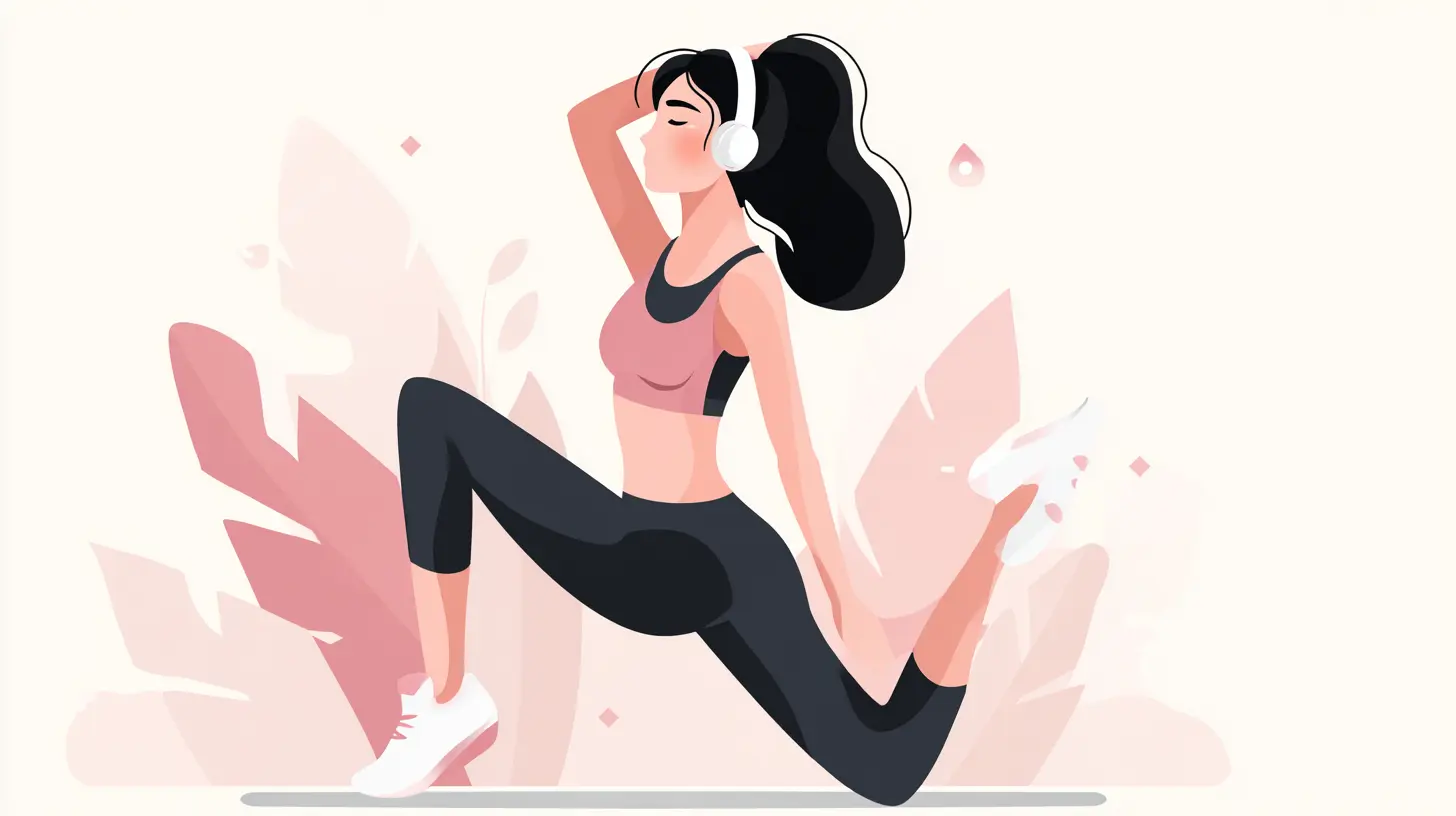
Here is a sequence you can adapt for almost any activity. It takes about eight to ten minutes.1. Three minutes of easy jogging, cycling, or brisk walking
2. Ten arm circles in each direction
3. Ten leg swings per leg, forward and back
4. Ten leg swings per leg, side to side
5. Ten walking lunges with a gentle twist
6. Ten inchworms
7. Ten bodyweight squats
8. Two sets of the first exercise in your main workout, at 50 percent effort
Adjust the volume based on your fitness and the intensity of what follows. A light yoga session needs less. A maximal strength session needs more.
Warm-Up Strategies for Different Activities
The principles stay the same, but the emphasis shifts depending on what you are about to do.Strength Training
Before lifting, prioritize joint mobility and activation of the muscles you will use. If you are doing a heavy squat session, spend time on hip and ankle mobility, glute activation, and core bracing. If you are benching, focus on shoulder and thoracic spine mobility, plus scapular control.A common mistake is warming up with high-repetition sets of the same lift at a weight that is too heavy. This fatigues you before you start. Instead, use a ramp-up: start with an empty bar, add weight gradually, and keep reps low as the weight climbs. For example, if your working set is 200 pounds, you might do 10 reps with the bar, 8 reps at 95 pounds, 5 reps at 135, 3 reps at 165, then start your working sets.
Running and Endurance Sports
Runners need to prepare not just muscles but also the cardiovascular system and the specific mechanics of their stride. A good pre-run routine includes easy jogging, dynamic leg swings, hip circles, ankle mobility, and a few short accelerations.The accelerations matter. They remind your nervous system how to coordinate fast, efficient movement. Do three to four strides of 15 to 20 seconds each, building to about 80 percent of your race pace, with full recovery between.
Do not static stretch your hamstrings for two minutes before a run. It will not prevent injury, and it may make you feel sluggish.
Team Sports
Team sports demand sudden changes of direction, sprinting, jumping, and rapid decisions. Your warm-up should include multidirectional movement, deceleration drills, and reaction-based activities.Many coaches use a format called RAMP: Raise, Activate, Mobilize, Potentiate. It is a useful framework because it builds progressively and ends with explosive movements that mirror game demands. A RAMP warm-up might include jogging, then lunges and squats, then leg swings and hip openers, then short sprints and change-of-direction drills.
Mind-Body Practices
If your main activity is yoga, Pilates, or tai chi, your warm-up looks different. You are not trying to raise your heart rate to a high level. You are trying to wake up proprioception, release tension, and prepare for focused movement.Gentle joint rotations, cat-cow movements, and slow spinal waves work well. Pay attention to breath. A few minutes of calm, deliberate breathing can set the tone for the entire session.

The Cool-Down: Not Just a Formality
The cool-down gets less attention than the warm-up, but it serves important purposes. It helps your body transition from high-intensity effort back to a resting state. It also gives you a chance to address tissue that has tightened during activity.When you stop suddenly after hard exercise, blood can pool in your legs. This can cause dizziness or faintness. A gradual reduction in intensity keeps circulation moving and helps clear metabolic byproducts from working muscles. It also gives your heart rate and blood pressure time to return to baseline smoothly.
There is debate about how much a cool-down reduces muscle soreness. Some studies show modest benefits, others show little effect. What is clear is that a cool-down helps you feel better in the hours after training and provides a structured opportunity for mobility work.
Components of an Effective Cool-Down
A good cool-down has two parts: active recovery and static stretching or mobility.Active recovery means five to ten minutes of easy movement. Walk, jog slowly, cycle at low resistance, or swim easy laps. The goal is to keep blood flowing without adding stress.
After that, spend five to ten minutes on static stretches and gentle mobility. This is the time to hold positions for 20 to 60 seconds. Your muscles are warm, so you can safely explore a bit more range. Focus on the areas that worked hardest.
Breathing matters here too. Slow, deep breaths signal your nervous system to shift into a parasympathetic state, which supports recovery. Try inhaling for four counts and exhaling for six.
A Sample Cool-Down
After a moderate to intense workout, try this:1. Five minutes of easy walking or slow cycling
2. Standing forward fold, 30 seconds
3. Hip flexor stretch, 30 seconds per side
4. Figure-four stretch for glutes, 30 seconds per side
5. Chest opener against a wall, 30 seconds
6. Child's pose, 60 seconds
7. Seated breathing, 10 slow breaths
Adapt as needed. If you did a lot of upper body work, add more shoulder and chest stretches. If you ran hills, give extra time to calves and hamstrings.
Common Mistakes and How to Fix Them
Even people who warm up and cool down often do it poorly. Here are the most frequent errors.Rushing the Warm-Up
Two minutes of jogging is not a warm-up. It is a gesture. Your body needs time to make the physiological shifts that improve performance and reduce injury risk. Give yourself at least eight to ten minutes for moderate to intense activity.Static Stretching Before Intense Effort
As mentioned earlier, long static holds before explosive activity can reduce power. Save them for after. If you feel tight before a workout, use dynamic movements to address it.Skipping the Cool-Down Because You Are Busy
The cool-down is easy to skip when you are short on time. But those five to ten minutes can make a real difference in how you feel the next day. If you truly cannot do a full cool-down, at least walk for a few minutes and do one or two stretches for the areas that worked hardest.Doing the Same Warm-Up for Every Activity
A warm-up should prepare you for what you are about to do. A generic routine is better than nothing, but a tailored one is better still. Think about the joints and muscles that will work hardest, and prepare those specifically.Ignoring Pain During Warm-Up
If a movement hurts during your warm-up, do not push through it. Pain is information. Modify the movement, reduce range, or choose a different exercise. If pain persists, consult a qualified professional.
Special Considerations
Not everyone needs the same warm-up and cool-down. A few factors change the equation.Age
As we get older, connective tissue becomes less elastic and joints take longer to lubricate. Older adults may benefit from longer warm-ups and more attention to mobility. The cool-down becomes more important too, because recovery takes longer.Fitness Level
Beginners need shorter, simpler warm-ups. The goal is to prepare, not to exhaust. As fitness improves, you can handle more volume and intensity in the warm-up.Time of Day
If you train first thing in the morning, your body temperature is lower and your joints are stiffer. You will likely need a longer warm-up than someone training in the afternoon. A warm shower before morning exercise can help.Climate
In cold weather, warm-ups need to be longer and may need to be done indoors before heading outside. In hot, humid conditions, you may need to shorten the warm-up to avoid overheating, but you still need to prepare your joints and muscles.Injury History
If you have had a previous injury, give that area extra attention during warm-up. Activation exercises for the surrounding muscles can help protect the joint. But do not overdo it. The goal is readiness, not fatigue.Making It a Habit
The best warm-up and cool-down routines are the ones you actually do. Here are some ways to make them stick.Attach them to something you already do. If you always put on your shoes before a run, make that the cue to start your warm-up. If you always stretch after a workout, keep your mat in the same place so it is ready.
Keep them short and simple when you are starting out. A five-minute warm-up and a five-minute cool-down are enough to build the habit. You can expand later.
Track how you feel. Notice whether your workouts feel better when you warm up properly. Notice whether you are less sore when you cool down. Those positive experiences reinforce the habit.
Be flexible. Some days you will have more time than others. A shorter version is better than nothing. The key is consistency, not perfection.
Putting It All Together
Warm-ups and cool-downs are not optional extras. They are part of the workout. A good warm-up prepares your body and mind for the effort ahead. A good cool-down helps you recover and return to your day feeling better.You do not need fancy equipment or a complicated routine. You need a few minutes of progressive movement before you start and a few minutes of gentle activity and stretching after you finish. Tailor the details to your activity, your body, and your goals.
Start with the sample routines in this article. Adjust them as you learn what works for you. Over time, you will develop a sense of what your body needs, and that awareness is one of the most valuable skills you can build as a person who moves.
all images in this post were generated using AI tools
Category:
Workout PlansAuthor:

Sophia Wyatt