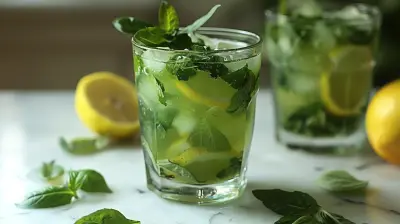
Detox Drink Trends to Try in 2027
4 September 2026
The detox drink industry has a peculiar relationship with the truth. It promises vitality, glowing skin, and the vague but powerful concept of "cleansing" while often delivering little more than expensive sugar water. But here is the reality: by 2027, the category has matured significantly. The days of cayenne pepper lemonade fasts and mysterious "toxin-binding" powders are fading. What has replaced them is something far more interesting, more evidence-informed, and, frankly, more effective.
The shift is not accidental. Consumers have become savvier. They have burned through enough fads to know that a green drink cannot undo a decade of poor sleep or a processed-food diet. They are also reading labels with the intensity of forensic accountants. As a result, the detox drink trends of 2027 are less about dramatic purges and more about supporting the body's actual detoxification systems, namely the liver, kidneys, gut, and skin. These trends focus on cellular health, hydration efficiency, and metabolic flexibility.
Below is a detailed look at the most promising detox drink trends for 2027, what actually works, what is clever marketing, and how to choose wisely.
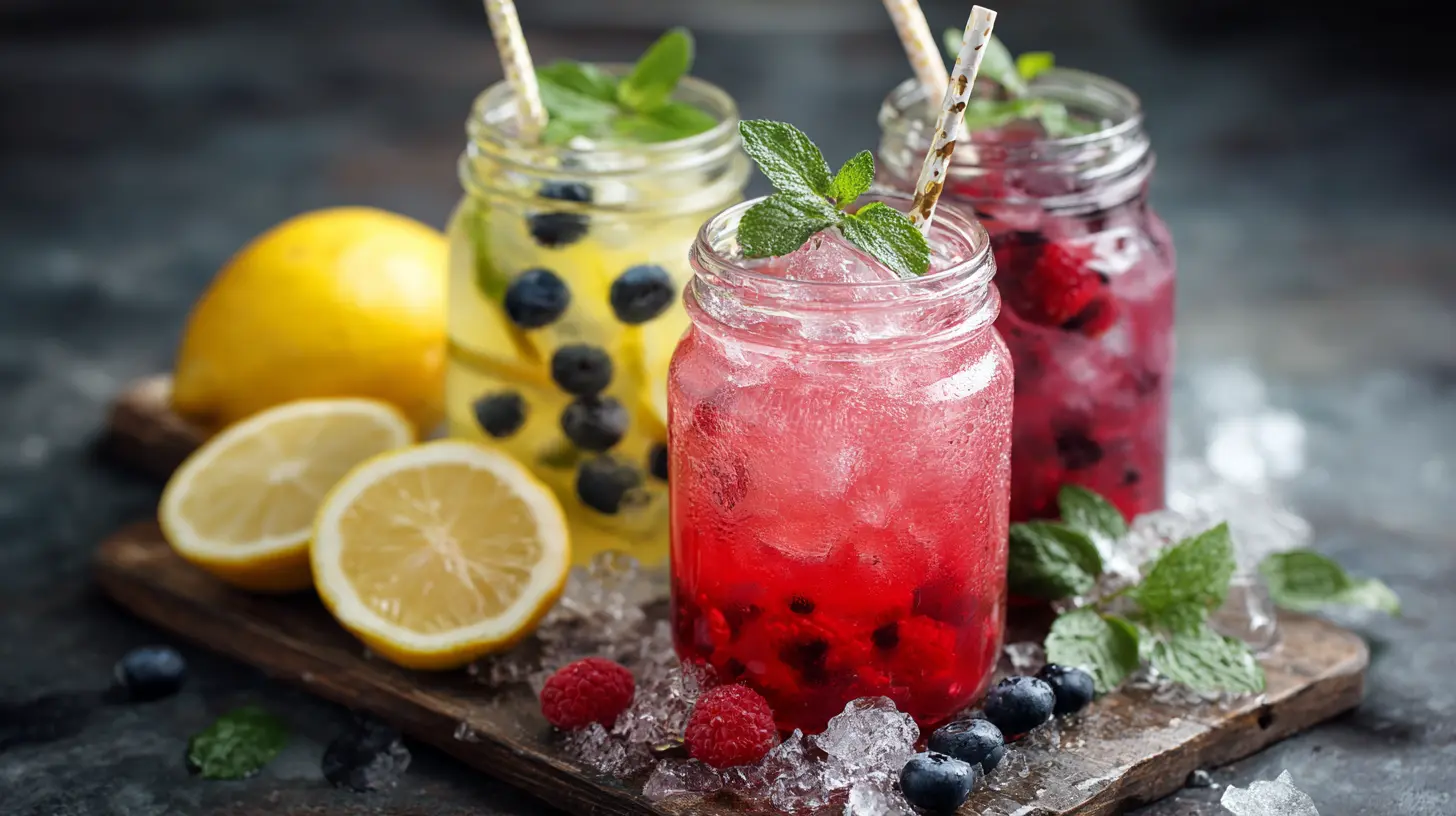
The Liver-Centric Shift: Moving Beyond "Cleanse" Language
For years, detox drinks have been sold as a way to flush toxins from the colon or blood. That premise is biologically flawed. Your body does not need help flushing; it needs help functioning optimally. The liver is your primary detoxification organ, and its two-phase enzymatic process is complex and nutrient-dependent.In 2027, the smartest trend is not a drink that claims to "cleanse" your liver, but one that supplies the specific cofactors your liver needs to do its job. This includes B vitamins, magnesium, zinc, selenium, and amino acids like glycine and taurine. These are not exotic compounds. They are basic nutrients that are often depleted by alcohol, poor diet, and chronic stress.
You will see products marketed as "Liver Support Elixirs" rather than "Liver Cleanses." The difference matters. A cleanse implies a short-term shock. Support implies a sustained practice. The best formulations combine milk thistle extract or silymarin with N-acetylcysteine (NAC), a precursor to glutathione, which is the master antioxidant in your liver. However, a common mistake is assuming that more is better. High-dose NAC can cause nausea and headaches. A reasonable dose is 600 to 1200 milligrams daily, but only if you are not on nitroglycerin or certain blood pressure medications.
Practical advice: Look for a drink that lists actual nutrient amounts, not proprietary blends. If a bottle says "contains liver-supporting herbs" without specifying doses, you are paying for marketing, not medicine.
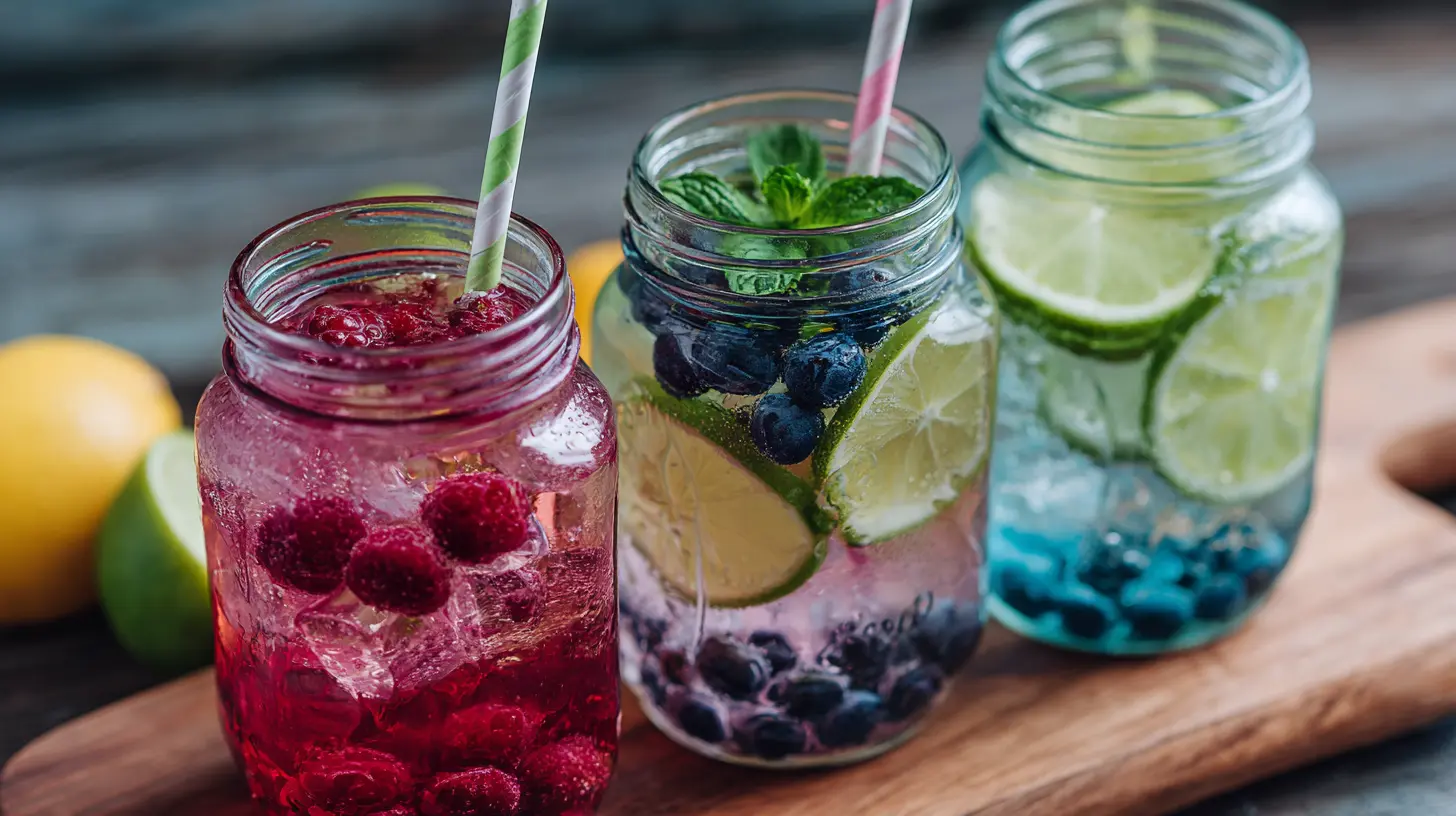
Adaptogenic Hydration: The New Electrolyte Standard
The old detox drink was essentially water with lemon and cayenne. The 2027 version is a targeted adaptogenic hydration formula. The logic here is simple: chronic stress impairs detoxification. Cortisol, when chronically elevated, alters gut permeability and reduces bile flow. If your stress response is out of control, no amount of kale powder is going to save you.Adaptogens like ashwagandha, rhodiola, and lion's mane mushroom are being added to electrolyte drinks not as a gimmick, but as a way to modulate the stress response during and after physical activity. The key is pairing them with actual electrolytes, not just a pinch of pink salt.
A well-formulated adaptogenic detox drink in 2027 contains sodium, potassium, and magnesium in ratios that mimic human sweat, plus a low dose of an adaptogen that has been studied for stress reduction. Ashwagandha, for instance, has been shown in several trials to lower perceived stress and reduce cortisol levels, but the effect is not instantaneous. It takes two to four weeks of consistent use. Therefore, this drink is not a one-time detox; it is a daily ritual.
The trade-off is taste. Adaptogens often have an earthy, bitter profile. Many brands mask this with fruit juice concentrates, which spike sugar content. A common mistake is assuming that natural sugar is harmless. A detox drink with 25 grams of fruit sugar is still a sugar drink. Check the label for total carbohydrates. Anything above 10 grams per serving is not a detox drink; it is a sports drink with a fancy name.
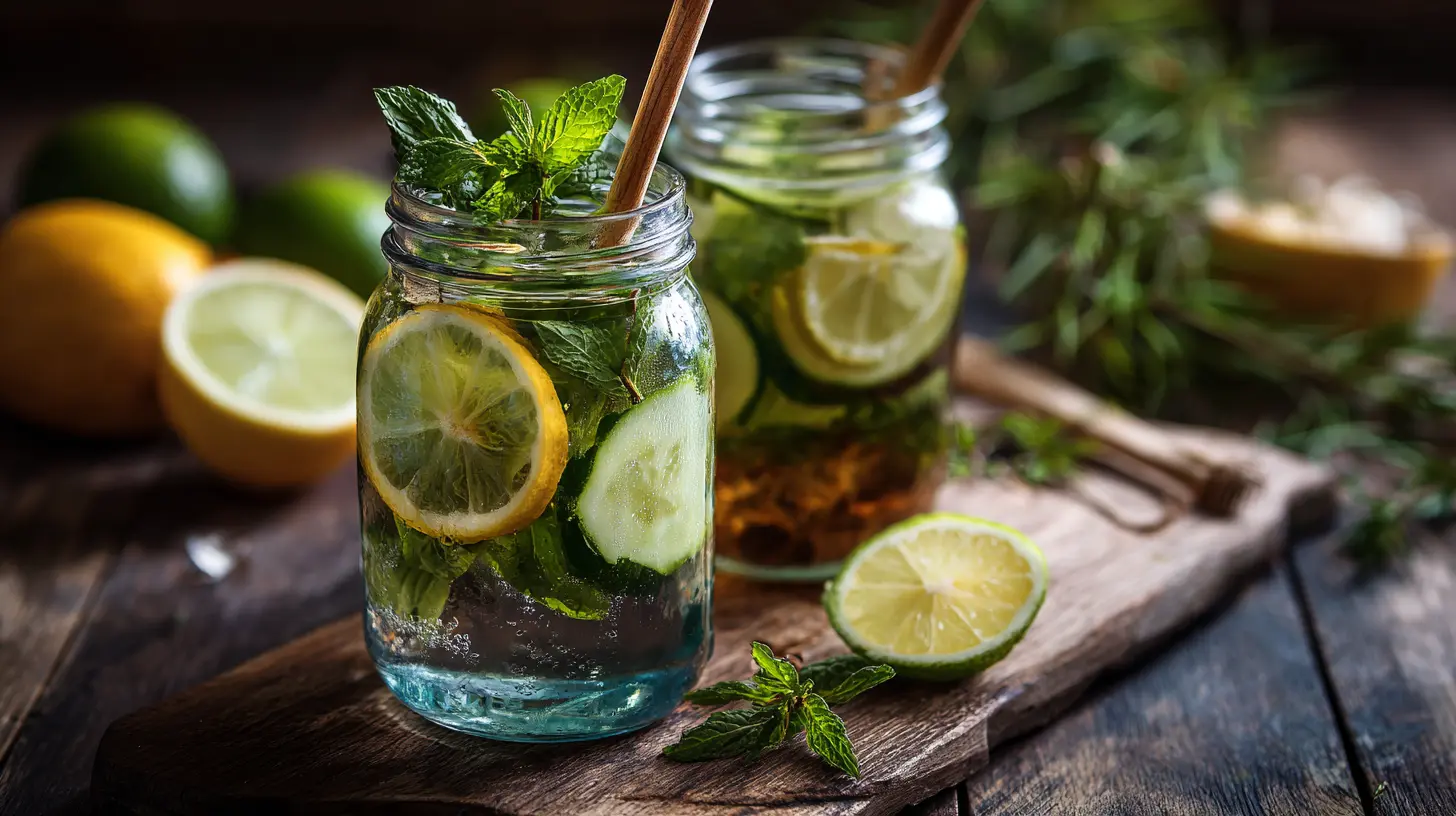
Postbiotic and Butyrate-Based Drinks for Gut Clearance
The gut microbiome has become the centerpiece of detoxification conversations, and for good reason. Your gut lining is a selective barrier. When it becomes compromised, a condition often called "leaky gut," larger undigested particles and bacterial byproducts can enter the bloodstream, triggering systemic inflammation. This is where the concept of detox becomes real, not mystical.The 2027 trend in this space is not probiotics. Probiotics are living organisms that need to survive stomach acid, which many do not. Instead, the focus has shifted to postbiotics, specifically butyrate. Butyrate is a short-chain fatty acid produced when gut bacteria ferment fiber. It is the primary energy source for colonocytes, the cells lining your colon. It also strengthens the gut barrier and reduces inflammation.
You can now find detox drinks that deliver butyrate directly, often in the form of tributyrin, which is more stable and better absorbed than free butyrate. The advantage is that you do not need to rely on having the right bacteria in your gut. You are giving your colon the fuel it needs directly.
However, there is a downside. Butyrate can cause gastrointestinal discomfort, including bloating and cramping, especially if you start with a high dose. The best practice is to start with a small amount, such as 300 milligrams, and increase gradually over a week. Also, butyrate is not a standalone solution. It works best when combined with prebiotic fiber, which feeds the beneficial bacteria that produce butyrate naturally. Some 2027 drinks combine tributyrin with inulin or acacia fiber. This combination is more effective, but it also increases gas production. If you are prone to irritable bowel syndrome, start with a half serving.
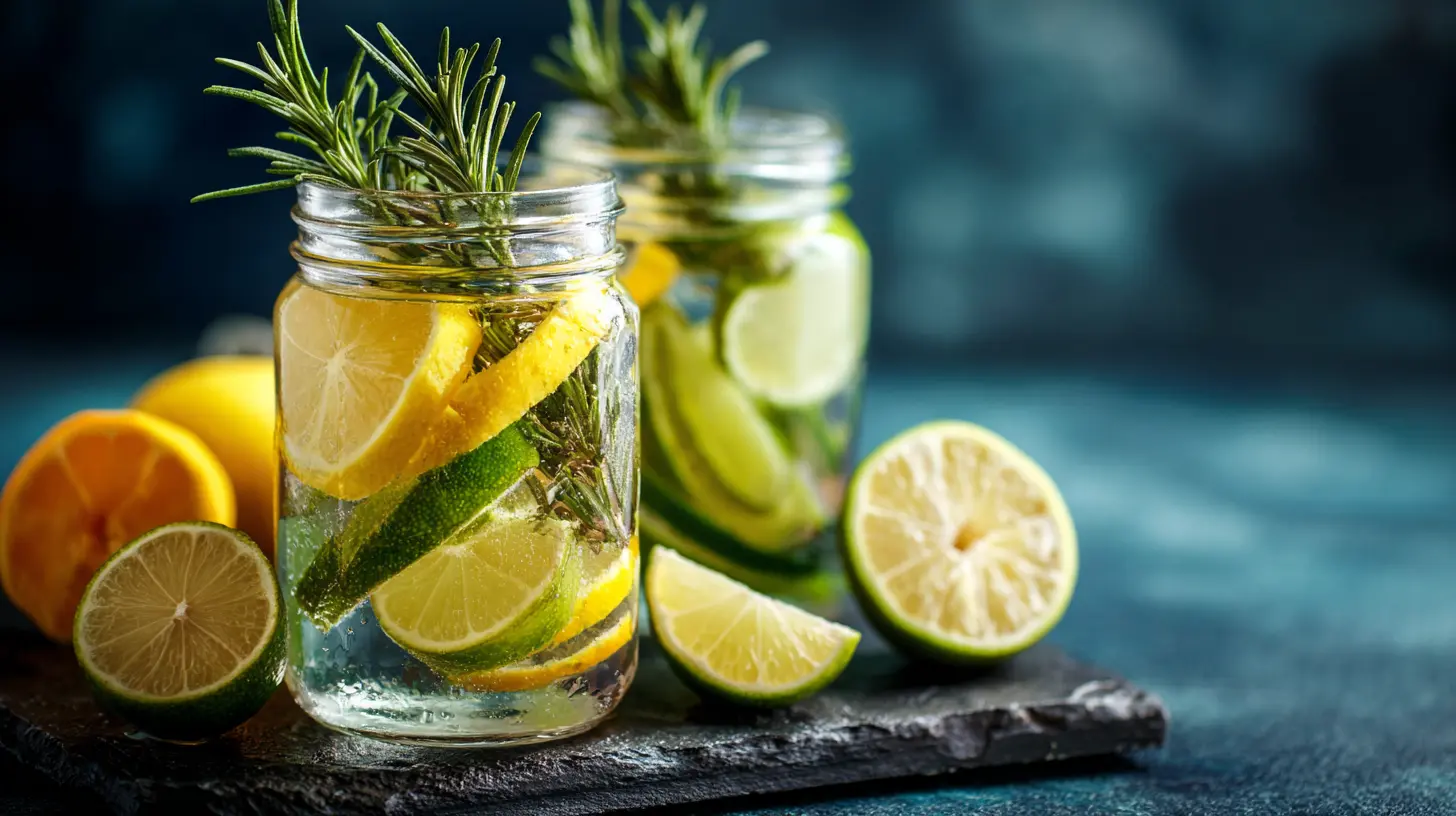
Nitrate-Rich Beet and Pomegranate Blends for Blood Flow
Detoxification is not just about the liver and gut; it is also about circulation. Your blood carries waste products to the kidneys for excretion. If your blood vessels are stiff or your blood flow is sluggish, the clearance process slows down. This is where beet juice and pomegranate have carved out a legitimate niche.Beets are rich in dietary nitrates, which your body converts to nitric oxide. Nitric oxide relaxes blood vessels, improves blood flow, and lowers blood pressure. Pomegranate contains polyphenols that inhibit the breakdown of nitric oxide, so combining the two extends the effect. In 2027, you will see many "circulatory detox" drinks that pair beet concentrate with pomegranate juice and a bit of ginger for taste.
The clinical evidence here is fairly strong for blood pressure reduction and improved exercise performance. The problem is that beet juice tastes like dirt to many people. To mask it, brands add apple juice or honey, which defeats the purpose. A better approach is to buy unsweetened beet powder and mix it yourself with water and a squeeze of lemon.
Another critical issue is the oxalate content in beets. If you are prone to kidney stones, specifically calcium oxalate stones, regular consumption of concentrated beet products can increase your risk. This is a case where a detox drink can actually harm a specific population. If you have a history of kidney stones, avoid this trend or consult a nephrologist first.
The Rise of Hydrogen-Rich Water: A Quiet Controversy
Hydrogen-rich water, also known as hydrogen water, has been around for a decade, but it is finally gaining mainstream traction in the detox space. Molecular hydrogen is a selective antioxidant. It neutralizes hydroxyl radicals, which are the most damaging reactive oxygen species, while leaving beneficial signaling molecules alone. It also activates the Nrf2 pathway, which upregulates your body's own antioxidant and detoxification enzymes.The appeal is obvious: no calories, no herbs, no sugar. It is just water infused with dissolved hydrogen gas. The challenge is that hydrogen is volatile. It escapes quickly from an open container. Therefore, you need to drink it immediately after opening, or use a machine that generates hydrogen on demand.
The evidence base is growing but mixed. Some small human studies show reduced markers of oxidative stress and improved exercise recovery. Others show no significant effect. This is a case where individual response varies widely. Some people report feeling more energetic and clearer-headed. Others notice nothing.
The practical advice for 2027 is to treat hydrogen water as a tool for specific situations, not as a daily necessity. It is most useful after intense exercise, after alcohol consumption, or during periods of high stress. It is not a substitute for a balanced diet. The cost is also a factor. Hydrogen water machines can run from 500 to over 2000 dollars. If you are on a budget, you are better off spending that money on high-quality vegetables, which provide a broad spectrum of antioxidants that hydrogen water cannot replicate.
Glutathione and Liposomal Delivery: The Bioavailability Problem
Glutathione is often called the master antioxidant. It is produced inside every cell and is crucial for neutralizing toxins, recycling other antioxidants, and supporting immune function. Low glutathione levels are associated with chronic disease, aging, and poor detoxification capacity.For years, oral glutathione supplements were considered useless because stomach acid and digestive enzymes would degrade the molecule before it could be absorbed. That view has changed with liposomal delivery technology. Liposomes are tiny fat bubbles that protect the glutathione from degradation and allow it to be absorbed more efficiently in the intestines.
By 2027, liposomal glutathione drinks have become a premium detox trend. They are not cheap. A single serving can cost five to ten dollars. The question is whether they are worth it. Some research suggests that liposomal glutathione can raise blood glutathione levels significantly, but the clinical benefits are still under investigation. It seems to help with fatigue, liver enzyme levels in people with non-alcoholic fatty liver disease, and immune function.
The common mistake is taking glutathione without supporting its production. Your body needs vitamin C, selenium, and alpha-lipoic acid to recycle glutathione. A better approach is to take a drink that contains liposomal glutathione plus these cofactors. Also, timing matters. Glutathione levels naturally dip in the evening. Taking it before bed may support overnight repair. Taking it in the morning may interfere with your body's natural circadian antioxidant rhythm.
The Anti-Sugar Backlash and the "Zero-Anything" Rule
The most significant trend in 2027 is not a new ingredient but a new standard: zero added sugar, zero artificial sweeteners, zero natural sweeteners with a high glycemic index, and zero stealth carbohydrates. The detox drink market has been plagued by products that taste like candy because they are basically candy.Monk fruit and stevia have become the default sweeteners because they have zero calories and do not spike blood sugar. However, not all stevia is the same. Some brands use stevia extracts that have a bitter aftertaste, which they mask with erythritol. Erythritol, a sugar alcohol, has been linked in some observational studies to cardiovascular issues when consumed in high amounts. The evidence is not conclusive, but it is enough to make cautious consumers avoid it.
In 2027, the cleanest detox drinks use whole fruit purees in very small amounts, such as a few grams of lemon juice or acerola cherry powder for vitamin C, and rely on flavorings like ginger, mint, and cinnamon to provide taste without sweetness. This is a hard sell to consumers who expect a pleasant flavor. But the best practice is to retrain your palate. A detox drink should not taste like juice. If it does, it is probably not doing what it claims.
Water Fasting Alternatives: The Collagen and Amino Acid Hybrid
Prolonged water fasting has long been considered the ultimate detox, but it is dangerous for many people, especially those with blood sugar regulation issues or low muscle mass. The 2027 alternative is a "fasting-mimicking" drink that provides essential amino acids and collagen peptides while keeping caloric intake very low, typically under 100 calories per serving.The logic is that collagen and glycine support gut lining repair and provide the building blocks for glutathione synthesis. Amino acids like leucine prevent muscle breakdown during a period of reduced food intake. This allows you to get some of the benefits of fasting, such as autophagy and improved insulin sensitivity, without the risks of complete starvation.
The effectiveness of this approach depends heavily on the quality of the amino acid profile. Many products on the market are just collagen peptides, which are incomplete proteins and lack tryptophan and methionine. A proper fasting-mimicking drink should include a complete amino acid blend or a combination of collagen with free-form essential amino acids.
The trade-off is that this drink is not a meal. It is a bridge. It should only be used for one to three days at a time, and not by pregnant women or anyone with a history of eating disorders. It is also not a long-term strategy. Your body needs whole food proteins and fats for sustained health.
Common Myths That Refuse to Die
Despite the progress in formulation and science, several myths continue to plague the detox drink space. The first is that sweating out toxins is a primary detox pathway. Your sweat is mostly water and electrolytes. The amount of heavy metals or environmental chemicals excreted through sweat is minuscule compared to what your liver and kidneys process. Saunas are great for relaxation and circulation, but they are not a detox tool.The second myth is that a detox drink can compensate for alcohol consumption. Some products claim to protect the liver from alcohol damage. While NAC and milk thistle can reduce oxidative stress, they do not prevent the direct toxic effects of acetaldehyde, the primary metabolite of alcohol. The only effective detox for alcohol is time, and the only safe amount of alcohol for a detox protocol is zero.
The third myth is that darker or stronger-tasting drinks are more effective. Activated charcoal, for example, is a popular addition to detox drinks. It does bind to certain toxins in the gut, but it also binds to medications and nutrients. If you take a charcoal drink within two hours of your medication or your multivitamin, you will reduce their absorption. Charcoal is useful for acute poisoning, but it has no role in daily detoxification.
How to Choose a Detox Drink in 2027: A Decision Framework
Given the crowded market, you need a clear framework for evaluating products. Start with the ingredient list. If the first ingredient is water and the second is a fruit juice concentrate, it is not a detox drink. Look for specific active ingredients with doses. If a product says "detox blend" without listing the amounts of each herb, put it back.Next, consider the delivery format. A powder that you mix yourself is almost always more cost-effective than a ready-to-drink bottle. The downside is convenience. If you are traveling or need a quick option, ready-to-drink is fine, but you will pay a premium and often get a higher sugar content.
Check for third-party testing. The supplement industry is not strictly regulated. Products that have been tested by independent organizations like NSF International or Informed Sport are more likely to contain what they claim. This is especially important if you are an athlete or have a medical condition.
Finally, think about your specific goal. Are you trying to support your liver after a period of heavy drinking? A liposomal glutathione or NAC-based drink might help. Are you dealing with bloating and poor digestion? A butyrate and fiber drink is more targeted. Are you training hard and feeling inflamed? A beet and pomegranate blend for circulation, or an adaptogenic electrolyte drink, makes more sense.
The Bottom Line: Detox Is a Process, Not a Product
The most honest answer to the question "what is the best detox drink in 2027" is this: the best one is the one you can sustain, that does not contain sugar, and that addresses a specific physiological need. There is no magic beverage that will undo the effects of a poor diet, chronic sleep deprivation, or excessive alcohol consumption. The body detoxifies itself constantly. Your job is to provide the raw materials and remove the obstacles.The trends of 2027 reflect a deeper understanding of this principle. They are moving away from fear-based marketing and toward functional nutrition. They are acknowledging that the liver, gut, and kidneys are sophisticated systems that need support, not punishment. They are also becoming more honest about the limits of what a drink can do.
If you want to try one of these trends, choose a single product and run a two-week trial. Keep a journal of your energy, digestion, skin, and sleep. Do not change anything else in your routine. If you notice a clear improvement, continue. If not, do not force it. The best detox protocol is the one that includes adequate water, whole foods, regular movement, and good sleep. Everything else is optional.
all images in this post were generated using AI tools
Category:
Detox DrinksAuthor:

Sophia Wyatt
Discussion
rate this article
1 comments
Carson Harper
Exciting detox drink trends await in 2027! Can't wait to refresh and revitalize with these tasty and health-boosting options... Cheers!
September 11, 2026 at 3:06 AM
Sophia Wyatt
Glad to hear your enthusiasm! 2027 is shaping up to be a refreshing year for detox drinks. Cheers to new flavors and health benefits!