Common Myths About Bowel Movements and Digestion
26 May 2026
When it comes to digestion and bowel movements, there's a ton of misinformation floating around. Some of these myths have been passed down for generations, while others have been fueled by misleading health trends. If you've ever wondered whether you should be pooping daily, if coffee is really a laxative, or if chewing gum stays in your stomach for years, you're not alone.
In this article, we’ll break down some of the most common myths about digestion and bowel movements so you can stop stressing over bathroom habits and focus on what really matters—your overall gut health. 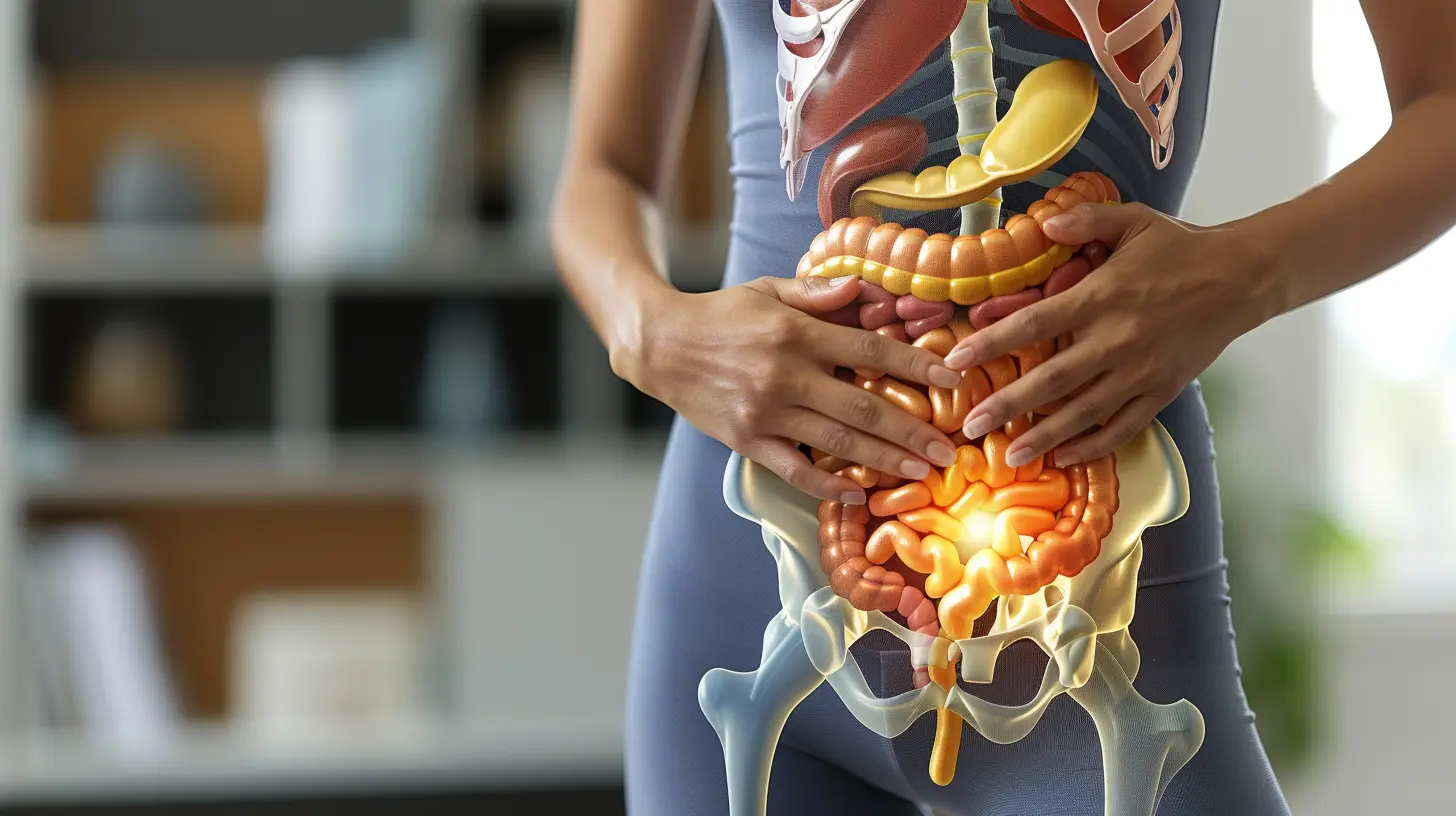
Myth #1: You Should Have a Bowel Movement Every Day
One of the most common misconceptions is that you must have a bowel movement every single day to be healthy. But let’s be real—everyone’s digestive system works at its own pace.The Truth: Normal Bowel Movements Vary
There’s no one-size-fits-all when it comes to bathroom habits. For some, going three times a day is normal; for others, three times a week is completely fine. What really matters is consistency and ease. If you’re not straining and your stool is soft and easy to pass, you’re on the right track.However, if you notice sudden changes—like constipation or diarrhea lasting more than a few days—it could be a sign that something else is going on, and checking in with a doctor wouldn’t be a bad idea. 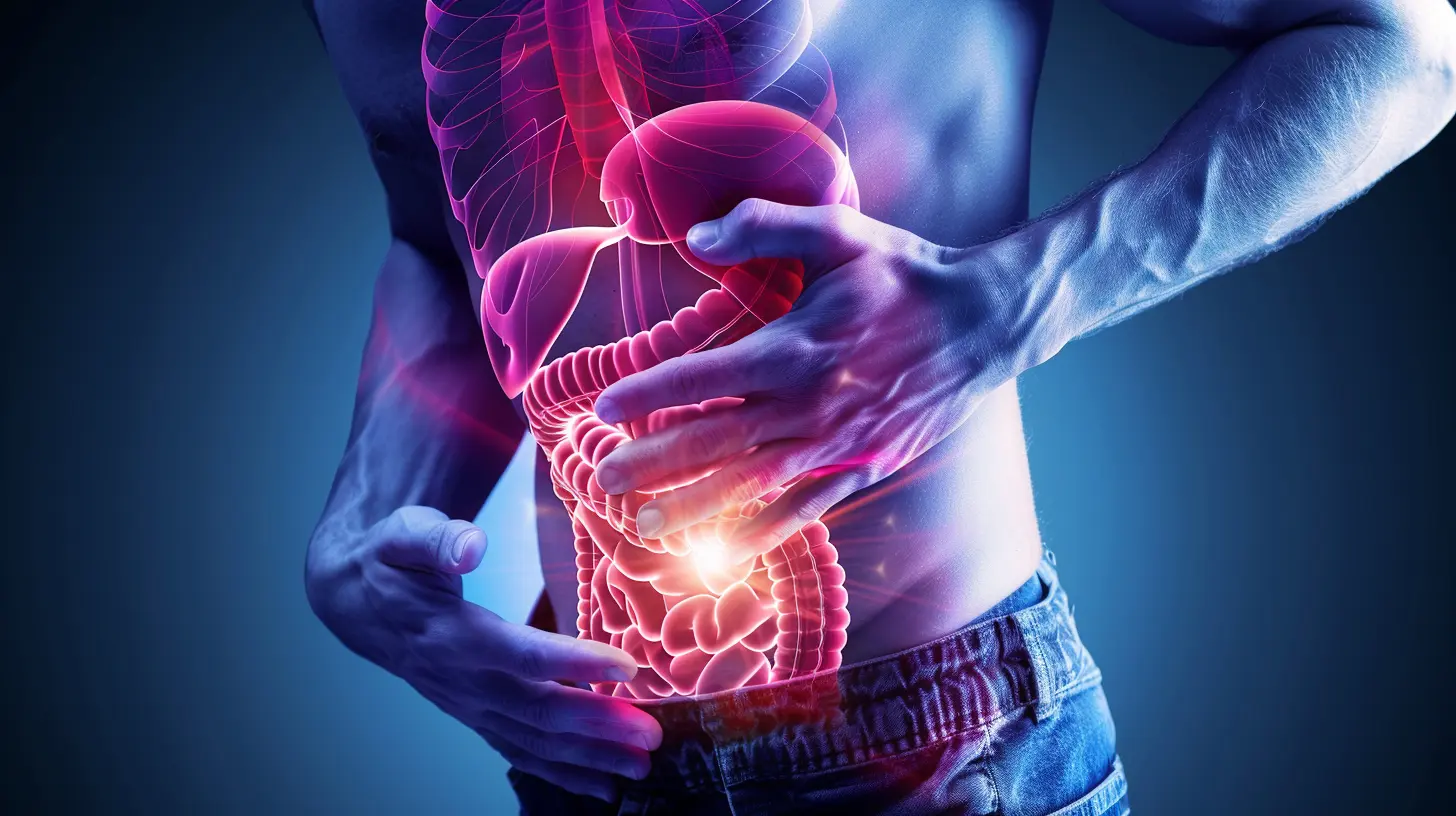
Myth #2: Holding in Your Poop Will Poison You
We’ve all been there—stuck in a long meeting, on an awkward date, or in a bathroom with no privacy. Sometimes, you just can’t go when you want to. But does holding it in actually poison your body?The Truth: It Won’t Kill You (But It’s Not Ideal)
Your body is pretty adaptable. Holding in a bowel movement every now and then won’t flood your system with toxins. However, if you make it a habit, it can lead to discomfort, bloating, and even constipation.If you consistently ignore your body’s signals, it can actually make it harder for your body to recognize when it’s time to go. Over time, this could increase your risk of issues like hemorrhoids or even fecal impaction (which, let’s be honest, is as unpleasant as it sounds).
Moral of the story? When nature calls, try to answer—within reason, of course. 
Myth #3: Chewing Gum Stays in Your Stomach for Seven Years
This is one of those childhood myths that never seems to go away. Parents everywhere have warned their kids against swallowing gum, claiming it will sit in their stomach for years. But is there any truth to this cautionary tale?The Truth: Gum Passes Through Like Everything Else
While it’s true that your stomach can’t fully digest gum, that doesn’t mean it just hangs out there for years. Your digestive system is a well-oiled machine. Like other indigestible foods (think corn kernels or seeds), gum moves through your system and eventually exits—usually within a few days.However, swallowing a ton of gum in a short period could potentially cause a blockage, especially in young kids. So while the occasional swallowed piece won’t harm you, it’s still best to spit it out. 
Myth #4: Coffee Is a Laxative
If you’ve ever rushed to the bathroom after your morning cup of joe, you might be convinced that coffee is a natural laxative. But does it truly have this effect, or is it all in your head?The Truth: It Can Stimulate Your Bowels, But It’s Not a Laxative
Coffee does have a stimulating effect on the digestive system, partly due to caffeine and partly due to compounds that encourage movement in the colon. But it doesn’t work the same for everyone. Some people get the urge to go almost immediately after drinking coffee, while others don’t feel any effect at all.This doesn’t mean coffee should be used as a fix for constipation. If you rely on it too much, your body might become dependent on that stimulation rather than functioning naturally.
Myth #5: Spicy Foods Cause Ulcers
Ever heard that eating too much spicy food will burn a hole in your stomach? This myth has been around for ages, but the real cause of ulcers has nothing to do with your love of hot sauce.The Truth: Ulcers Are Usually Caused by Bacteria or Medication
Most stomach ulcers are caused by an infection from Helicobacter pylori (H. pylori) bacteria or long-term use of NSAIDs (like ibuprofen or aspirin). While spicy foods can irritate an existing ulcer, they don’t create them in the first place.So go ahead and enjoy that extra hot salsa—just be mindful if you already have digestive sensitivities.
Myth #6: Cleansing Diets Detox Your Digestive System
Juice cleanses and detox teas have become wildly popular, with many claiming they flush out toxins and reset your digestive system. But do these trendy cleanses actually do anything special?The Truth: Your Body Detoxes Itself
Your liver and kidneys already do an incredible job of filtering and eliminating waste. Your digestive system also plays a vital role in keeping things moving. You don’t need expensive detox products or extreme juice diets to keep your gut in check.In fact, many so-called "detox" diets can do more harm than good, leading to nutrient deficiencies, dehydration, or even digestive issues. Instead of falling for the hype, focus on eating a balanced diet rich in fiber, staying hydrated, and nourishing your gut with probiotics.
Myth #7: The More Fiber, the Better
Fiber is essential for good digestion, but can you have too much of a good thing? Absolutely.The Truth: Excess Fiber Can Lead to Bloating and Discomfort
While fiber helps regulate bowel movements and supports gut health, excessive amounts—especially too quickly—can lead to bloating, gas, and even constipation.Balance is key. Start slow if you're increasing your fiber intake and drink plenty of water to help it move smoothly through your system.
Myth #8: Fatty Foods Always Slow Digestion
Many people believe that fatty foods bog down digestion, causing sluggishness and bloating. But it’s not that simple.The Truth: Healthy Fats Actually Aid Digestion
While heavy, greasy meals can slow things down and cause discomfort, healthy fats—like those found in avocados, nuts, and olive oil—actually support digestion. They help with the absorption of fat-soluble vitamins and keep everything running smoothly.Avoiding all fats isn’t the answer; instead, focus on choosing nutrient-dense, healthy options for better gut health.
Myth #9: Drinking Water During Meals Dilutes Digestive Juices
Some people avoid drinking water with their meals because they believe it dilutes stomach acid and slows digestion. But is there any science behind this claim?The Truth: Water Helps, Not Hurts, Digestion
Drinking water during meals doesn’t interfere with digestion. In fact, it can help break down food and make it easier for your body to absorb nutrients.Unless you’re chugging gallons of water in one sitting, there’s no need to worry about your digestive enzymes being diluted. Staying hydrated actually supports healthy digestion, so go ahead and sip away!
The Bottom Line
Bowel movements and digestion are surrounded by myths and misinformation, but understanding the facts can help you make better health decisions. Everyone’s digestive system is unique, and what’s "normal" varies from person to person.Rather than stressing over outdated myths, focus on maintaining a fiber-rich diet, drinking enough water, and listening to your body. Good digestive health isn’t about following arbitrary rules—it’s about balance and consistency.
So, the next time you hear one of these myths, you’ll know the real deal—and maybe even set the record straight!
all images in this post were generated using AI tools
Category:
Bowel HealthAuthor:

Sophia Wyatt
Discussion
rate this article
1 comments
Kirk Miller
Myth-busting boosts digestion awareness and health.
May 30, 2026 at 2:41 PM
Sophia Wyatt
Absolutely, understanding the myths can really help improve digestion and overall health. It's all about spreading accurate information.