Colon Health: The Importance of Routine Screenings
18 December 2025
Introduction
We don’t often think about our colon, but it plays a crucial role in our overall health. It’s responsible for absorbing water and nutrients while eliminating waste. But here's the thing—colon issues, including colorectal cancer, often develop silently. By the time symptoms appear, the condition may already be serious.
That’s why routine colon screenings are so important. They can catch problems early, sometimes before they even become a major concern. So, if you’ve been postponing your screening, keep reading. We’re diving into why regular colon check-ups should be a priority. 
Why Colon Health Matters
Your colon (also known as the large intestine) is a powerhouse. It’s the digestive system’s last stop, absorbing vital nutrients and getting rid of what your body doesn’t need. When it's not functioning properly, it can lead to digestive discomfort, bloating, constipation, or worse—serious diseases like colorectal cancer.Colorectal cancer is the third most common cancer worldwide, yet it's highly preventable. How? Through early detection and lifestyle changes. Routine screenings save lives by spotting abnormal growths, called polyps, before they turn cancerous. 
The Silent Threat: Colon Diseases Develop Without Symptoms
One of the most dangerous things about colorectal conditions is that they often don’t present symptoms in the early stages. By the time you notice signs like blood in the stool, persistent abdominal pain, or sudden weight loss, the disease may have already progressed.This is why proactive screening is essential. Instead of waiting for symptoms, regular check-ups allow doctors to detect issues before they become life-threatening. 
Understanding Colon Screenings
So, what exactly happens during a colon screening? There are several types, but the most common is a colonoscopy. Here’s how it works:- A doctor uses a thin, flexible tube with a tiny camera to examine your colon.
- If they spot polyps (small abnormal growths), they can remove them during the procedure.
- The entire process takes about 30–60 minutes, and you’re sedated for comfort.
Other screening methods include:
- Fecal Occult Blood Test (FOBT) – Detects hidden blood in the stool.
- Stool DNA Test – Looks for genetic markers linked to colorectal cancer.
- Flexible Sigmoidoscopy – Similar to a colonoscopy but examines only the lower part of the colon.
While these alternatives exist, a colonoscopy remains the gold standard for detecting and preventing colon cancer. 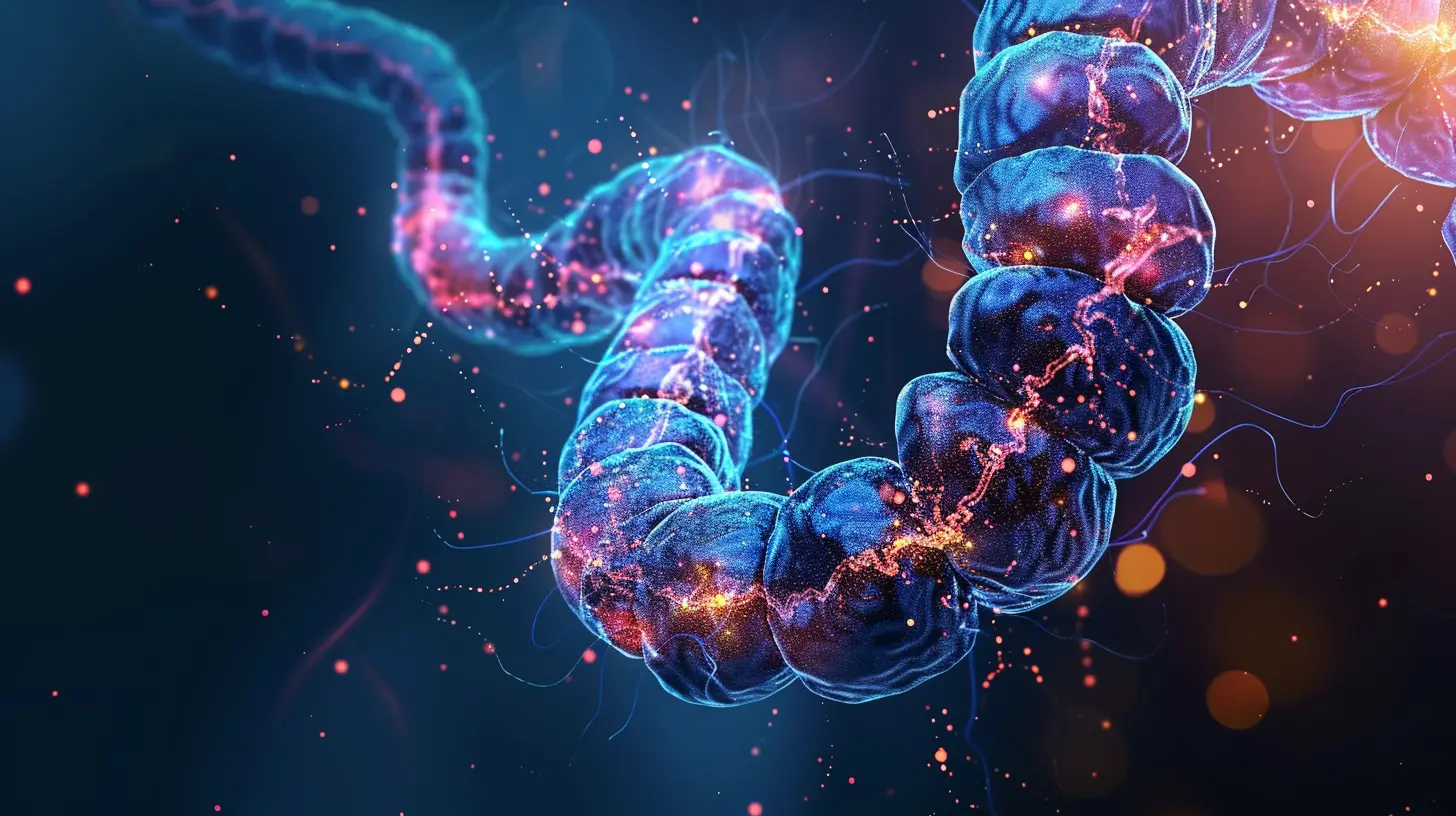
When Should You Start Screening?
The American Cancer Society recommends that adults at average risk start screening at age 45. However, if you have any of the following risk factors, you may need to start earlier:- Family history of colon cancer or polyps
- Personal history of inflammatory bowel disease (IBD)
- Lifestyle factors such as a low-fiber diet, smoking, or heavy alcohol use
If you’re unsure when to begin, consult your doctor. They’ll assess your risk factors and recommend a screening schedule tailored to you.
The Role of Diet in Colon Health
While screenings are key, prevention starts with a healthy lifestyle. Your diet plays a massive role in maintaining colon health. Here’s what to focus on:Foods That Support Colon Health
✔ Fiber-rich foods – Whole grains, fruits, vegetables, and legumes support digestion and help waste move efficiently.✔ Probiotics – Found in yogurt, kefir, and fermented foods, they feed good gut bacteria.
✔ Lean proteins – Fish, poultry, and plant-based proteins support a balanced diet.
✔ Hydration – Water helps keep your digestive system functioning properly.
Foods to Limit or Avoid
❌ Processed meats – Bacon, hot dogs, and deli meats have been linked to colorectal cancer.❌ Excess red meat – While okay in moderation, frequent consumption may increase cancer risk.
❌ Highly processed foods – Chips, sugary drinks, and fast food can contribute to inflammation.
Adopting a balanced diet not only benefits your colon but also boosts your overall well-being.
Lifestyle Choices That Support Colon Health
Beyond diet, lifestyle habits can influence your colon’s health. A few key choices can make a significant difference:1. Stay Active
Regular exercise keeps your digestive system moving smoothly and lowers the risk of colon cancer. Aim for at least 30 minutes of activity most days of the week.2. Quit Smoking and Limit Alcohol
Smoking has been linked to a higher risk of colorectal cancer, and excessive alcohol consumption can damage the colon over time. Cutting back (or quitting) can significantly improve your gut health.3. Manage Stress
Chronic stress can slow down digestion, leading to bloating and discomfort. Practice relaxation techniques such as meditation, yoga, or deep breathing exercises.4. Don’t Ignore Digestive Issues
Constant constipation, diarrhea, or unusual bloating? Your body might be trying to tell you something. Listen to these signs and consult a doctor if issues persist.The Psychological Barrier: Overcoming Fear of Screening
Let’s be honest—many people avoid colon screenings because of fear or discomfort. Maybe it’s the prep work, the idea of the procedure, or just general embarrassment.But here’s the reality: Colonoscopies are painless, and the short-term inconvenience is nothing compared to the potential risks of skipping them. Think of it like a routine oil change for your car—it keeps things running smoothly and prevents bigger problems down the road.
If fear is holding you back, talking to your doctor about what to expect can make a big difference.
The Bottom Line: Prioritize Your Colon Health
Routine colon screenings are one of the most effective ways to prevent colon-related diseases, especially colorectal cancer. When detected early, survival rates are significantly higher.Pair screenings with a fiber-rich diet, regular exercise, and a healthy lifestyle to keep your digestive system in top shape. If you’re overdue for a screening, don’t wait—schedule an appointment today. Your future self will thank you!
all images in this post were generated using AI tools
Category:
Bowel HealthAuthor:

Sophia Wyatt
Discussion
rate this article
2 comments
Sari Wyatt
Essential insights, thank you!
January 18, 2026 at 5:18 AM
Sophia Wyatt
Thank you for your feedback! I'm glad you found the insights valuable.
Astrid Pace
Routine screenings are vital for colon health. They can detect issues early, reducing the risk of serious diseases. Don't wait—schedule your screening today and prioritize your well-being!
December 22, 2025 at 5:35 AM
Sophia Wyatt
Thank you for emphasizing the importance of routine screenings! Early detection is key to maintaining colon health and preventing serious conditions. Your health matters—schedule that screening!