Calm Your Nerves: Meditation for Social Anxiety
18 January 2026
Ever walked into a room full of people and suddenly felt like all eyes were on you? Your palms start to sweat, your heart races, and your brain seems to hit a panic button. Yeah, that’s social anxiety creeping in—uninvited and unapologetic.
But what if I told you there’s a way to turn the volume down on all that mental noise? A tool that doesn’t require a prescription, isn’t wrapped in a pill bottle, and doesn’t involve avoiding social situations altogether? Let’s talk about meditation for social anxiety—it might just be the calm your nervous system has been begging for.
What Exactly Is Social Anxiety?
Social anxiety isn't just about being shy or introverted. It's when fear or anxiety about social situations becomes so overwhelming that it interferes with daily life. We’re talking about avoidant behaviors, constant worry about judgment, and that nagging voice inside your head saying, "What if I mess this up?"The truth is, social anxiety affects millions of people around the globe. And while therapy and medication can certainly help, meditation is becoming an increasingly popular (and super accessible) self-help strategy for managing those anxious feelings.
Why Meditation? Isn’t That Just Sitting Still?
Great question. It’s easy to think meditation is just sitting cross-legged on a yoga mat, eyes closed, trying not to fall asleep. But meditation is so much more than that.Think of it like going to the gym—but for your brain. Just as lifting weights strengthens your muscles, meditation strengthens your ability to focus, let go of negative thoughts, and stay calm under pressure.
Meditation doesn’t erase anxiety, but it helps you respond to it differently. Instead of spiraling when your brain shouts, “Everyone’s judging you!”, meditation helps you pause, breathe, and say, “Maybe... but who cares?”
How Meditation Helps Social Anxiety
Let’s break it down. Here’s how meditation works its magic:1. Reduces Overthinking
Social anxiety loves to feed on “what ifs.” What if I say something stupid? What if they think I’m weird? Meditation helps train your brain to observe thoughts without getting caught up in them. It’s like scrolling through social media—you can see what’s on your timeline without feeling the need to comment on every post.2. Boosts Self-Awareness
Knowing your triggers is half the battle. Meditation encourages a deeper awareness of your emotions and physical sensations. You'll get better at noticing when social anxiety is creeping in and steer yourself toward calm instead of chaos.3. Regulates Breathing and Heart Rate
Ever notice how your breath gets shallow and quick when you're anxious? Meditation helps you slow down your breathing, which in turn calms your nervous system. It’s like hitting the reset button on your body’s fight-or-flight response.4. Builds Emotional Resilience
Life is messy. People may judge, conversations may get awkward, and sometimes, you'll trip over your words. Meditation gives you the mental cushion to bounce back instead of breaking down.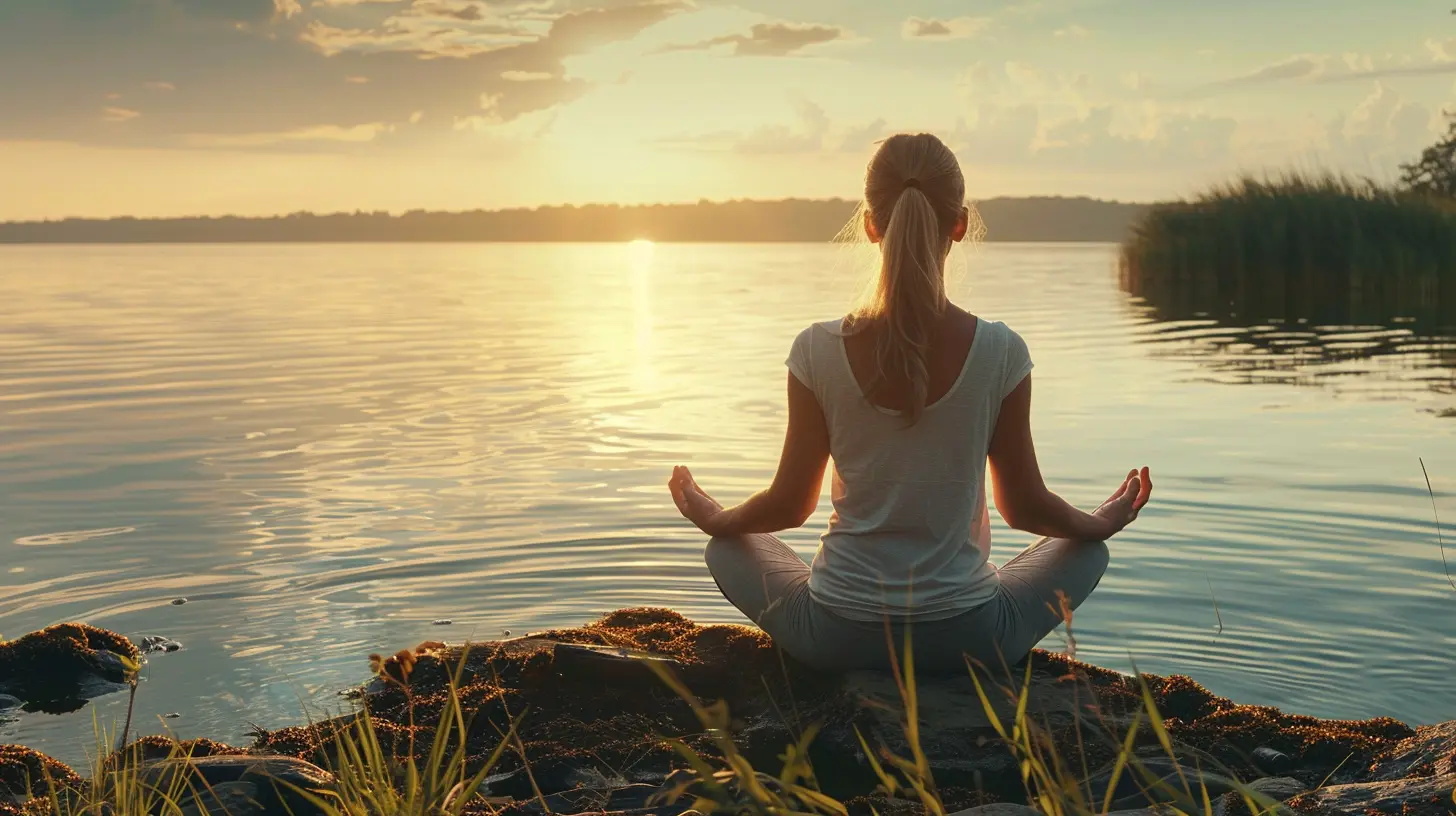
Meditation Techniques That Actually Work for Social Anxiety
Let’s roll up our sleeves and dive into some beginner-friendly meditation techniques. You don’t need incense, a monk’s robe, or a mountaintop retreat. Just a little time, space, and an open mind.1. Mindfulness Meditation
This is the bread and butter of anxiety relief. All you do is focus on the present moment—your breath, body sensations, or even sounds around you.How to do it:
- Sit or lie down comfortably
- Close your eyes and inhale deeply
- Bring your attention to your breath
- When your mind wanders (and it will), gently bring it back
Start with 5–10 minutes a day and work your way up.
2. Body Scan Meditation
Perfect if your anxiety shows up physically (tight chest, clenched jaw, tense shoulders). This method guides your awareness through your body, part by part.How to do it:
- Lie down and close your eyes
- Start at your toes and slowly work your way up
- Notice any sensations, tension, or discomfort
- Don’t judge—just observe
This helps you get out of your head and back into your body.
3. Loving-Kindness Meditation (Metta)
This one’s a game-changer for social anxiety, which often comes with self-criticism and fear of judgment.How to do it:
- Sit quietly and breathe deeply
- Silently repeat phrases like:
- “May I be happy”
- “May I be safe”
- “May I be calm and confident”
- Then extend those wishes to others—friends, strangers, even people who stress you out
Sounds cheesy? Maybe. But it rewires your brain to be more compassionate and less reactive.
4. Guided Meditations
Not ready to fly solo? No worries. Pop in your headphones and let a calm voice lead the way. There are tons of apps and YouTube channels with meditations specifically for social anxiety.Look for sessions labeled “calming anxiety,” “social confidence,” or “letting go of fear.”
Making Meditation a Habit (Without Losing Your Mind)
Building a meditation practice is like growing a plant—consistency is the key. Here’s how to make it stick:Create a Meditation Space
This doesn’t have to be an entire room—just a cozy corner with a cushion, blanket, or even a chair you love. Make it your little Zen zone.Set a Daily Time
Mornings are ideal (sets the tone for the day), but anything works. Even 5 minutes before a social event can help settle your nerves.Use Reminders
Set a phone alarm, put a sticky note on your mirror, or use habit-tracking apps. The goal is to make meditation a non-negotiable part of your wellness routine.Be Gentle with Yourself
Some days, your brain will be all over the place. That’s okay. Meditation isn’t about doing it perfectly—it’s about showing up.Real Talk: Does It Really Work?
Yep, and it’s backed by science. Studies show that regular meditation can lower cortisol (your stress hormone), shrink the brain’s fear center (amygdala), and enhance regions responsible for emotional regulation.But here’s the thing: it’s not a quick fix. You won’t be giving TED Talks tomorrow just because you meditated once today. Think of it more like brushing your mental teeth—small efforts daily lead to big changes over time.
Complementary Tools for Tackling Social Anxiety
Meditation is powerful, but it gets even juicier when paired with other tools:1. Journaling
Write out your fears before or after social situations. It’s like venting to a friend, except the journal never interrupts.2. Affirmations
“I am calm. I am confident. I am enough.” Sounds simple, but positive self-talk reshapes your inner dialogue.3. Therapy
Meditation is great, but professional guidance from a therapist can help unpack deeper issues.4. Exercise
Moving your body releases endorphins—your brain’s natural anti-anxiety chemicals. A walk, a dance session, or a quick stretch can make a world of difference.Closing Thoughts: You’re Not Alone
Look, social anxiety can feel isolating—but guess what? Millions of us are fighting similar battles. The good news? You’ve already taken a powerful step by reading this far.Meditation won’t make you a fearless extrovert overnight, but it will help you stay grounded when panic hits. It teaches you to breathe through the discomfort, to pause before reacting, and to remind yourself that you’re doing just fine—even if your voice shakes or your hands tremble.
Give yourself the space to grow slowly. Be patient, consistent, and kind to yourself. Let meditation become your secret weapon—not to eliminate anxiety, but to carry it with a little more grace.
FAQs About Meditation and Social Anxiety
How long should I meditate each day for anxiety relief?
Start with 5–10 minutes a day. As you get more comfortable, you can gradually increase to 20–30 minutes.Is meditation better than medication?
Not necessarily. Meditation is a complementary tool. Some people need therapy or medication too—and that’s totally okay.Can meditation make anxiety worse?
Sometimes, especially in the beginning. Sitting with your thoughts can feel intense. That’s why guided meditations or professional support can be helpful.Final Reminder
You don’t need to “fix” yourself to be worthy of connection. Meditation isn’t about becoming someone new—it’s about becoming more at peace with who you already are.So the next time your nerves start to buzz before a social event, take a deep breath, find a quiet moment, and remember: you’ve got tools now. Use them.
all images in this post were generated using AI tools
Category:
MeditationAuthor:

Sophia Wyatt
Discussion
rate this article
2 comments
Robert Porter
Meditation can be a powerful tool for managing social anxiety. By incorporating regular mindfulness practices, you can cultivate a sense of calm and confidence, helping to ease anxiety in social situations.
February 19, 2026 at 6:02 AM
Sophia Wyatt
Absolutely! Regular meditation can significantly boost confidence and calmness, making social interactions more manageable. Thank you for highlighting this!
Sarina Hunter
Meditation can be a powerful tool for managing social anxiety. It helps center your mind and reduces overwhelming feelings in social situations.
January 18, 2026 at 4:12 PM
Sophia Wyatt
Thank you for your insightful comment! Meditation indeed plays a crucial role in managing social anxiety by promoting mindfulness and emotional balance.