Building Resilience Through Daily Meditation Practices
1 March 2026
In a world that feels like it's spinning faster than ever, where demands, deadlines, and daily distractions never seem to end, building resilience has become more than just a nice-to-have—it's essential. But here's the good news: resilience isn’t something you’re born with or without. It’s a skill, and like any other skill, it can be nurtured and developed. One powerful way to do this? Daily meditation practices.
You’ve probably heard people rave about meditation—how it's helped them de-stress, find clarity, or even get a better night's sleep. But did you know that meditation is also a fantastic tool for building resilience, not just for life’s big challenges but for those small, everyday hurdles too? Let’s dive in and explore how this ancient practice can help you bounce back from adversity, stay calm amid chaos, and even thrive through the ups and downs of life. 
What Is Resilience, And Why Does It Matter?
Before we talk about the connection between meditation and resilience, let's get clear on what resilience actually means. Think of resilience as your inner rubber band—your ability to stretch and bend when life pulls you in unexpected directions, without snapping or breaking.Resilience isn’t about avoiding stress or pretending challenges don’t exist. It’s about facing difficulties head-on while maintaining your emotional equilibrium. It’s what helps you move forward after a setback, adapt to change, and see a silver lining when things get tough.
In today’s high-pressure world, resilience is like your secret weapon. It’s the difference between feeling crushed by challenges and learning to thrive despite them. And meditation? Well, it’s like hitting the "strengthen" button on your inner rubber band. 
Meditation and Resilience: The Science Behind the Magic
You might be wondering, "How does sitting quietly and focusing on my breath make me more resilient?" It almost sounds too simple, right? But don’t let the simplicity fool you—there’s some serious science behind it.When you meditate, you're training your brain to respond to stress differently. Studies have shown that regular meditation can actually rewire your brain (yes, really!) by increasing activity in the prefrontal cortex. This is the part of your brain responsible for decision-making, emotional regulation, and problem-solving—all things that come in handy when life gets tough.
Meditation also helps to lower the levels of cortisol, which is your body’s stress hormone. By calming your nervous system, you’re creating space for better decision-making and perspective, even in the face of adversity. Think of it as the mental equivalent of decluttering your room—once you’ve cleared away the chaos, it’s easier to focus on what really matters. 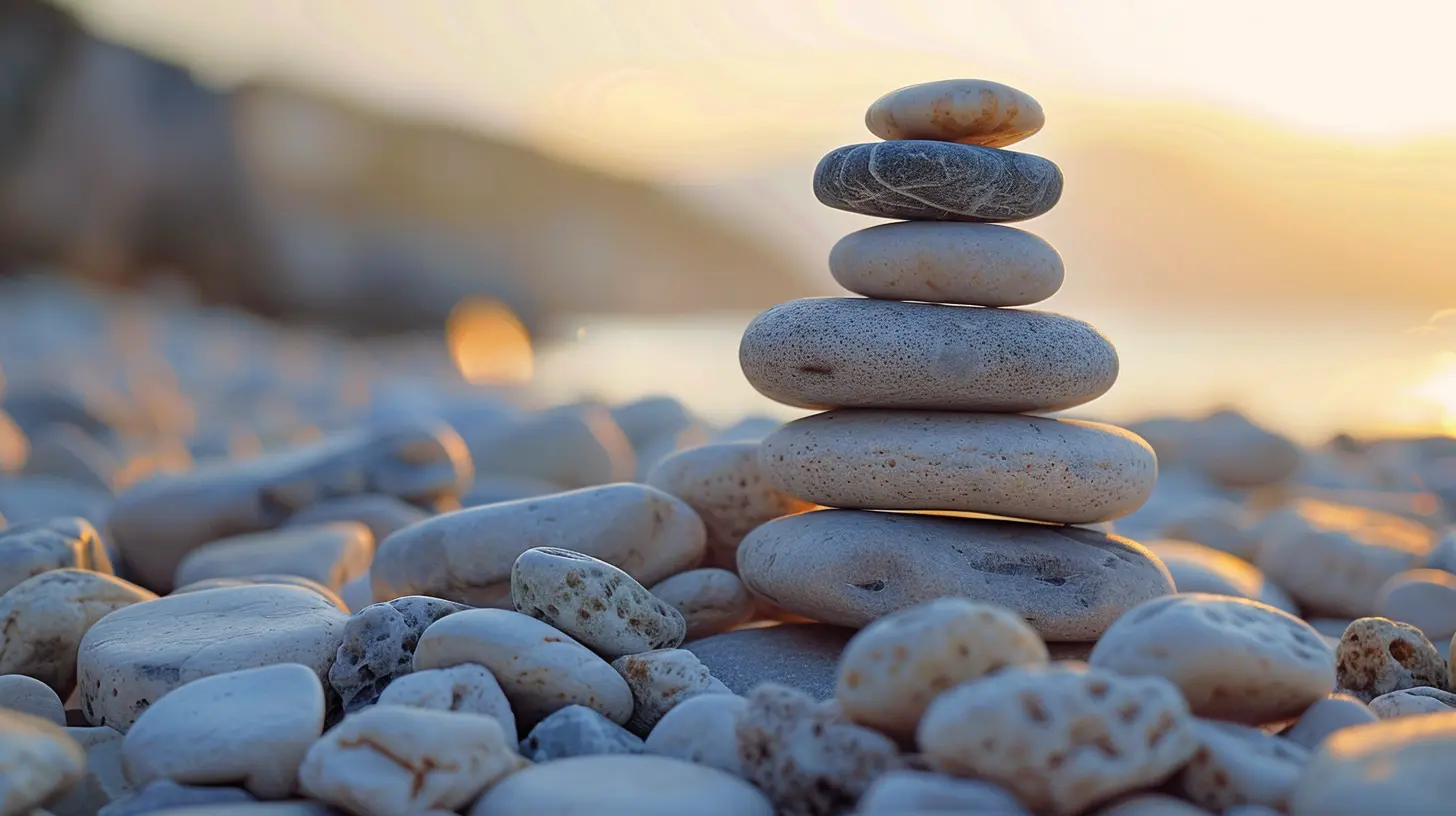
The Benefits of Daily Meditation for Resilience
1. Calmer Responses to Stress
Imagine this: You’re stuck in traffic, late for an important meeting. Your natural response might be to panic, yell, or feel your blood pressure skyrocket. But meditation helps you build a mental pause button. Instead of reacting out of stress, you can respond with calm and clarity.By meditating daily, you train your mind to stop and breathe before reacting. Over time, this practice rewires your brain to handle stress differently—making stress less overwhelming and more manageable.
2. Improved Emotional Regulation
Ever had one of those days where every little thing just sets you off? Meditation can help with that too. By enhancing your emotional awareness, it allows you to process your feelings without being consumed by them.Think of meditation as a "reset button" for your emotions. You’ll begin to recognize patterns in your reactions and find healthier ways to respond rather than letting frustration, anger, or sadness take over.
3. Stronger Focus and Clarity
One of the sneaky side effects of stress is how much it clouds your mind. You know that foggy, can’t-think-straight feeling? Meditation clears that right up.By practicing mindfulness meditation, you train your brain to focus on the present moment and tune out distractions. Not only does this help with decision-making, but it also gives you a sense of control that builds mental resilience over time.
4. Enhanced Self-Awareness
Self-awareness is the cornerstone of resilience. After all, how can you overcome challenges if you don’t fully understand how they’re affecting you?Meditation boosts self-awareness by encouraging you to sit with your thoughts and feelings. It’s like having a heart-to-heart with yourself every day. The more you understand yourself, the better equipped you’ll be to face life’s curveballs.
5. Increased Optimism and Gratitude
Meditation helps shift your mindset from scarcity to abundance. It teaches you to notice the good in your life, even when things seem tough.For example, practices like loving-kindness meditation encourage feelings of compassion, gratitude, and optimism. These positive emotions act as a buffer against stress, making you feel more hopeful and resilient in the face of challenges. 
How to Start a Daily Meditation Practice
Now that you know the incredible benefits, you might be thinking, "Okay, I’m sold. But how do I actually start?" Don’t worry—you don’t need a fancy cushion, incense sticks, or hours of free time to make meditation work for you. Here’s how you can get started:1. Start Small
If you’re new to meditation, you don’t need to dive in with hour-long sessions. Start with just 5 minutes a day. Trust me, even this small commitment can create noticeable changes over time.2. Pick a Time and Place
Consistency is key when building a new habit. Choose a specific time and place for your daily meditation practice—whether it’s first thing in the morning, during your lunch break, or right before bed.3. Use Guided Meditations
Unsure of what to do? No problem! There are tons of apps and free resources that offer guided meditations for beginners. Apps like Headspace, Calm, or Insight Timer are great places to start.4. Focus on Your Breath
Simply close your eyes and take slow, deep breaths. Focus on the sensation of the air entering and leaving your body. If your mind wanders (and it will!), gently bring it back to your breath.5. Be Patient with Yourself
Meditation is a practice, not a performance. Some days will feel easier than others, and that’s okay. The important thing is to show up consistently and embrace the process.Incorporating Resilience-Building Meditation Practices
If you want to go a step further, here are a few specific meditation techniques known for building resilience:1. Mindfulness Meditation
This practice focuses on staying present, observing your thoughts and feelings without judgment. It helps you develop clarity and acceptance, both of which are essential for resilience.2. Loving-Kindness Meditation
Also known as "Metta" meditation, this practice involves sending goodwill, kindness, and compassion to yourself and others. It’s an excellent way to cultivate positive emotions and reduce stress.3. Body Scan Meditation
This is perfect for tuning into your physical sensations and releasing tension. By increasing your body awareness, you can better manage stress and remain grounded in challenging situations.The Ripple Effect of Resilience
Here’s the thing: Resilience doesn’t just benefit you—it has a ripple effect on the people around you. When you remain calm and composed, you inspire others to do the same. Your resilience becomes contagious, and before you know it, you’re creating a more positive and balanced environment for everyone in your life.So, if you’ve been searching for a way to feel more grounded, bounce back from life’s challenges, and even thrive through the chaos, meditation might just be the missing piece of the puzzle. And the best part? All it takes is a few minutes of your day.
Conclusion
Building resilience through daily meditation practices isn’t just about surviving life’s challenges—it’s about thriving through them. By starting small, staying consistent, and embracing the process, you’ll be strengthening your mental and emotional muscles in no time.Life will always have its ups and downs, but with meditation in your toolkit, you’ll be ready to face whatever comes your way—calm, collected, and resilient. So why not give it a try? Your future self will thank you.
all images in this post were generated using AI tools
Category:
MeditationAuthor:

Sophia Wyatt
Discussion
rate this article
2 comments
Fallon Barlow
This article effectively highlights the transformative power of daily meditation in building resilience. By fostering mindfulness and emotional regulation, individuals can better navigate life's challenges. Integrating these practices into daily routines not only enhances mental well-being but also cultivates a deeper sense of self-awareness and inner strength, essential for long-term resilience.
March 15, 2026 at 5:52 PM
Sophia Wyatt
Thank you for your insightful comment! I'm glad you found the article emphasizes the importance of daily meditation in enhancing resilience and self-awareness.
Meredith Warner
Inner peace cultivates strength to face adversity.
March 1, 2026 at 4:43 AM
Sophia Wyatt
Absolutely! Inner peace indeed empowers us to tackle challenges with greater resilience and clarity.