Brain Exercises to Prevent Cognitive Decline
10 May 2026
As we age, our bodies aren’t the only things that need regular exercise—our brains need a workout too! Just like you hit the gym to keep your muscles strong, your brain also needs mental stimulation to stay sharp. Cognitive decline is a natural part of aging, but the good news is that certain brain exercises can help slow down this process and even improve memory, focus, and problem-solving skills.
So, if you want to keep your brain in top shape, let’s dive into some effective brain exercises to prevent cognitive decline.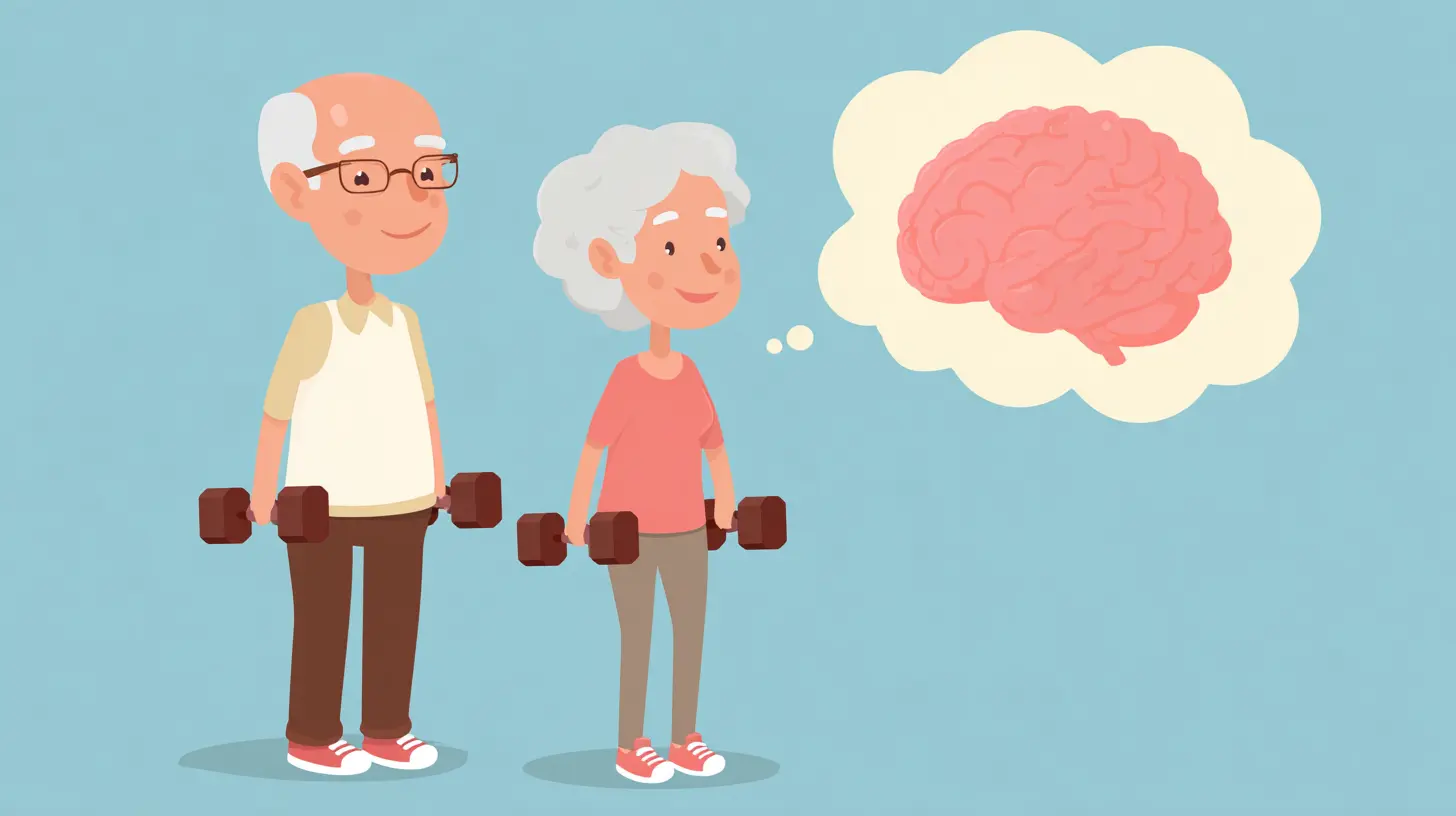
Why Is Cognitive Health Important?
Cognitive health refers to your ability to think, learn, and remember. As we grow older, brain functions naturally decline, affecting memory, reasoning, and decision-making. However, various factors, such as stress, lack of sleep, and a sedentary lifestyle, can speed up cognitive decline, increasing the risk of conditions like Alzheimer’s and dementia.But here’s the good news—your brain has an amazing ability known as neuroplasticity, meaning it can form new connections and even grow new neurons with the right stimuli! That means mental exercises can help maintain and even enhance cognitive function, no matter your age. 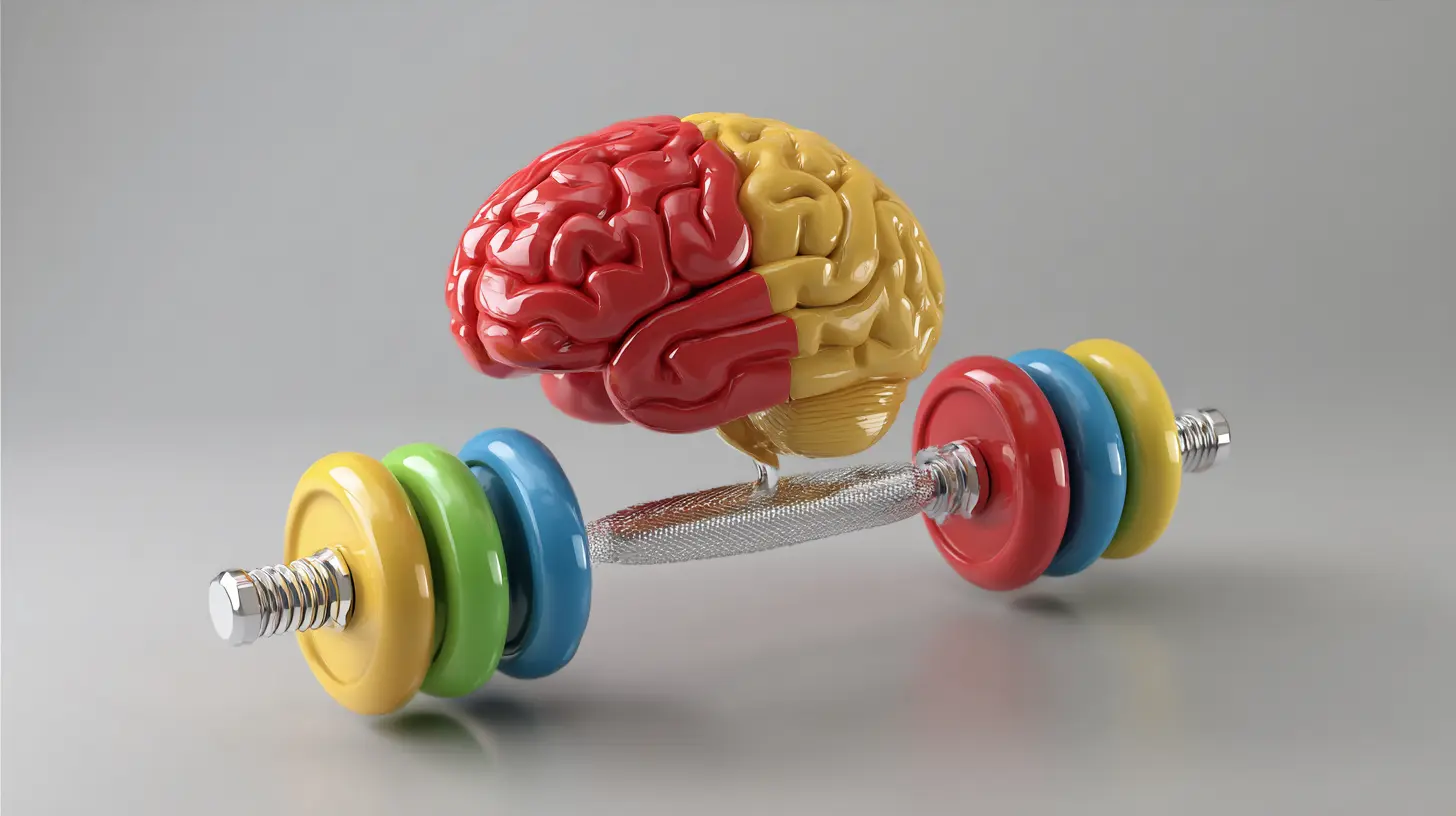
Best Brain Exercises to Prevent Cognitive Decline
Just like physical workouts target different muscle groups, brain exercises focus on different cognitive functions. Let’s explore some of the most effective ways to keep your brain active.1. Puzzles and Brain Games
Puzzles are like dumbbells for your brain—they engage problem-solving skills, enhance memory, and improve critical thinking. Some excellent types include:- Crossword puzzles – Great for boosting vocabulary and memory.
- Sudoku – Enhances logical thinking and problem-solving skills.
- Jigsaw puzzles – Strengthens visual-spatial reasoning.
- Chess or checkers – Encourages strategic thinking and planning ahead.
These games force your brain to work, keeping neural connections strong and improving cognitive flexibility.
2. Reading and Writing
Reading is a fantastic mental workout! It stimulates multiple brain functions, improves focus, and enhances comprehension skills. Whether it’s fiction, non-fiction, or even poetry, reading regularly keeps the brain engaged.Similarly, writing—whether journaling or creative writing—helps improve memory, articulation, and cognitive processing. Try keeping a daily journal or writing short stories to challenge yourself creatively.
3. Learning a New Skill or Language
Ever thought about picking up a new language or learning to play an instrument? Doing so can significantly boost cognitive abilities. Learning a new skill forces your brain to create and reinforce neural connections, improving overall mental agility.- Learning a new language strengthens memory, problem-solving, and multitasking abilities.
- Playing a musical instrument enhances coordination and auditory processing.
- Picking up a new hobby (painting, photography, coding) keeps your brain engaged and adaptable.
4. Physical Exercise for a Healthy Brain
Physical activity isn't just good for your body—it’s essential for your brain too! Exercise increases blood flow to the brain, reducing stress and boosting cognitive function. Activities such as:- Aerobic exercises (walking, jogging, swimming) promote oxygen flow to the brain.
- Yoga and meditation reduce stress and improve focus.
- Strength training supports memory and executive function.
Even simple activities like dancing or gardening can help enhance cognitive function by keeping both the body and brain active.
5. Socializing and Meaningful Conversations
Humans are social creatures, and engaging in meaningful conversations stimulates multiple brain areas, including those responsible for language, reasoning, and memory.- Join a book club, attend social gatherings, or simply chat with friends and family.
- Play social games like charades or card games.
- Engage in debates or discussions on topics that interest you.
Regular social interaction helps prevent isolation, which has been linked to cognitive decline.
6. Memory Training and Recall Exercises
Memory is like a muscle—the more you use it, the stronger it gets! Simple recall exercises can enhance memory retention and cognitive skills.Try these:
- Memorizing lists (a grocery list, a poem, or new vocabulary words).
- Playing memory-boosting games like concentration card matching.
- Using mnemonic devices, such as acronyms or visualization tricks, to remember information better.
7. Meditation and Mindfulness
Mindfulness and meditation are excellent ways to improve concentration and reduce cognitive decline. Studies show that meditation can increase gray matter density in the brain, which is crucial for memory and learning.Practicing mindfulness helps:
- Reduce stress and anxiety levels.
- Improve focus and attention span.
- Enhance self-awareness and emotional regulation.
Even just 10 minutes a day can make a noticeable difference in mental clarity!
8. Changing Daily Routines
Doing the same thing every day can make your brain lazy! Breaking routine forces your brain to adapt and form new connections. Some simple ways to challenge your mind include:- Taking a different route to work or home.
- Using your non-dominant hand for everyday tasks like brushing your teeth.
- Trying new cuisines and experimenting with unfamiliar flavors.
These small changes keep your brain flexible and engaged. 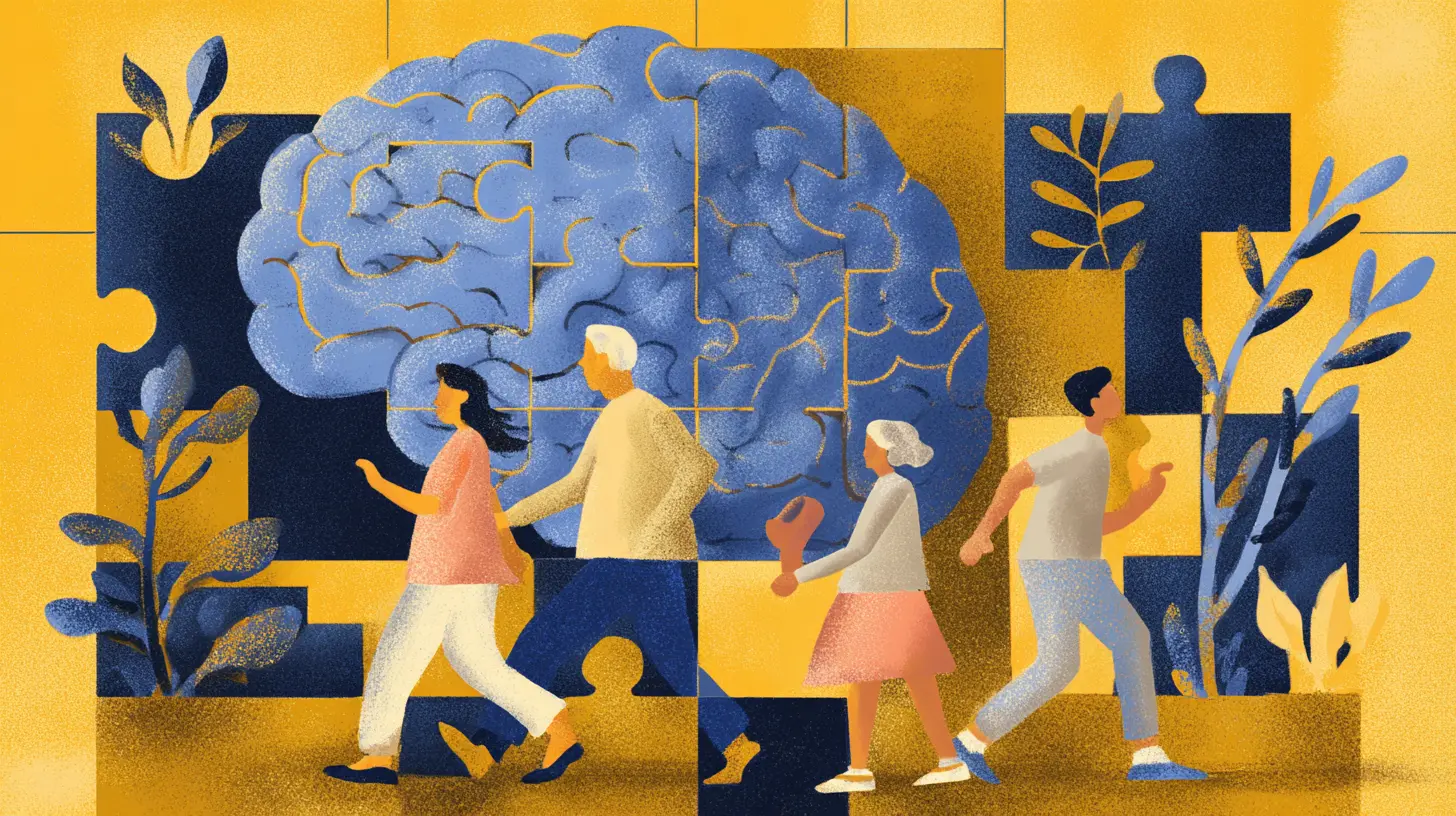
Additional Lifestyle Tips for Brain Health
Beyond exercises, maintaining a brain-healthy lifestyle also plays a crucial role in preventing cognitive decline.1. Eat Brain-Boosting Foods
Nutrition plays a massive role in brain health. Some top brain-boosting foods include:- Fatty fish (rich in omega-3 fatty acids)
- Berries (high in antioxidants)
- Walnuts and almonds (good for memory)
- Dark chocolate (boosts focus and mood)
- Leafy greens (rich in essential vitamins for brain function)
2. Get Quality Sleep
Sleep is when your brain processes and stores information. Lack of sleep leads to cognitive impairment, poor memory, and difficulty concentrating. Aim for 7-9 hours of quality sleep each night to support brain function.3. Manage Stress Levels
Chronic stress negatively impacts the brain, leading to memory problems and impaired cognitive function. Ways to manage stress effectively include:- Deep breathing exercises.
- Spending time in nature.
- Listening to music.
- Practicing gratitude and positive thinking.
4. Stay Hydrated
Did you know dehydration can impair cognitive function? The brain is about 75% water, so staying hydrated is crucial. Aim to drink enough water throughout the day to keep your mind sharp.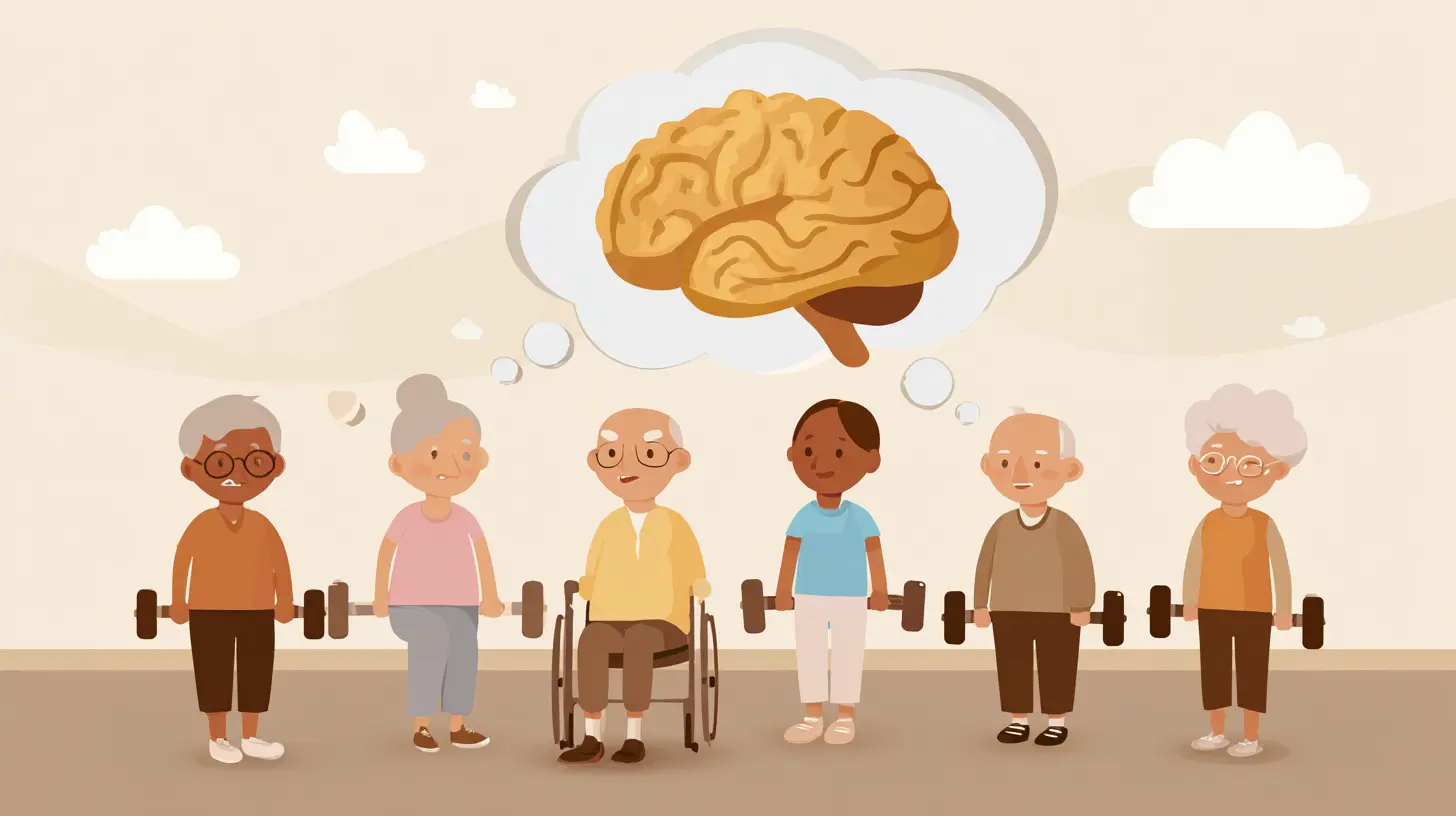
Final Thoughts
Your brain is one of the most important organs in your body, and just like your muscles, it needs regular exercise to stay strong and healthy. The best part? Brain exercises are fun, engaging, and can be easily incorporated into your daily routine.From puzzles and reading to socializing and meditation, there are countless ways to challenge your brain and prevent cognitive decline. Combine these mental workouts with a brain-healthy diet, regular physical activity, and proper sleep, and you'll be setting yourself up for a sharper, healthier mind for years to come!
So, why wait? Start giving your brain the workout it deserves today!
all images in this post were generated using AI tools
Category:
Healthy AgingAuthor:

Sophia Wyatt
Discussion
rate this article
2 comments
Marissa McIntire
Why not give your brain a workout like it's training for a triathlon? Dust off those crossword puzzles and Sudoku like they're your hidden superhero sidekicks. Who knew fighting cognitive decline could be as fun as a game night? Let's outsmart our brains, one puzzle at a time!
May 20, 2026 at 2:59 AM
Sophia Wyatt
Absolutely! Embracing those puzzles can turn brain workouts into a fun challenge. Let's make cognitive health a priority while having a great time.
Wolf Mathews
If only solving crossword puzzles counted as a workout for the brain, I'd be a cognitive powerhouse. But alas, my brain just does squats while I binge-watch cooking shows. Time to dust off the puzzles and start lifting... I mean thinking!
May 13, 2026 at 2:29 AM
Sophia Wyatt
Crossword puzzles are a great way to give your brain a workout. Mixing them with cooking shows can make for a fun balance. Happy puzzling!