Aromatherapy for Managing Menopause Symptoms Naturally
19 July 2026
Let’s be real—menopause is no walk in the park. Hot flashes, night sweats, mood swings, insomnia, brain fog... it’s like puberty in reverse, only with fewer parties and more sweating. But here’s the thing: you don’t have to suffer in silence or rely solely on hormone replacement therapy (HRT). There's a more natural, soul-soothing route that’s gaining traction—aromatherapy. Yep, those tiny bottles of essential oils might just be your new BFF during this hormonal rollercoaster.
In this article, we’re diving deep into how aromatherapy can help manage menopause symptoms naturally. We’ll talk oils, blends, how to use them, and what science says about it all. So, brew yourself a calming cup of chamomile tea, get comfy, and let’s talk about sniffing your way to sanity.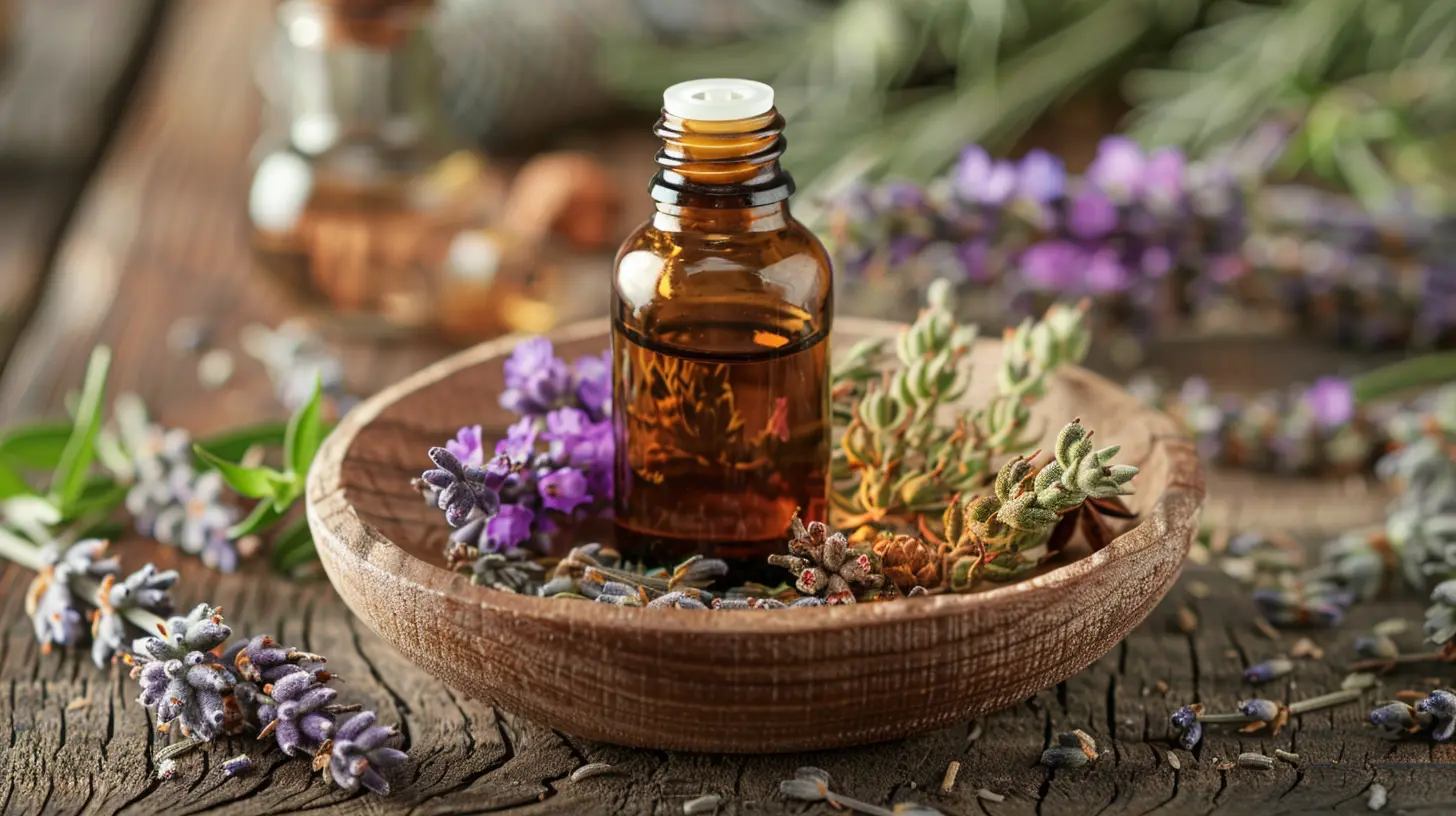
What is Aromatherapy, Anyway?
Before we jump into oils and blends, let’s break it down. Aromatherapy is a holistic healing practice that uses natural plant extracts—aka essential oils—to promote health and well-being. It works mainly through the sense of smell and skin absorption.Imagine this: you walk into a spa and immediately feel more relaxed. That’s not just the fluffy robe talking—it’s likely the soothing scent of lavender or eucalyptus working its magic.
Essential oils are extracted from flowers, leaves, bark, roots—you name it. They’re super concentrated and carry the “life essence” of the plant. In aromatherapy, these oils are used to stimulate parts of the brain (especially the limbic system, which controls emotions, memory, and hormones).
Does it sound mystical? Maybe, but bear with me. There’s actual science behind it too.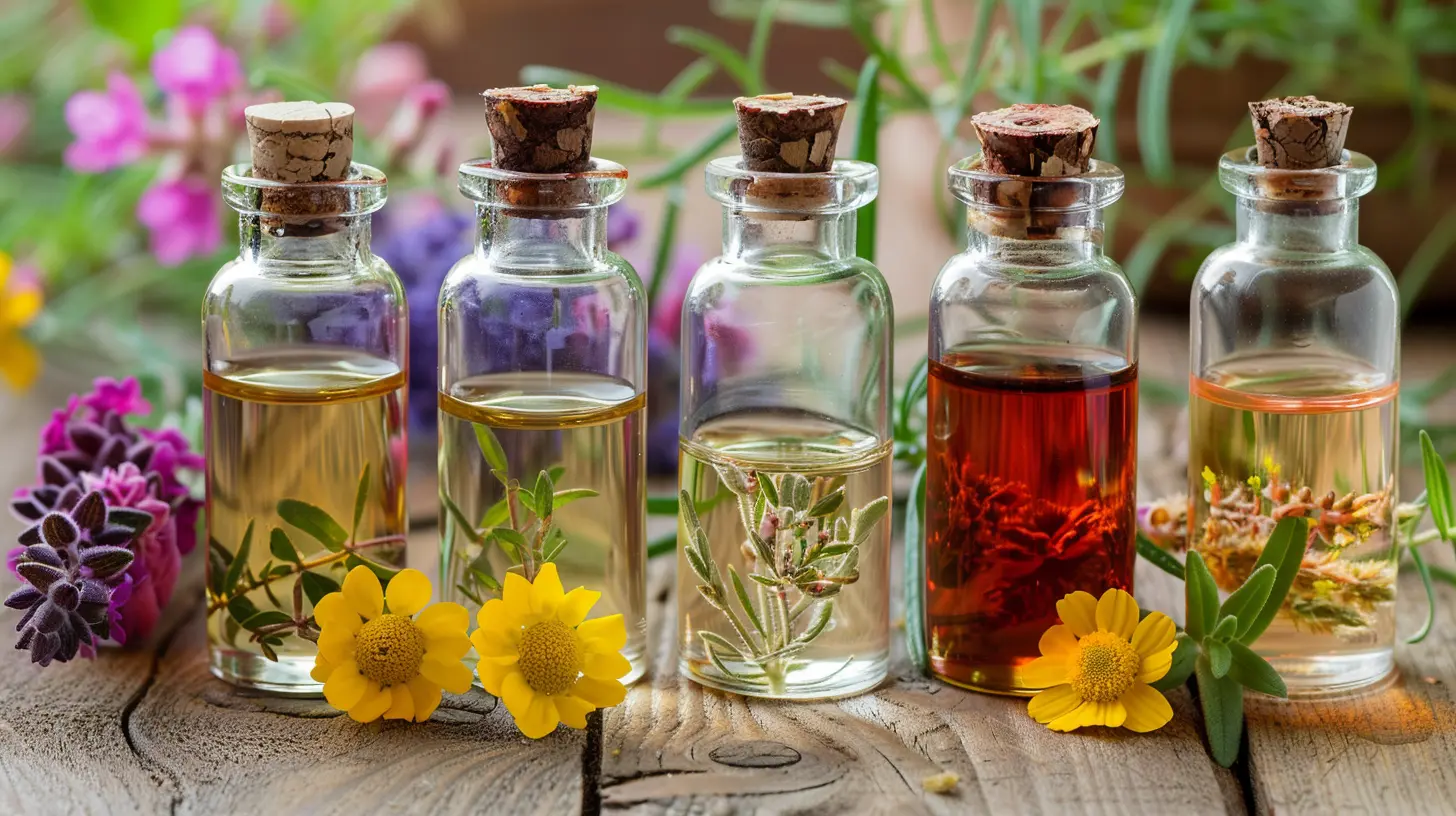
The Hormonal Havoc of Menopause
Let’s take a hot second—pun intended—to break down what’s happening during menopause. Your ovaries begin producing less estrogen and progesterone. These hormones are responsible for regulating everything from your menstrual cycle to your sleep, mood, skin elasticity, and even energy levels.So, when they dip, all sorts of chaos can break loose:
- Hot flashes and night sweats
- Insomnia
- Mood swings and irritability
- Vaginal dryness
- Anxiety and depression
- Memory lapses and brain fog
Now imagine if a few drops of oil could help ease some of these symptoms naturally. That's where aromatherapy can be a game-changer.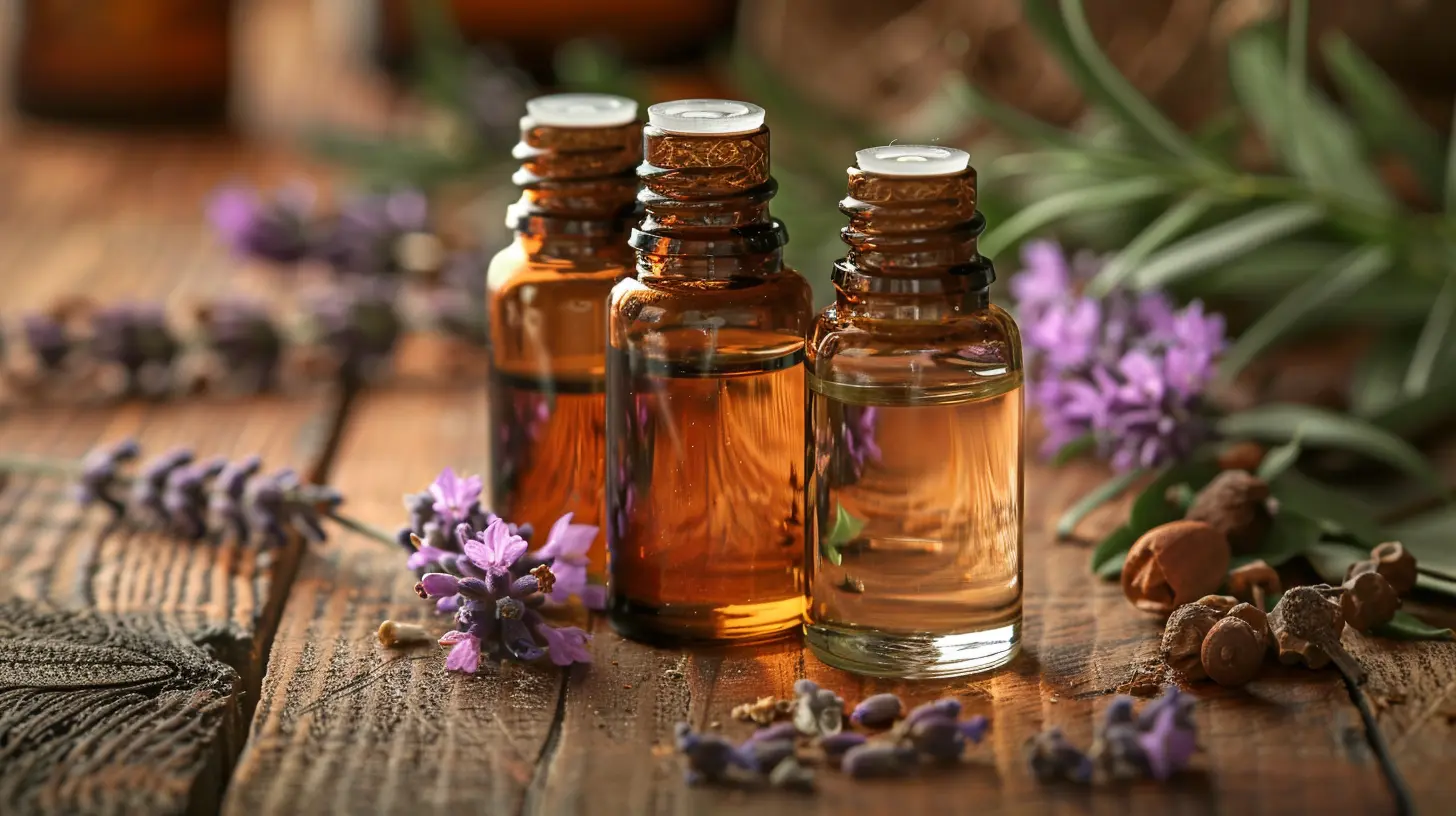
How Essential Oils Interact with Hormones
Here’s the cool part: some essential oils may interact with the body’s endocrine system (that’s the hormone command center) and influence things like cortisol (your stress hormone), serotonin (the feel-good hormone), and even melatonin (your sleep hormone).They don’t replace hormones, but they can help your body cope better with the imbalances. Think of essential oils as emotional support animals in tiny glass bottles.
Let’s look at the stars of the show.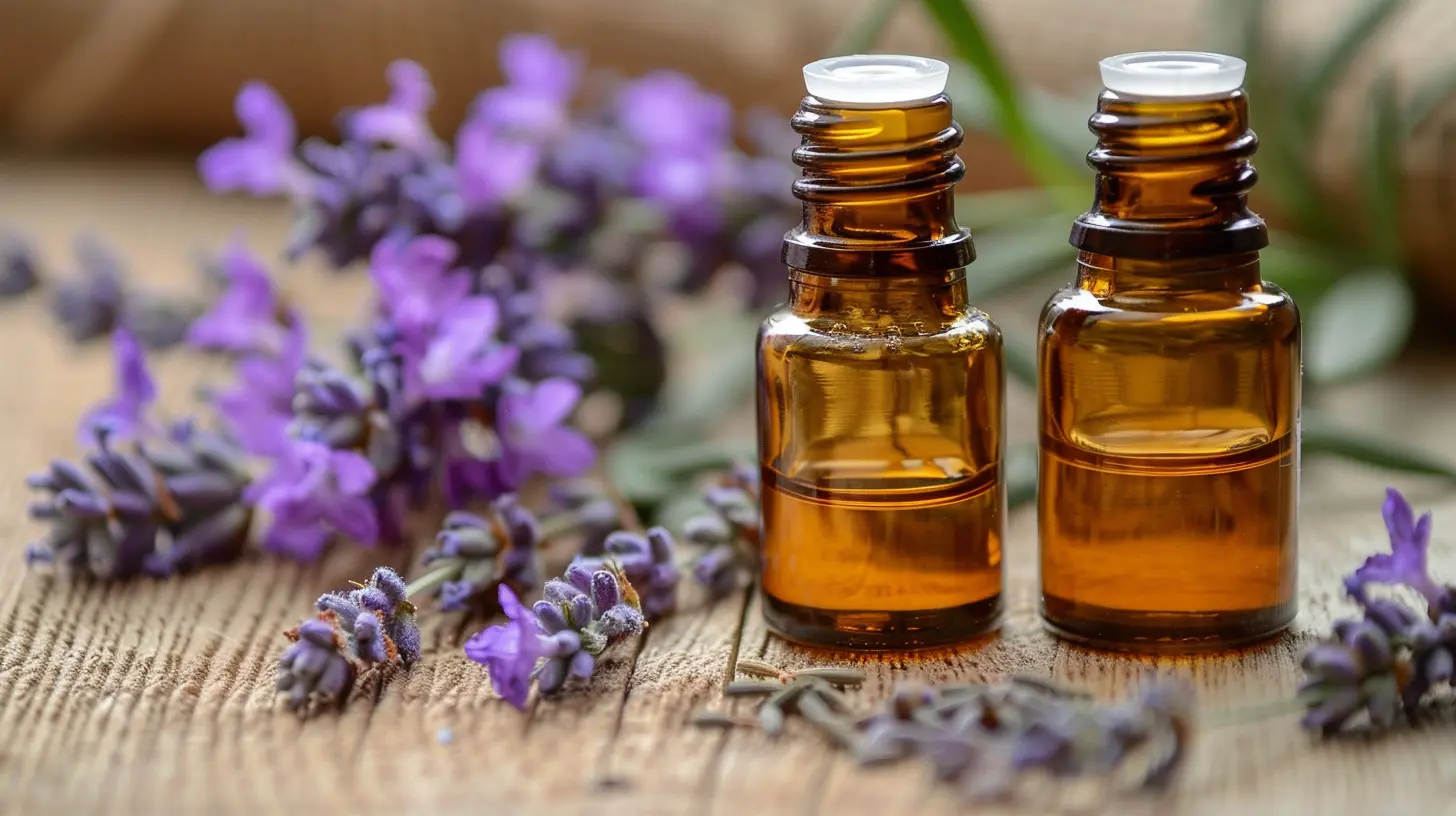
Best Essential Oils for Menopause Relief
1. Clary Sage: The Hormone Whisperer
This oil is practically famous in the aromatherapy world for hormone balancing. It can help reduce hot flashes, relieve stress, and even improve sleep. It contains natural phytoestrogens—plant-based substances that mimic estrogen, which is pretty handy when your own levels are plummeting.Try this: Add a few drops to a diffuser at bedtime or dilute in a carrier oil and rub onto your lower abdomen.
2. Lavender: The Zen Master
Lavender is like that friend who always brings a blanket and a bottle of wine to girls’ night—it just makes everything better. It's known for its calming properties, and studies have shown it can reduce anxiety, improve sleep, and even ease mild depression.You can use it in bath soaks, pillow sprays, or just inhale straight from the bottle (gently, no need to snort it).
3. Peppermint: The Cool Operator
Hot flashes? Say no more. Peppermint offers a cool-down effect, thanks to its menthol content. It helps relieve headaches and can give you a refreshing energy boost when fatigue hits.Try this: Mix a couple of drops with a carrier oil and rub on your neck and temples during a hot flash episode.
4. Geranium: The Mood Lifter
Mood swings during menopause? One minute you’re crying at a dog food commercial, and the next you're fuming because the dishwasher wasn't unloaded. Geranium oil can help regulate emotions, reduce anxiety, and balance hormones.It also smells floral and fresh, which can be an instant pick-me-up.
5. Ylang Ylang: The Libido Booster
Yep, menopause can throw your sex drive into a tailspin. Ylang ylang is known for boosting libido and promoting feelings of sensuality and self-esteem.Use it in massage oils or diffuse it during some quiet time with your partner. Wink, wink.
How to Use Aromatherapy for Menopause
Aromatherapy isn’t a “sniff and it’s fixed” kind of deal. It takes consistency and a little experimentation. Here are the most popular ways to use essential oils:? Inhalation
This is the fastest route to your brain. You can:- Use a diffuser
- Add a drop or two to a tissue and inhale
- Try steam inhalation (perfect for sinus issues too)
? Topical Application
Mix essential oils with a carrier oil (like coconut, jojoba, or sweet almond oil) before rubbing onto the skin. You can apply:- Around the abdomen for cramps or bloating
- On your temples and neck for headaches or hot flashes
- On the wrists or bottoms of feet for all-day absorption
? Baths
Add a few drops of your chosen oil to a warm bath (mixed with a bit of carrier oil or unscented bubble bath). It’s a luxurious, soothing way to double down on relief.DIY Aromatherapy Blends for Menopause
Let’s get crafty. Here are a few simple recipes you can make at home:? Sleep Easy Blend
- 3 drops Lavender- 2 drops Clary Sage
- 1 drop Cedarwood
Diffuse 30 minutes before bedtime or apply to wrists.
? Hot Flash Relief Roller
- 2 drops Peppermint- 3 drops Clary Sage
- 10ml carrier oil (like sweet almond or fractionated coconut)
Roll onto the back of your neck and chest during a hot flash.
❤️ Mood-Boosting Diffuser Blend
- 2 drops Geranium- 2 drops Ylang Ylang
- 1 drop Bergamot
Use this mid-day when you need a lift.
Is Aromatherapy Safe?
Great question. Yes, when used properly.Here are a few things to keep in mind:
- Always dilute essential oils before applying to skin
- Do a patch test to avoid allergic reactions
- Don't ingest them unless under the care of a certified clinical aromatherapist
- If you’re pregnant, breastfeeding, or on medications, consult your doctor first
Also, quality matters. Choose 100% pure, therapeutic-grade essential oils from reputable brands.
What the Science Says
While aromatherapy isn’t a "miracle cure," several studies do suggest it can help alleviate menopause symptoms:- A 2012 study in the journal Complementary Therapies in Medicine found that lavender aromatherapy improved sleep and reduced hot flashes in menopausal women.
- Another study published in Evidence-Based Complementary and Alternative Medicine showed that clary sage inhalation significantly reduced cortisol levels and improved mood.
- Geranium and ylang ylang have been linked to improved feelings of wellness and reduced anxiety in various small-scale studies.
More research is always helpful, but the early signs point to aromatherapy being more than just hippie hype.
Final Thoughts: Scent Your Way Through the Change
Menopause is a natural transition, but let’s face it—it can feel unnatural, unpredictable, and downright irritating. Aromatherapy offers a gentle, non-invasive way to support your body and mind during this phase. Think of it as emotional first aid with a side of spa vibes.Of course, it’s not meant to replace medical advice or treatment, especially for severe symptoms. But if you're looking for a way to take the edge off, reconnect with your body, and find a little peace in the chaos—essential oils might just be the answer hiding in plain (smelly) sight.
Why not give it a try? Your nose (and hormones) might just thank you.
all images in this post were generated using AI tools
Category:
AromatherapyAuthor:

Sophia Wyatt
Discussion
rate this article
1 comments
Kathleen Reed
Aromatherapy offers a gentle path to relief and balance.
July 22, 2026 at 3:17 PM
Sophia Wyatt
Absolutely, aromatherapy can provide a soothing way to find balance during menopause. It's all about discovering what works best for you.