Adapting Portion Control as You Age
28 October 2026
Portion control is one of those ideas that sounds simple until you actually try to live it. The plate in front of you does not come with a calorie label, your appetite does not announce its intentions, and the rules that worked at 30 often stop working at 50. Aging changes the body in ways that quietly rewrite the math of how much you should eat, and most people never get an updated instruction manual.
This article is that manual. It explains why portion control becomes a different problem as you age, how to recalibrate your portions without weighing every grain of rice, and where the common advice goes wrong. The goal is not to hand you a rigid meal plan. It is to help you build a flexible system that adjusts as your body, medications, activity, and circumstances change.
Why Portion Control Stops Working on Autopilot
Most people control portions using internal signals: hunger before a meal, fullness during it, and satisfaction afterward. These signals are reliable in young adulthood for most people. With age, they degrade in ways that are easy to miss because the changes happen gradually.Three shifts matter most.
Appetite tends to decline before energy needs do. This is often called the anorexia of aging, and it is a normal physiological drift rather than a disorder. Hormones that drive hunger become less forceful, stomach emptying slows, and the sensation of fullness arrives earlier and lasts longer. The result is a mismatch: you may eat less without trying, which sounds harmless until you realize that protein, vitamins, and minerals are packaged inside the food you are now skipping.
Muscle mass declines, which lowers resting energy expenditure. Adults lose muscle steadily from midlife onward unless they actively resist it with strength training and adequate protein. Less muscle means a lower metabolic rate, so the same portions that maintained weight at 40 can cause gradual gain at 60. This is why many people describe weight creeping up even though their eating habits "have not changed."
Sensory changes reshape how much you eat. Taste and smell sensitivity often decline, making food less rewarding. For some people this reduces intake. For others it pushes them toward stronger flavors, more salt, more sugar, and larger volumes of highly palatable food to chase the missing sensation. Both responses are real, and they point in opposite directions, which is why blanket advice fails.
The practical takeaway: your internal portion regulator is no longer trustworthy on its own. You need external structure, but it has to be light enough that you will actually follow it for decades.
The Two Failure Modes of Portion Control After 50
Most portion control conversations assume one problem: eating too much. In aging, there are two opposite problems, and confusing them is the single most common mistake.Failure mode one: portions that are too large
This is the classic scenario. Sedentary lifestyle, lower muscle mass, and calorie-dense convenience food combine to produce gradual weight gain, especially around the abdomen. Excess visceral fat raises the risk of insulin resistance, cardiovascular disease, and joint strain. Portion control here means trimming energy intake while preserving nutrient density.Failure mode two: portions that are too small
This one gets far less attention and is arguably more dangerous in older adults. When appetite fades and portions shrink, the risk is not obesity but malnutrition: insufficient protein, inadequate calories, and deficiencies in vitamin B12, vitamin D, calcium, and iron. Malnutrition accelerates muscle loss, weakens immunity, slows wound healing, and increases fall risk. A person can be overweight and malnourished at the same time, which is why body weight alone is a poor gauge.Before you change anything, identify which failure mode applies to you. Ask three questions:
- Has your weight drifted up, down, or stayed stable over the past year without deliberate effort?
- Are you eating fewer than two proper meals most days, or skipping protein at breakfast and lunch?
- Do you feel strong and steady, or has your grip, stamina, or balance changed?
If weight is rising and strength is stable, you are likely in the first mode. If weight is falling or meals are shrinking unintentionally, you are likely in the second. Your strategy should differ sharply depending on the answer.
Recalibrating Portions Without Counting Every Calorie
Precise tracking works for short periods but rarely survives real life for years. A better approach is to build a portion framework based on hand estimates and plate composition, then adjust it using outcomes rather than numbers.The hand method, adapted for aging
Hand-based portion guides are popular because they scale with body size and require no equipment. A common version uses:- Palm: one serving of protein, roughly 20 to 30 grams
- Fist: one serving of vegetables
- Cupped hand: one serving of carbohydrate such as rice, pasta, or potatoes
- Thumb: one serving of fats such as oil, butter, or nuts
For older adults, the standard version needs two adjustments. First, protein portions should skew larger, not smaller, because aging muscles respond less efficiently to protein. Research on protein requirements in older adults generally supports higher intake than the standard adult recommendation, often in the range of 1.0 to 1.2 grams per kilogram of body weight per day for healthy older adults, with higher targets for those who are ill or recovering. In practice, that means aiming for a palm-sized protein source at every meal rather than concentrating it at dinner.
Second, the carbohydrate portion can often shrink, especially if you are sedentary or managing blood sugar. This is where many people accidentally overcorrect: they cut carbs dramatically and feel exhausted because total intake collapses. The better move is to keep carbohydrates moderate and choose ones that come with fiber, such as whole grains, legumes, and vegetables, which slow digestion and support steadier energy.
The plate method, with a protein-first twist
The classic plate method divides the plate into quarters: half vegetables, a quarter protein, a quarter starch. It is a solid default, but it has a blind spot for aging bodies. If you fill half the plate with low-calorie vegetables and eat them first, you may reach fullness before finishing the protein, which is the nutrient you most need to protect muscle.A protein-first variation works better for many older adults:
1. Serve the protein portion first and eat several bites before anything else.
2. Fill half the plate with vegetables.
3. Add a moderate starch portion.
4. Finish with fat in small amounts for flavor and satiety.
The order matters because satiety signals build during the meal. Front-loading protein ensures it gets eaten before fullness arrives. This is a small behavioral change with outsized effects, and it costs nothing.
Anchoring portions to meal timing
As appetite declines, large meals become harder to finish. Smaller, more frequent meals often work better than three big ones, particularly for people who feel full quickly or who take medications that suppress appetite. A reasonable structure is three modest meals plus one or two nutrient-dense snacks, each containing some protein. The point is not grazing all day but distributing protein and calories across more opportunities, since older muscles seem to benefit from protein spread throughout the day rather than concentrated in a single meal.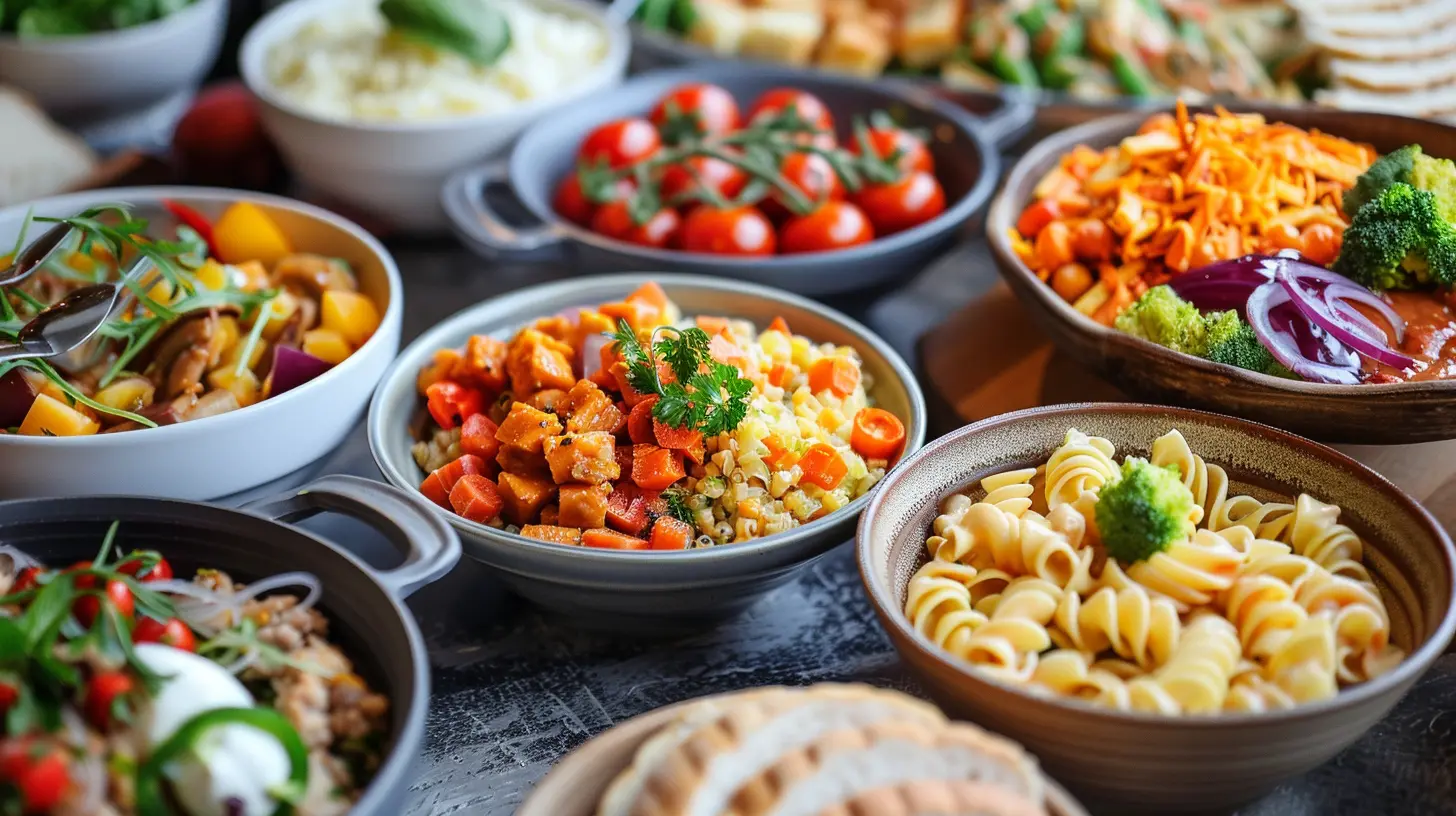
Protein: The Portion That Matters Most
If you adjust only one thing about your portions as you age, make it protein. Muscle is metabolically expensive tissue, and losing it changes everything: strength, balance, glucose handling, and even how many calories you burn at rest.The challenge is that protein is also the food most likely to be under-portioned, for several reasons. It is often expensive. It requires more chewing, which matters if dental health has declined. It takes longer to cook than carbohydrates. And appetite loss tends to hit protein foods first because they are dense and filling.
Practical ways to protect the protein portion without eating enormous meals:
- Spread it out. Aim for a protein source at breakfast, not just dinner. Eggs, Greek yogurt, cottage cheese, or a scoop of protein powder in oatmeal are fast options.
- Use compact sources. A portion of fish, chicken, or tofu the size of your palm may feel like a lot when appetite is low. Softer, more concentrated options such as ricotta, lentils, or a small serving of meat mixed into a soup can deliver similar protein with less chewing and volume.
- Do not skip the yolk or the fat. Very lean protein is fine, but some fat improves palatability and helps with absorption of fat-soluble vitamins. The goal is adequate protein, not austerity.
- Consider protein at snacks. A handful of nuts, a cheese stick, or a boiled egg turns a snack into a muscle-supporting event rather than a blood-sugar spike.
A common misconception is that older adults should eat less protein because kidneys cannot handle it. For people with healthy kidneys, higher protein intake within reasonable ranges is generally considered safe. For those with chronic kidney disease, protein needs are genuinely different and should be set with a clinician. This is one of the clearest cases where individual medical context overrides general advice.
Hydration and the Portion Problem Nobody Talks About
Fluid intake is a portion control issue in disguise. Thirst sensation declines with age, and many older adults run mildly dehydrated without noticing. Dehydration mimics hunger poorly, meaning people sometimes eat when they are actually thirsty, and it worsens fatigue, confusion, and constipation.There is no universal fluid target that fits everyone, and the old advice to drink eight glasses a day is a rough heuristic rather than a law of physiology. A more useful approach is to build fluid into routines: a glass with each meal, a glass with each medication, and a filled bottle within reach during the day. If urine is consistently dark yellow, intake is likely too low. If you are urinating frequently at night, shift fluid earlier in the day rather than cutting total intake.
For people with heart failure, kidney disease, or other conditions requiring fluid restriction, these decisions belong with a clinician. Do not apply general hydration advice on top of a medical fluid limit.
What Changes When Medications Enter the Picture
Medication use rises with age, and many common drugs affect appetite, taste, or digestion. This is a portion control factor that rarely appears in diet articles but matters enormously in practice.- Some medications reduce appetite directly.
- Others cause nausea, constipation, or dry mouth, which make eating less appealing.
- Diuretics increase fluid loss and can affect electrolyte balance.
- Steroids can increase appetite and shift fat distribution.
- Some drugs interact with specific foods, requiring timing adjustments around meals.
If your portions have changed noticeably since starting a new medication, that is worth raising with your prescriber or pharmacist rather than simply forcing yourself to eat more or less. A dose adjustment or a switch to a different drug in the same class sometimes solves the problem entirely.
Common Mistakes and Misconceptions
Mistake: cutting portions across the board. Uniform reduction shrinks protein and micronutrients along with calories. If weight loss is the goal, cut energy-dense extras first: refined carbohydrates, added sugars, alcohol, and large fat portions. Protect the nutrient-dense core.Mistake: using weight as the only metric. Weight can stay stable while body composition shifts toward fat and away from muscle. Track strength and function too: can you carry groceries, climb stairs, rise from a chair without using your arms? These are meaningful data points.
Mistake: assuming smaller portions are always healthier. For an older adult with unintentional weight loss, larger, more frequent, nutrient-dense meals may be the correct prescription. "Portion control" is not synonymous with "eat less."
Misconception: metabolism collapses after 40. Resting metabolic rate does decline with age, but a large share of that decline is attributable to lost muscle mass and reduced activity rather than age itself. This is good news, because it means strength training and daily movement can blunt much of the drop.
Misconception: you need to eat less of everything. You likely need fewer calories overall, but more of certain nutrients, particularly protein, calcium, vitamin D, and fiber. The skill is reallocating portions, not shrinking them uniformly.
Mistake: ignoring the social side of eating. Meals eaten alone tend to be smaller and less varied. Shared meals, cooking for others, or community dining programs often improve intake more effectively than any portion rule. If appetite is low, address isolation alongside the plate.
Building a Portion System That Survives Real Life
A workable system has four properties: it is simple, it adapts, it accounts for medical context, and it includes feedback loops.Keep it simple. Choose one method, hand estimates or plate composition, and use it consistently for a few weeks before judging it. Complexity is the enemy of adherence.
Make it adaptive. Reassess every few months. If you started strength training, your protein and calorie needs may rise. If you became less mobile after an injury, they may fall. Portions are not a fixed prescription; they are a moving target.
Account for medical context. Blood sugar management, kidney function, heart health, and medication schedules all shape what a sensible portion looks like. General guidance is a starting point, not a diagnosis.
Build feedback loops. Weigh yourself weekly under similar conditions, note energy levels, track strength benchmarks like grip or stair climbing, and pay attention to digestion. Adjust one variable at a time so you can tell what worked.
A realistic example: a 62-year-old office worker notices gradual weight gain and afternoon fatigue. She keeps her breakfast the same but adds a protein source to it. She reduces her lunch starch from a full cup to a cupped-hand portion and adds more vegetables. She keeps dinner similar but eats the protein first. She adds two short strength sessions per week. Over three months, her weight stabilizes, her fatigue improves, and she has not counted a single calorie. That is what a working system looks like: small structural changes, sustained over time, adjusted based on results.
When to Get Professional Help
Self-directed portion adjustment works well for generally healthy adults. It is not the right tool in every situation. Consider working with a registered dietitian or physician if any of the following apply:- Unintentional weight loss of more than a few percent of body weight over several months
- Difficulty chewing or swallowing
- Chronic kidney disease, heart failure, or diabetes requiring tailored nutrition
- Recent hospitalization or surgery
- Signs of malnutrition such as persistent fatigue, poor wound healing, or frequent infections
- Multiple medications with appetite or food interactions
These situations involve trade-offs that general advice cannot resolve. A clinician can weigh protein needs against kidney function, or calorie targets against a medication's side effects, in ways this article deliberately does not attempt.
The Bottom Line
Portion control as you age is not about eating less. It is about eating deliberately. Your appetite signals become less reliable, your muscle mass becomes more precious, and your medical context becomes more complex. The response is a simple, flexible framework: protect protein at every meal, fill half the plate with vegetables, keep starch moderate and fiber-rich, eat protein first, hydrate on a schedule, and reassess regularly using strength and function as your gauges alongside weight.The people who do this well are rarely the ones with the most disciplined diets. They are the ones who built a system simple enough to follow on a bad day, and who kept adjusting it as their lives changed.
all images in this post were generated using AI tools
Category:
Portion ControlAuthor:

Sophia Wyatt
Discussion
rate this article
1 comments
Rook Wheeler
Great insights! Portion control is essential for a healthy lifestyle as we grow older.
October 28, 2026 at 4:41 AM